India’s economic activity rose significantly in September 2026, according to a government survey. This increase shows a rebound in sectors like manufacturing and services, indicating economic recovery. The Purchasing Managers’ Index (PMI) rose sharply, signaling expansion in business activities. Bloomberg reports that this surge is due to increased consumer spending and a rise in export demand, which had been low in previous months due to global uncertainties.
This growth is important for manufacturing managers and financial analysts in India. It brings new opportunities and challenges. As the economy gains momentum, companies may need to adjust their strategies and financial forecasts. Understanding these changes is essential for professionals to navigate the evolving landscape. The Economic Survey on indiabudget.gov.in highlights that the growth in manufacturing is a trend that could reshape the economy in the coming quarters.
Manufacturing Sector Expansion and Its Implications
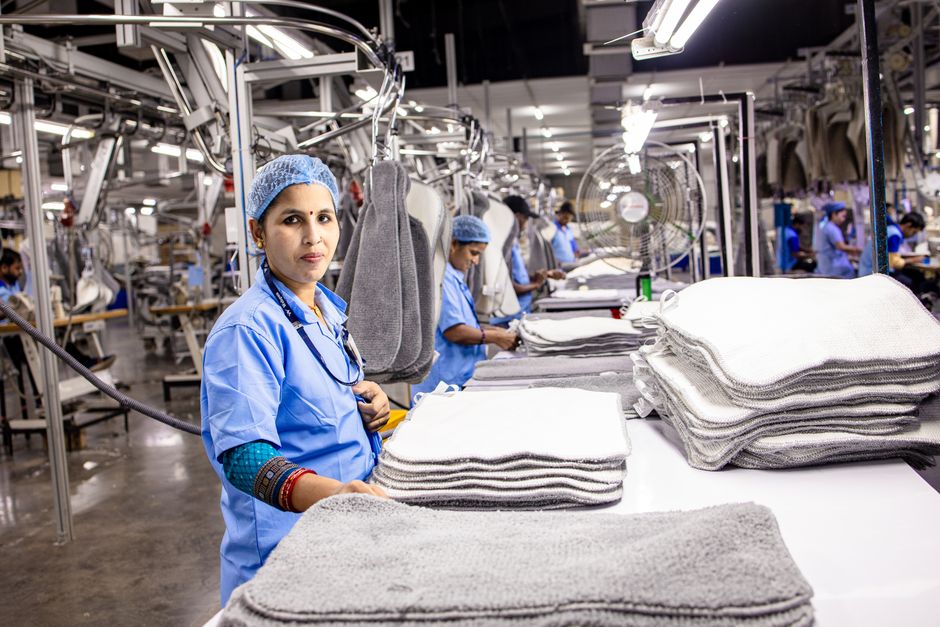
The manufacturing sector in India is seeing a notable increase, with production capacity rising as demand grows. Career Ahead’s analysis of the Economic Survey shows that manufacturing output has grown by 8% compared to the previous quarter. This growth comes from increased domestic consumption and export orders, as global markets stabilize. The Economic Survey 2025-26, detailed by PRS Legislative Research, emphasizes that reviving manufacturing is critical for economic growth and job creation, especially in a country facing labor market pressures.
Manufacturing managers must focus on improving operational efficiency to meet rising demand. This may involve investing in new technologies and training programs to enhance workforce skills. Managers should also consider lean manufacturing principles to streamline processes and reduce waste. Emphasizing efficiency is crucial as competition intensifies in both domestic and international markets. The recent PMI increase shows that businesses are adapting to changing consumer preferences and market conditions, which is vital for staying competitive.
As production increases, supply chain management becomes more important. Companies may face challenges in sourcing raw materials and managing logistics. Manufacturing managers need to develop strong supply chain strategies to mitigate risks from disruptions. This includes building strong relationships with suppliers and diversifying sourcing options for stability. The Economic Survey notes that the government is improving infrastructure, which is essential for supporting the logistics needs of the manufacturing sector.
The rise in economic activity also opens investment opportunities in emerging markets. With increased production capacity, manufacturers may look for new markets for their goods. This could lead to partnerships or joint ventures that enhance market presence and profitability. Understanding market trends and consumer preferences in these regions is key for making informed investment decisions. The Economic Survey highlights growth potential in sectors like electronics and textiles, suggesting that manufacturers who position themselves strategically could gain significant rewards.
Overall, growth in the manufacturing sector indicates a positive trend for employment and economic stability. As firms expand, they will likely create new job opportunities, contributing to a healthier job market in India. The link between manufacturing growth and job creation is especially important in a country where youth unemployment is a pressing issue.
Financial Forecasting in a Changing Economic Landscape
For financial analysts, rising economic activity means reevaluating forecasting models. Career Ahead research shows that traditional models may not capture the rapid changes in the economy. Analysts need to use real-time data and agile methods in their financial projections to stay relevant. The recent surge in economic activity, reported by Bloomberg, indicates that analysts should prepare for volatility as companies adjust to new market realities.
The increased economic activity suggests a potential rise in corporate earnings, which could boost stock prices. Financial analysts should closely monitor key performance indicators (KPIs) across sectors to identify trends and make informed recommendations. This includes analyzing profit margins, revenue growth, and market share dynamics. The Economic Survey indicates that sectors like technology and consumer goods are likely to see significant growth, impacting investment strategies and portfolio management.
As companies adapt to the new economic environment, there may be shifts in capital expenditure. Analysts must adjust forecasts based on companies’ investment strategies, especially in technology and infrastructure. Understanding these shifts is crucial for providing accurate advice to stakeholders. The evolving landscape also presents challenges with inflation and interest rates, which analysts must navigate carefully to offer sound investment guidance.

Additionally, the changing economic landscape may affect interest rates and inflation. Analysts need to stay informed about monetary policy decisions by the Reserve Bank of India and their implications for financial markets. This knowledge is vital for developing comprehensive financial models that account for potential risks and opportunities. The Economic Survey emphasizes monitoring macroeconomic indicators to anticipate shifts that could affect market stability.
In summary, the rise in economic activity in India presents both challenges and opportunities for financial analysts. Those who adapt their forecasting methods and provide timely insights will be well-positioned to succeed in this dynamic environment. As the economic landscape evolves, the connection between manufacturing growth and financial analysis will shape the future of India’s job market. Keeping a close eye on these developments is essential for professionals in both fields.
Frequently Asked Questions
What are the implications of rising economic activity for manufacturing managers?
Rising economic activity suggests increased demand for manufactured goods. Managers must optimize production processes, focusing on efficiency and supply chain management to capitalize on this growth.
How should financial analysts adjust their forecasts based on economic trends in India?
Financial analysts should incorporate real-time data and agile methodologies into their forecasting models. They need to monitor key performance indicators and adjust forecasts based on shifts in corporate investment strategies and economic conditions.

What strategies should manufacturing managers implement to capitalize on increased economic activity?
Manufacturing managers should invest in technology and workforce training to improve operational efficiency. They should also develop strong supply chain strategies and explore new market opportunities to maximize growth potential.
Leave a Reply