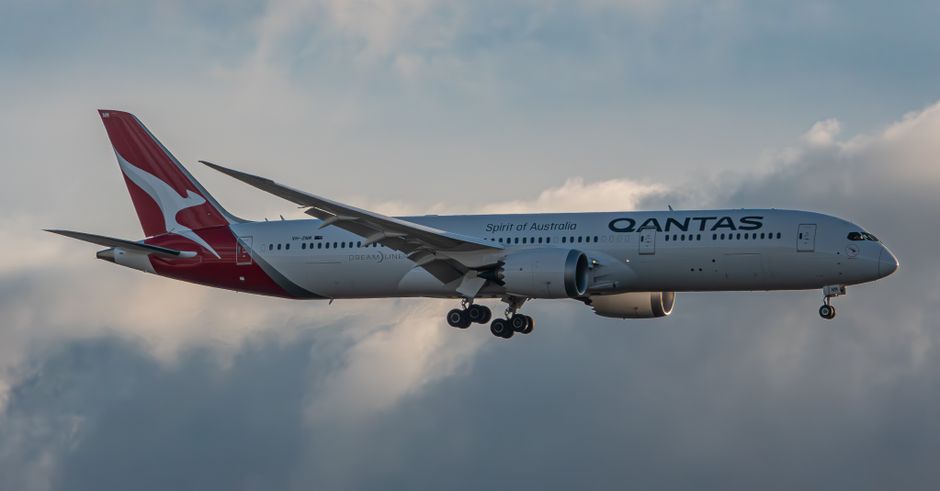
New York, USA — Qantas Airways has announced its plans to launch non-stop flights from New York to Sydney as part of its ambitious Project Sunrise initiative, set to begin in 2028. This 18-hour journey will significantly reduce travel time between the two major cities, marking a milestone in long-haul aviation.
The introduction of these flights comes on the heels of Qantas’s successful implementation of direct flights from Sydney to London, which are set to commence shortly. This initiative not only highlights Qantas’s commitment to enhancing long-distance travel but also addresses the growing demand for more efficient air travel options across the globe. According to a report by The New York Times, these flights will be a part of a broader trend in the aviation industry towards longer-range travel options, reflecting changing consumer preferences.
Impact on Long-Distance Flight Crews
Career Ahead analysis finds that the introduction of Project Sunrise will require a reevaluation of crew scheduling and management for long-haul flights. As airlines adapt to longer flight durations, the demand for flight crews capable of operating on these extended routes will increase. This shift will likely lead to a need for more specialized training and a focus on fatigue management strategies to ensure crew well-being during these lengthy journeys.
Flight crews will face new challenges as they adjust to the demands of operating on 18-hour flights. These challenges include managing fatigue, ensuring compliance with safety regulations, and optimizing crew rest periods. The need for effective fatigue management strategies will be paramount, as research indicates that longer flights can significantly impact crew performance and passenger safety. A report from Business Traveller emphasizes that airlines will need to implement robust protocols to monitor crew health and performance during these extended operations.
Additionally, the operational changes required to support these flights may lead to an increase in hiring for long-distance flight crews. Airlines will need to recruit and train more personnel to handle the unique demands of such extensive operations. This recruitment drive could also affect the overall staffing strategies of airlines, as they seek to balance operational efficiency with crew welfare. As Qantas prepares for this new era of long-haul travel, other airlines may follow suit, leading to a broader industry trend toward longer non-stop flights. This could reshape the competitive landscape of the aviation sector, with airlines vying to offer the most efficient and appealing travel options.
In light of these developments, long-distance flight crews must stay informed about emerging trends in scheduling and fatigue management. Understanding these shifts will be crucial for adapting to the evolving demands of the industry. Furthermore, as airlines like Qantas push the boundaries of long-haul travel, it is likely that regulatory bodies will also need to adapt their guidelines to ensure that safety standards keep pace with these innovations.
Operational Changes for Airlines
With the launch of Project Sunrise, Qantas will need to implement significant operational changes to support its long-haul flight offerings. These changes will encompass various aspects of airline management, including flight planning, fuel management, and crew logistics. The introduction of 18-hour flights will require airlines to rethink their approach to fuel efficiency and aircraft utilization. The operational demands of such long flights will necessitate a comprehensive review of existing protocols to ensure that all aspects of the flight experience are optimized for efficiency and safety.
Career Ahead research identifies that fuel management will be a critical component of these operational changes. Longer flights typically result in increased fuel consumption, necessitating a focus on optimizing fuel efficiency. Airlines may need to invest in more fuel-efficient aircraft or explore alternative fuel sources to mitigate the environmental impact of extended flights. This is particularly relevant as the aviation industry faces increasing scrutiny regarding its carbon footprint and environmental sustainability. Qantas’s commitment to sustainability will likely be tested as it embarks on this ambitious project.
Moreover, the logistics of maintaining aircraft during long-haul operations will require careful planning. Airlines must ensure that their fleets are equipped and ready for the rigors of extended travel, including regular maintenance and inspections. This will involve coordination between various departments within the airline, from operations to maintenance and logistics. As Qantas adapts to these new operational demands, they may also explore partnerships with other stakeholders in the aviation ecosystem. Collaborations with fuel suppliers, maintenance providers, and technology firms could enhance operational efficiency and support the successful implementation of long-haul flight programs.

Overall, the operational implications of Project Sunrise extend beyond Qantas, as other airlines may need to adapt their strategies in response to this significant development in the aviation industry. As the competition heats up, airlines will be compelled to innovate and improve their offerings, potentially leading to a renaissance in long-haul travel.
The introduction of non-stop flights from New York to Sydney represents a broader trend in the aviation industry toward longer-range travel options. As airlines like Qantas lead the way, other carriers may feel compelled to enhance their long-haul offerings to remain competitive. This could lead to a shift in consumer expectations, with travelers increasingly seeking direct routes that minimize travel time.
Career Ahead analysis indicates that this trend may also influence pricing strategies within the aviation sector. Airlines may need to balance the costs associated with longer flights against consumer demand for convenience and efficiency. This could result in dynamic pricing models that reflect the value of time savings for travelers. Additionally, as the aviation industry evolves, policymakers may need to address regulatory considerations related to long-haul flights. This includes ensuring that safety standards are upheld and that crew welfare is prioritized amid the demands of extended travel.
As Qantas moves forward with its Project Sunrise initiative, it will be essential to monitor how this development shapes the future of air travel. The implications for operational efficiency, crew management, and consumer expectations will likely resonate throughout the industry. Looking ahead, the success of Project Sunrise could pave the way for further innovations in long-haul aviation, potentially leading to even longer non-stop routes and a redefined travel experience for passengers.
Frequently Asked Questions
What are the implications of Project Sunrise for flight crew scheduling?
The launch of Project Sunrise will necessitate a reevaluation of flight crew scheduling, as airlines must adapt to longer flight durations. This may involve implementing new fatigue management strategies to ensure crew well-being during extensive journeys.
How will the aviation industry adapt to longer flight times?
As airlines introduce longer flight options, they will need to focus on optimizing fuel efficiency and operational logistics. This may involve investing in newer aircraft and exploring partnerships with various stakeholders in the aviation ecosystem.
What should aviation executives consider when planning for long-haul flights?
Aviation executives must prioritize crew welfare and operational efficiency when planning for long-haul flights. They should also be prepared to adapt their pricing strategies in response to shifting consumer expectations for direct travel options.
Leave a Reply