Tag: investment strategies

  • ECB’s Lagarde Warns of Prolonged Inflation Impact on Financial Markets

    ECB’s Lagarde Warns of Prolonged Inflation Impact on Financial Markets

    European Central Bank (ECB) President Christine Lagarde announced on September 12, 2026, that the current inflation shock may last longer than expected. This statement comes at a crucial time when economists and analysts are changing their strategies due to ongoing inflation in the Eurozone.

    Lagarde’s comments show the ECB’s commitment to handling these challenges while keeping its monetary policy framework intact. Her statements suggest a shift in the ECB’s approach to inflation management, which could significantly affect financial markets and economic forecasts.

    Impacts on Monetary Policy Decisions by the ECB

    The ECB’s recent communications hint at a possible change in its monetary policy stance. Lagarde pointed out that inflation rates remain high due to factors like supply chain issues and rising energy costs. Data from the ECB shows that inflation in the Eurozone has consistently surpassed the 2% target, leading to discussions about a stronger policy response.

    Career Ahead’s analysis indicates that the central bank may tighten monetary policy sooner than expected. This could mean raising interest rates or reducing asset purchases to fight inflation. Such actions aim to stabilize prices but may slow economic growth, creating a challenging balance for policymakers.

    Financial markets will closely monitor the ECB’s decision-making process. Investors are likely to react to any signs of policy changes, which could increase volatility in bond and equity markets. Analysts will need to adjust their models to reflect a potentially more aggressive ECB stance.

    The ECB’s approach will also affect the euro’s value against other currencies. A stronger euro could impact export competitiveness, complicating the economic landscape for European businesses. Analysts must consider these factors when forecasting future growth and inflation trends.

    The ECB’s policy decisions will shape the economic outlook and influence global financial markets. Changes in European monetary policy often have wide-ranging effects beyond the Eurozone.

    Adjustments in Financial Modeling for Inflation Forecasts

    As analysts respond to Lagarde’s announcement, they need to revise inflation forecasts. Career Ahead research shows that many financial models currently underestimate how long inflationary pressures will last. This could lead to major errors in investment strategies and risk assessments.

    Analysts must now include a longer time frame for inflation forecasts. This means adjusting key assumptions about economic growth, consumer spending, and wage growth. If inflation lasts longer than expected, consumer purchasing power may decline, slowing economic activity. Models that ignore these shifts may produce overly optimistic projections.

    The effects on different sectors are also significant. Industries sensitive to inflation, like consumer goods and energy, may feel stronger impacts. Analysts should differentiate between sectors when assessing risks and opportunities, as some may benefit from inflation while others may struggle.

    ECB's Lagarde Warns of Prolonged Inflation Impact on Financial Markets

    Given the ECB’s statements, analysts should also consider the possibility of higher interest rates. Increased rates could raise borrowing costs for businesses and consumers, affecting spending and investment decisions. This requires a careful reevaluation of credit risk and asset valuations in financial models.

    Overall, the need for accuracy in financial modeling is more important than ever. The changing economic landscape, influenced by the ECB’s decisions and inflation trends, requires analysts to be flexible and responsive to new information.

    Strategies for Investment in Inflationary Environments

    In response to the ongoing inflation outlook, investors must adapt their strategies. Career Ahead analysis suggests that traditional investment methods may need rethinking due to the ECB’s latest guidance. Inflationary environments often favor certain asset classes, such as commodities and real estate, which can protect against rising prices.

    Equities in sectors like energy and materials may also offer opportunities, as these companies can pass on higher costs to consumers. In contrast, sectors that struggle to maintain margins during inflation, like consumer discretionary, may face challenges. Investors should conduct thorough sector analyses to identify potential winners and losers.

    Furthermore, fixed-income investments require careful consideration. Rising interest rates can decrease bond prices, prompting investors to reassess their fixed-income allocations. Shorter-duration bonds may become more appealing as they are less affected by interest rate changes.

    ECB's Lagarde Warns of Prolonged Inflation Impact on Financial Markets

    Additionally, diversification will be crucial for managing risk. Investors should explore international markets that might not be as impacted by the ECB’s policy changes. This could involve looking at emerging markets or sectors with different inflation dynamics.

    As the situation evolves, staying informed about ECB policy developments will be vital for all financial market stakeholders. The ability to adjust strategies based on timely information will be key to navigating the challenges of prolonged inflation.

    In summary, Lagarde’s insights on the lasting nature of inflation call for a reevaluation of financial strategies and economic forecasts. The ECB’s policy decisions will have lasting effects on financial markets, requiring analysts and investors to remain alert and adaptable.

    Frequently Asked Questions

    What are the implications of prolonged inflation for economic forecasts?

    Career Ahead analysis shows that prolonged inflation can lead to major downward revisions in economic growth forecasts. Analysts may need to adjust their projections for consumer spending and business investment, as sustained inflation reduces purchasing power.

    How should financial analysts adjust their models in light of ECB’s statements?

    Financial analysts should include a longer time frame for inflation forecasts and consider sector-specific impacts. This involves revising key assumptions about growth and inflation dynamics for more accurate projections.

    ECB's Lagarde Warns of Prolonged Inflation Impact on Financial Markets

    What investment strategies are effective during extended inflation periods?

    Investors should consider asset classes that typically perform well in inflationary environments, such as commodities and real estate. Additionally, focusing on sectors that can pass on costs to consumers may yield better returns.
  • Bulls Face Pressure Amid Weak Technical Setup

    Bulls Face Pressure Amid Weak Technical Setup

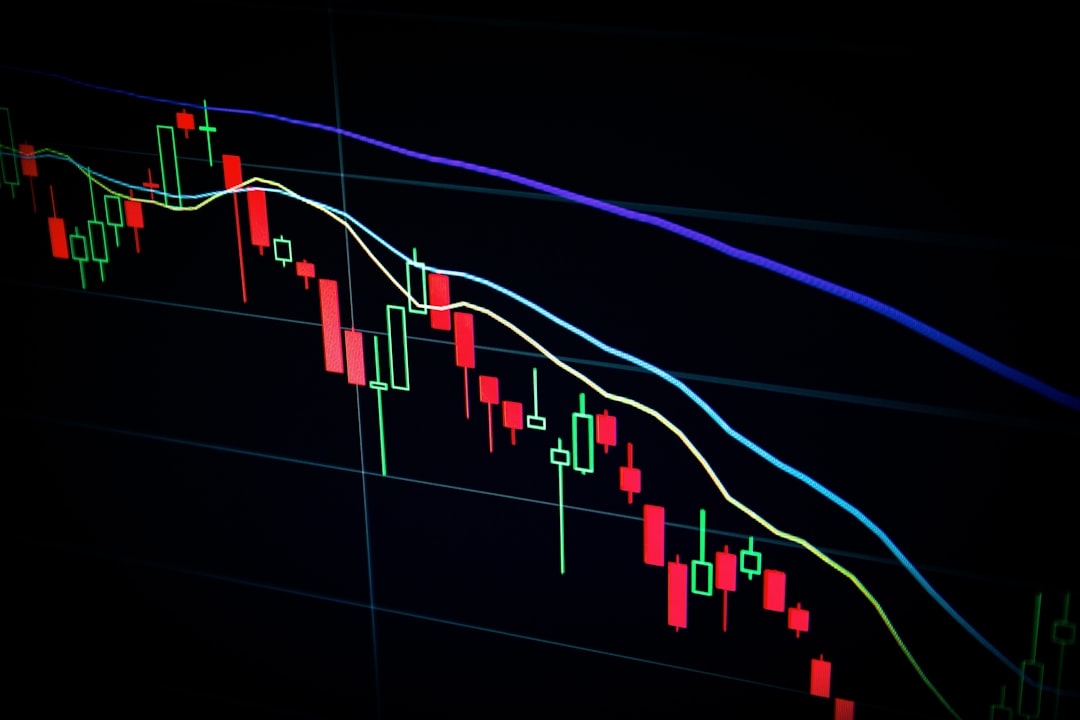
    Nifty has faced significant pressure recently, closing at 23,398.10 after violating key support levels between 23,900 and 24,000. This marks the fifth consecutive week of decline, with the index losing 499.60 points, or 2.09%. Increased volatility, indicated by a 15.07% rise in the India VIX, suggests heightened risk perception among investors. This situation necessitates a reevaluation of investment strategies for equity investors and technical analysts.

    The breach of the 23,900–24,000 support zone is particularly concerning as this area had previously provided stability during recent consolidations. Now, it is expected to act as resistance, complicating any potential recovery. The broader market sentiment remains defensive, and investors must navigate these turbulent waters carefully. As noted by the Economic Times, sustained pressure on Nifty has shifted market dynamics, with the index trading within a wide range of 658.60 points, reflecting the uncertainty and volatility investors face.

    Technical Analysis of Nifty’s Decline

    Nifty’s technical structure has deteriorated significantly following the recent drop. It has slipped below its 100-week moving average, currently at 24,401, and remains under the 50-week moving average of 24,673. This scenario indicates a bearish trend. Unless Nifty can reclaim the 23,900–24,000 range on a closing basis, upward movements are unlikely. Investors should be cautious, as any rallies towards this zone may encounter selling pressure. Recent analysis from Moneycontrol emphasizes that breaching these critical support levels could lead to prolonged volatility, often preceding further declines before recovery.

    Career Ahead’s analysis shows that the recent decline aligns with historical patterns. After breaching key support levels, Nifty typically faces extended volatility before recovery. This trend highlights the need for a defensive approach in the current market. Moreover, Nifty is now trading closer to the lower half of its broader range, raising concerns about further declines. The lower Bollinger Band is at 23,286, near last week’s low of 23,231, making this area critical for near-term technical reference. Further declines could lead to increased selling pressure.

    In light of these developments, technical analysts are focusing on key resistance levels at 23,600 and 23,850. These levels will be crucial for market sentiment moving forward. The weekly RSI stands at 39.93, indicating it is not yet oversold. The MACD remains bullish but is close to a negative crossover. Investors should stay vigilant and prepare for fluctuations as the market adjusts to these signals. Current conditions have prompted many analysts to adopt a cautious stance, with the potential for further declines looming large unless there is a decisive turnaround.

    Investment Strategies in a Volatile Market

    Given the current market conditions, equity investors must adopt a selective and cautious approach. Fresh buying should be highly selective, focusing on stocks with strong relative strength. This strategy is vital in a market marked by increased volatility and declining indices. Career Ahead research finds that maintaining modest position sizes and strict risk controls is essential during this period. With Nifty breaking through critical support levels and rising volatility, a defensive strategy is warranted. Investors should consider selling into strength rather than attempting to catch a falling knife.

    Furthermore, the Relative Rotation Graphs (RRG) analysis reveals a lack of leadership in the markets. While the Nifty Auto Index shows some relative strength, sectors like Realty and Media are struggling. Investors should focus on sectors with improving relative momentum, such as PSU Bank and IT, which are currently in the improving quadrant of the RRG. The Economic Times notes that this lack of sectoral leadership adds complexity for investors navigating the current landscape, emphasizing the need to monitor sector performance closely.

    As the market continues to navigate these challenging conditions, equity investors should remain alert to signals of recovery or further declines. The current environment requires careful examination of market trends and individual stock performance. Keeping an eye on global market developments and economic indicators will also shape investment decisions. The coming weeks will be critical for Nifty as it seeks to reclaim lost ground. Investors should watch for signs of recovery or further declines as the market adjusts to the new technical landscape.

    Bulls Face Pressure Amid Weak Technical Setup

    In summary, Nifty’s recent performance has significant implications for equity investors. Understanding the technical setup and adopting a cautious approach is vital for navigating this volatile market. Investors should prepare for potential fluctuations and remain focused on sectors showing relative strength.

    Frequently Asked Questions

    What are the implications of Nifty falling below 24,000 for equity investors?

    The breach of the 24,000 support level signals a bearish trend, increasing risk for equity investors. Career Ahead analysis shows that investors may face prolonged volatility and potential further declines unless Nifty can reclaim this key level.

    How can technical analysts interpret the recent volatility in the market?

    Technical analysts view the increased volatility as a sign of heightened risk perception. The violation of key support levels indicates a bearish setup, and analysts will closely monitor resistance levels to gauge potential market movements.

    Bulls Face Pressure Amid Weak Technical Setup

    What strategies should equity investors consider in a bearish market?

    In a bearish market, equity investors should adopt a selective and cautious approach. Focusing on stocks with strong relative strength and maintaining strict risk controls will be essential for navigating the current volatility.

  • Nifty Breaks Crucial Support; 5 Stocks to Watch

    Nifty Breaks Crucial Support; 5 Stocks to Watch

    India’s benchmark index, Nifty 50, has recently fallen below key support levels, closing at around 23,400 after a turbulent trading session. This decline is significant for investors, indicating a broader trend of market volatility driven by rising oil prices and geopolitical tensions. Analysts, including Sudeep Shah from SBI Securities, have shared their views on this downturn and provided stock recommendations for investors navigating this uncertain landscape.

    The Nifty 50 index has faced ongoing pressure, dropping nearly 2% over the past week, marking the fifth consecutive week of losses. The index has fallen from a peak of 24,774 in early August, a decline of over 1,500 points. Recent trading patterns suggest a bearish sentiment among investors, worsened by external factors like rising tensions between the US and Iran and increasing bond yields.

    Understanding Nifty’s Support Levels

    Technical analysis shows that Nifty’s recent performance marks a critical point for investors. The index has broken important moving averages, leading to a bearish outlook. The 23,100 to 23,000 range is identified as a vital support zone for Nifty. A decisive break below this level could lead to further declines, possibly reaching around 22,800 and 22,500.

    The market’s reaction to external pressures has been swift. As geopolitical tensions rise, especially in the Middle East, and oil prices fluctuate, investor confidence has weakened. The recent spike in the US 10-year bond yield to 4.97% has added to the uncertainty, prompting many to reassess their positions. The India VIX has risen, reflecting increased volatility in the market.

    Stock Recommendations Amid Market Fluctuations

    In light of these trends, Sudeep Shah has identified specific stocks that may offer short-term gains despite the broader market volatility. His insights stress the importance of focusing on stocks with strong fundamentals and favorable technical setups. The recommended stocks include:

    • LIC Housing Finance: With strong fundamentals, it is expected to benefit from ongoing demand in the housing sector.
    • Emcure Pharmaceuticals: This company has a robust pipeline and market presence, poised for growth as healthcare needs rise.
    • Five-Star Business Finance: This stock has shown resilience in the financial sector, making it a solid pick for investors seeking stability.
    • VA Tech Wabag: A player in the water treatment sector, gaining attention due to increasing infrastructure investments.
    • PNB Housing Finance: Its focus on affordable housing aligns with current market trends, making it a compelling choice for growth-oriented investors.

    As the market navigates this turbulent phase, these stock picks could help buffer against broader market declines. Investors are encouraged to conduct their due diligence and consider these recommendations within their overall investment strategy.

    Adapting to Market Volatility

    The implications of Nifty’s decline extend beyond immediate stock selections. For equity investors and financial analysts, this situation highlights the need for adaptability in investment strategies. Staying aware of market trends and technical indicators is crucial for informed decisions during volatility.

    Investors should consider how geopolitical developments and economic indicators may affect their portfolios. The current environment requires a balanced approach, where risk management is key. With the potential for further declines, evaluating exposure to high-risk assets and diversifying holdings is essential.

    The rising India VIX indicates that market sentiment remains fragile. Investors may want to adopt a more defensive stance, focusing on sectors less sensitive to economic fluctuations, such as consumer goods and utilities, which tend to perform better during downturns.

    Nifty Hits Key Support: Stock Strategies Unveiled

    Monitoring Market Developments

    The relationship between support levels and stock performance will be critical to watch in the upcoming week. The ability to respond quickly to changing conditions will be essential for seizing opportunities in this uncertain environment. The next few trading sessions will be crucial for Nifty and its constituents, as investors prepare for potential volatility.

    In summary, the current market landscape presents both challenges and opportunities. By focusing on strong fundamentals and maintaining a cautious approach, investors can navigate this period of uncertainty effectively.

    Nifty Hits Key Support: Stock Strategies Unveiled

    Frequently Asked Questions

    What are the implications of Nifty slipping below support for equity investors?

    Nifty’s decline below crucial support levels raises concerns about market volatility, impacting investor sentiment. Equity investors may need to reassess their strategies and consider defensive positions in their portfolios.

    How should financial analysts adjust their strategies in response to market volatility?

    Financial analysts should focus on technical indicators and market trends to refine their strategies. This includes monitoring key support levels and identifying resilient stocks that can withstand market fluctuations.

    What stocks did Sudeep Shah recommend for next week and why?

    Sudeep Shah recommended LIC Housing Finance, Emcure Pharmaceuticals, Five-Star Business Finance, VA Tech Wabag, and PNB Housing Finance due to their strong fundamentals and favorable technical setups, making them attractive for short-term investment.

    Sources: Our Money Now, Global Finserve, Economic Times.

  • How Middle East Conflicts Are Driving Oil Prices Up

    How Middle East Conflicts Are Driving Oil Prices Up

    Oil prices surged dramatically on September 10, 2026. Escalating tensions in the Middle East have increased market uncertainty. The conflict between Iran and Israel has raised fears of supply disruptions, pushing Brent crude to $95 per barrel. This surge has major implications for oil and gas investors and energy market analysts who must navigate this volatile landscape.

    The rise in oil prices comes as global stock markets face pressure. Investors are dealing with rising energy costs and fluctuating bond yields. This creates a precarious financial environment. Career Ahead’s analysis shows that geopolitical events and oil prices present both risks and opportunities for strategic investors.

    Impact of Middle East Tensions on Oil Prices

    The ongoing conflict in the Middle East, especially between Iran and Israel, raises concerns about oil supply stability. Investor’s Business Daily reports that potential military escalation has led to more speculation in oil markets, driving prices higher. This situation worsens due to existing sanctions and production cuts in other oil-producing regions, straining supply chains.

    Data from Google Finance shows that oil price volatility is a global issue. Countries that rely heavily on oil imports now face higher costs. This could lead to inflationary pressures in their economies. The ripple effect of these price changes may impact everything from consumer goods to transportation costs, making it crucial for investors to monitor.

    Furthermore, the International Energy Agency (IEA) notes that geopolitical tensions often cause abrupt and unpredictable price spikes. Career Ahead research finds that such spikes usually correlate with increased demand in regions not directly affected by the conflict. Countries scramble to secure their energy needs, presenting unique opportunities for savvy investors who can anticipate these shifts.

    Investors must also think about the broader economic effects of rising oil prices. Higher energy costs can lead to decreased consumer spending, slowing economic growth. The Economic Times notes that the stock market has begun to reflect these concerns. Many sectors face downward pressure as investors reassess their positions due to rising oil prices.

    Investment Strategies for Oil and Gas Investors

    Given the current market conditions, oil and gas investors must adapt their strategies. One effective approach is diversification, which helps reduce risks from sudden price fluctuations. By investing in a mix of energy stocks, commodities, and alternative energy sources, investors can build a more resilient portfolio.

    Focusing on companies with strong balance sheets and solid cash flow can also provide a buffer against market volatility. Career Ahead analysis suggests that firms with robust operational efficiencies are more likely to withstand price shocks and maintain profitability. This makes them attractive investment targets.

    Moreover, investors should stay informed about geopolitical developments and their potential impact on oil supply. Understanding these conflicts can give investors a competitive edge. For example, companies operating in politically stable regions may offer more reliable returns than those in volatile areas.

    Oil Price Surge Alters Investment Strategies

    Lastly, employing technical analysis can help short-term traders capitalize on price movements. Tools like moving averages and momentum indicators can assist investors in identifying entry and exit points. This allows for informed decisions in a rapidly changing market.

    Market Analysis Techniques for Energy Market Analysts

    Energy market analysts play a crucial role in interpreting data and providing insights that guide investment decisions. One effective technique is scenario analysis. This allows analysts to evaluate how different geopolitical developments could affect oil prices. By modeling various scenarios, analysts can better understand potential outcomes and advise investors accordingly.

    Additionally, keeping up with global economic indicators, like GDP growth rates and inflation trends, provides valuable context for oil price movements. As noted by Investopedia, these indicators often influence oil demand and can signal shifts in market sentiment.

    Analysts should also use data analytics tools to track real-time market trends. This can involve monitoring social media sentiment, news cycles, and trading volumes. These tools help gauge investor sentiment and predict future movements. Career Ahead’s review of recent trends highlights the importance of being proactive in adapting to market changes.

    Oil Price Surge Alters Investment Strategies

    Furthermore, collaborating with other analysts and industry experts can enhance market insights. By sharing perspectives and data, analysts can build a more comprehensive understanding of the factors driving oil prices and develop stronger forecasts.

    As the situation in the Middle East evolves, the need for precise and timely analysis will grow. Energy market analysts must remain agile and responsive to changes in the geopolitical landscape. This ensures they provide the most accurate guidance to investors.

    The current surge in oil prices due to Middle East tensions highlights the complex relationship between geopolitics and market dynamics. For oil and gas investors, understanding these factors is essential for navigating the energy market’s complexities. As tensions escalate, how will investors adjust their strategies to mitigate risks while seizing potential opportunities?

    Frequently Asked Questions

    What factors are driving the recent surge in oil prices?

    Career Ahead analysis identifies escalating geopolitical tensions in the Middle East, especially between Iran and Israel, as the main drivers of the recent surge in oil prices. Supply concerns and market speculation have led to increased prices, with Brent crude reaching $95 per barrel.

    How should energy market analysts adjust their forecasts based on current events?

    Energy market analysts should use scenario analysis to evaluate potential outcomes of geopolitical developments. By modeling different scenarios, they can provide more accurate forecasts and guidance to investors regarding oil price movements.

    Oil Price Surge Alters Investment Strategies

    What investment strategies should oil and gas investors consider in a volatile market?

    Oil and gas investors should diversify their portfolios and focus on companies with strong financials. Staying informed about geopolitical developments and using technical analysis can also enhance investment decision-making in a volatile market.

  • AFP de Chile entrarían al mercado repo para impulsar bonos

    AFP de Chile entrarían al mercado repo para impulsar bonos

    Chilean pension funds, known as AFPs, are preparing to enter the repo market to enhance the liquidity of local bonds. This strategic move was announced on September 10, 2026, and is expected to have significant implications for bond investments and market dynamics in Chile.

    The entry of AFPs into the repo market is particularly timely, as the Chilean economy seeks to recover from recent downturns. By participating in repo transactions, AFPs aim to provide much-needed liquidity to the bond market, which has been facing challenges in recent years. This initiative could alter the landscape for financial analysts and investment managers who rely on bond market stability for their investment strategies.

    Increased Liquidity and Its Impact on Bond Investments

    With AFPs entering the repo market, the liquidity of Chilean bonds is poised for a substantial boost. Repo transactions involve the sale of securities with an agreement to repurchase them later, effectively allowing for short-term borrowing against these securities. This mechanism can help stabilize bond prices and reduce volatility, making the bond market more attractive to investors.

    Career Ahead’s analysis shows that enhanced liquidity can lead to tighter bid-ask spreads, which is beneficial for both buyers and sellers in the bond market. As liquidity improves, financial analysts will have more reliable data to work with, enabling better pricing strategies and investment decisions. This change is crucial as analysts often face difficulties in accurately assessing bond values in a less liquid market.

    Furthermore, the increased participation of AFPs in the repo market may lead to a more dynamic bond trading environment. Investment managers could find new opportunities to optimize their portfolios by utilizing repo transactions to manage cash flows and enhance returns. With AFPs actively engaging in this market, they could also influence the pricing of bonds, potentially leading to lower yields as competition for quality securities increases. According to a report by Infobae, this influx of liquidity could significantly alter the investment landscape, prompting a reevaluation of strategies among market participants.

    However, this influx of liquidity also brings challenges. Financial analysts must be vigilant about the potential for market distortions. As AFPs engage in repo transactions, there is a risk that bond prices could become artificially inflated if demand outpaces supply. This scenario could lead to a mispricing of risk, which analysts need to navigate carefully. Additionally, as noted by Tierramarillano, the repo market’s growth could indicate a broader trend of financial innovation in Chile, which may have long-term implications for the stability and efficiency of the bond market.

    In summary, the entry of AFPs into the repo market represents a significant shift in the dynamics of bond investments in Chile. Financial analysts and investment managers will need to adapt their strategies to leverage the benefits of increased liquidity while remaining cautious of the associated risks.

    Impact on Bond Yields and Pricing Strategies

    The involvement of AFPs in the repo market is expected to have a direct impact on bond yields. As liquidity improves, analysts predict that bond yields may decrease due to increased competition for quality securities. This trend is particularly important for investment managers who are tasked with generating returns in a low-yield environment.

    Career Ahead research identifies that lower yields could prompt investment managers to adjust their strategies. They may need to explore alternative investments or consider longer-duration bonds to achieve desired returns. This shift in strategy could lead to a reevaluation of risk tolerance and asset allocation among investment portfolios. Moreover, as noted by Wired, the changing dynamics in the repo market may also encourage investment managers to diversify their holdings, seeking opportunities beyond traditional bond investments.

    Moreover, the pricing strategies employed by financial analysts will need to evolve in response to the changing market conditions. Analysts will have to incorporate repo market data into their models, ensuring that they account for the effects of increased liquidity on bond pricing. This adjustment is essential for maintaining accurate valuations and making informed investment decisions. Additionally, as AFPs become more active participants in the repo market, their influence on bond pricing may grow. This could lead to a more competitive environment, where investment managers must be agile in their approach to trading and portfolio management.

    AFP de Chile entrarían al mercado repo para impulsar bonos

    In the context of the broader economic landscape, the repo market’s growth could signal a recovery in investor confidence. As Chilean pension funds engage more deeply in this market, it may reflect a positive outlook for economic growth, which could further influence bond yields and pricing strategies. The interplay between liquidity, yields, and pricing strategies will be critical for financial analysts and investment managers as they navigate this evolving landscape.

    The repo market’s development not only serves the immediate liquidity needs of AFPs but also positions them as pivotal players in the broader financial ecosystem. As they leverage repo transactions to enhance their investment strategies, the implications for the Chilean economy could be profound, potentially fostering a more resilient financial environment.

    Frequently Asked Questions

    What are the implications of AFPs entering the repo market for financial analysts?

    The entry of AFPs into the repo market enhances liquidity, which allows financial analysts to access more reliable data for pricing bonds. This change can lead to improved pricing strategies and investment decisions.

    How should investment managers adjust their strategies in light of AFPs’ repo market activities?

    Investment managers may need to explore alternative investments or adjust their asset allocation strategies due to potential decreases in bond yields as competition increases in the repo market.

    AFP de Chile entrarían al mercado repo para impulsar bonos

    What risks should financial analysts consider with increased repo market activity?

    Financial analysts should be aware of the potential for market distortions and mispricing of risk as liquidity increases in the bond market due to AFPs’ involvement in repo transactions.

  • BOJ Watchers See Follow-Up Hike

    BOJ Watchers See Follow-Up Hike

    Japan’s Bank of Japan (BOJ) has raised interest rates, a significant move that could reshape the economic landscape. This decision, made in September 2026, comes as the BOJ aims to combat persistent inflation and stabilize the yen. Analysts are now tasked with interpreting the implications of this policy shift for the Japanese economy and global markets.

    The recent rate hike has been viewed as a necessary response to rising inflation rates, which have exceeded the BOJ’s target. As inflation pressures mount, the central bank’s decision reflects a broader trend of tightening monetary policy in response to economic conditions. Financial analysts are keenly observing these developments to adjust their economic forecasts and investment strategies accordingly.

    Implications for the Japanese Yen and Inflation Trends

    The immediate impact of the BOJ’s interest rate hike is expected to be felt in the currency markets. A stronger yen is anticipated as higher interest rates typically attract foreign investment, increasing demand for the currency. Career Ahead’s analysis finds that this could lead to a short-term appreciation of the yen, affecting export competitiveness for Japanese companies. Analysts from Bloomberg also suggest that the BOJ’s actions may lead to a follow-up rate hike by January 2027, further influencing market dynamics.

    Furthermore, the hike is likely to influence inflation trends within Japan. With the BOJ’s new stance, inflationary pressures may begin to stabilize, but analysts warn that the path to achieving the target inflation rate will be challenging. Historical data suggests that previous rate hikes have taken time to influence inflation meaningfully, indicating that analysts should prepare for a gradual adjustment period. The BOJ’s decision aligns with global trends where central banks are tightening monetary policies to combat rising inflation, as noted by various financial analysts.

    Career Ahead research identifies that the BOJ’s decision aligns with global trends where central banks are tightening monetary policies to combat rising inflation. This synchronization could lead to a more volatile global economic environment, impacting investment flows and market stability. Analysts must monitor these trends closely to anticipate shifts in investor sentiment and market dynamics. The interconnectedness of global markets means that Japan’s monetary policy will not only affect its economy but also resonate across Asia and beyond, influencing how investors allocate their resources.

    In the context of Japan’s economic recovery, the BOJ’s actions signal a cautious optimism. However, the balance between fostering growth and controlling inflation will be delicate. Financial analysts should focus on key economic indicators, such as consumer spending and corporate investment, to gauge the effectiveness of the BOJ’s policy changes. The BOJ’s commitment to maintaining a stable economic environment is critical, especially as Japan navigates the complexities of post-pandemic recovery.

    Global Market Reactions and Investment Strategies

    The BOJ’s interest rate hike is likely to reverberate through global markets, prompting reactions from investors and policymakers alike. As interest rates rise in Japan, analysts should anticipate shifts in capital flows, with potential outflows from emerging markets as investors seek higher returns in Japan. Career Ahead’s analysis suggests that this could lead to increased volatility in currencies and equities across Asia.

    For financial analysts, understanding the interconnectedness of global markets is crucial. The rise in Japanese interest rates may prompt other central banks to reconsider their monetary policies, potentially leading to a domino effect. Analysts should be vigilant about how these changes might influence their investment portfolios and economic forecasts. The potential for increased interest in Japanese assets could lead to a reallocation of investments, particularly in sectors that are sensitive to interest rate changes.

    Additionally, the impact on global commodities should not be overlooked. A stronger yen may lead to lower import costs for raw materials, affecting the pricing strategies of Japanese firms. Analysts need to assess how these dynamics could affect sectors such as manufacturing and technology, which are pivotal to Japan’s economy. The BOJ’s actions could also influence commodity prices globally, as changes in demand from Japan ripple through supply chains.

    BOJ Watchers See Follow-Up Hike

    As investment strategies evolve in response to the BOJ’s decisions, analysts must also consider the long-term implications for asset allocation. With rising interest rates, fixed-income investments may become more attractive, prompting a reevaluation of risk exposure in equity markets. Career Ahead’s research indicates that sectors sensitive to interest rates, such as real estate and utilities, may experience shifts in investor sentiment. This evolving landscape will require analysts to remain agile and informed, leveraging data to make strategic decisions.

    In summary, the BOJ’s interest rate hike presents both challenges and opportunities for financial analysts. By staying informed and agile, analysts can navigate the complexities of the evolving economic landscape and position themselves for success. The BOJ’s decision is a pivotal moment that could shape investment strategies and economic forecasts for months to come.

    The BOJ’s decision to raise interest rates is not just a domestic issue; it has far-reaching implications for financial analysts and economists globally. As the Japanese economy adjusts to this new reality, understanding the nuances of monetary policy will be critical. Analysts must adapt their economic forecasts and investment strategies to account for the potential impacts on inflation, currency valuation, and global market dynamics.

    Moreover, the rate hike underscores the importance of closely monitoring economic indicators and geopolitical developments. Analysts who can effectively interpret these signals will be better equipped to make informed decisions in a rapidly changing environment. The ability to anticipate shifts in market sentiment and investor behavior will be key to maintaining a competitive edge.

    As the global economic landscape continues to evolve, the BOJ’s actions serve as a reminder of the interconnectedness of financial markets. Analysts should remain vigilant and proactive in their assessments, leveraging data and insights to navigate the complexities of the current economic climate. Looking ahead, financial analysts will need to watch for further signals from the BOJ regarding future rate hikes and their implications for the Japanese economy and global markets. The next few months will be crucial as analysts gauge the effectiveness of the BOJ’s policies and the broader economic response.

    Frequently Asked Questions

    What are the potential impacts of BOJ’s interest rate hike on my investment strategy?

    Career Ahead analysis shows that the BOJ’s interest rate hike could lead to a stronger yen, affecting export competitiveness. Investors may need to reassess their asset allocations, particularly in sectors sensitive to interest rate changes.

    How should I adjust my economic forecasts based on BOJ’s recent actions?

    Analysts should incorporate the BOJ’s rate hike into their economic models, focusing on inflation trends and currency valuation. Monitoring key economic indicators will be crucial for accurate forecasting.

    BOJ Watchers See Follow-Up Hike

    What indicators should financial analysts watch following a BOJ interest rate change?

    Key indicators include inflation rates, consumer spending, and corporate investment levels. Analysts should also monitor global market reactions to gauge the broader economic impact.

  • Oil Prices Surge, Stocks and Bonds Wobble Amid Geopolitical Tensions

    Oil Prices Surge, Stocks and Bonds Wobble Amid Geopolitical Tensions

    Crude oil prices have reached their highest levels in months. This rise is driven by geopolitical tensions, especially the ongoing conflict in Iran. The spike has caused stocks to wobble and bond yields to rise, creating a tricky situation for investors. As the market reacts, energy analysts and financial investors must rethink their strategies to handle the growing volatility.

    The recent jump in oil prices comes amid fears of supply disruptions. These fears have been worsened by the geopolitical situation. According to Career Ahead’s analysis of data from investing.com, crude oil prices have risen significantly. This increase raises concerns about inflation and its effects on the economy. The rise in oil prices has also coincided with a decline in stock prices for the fourth straight session. Investors are struggling with the implications of rising energy costs.

    Impact of Rising Oil Prices on Energy Market Forecasts

    The energy market is changing as crude oil prices keep rising. This trend is not just a temporary spike; it could reshape forecasts for the energy sector. Career Ahead research shows that higher oil prices often lead to increased production costs for energy companies. This can affect their profitability and investment strategies.

    As oil prices rise, energy market analysts are updating their forecasts. The uncertainty around supply chains and geopolitical tensions is causing a more cautious outlook. For example, the conflict in Iran raises fears of further disruptions, which could keep prices high for a while. Morningstar.com points out that these geopolitical factors are key in predicting future price movements. Analysts must stay alert in their assessments.

    Additionally, the link between oil prices and stock market performance is becoming clearer. Historically, rising oil prices have often led to downturns in the stock market. Career Ahead’s analysis suggests that investors should prepare for potential volatility as higher oil prices affect consumer spending and corporate earnings.

    Energy companies may need to rethink their investment strategies due to these changes. With rising operational costs, firms might focus on more sustainable and cost-effective energy solutions. This shift could create new investment opportunities in renewable energy sectors, as companies aim to reduce risks tied to fluctuating oil prices.

    Trends in Bond Yields Affecting Investment Decisions

    As oil prices rise, bond yields are also increasing, complicating the investment landscape. Rising yields usually signal investor worries about inflation and economic growth. This can lead to a reevaluation of asset allocations. Career Ahead’s review of market data shows that the recent spike in bond yields is closely linked to expectations of ongoing inflation from higher energy prices.

    Investors now face a tough environment where both stocks and bonds are under pressure. The connection between rising oil prices and bond yields suggests that financial markets are reacting to fears of sustained inflation. Investors.com notes that this situation is prompting many investors to reassess their portfolios. Traditional strategies may no longer offer the same security.

    For energy market analysts, understanding the link between oil prices and bond yields is vital. Higher oil prices can raise costs for consumers and businesses, which may affect interest rates and borrowing costs. As the Federal Reserve watches these developments, any changes in monetary policy could further impact bond yields.

    Oil Prices Surge, Stocks and Bonds Wobble Amid Geopolitical Tensions

    In this context, financial investors must think about how rising yields might affect their decisions. Those heavily invested in bonds may face challenges as yields rise, leading them to shift towards equities or alternative investments. Career Ahead’s analysis suggests that investors should stay flexible, focusing on sectors that could benefit from higher oil prices while being aware of the risks from rising yields.

    Strategies for Navigating Stock Market Volatility

    With the current volatility in both stock and bond markets, investors need effective strategies to navigate this uncertain landscape. As oil prices rise, understanding market dynamics becomes even more important. Career Ahead has identified several key strategies for investors looking to reduce risks during this period of heightened volatility.

    First, diversification is a fundamental strategy. Investors should spread their investments across various asset classes to lower exposure to any single market. This approach can help cushion against potential losses in stocks or bonds while taking advantage of opportunities in sectors that may benefit from rising oil prices, like energy and commodities.

    Second, staying informed about geopolitical developments is essential. Investors should keep an eye on news related to oil supply chains and conflicts that could further impact prices. Understanding the broader economic implications of these events will help investors make better decisions. Career Ahead’s research indicates that proactive analysis positions investors to adapt to market changes.

    Oil Prices Surge, Stocks and Bonds Wobble Amid Geopolitical Tensions

    Lastly, considering alternative investments may provide growth opportunities. As traditional markets face volatility, sectors like renewable energy and technology may offer promising options. Investors who shift towards these areas may find themselves ahead of the curve as the economy changes in response to rising oil prices and shifting energy demands.

    The relationship between oil prices, stock market performance, and bond yields creates a complex environment for investors. As the situation evolves, strategic foresight becomes crucial. Will current trends lead to a prolonged period of volatility, or will markets stabilize despite rising oil prices? Only time will tell, but investors must remain alert and adaptable to succeed in this changing landscape.

    Frequently Asked Questions

    How do rising oil prices impact energy market analysis?

    Career Ahead analysis shows that rising oil prices lead to increased production costs for energy companies. This affects their profitability and investment strategies. Analysts must adjust their forecasts to consider the potential impact on consumer spending and corporate earnings.

    What should financial investors do in response to rising bond yields?

    As bond yields rise, investors may need to reassess their portfolios. Career Ahead’s analysis suggests diversifying investments across asset classes and focusing on sectors that may benefit from higher oil prices while being aware of the risks from rising yields.

    Oil Prices Surge, Stocks and Bonds Wobble Amid Geopolitical Tensions

    How can oil and gas professionals prepare for market volatility?

    Oil and gas professionals should stay informed about geopolitical developments and their potential impact on oil prices. Career Ahead’s research indicates that understanding market dynamics and adapting strategies will be crucial in navigating current volatility.

  • Fixed Income Trends Shaping Investment Strategies

    Fixed Income Trends Shaping Investment Strategies

    Insight Investment’s Murphy recently discussed the changing world of fixed income investments. Rising interest rates and market volatility are having a big impact. As central banks adjust their monetary policies, fixed income investors face new challenges and opportunities. Understanding these changes is key for portfolio managers and investors navigating this complex environment.

    The current interest rate situation is reshaping bond yields across many sectors. Central banks, especially in developed economies, are raising rates to fight inflation. This has caused bond prices to fluctuate significantly. While new investors may benefit from higher yields, existing bondholders face challenges. Career Ahead’s analysis shows that investors need to rethink their strategies to maintain yield while managing risk.

    Strategies for Navigating Market Volatility

    Market volatility is now a major feature of the economy. Investors are dealing with uncertainty from geopolitical tensions, inflation, and changing fiscal policies. According to allspringglobal.com, fixed income investors should diversify their portfolios to reduce risks from market fluctuations. This means including a mix of government bonds, corporate bonds, and emerging market debt.

    Additionally, portfolio managers are increasingly using active management strategies. By adjusting allocations based on real-time data, they can seize short-term opportunities while protecting against losses. Macro-insights.com highlights that this proactive approach can boost returns, especially in a rising interest rate environment where passive strategies may not perform well.

    Investors are also looking into alternative fixed income instruments, like floating-rate notes and inflation-linked bonds. These options can help protect against rising rates and inflation, preserving capital in tough times. As noted by startgain.org, being adaptable with fixed income strategies is crucial for investors navigating today’s market complexities.

    Ultimately, the ability to adjust strategies based on market signals will set successful investors apart. Career Ahead’s research shows that a flexible approach, along with a solid understanding of macroeconomic indicators, is vital for portfolio managers in this evolving landscape.

    Emerging Trends in Fixed Income Investment

    The fixed income market is evolving, and several trends are shaping investments. One major trend is the growing demand for sustainable investing. Investors are increasingly considering environmental, social, and governance (ESG) factors. This shift is encouraging fixed income issuers to align their products with ESG criteria, creating new opportunities for those focused on sustainable returns.

    Moreover, technology is transforming fixed income markets. Fintech platforms are giving retail investors greater access to bond markets. This democratizes investment opportunities that were once limited to institutional players. Career Ahead’s analysis suggests that this trend will continue, as technology improves transparency and efficiency in bond trading.

    Another important trend is the rising use of artificial intelligence (AI) in fixed income analysis. AI tools analyze large amounts of data, identify patterns, and predict market movements. This technology helps portfolio managers make better decisions and respond quickly to market changes. As reported by allspringglobal.com, firms using AI in their investment processes are likely to gain a competitive edge.

    Fixed Income Trends and Strategies Unveiled

    As these trends develop, fixed income investors must stay alert and adaptable. The mix of traditional and innovative strategies will shape the future of fixed income investing. Investors who embrace change and use new technologies will be better positioned for success in this dynamic environment.

    The current landscape presents both challenges and opportunities for fixed income investors. As interest rates rise and market volatility continues, the strategies portfolio managers use will be crucial for their success. Understanding these trends will help investors navigate the complexities of the fixed income market effectively.

    Why This Matters to You

    For fixed income investors and portfolio managers, staying updated on these trends is essential for making smart investment decisions. Adapting to changing market conditions can greatly affect portfolio performance and risk management.

    Looking ahead, how will these trends continue to shape the fixed income landscape? As investors navigate this evolving environment, innovative strategies will be vital for achieving sustainable returns.

    Fixed Income Trends and Strategies Unveiled

    Frequently Asked Questions

    What are the best fixed income strategies in a rising interest rate environment?

    Career Ahead’s analysis shows that diversifying portfolios and using floating-rate bonds can help manage risks from rising interest rates. Active management strategies may also enhance returns during volatile periods.

    How can portfolio managers mitigate risks in fixed income investments?

    Portfolio managers can reduce risks by diversifying investments across different fixed income instruments and using active management techniques. This flexibility allows them to respond effectively to market changes.

    What should fixed income investors consider when market volatility increases?

    Fixed income investors should think about reallocating their portfolios to include a mix of government and corporate bonds. They should also explore alternative instruments like inflation-linked bonds to hedge against rising rates.