Tag: investment strategies

  • Government Securities: Key Insights for Retail Investors

    Government Securities: Key Insights for Retail Investors

    India’s government has outlined ways for retail investors to participate in government securities, which are considered safe and stable investment options. Government securities (G-Secs) are debt instruments issued by the Reserve Bank of India on behalf of the central and state governments. They raise funds from investors and are backed by the government’s sovereign guarantee.

    Retail investors can buy these securities directly through the RBI or via brokers and banks. Recent tax exemptions for foreign institutional investors have increased interest in G-Secs, making it an opportune time for local investors to consider these options.

    Types of Government Securities

    Government securities are mainly classified into two types: Treasury Bills (T-Bills) and long-term Government Bonds. T-Bills are short-term instruments that mature in less than a year, while Government Bonds have longer maturities, typically ranging from one year to 40 years. The minimum investment in these securities is ₹10,000, making them accessible to many retail investors.

    Benefits of Investing in G-Secs

    One major advantage of investing in G-Secs is their low risk of default. Since these securities are backed by the government, they are among the safest investment options in India. According to Bajaj Finserv, the predictable interest payments from these securities can stabilize an investor’s portfolio, especially during market volatility.

    Additionally, G-Secs can be easily bought and sold in the secondary market before maturity, providing liquidity for investors who may need access to their funds sooner. Furthermore, the interest earned on these securities is exempt from state and local taxes, making them even more attractive.

    In the current economic climate, G-Secs are vital for portfolio diversification. Investors seeking stability amid fluctuating markets can benefit from including government bonds in their investment strategy. Moreover, G-Secs are an excellent option for conservative investors who want to minimize risk while earning a return. By investing in government securities, retail investors can balance safety and returns, which is crucial in today’s uncertain economic environment.

    Investment Methods for Retail Investors

    Retail investors can invest in government securities through various methods. One direct way is to open a Retail Direct Gilt (RDG) account with the RBI. This platform allows investors to participate in primary auctions of Treasury Bills and Government Bonds without intermediaries, simplifying the investment process and reducing brokerage costs.

    Another method is to purchase G-Secs through stock exchanges like the NSE and BSE. Investors with a demat and trading account can engage in non-competitive bidding during primary issuances, allowing them to buy government securities at the auction price. This method offers flexibility and the chance to trade existing G-Secs in the secondary market.

    For those who prefer a hands-off approach, gilt mutual funds provide a way to invest in government securities without direct purchases. These funds invest a significant portion of their assets in G-Secs, offering exposure to a diversified portfolio of government bonds. According to Investopedia, this option is suitable for investors who may not have the time or expertise to manage individual securities actively.

    Retail Investors Navigate Government Securities

    However, retail investors should assess their risk tolerance and investment goals before investing in G-Secs. While these securities are generally low-risk, rising interest rates can affect their market value. Understanding these dynamics is crucial for informed decision-making.

    Risks to Consider When Investing in G-Secs

    Despite their benefits, investing in government securities carries risks. One primary concern is the impact of rising interest rates on the market value of existing G-Secs. When interest rates rise, the prices of existing bonds usually decline, potentially leading to capital losses for investors who need to sell before maturity.

    Additionally, inflation poses a significant risk to the real returns on government securities. Higher inflation can erode the purchasing power of interest payments, reducing the overall benefit of the investment. As noted by ClearTax, investors must stay alert to economic indicators that may signal changes in inflation and interest rates.

    Retail Investors Navigate Government Securities

    Moreover, while G-Secs are backed by the government, they are not entirely risk-free. Political instability or changes in government policy can affect the perceived safety of these investments. Retail investors should stay informed about the broader economic and political landscape to understand potential risks better.

    Frequently Asked Questions

    What are the risks of investing in government securities?

    Investing in government securities carries risks such as rising interest rates, which can decrease the market value of existing bonds, and inflation that can erode the purchasing power of returns. Understanding these risks is crucial for making informed investment decisions.
    How can financial advisors help clients invest in government securities?

    Financial advisors can guide clients in selecting appropriate government securities based on their risk tolerance and investment goals. They can also provide insights into market trends and help clients navigate the complexities of the investment process.

    What should retail investors know before investing in government bonds?

    Retail investors should understand the types of government securities available, the associated risks, and the methods for investing. Conducting thorough research and assessing personal financial goals are essential steps before making investment decisions.
  • Carlyle Reshapes Appliance Rental Market with $700M Deal

    Carlyle Reshapes Appliance Rental Market with $700M Deal

    South Korea’s Chung Ho Group, a leading home and health-care appliance rental platform, has been acquired by Carlyle Group Inc. for $700 million. This acquisition, announced on June 7, 2026, comes as many owners feel pressure from rising inheritance taxes to sell their businesses. Carlyle will now take full control of Chung Ho Group after the recent death of its chairman.

    This deal shows a broader trend in the home appliance rental market. Private equity firms are increasingly investing in sectors affected by regulatory changes. Carlyle’s purchase highlights its interest in the home appliance sector and the challenges family-owned businesses face with inheritance taxes.

    Increased Competition in Home Appliance Rentals

    The home appliance rental market in South Korea is set for major changes after Carlyle’s acquisition of Chung Ho Group. The influx of private equity capital will likely increase competition among rental service providers. As Carlyle integrates Chung Ho into its portfolio, it may use its resources to improve efficiency and expand services, raising industry standards.

    Career Ahead’s analysis suggests that this acquisition may prompt other private equity firms to explore similar opportunities in the home appliance rental sector. As competition intensifies, companies will need to innovate and differentiate their services to keep their market share. This could lead to better customer experiences and lower rental prices as firms compete for consumers.

    The acquisition may also push existing players to invest in technology and digital platforms. As consumers increasingly prefer online solutions for rentals, companies that adapt quickly will gain a competitive edge. This shift could make home appliance rentals more accessible and consumer-friendly.

    Increased competition may also lead to a greater focus on sustainability. With rising awareness of environmental issues, rental companies might prioritize eco-friendly appliances and practices to attract more conscious consumers. This could further change the dynamics of the home appliance rental market.

    As the market evolves, industry stakeholders will closely monitor the impact of Carlyle’s acquisition. The effects of this deal will likely influence pricing strategies, service models, and consumer preferences in the coming years.

    Shifts in Consumer Rental Preferences

    Carlyle Group’s acquisition of Chung Ho Group comes at a time when consumer preferences in South Korea are changing. Many consumers now prefer rental services over ownership, especially in the home appliance sector. This trend is driven by economic factors, convenience, and changing lifestyles.

    Career Ahead research shows that younger consumers, especially millennials and Gen Z, prefer renting to buying. This demographic values flexibility and access over ownership, making rentals an appealing option. As Carlyle enhances Chung Ho’s offerings, it is likely to cater to this growing market segment and expand its customer base.

    Additionally, rising ownership costs and maintenance burdens have led many consumers to rethink their purchasing habits. Renting appliances allows consumers to enjoy the latest technology without the financial commitment of buying. This shift presents a significant opportunity for rental companies to attract a wider audience.

    Carlyle Reshapes Appliance Rental Market with 0M Deal

    The COVID-19 pandemic has also sped up the trend toward rental services. Consumers now prioritize hygiene and convenience. Many are cautious about buying used appliances, leading them to seek reliable rental options. As Carlyle invests in Chung Ho, it may focus on improving the quality and reliability of its rental offerings to meet these changing needs.

    Overall, the evolving consumer landscape presents both challenges and opportunities for rental companies. Firms that adapt to these shifts will be better positioned to succeed in a competitive market.

    Impact of Inheritance Tax on Business Sales

    The rising inheritance tax burden in South Korea significantly affects family-owned businesses like Chung Ho Group. The recent passing of the company’s chairman has made it necessary for the family to address substantial inheritance tax liabilities, prompting the sale of the business. Many family-owned enterprises face similar pressures.

    According to South Korean government data, the inheritance tax rate can reach up to 50%, one of the highest in the world. This high rate often forces families to make tough decisions about their businesses’ futures. As a result, private equity firms like Carlyle find ripe opportunities to acquire well-established companies struggling with these financial challenges.

    Career Ahead’s analysis indicates that the trend of family-owned businesses selling to private equity is likely to grow in the coming years. As more families face the pressures of inheritance taxes and succession planning, the market may see an increase in acquisition opportunities. This could reshape ownership in various sectors, including home appliances.

    Carlyle Reshapes Appliance Rental Market with 0M Deal

    The implications of inheritance tax on business sales extend beyond individual companies. The broader economy may experience shifts as private equity firms consolidate ownership of key players in various industries. This consolidation can lead to increased efficiencies and drive innovation, but it may also raise concerns about market monopolization.

    The ongoing discussion about inheritance tax reform in South Korea could play a crucial role in shaping the future of family-owned businesses. As policymakers consider changes to the tax structure, these outcomes may influence families contemplating selling their businesses.

    As the home appliance rental market evolves, the relationship between inheritance tax pressures and private equity acquisitions will remain a key focus for industry observers.

    The acquisition of Chung Ho Group by Carlyle Group marks a pivotal moment in South Korea’s home appliance rental market. As competition grows and consumer preferences shift, the landscape is set for significant changes. The impact of rising inheritance taxes on business sales will continue to shape market dynamics, prompting further consolidation and strategic investments in the sector. Stakeholders must remain vigilant as these trends unfold, especially with potential regulatory changes.

    Frequently Asked Questions

    What are the implications of Carlyle’s acquisition for private equity investors?

    Carlyle’s acquisition of Chung Ho Group shows a growing interest among private equity investors in the home appliance rental market. As inheritance tax pressures increase, investors may seek similar opportunities to acquire family-owned businesses facing financial challenges.

    How might this acquisition affect home appliance rental prices?

    Increased competition after Carlyle’s acquisition could lead to lower rental prices as companies strive to attract customers. Better service offerings and operational efficiencies may also contribute to more competitive pricing in the market.

    Carlyle Reshapes Appliance Rental Market with 0M Deal

    What strategies should home appliance executives consider in light of rising inheritance taxes?

    Home appliance executives should closely monitor the effects of inheritance tax pressures on family-owned businesses. Strategic partnerships, mergers, or acquisitions may become more common as companies seek to navigate these challenges and remain competitive.

  • SpaceX IPO: Investor Opportunities and Challenges

    SpaceX IPO: Investor Opportunities and Challenges

    SpaceX plans to launch its IPO on June 12, 2026. The company aims to raise $75 billion by selling 555.6 million shares at $135 each. This event is expected to be the largest stock market launch in history, attracting significant attention from investors and financial advisors.

    The IPO will be listed on the Nasdaq in New York. Up to 25% of the shares may be reserved for individual investors, a larger portion than typically seen in major IPOs. This allocation allows more retail investors to participate in this groundbreaking opportunity.

    Steps to Purchase SpaceX Shares

    Investors interested in buying SpaceX shares will need brokerage accounts that allow access to the IPO. In the US, platforms such as Charles Schwab, Fidelity, Robinhood, and E*Trade will enable investors to place bids for shares. In the UK, AJ Bell and Hargreaves Lansdown will also facilitate applications for shares before the IPO closes.

    Minimum subscriptions for these shares usually start at around £1,000. Investors can register their interest and specify how much they want to invest before the official price is set on June 11. However, the allocation process can be complex. If the IPO is oversubscribed, investors may not receive all the shares they apply for, as allocations depend on demand.

    Once the shares are publicly listed, investors can buy them at market price. Initial investors may hope for a price surge post-IPO, but prices could also decline. Therefore, investors must weigh their options carefully, considering both potential rewards and risks.

    Understanding the Risks of Investing in SpaceX

    Investing in SpaceX’s IPO carries several risks that potential investors must consider. According to finance.yahoo.com, the company faces significant operational challenges, such as launch failures and regulatory hurdles. These risks can harm the company’s reputation and stock performance.

    Elon Musk’s personal involvement adds another layer of complexity. As noted by moneywise.com, Musk’s divided attention across multiple ventures could lead to strategic missteps at SpaceX, potentially impacting investor confidence. The IPO filing cites a staggering 38 pages of risk factors, indicating that investors should approach this opportunity with caution.

    Additionally, SpaceX’s market valuation has drawn scrutiny. Some analysts believe the IPO price might be inflated, leading to potential long-term volatility. Newmarketpitch.com points out that buyers are paying nearly 95 times the projected earnings, raising concerns about whether the company can meet such high expectations.

    Investors should also consider the competitive landscape. As the space industry evolves, new entrants could challenge SpaceX’s market position. The risk of competitors catching up, along with Musk’s unpredictable public persona, could create a volatile investment environment.

    Implications for Investors and Financial Advisors

    The upcoming SpaceX IPO presents a unique opportunity for investors, especially those seeking exposure to the growing space industry. Career Ahead research suggests this IPO could spark broader interest in space-related ventures, leading to increased funding and innovation in the sector.

    Financial advisors should emphasize the importance of understanding the potential rewards and risks associated with SpaceX. Mixed opinions on the company’s valuation and operational risks highlight the need for thorough due diligence before investing.

    Moreover, the dynamics of the IPO allocation process may require strategic planning. Advisors should prepare clients for the possibility of limited allocations and the need to make informed decisions about buying shares in the open market after the IPO.

    SpaceX IPO: Buying Shares and Navigating Risks

    As the date approaches, market trends will likely affect SpaceX’s valuation and investor sentiment. Anticipated demand for shares may create short-term volatility. Investors must stay informed about market conditions and SpaceX’s performance. Understanding these factors will be key to navigating the investment landscape surrounding this historic IPO.

    Frequently Asked Questions

    What are the risks of investing in SpaceX’s IPO?

    Investing in SpaceX’s IPO carries risks such as potential launch failures, regulatory changes, and market volatility. Elon Musk’s divided attention may also impact the company’s performance.

    How do I buy shares of SpaceX once it goes public?

    Investors can buy SpaceX shares through brokerage accounts like Charles Schwab, Fidelity, or Robinhood in the US, and AJ Bell or Hargreaves Lansdown in the UK. It’s important to register interest before the official price is set on June 11.

    SpaceX IPO: Buying Shares and Navigating Risks

    What should investors consider before investing in a space industry IPO?

    Before investing in a space industry IPO like SpaceX, investors should assess operational risks, market valuation, and competition. Understanding these factors is crucial for making informed investment decisions.
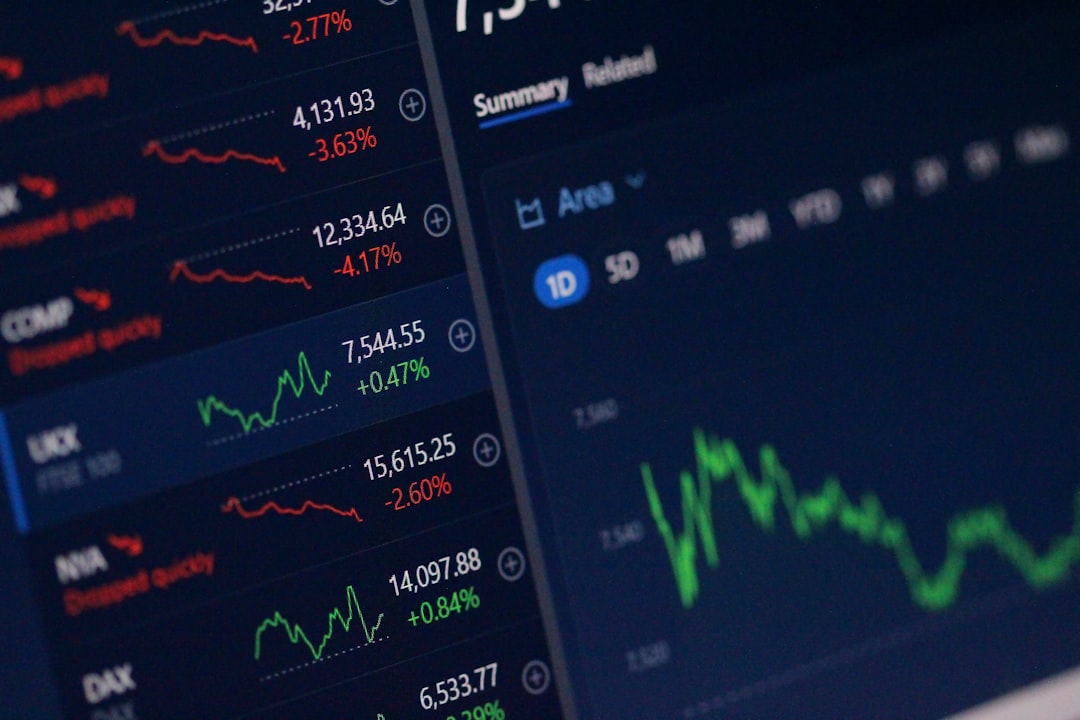
    With the IPO just days away, investors and advisors must remain vigilant. How SpaceX performs on the market will set a precedent for future space industry investments, potentially reshaping investor strategies in this emerging sector.