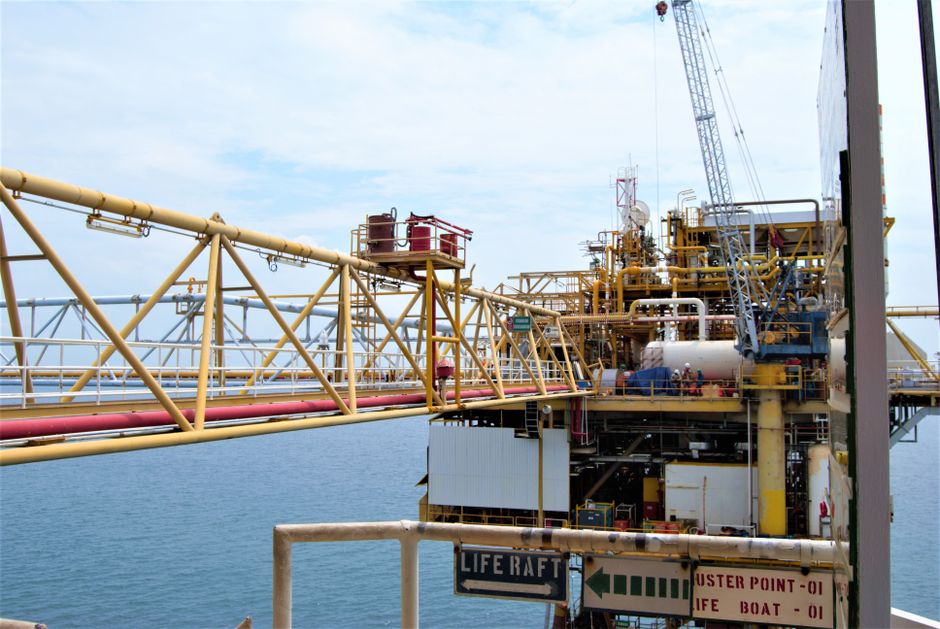
India — Oil India Ltd (OIL) has announced a significant investment of ₹15,000 crore for deepwater exploration over the next three years. This commitment was confirmed by Ranjit Rath, the Chairman and Managing Director (CMD) of OIL, during a press interaction on September 17, 2026. The investment aims to enhance the company’s offshore exploration capabilities across various regions, including the Andaman, Kerala-Konkan, Krishna-Godavari, and Mahanadi basins.
This capital expenditure reflects a strategic push by Oil India to strengthen its foothold in the deepwater and ultradeep-water exploration sector. As global energy demands rise, the need for innovative exploration techniques and technologies becomes increasingly critical. OIL’s investment positions it to meet these challenges head-on, potentially leading to job creation and advancements in technology for professionals in the oil and gas sector. This investment aligns with the broader industry trend of increasing capital expenditures, as noted by sources like Moneycontrol, which reported a 10% increase in Oil India’s capital expenditure for FY26, indicating a robust commitment to ramping up production and exploration efforts.
Surge in Demand for Subsea Technology Professionals
With the planned investment, there is an expected surge in demand for specialized skills in subsea technology. As Oil India embarks on this ambitious exploration initiative, engineers with expertise in subsea systems will be highly sought after. The company has undertaken seismic studies to identify potential drilling locations, which will require a skilled workforce adept at interpreting complex geological data. The Hindubusinessline highlighted that these seismic studies are crucial for determining the viability of drilling sites, emphasizing the importance of precise geological assessments in the success of deepwater projects.
Industry analysis indicates that this investment signals a trend toward deeper exploration, indicating a need for oil and gas engineers to enhance their technical skills in subsea systems. Engineers with experience in remotely operated vehicles (ROVs), underwater robotics, and advanced drilling technologies will find themselves in a favorable position as new projects commence. Furthermore, the increasing complexity of deepwater operations necessitates a collaborative approach among various engineering disciplines. Marine geologists, for example, will play a crucial role in assessing geological formations and ensuring that drilling operations are safe and efficient. The convergence of these disciplines will foster innovation and drive advancements in exploration technology.
In addition to technical skills, professionals will also need to stay updated on regulatory frameworks and environmental considerations associated with deepwater exploration. As the industry evolves, those who can navigate these complexities will be better positioned for success. The investment by Oil India is not merely a financial commitment; it also reflects a strategic vision to integrate cutting-edge technology into its operations, which is essential for maintaining competitiveness in the global market.
Job Opportunities in Marine Geology
The investment in deepwater exploration is likely to create numerous job opportunities in marine geology. As Oil India expands its exploration activities, the demand for marine geologists will increase significantly. These professionals will be tasked with studying the geological features of the seabed and evaluating the potential for oil and gas reserves. According to data from thehindubusinessline.com, Oil India has already initiated seismic studies that will inform drilling decisions. This process requires marine geologists to analyze geological data and provide insights that will guide exploration efforts. As a result, professionals in this field can expect a robust job market in the coming years.
Moreover, marine geologists will need to collaborate closely with engineers and other specialists to ensure that exploration activities are conducted safely and sustainably. This interdisciplinary teamwork will be essential in addressing the challenges associated with deepwater drilling, including environmental impacts and technological limitations. As the energy sector increasingly focuses on sustainable practices, marine geologists who can integrate environmental considerations into their assessments will be particularly valuable. This shift towards sustainability is expected to shape the future of job roles in marine geology.
Additionally, the anticipated growth in deepwater exploration will likely lead to the establishment of specialized training programs and educational initiatives aimed at equipping the next generation of professionals with the necessary skills. Educational institutions may collaborate with industry leaders to develop curricula that focus on the latest technologies and methodologies in marine geology and subsea engineering. This proactive approach will ensure that the workforce is prepared to meet the demands of an evolving industry.

As the energy sector continues to evolve, the implications of Oil India’s investment extend beyond immediate job creation. The integration of advanced technologies and the emphasis on sustainability will require professionals to remain agile and adaptable to the changing landscape of oil and gas exploration. The question remains: how will these changes influence the skills landscape for engineers and geologists in the coming years?
Frequently Asked Questions
What skills are needed for oil and gas exploration engineers in deepwater projects?
Oil and gas exploration engineers in deepwater projects need expertise in subsea systems, data analytics, and drilling technologies. Skills in interpreting geological data and operating advanced drilling equipment are also essential.
How can marine geologists prepare for upcoming opportunities in deepwater exploration?
Marine geologists can prepare by enhancing their knowledge of geological formations and seismic data interpretation. Gaining experience in interdisciplinary collaboration with engineers will also be beneficial.

What should subsea engineering specialists know about the latest technologies in deepwater drilling?
Subsea engineering specialists should stay updated on advancements in automated drilling systems and data analytics. Understanding how to integrate these technologies into exploration processes will be crucial for future success.
Leave a Reply