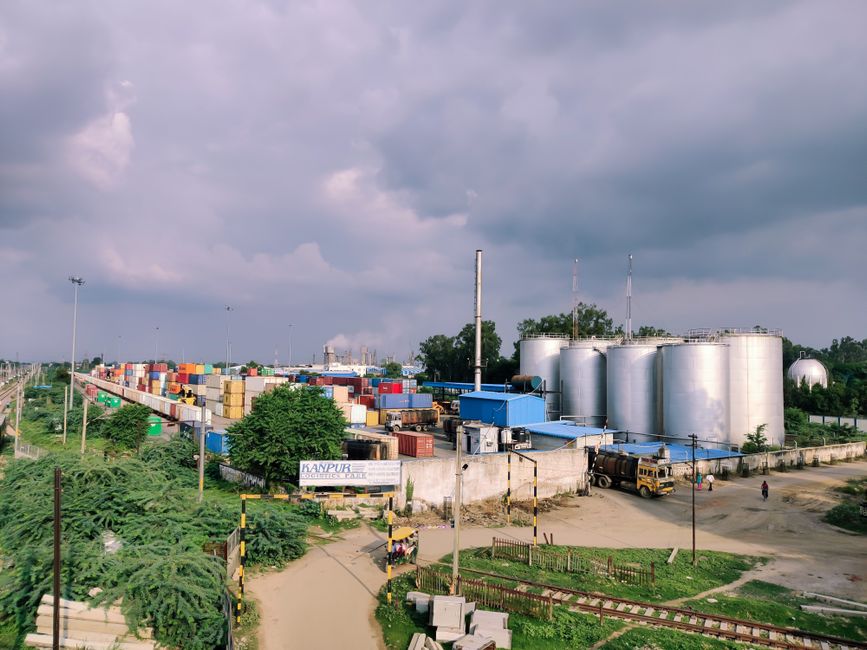
India has made a significant move to become a green energy exporter. The foundation stone for the country’s first port-based e-methanol plant was laid at Deendayal Port Authority in Kandla. This facility will produce 150 tonnes of e-methanol daily. It is a joint project between Deendayal Port Authority and Assam Petro-Chemicals Ltd. The plant aims to transform the shipping industry by providing cleaner fuel along a busy trade route.
The e-methanol plant will start operating in phases. The initial capacity of 50 tonnes per day is expected to be ready by January 2027. This ambitious project has a total investment of Rs 2,300 crore. It positions India as a potential leader in the global green fuel market. The plant aims to produce e-methanol at a much lower cost than global competitors. The Economic Times reports that the production cost is projected to be around $750 per tonne. This is significantly less than the global rate of $1,300 per tonne, which may attract international shipping companies seeking cost-effective and sustainable fuel options.
Emerging Job Opportunities in E-Methanol Production
The e-methanol plant will create many job opportunities for renewable energy engineers and other professionals. As demand for sustainable fuel sources grows, skilled workers will be needed to design, operate, and maintain these advanced facilities. Career Ahead’s analysis indicates that the plant is expected to generate over 3,500 direct and indirect jobs, highlighting the need for expertise in renewable fuel technologies.
Renewable energy engineers will lead this transition. They will need skills in chemical engineering, process optimization, and renewable energy systems. The plant will rely on renewable power, water, and biogenic CO2 for production. Engineers must integrate these resources into efficient production systems. This shift towards cleaner methods not only boosts job prospects but also aligns with global sustainability goals. The Ministry of Commerce emphasizes that this initiative supports a broader strategy to achieve $2 trillion in exports within five years, highlighting the role of green technologies in India’s economic future.
Additionally, the project supports India’s goal of achieving net-zero emissions by 2070, as stated by Prime Minister Narendra Modi. As the country invests in green technologies, renewable energy engineers will be in high demand. This demand will particularly focus on innovation and sustainability. The government’s push to expand India’s maritime sector includes plans to grow the merchant fleet and enhance shipping capabilities. Integrating e-methanol into the fuel mix will help facilitate this expansion, allowing shipping companies to operate more sustainably while meeting regulations.
As the e-methanol plant develops, shipping industry professionals must adapt to new fuel sources. Transitioning to e-methanol will require companies to rethink their fuel sourcing strategies. This change could lead to lower fuel costs over time. Shipping professionals can engage in developing and implementing cleaner fuel technologies. The Economic Times notes that the facility’s scalable modules will allow for phased increases in production, ensuring that e-methanol supply meets the shipping sector’s growing demand.
Wider Implications for the Shipping Industry and Economy
The launch of the e-methanol plant is a milestone for renewable energy. It also has significant implications for the shipping industry and the economy. By positioning India as a key player in the green fuel market, the project aligns with global efforts to reduce carbon emissions and combat climate change. The shipping industry, responsible for a large share of global greenhouse gas emissions, stands to gain from adopting cleaner fuels like e-methanol.
Furthermore, the project enhances India’s energy security by diversifying its fuel sources. The Ministry of Commerce states that India’s push for green energy is part of a larger strategy to achieve $2 trillion in exports within five years. The e-methanol plant plays a crucial role in this strategy by enabling the export of green fuels to international markets. This strengthens India’s position in global trade. Producing e-methanol at a competitive price could attract countries looking to adopt greener shipping practices.
The establishment of the e-methanol facility also supports ongoing efforts to expand India’s maritime capabilities. The government plans to add 100 new ships to its merchant fleet, which will need a steady supply of clean fuel. As shipping companies seek sustainable practices, the demand for e-methanol will likely increase. This creates a positive feedback loop that benefits both the environment and the economy. This initiative supports the shipping industry and fosters local job creation and community development in Kandla and surrounding areas. As the facility becomes operational, it will stimulate growth in related sectors like transportation, storage, and supply chain logistics. This holistic approach to green energy production fosters a sustainable ecosystem that drives long-term economic growth.
As the e-methanol plant begins operations, monitoring the impacts on fuel costs and shipping logistics will be essential. Transitioning to cleaner fuels may cause pricing fluctuations, influencing how shipping companies plan their logistics and operations. The success of this initiative could set a precedent for future green energy projects across India. It showcases the potential for sustainable practices in the maritime sector. Integrating e-methanol into the shipping fuel market could inspire other countries to invest in similar technologies, furthering global efforts to combat climate change and promote renewable energy.
Looking ahead, establishing the e-methanol plant marks a pivotal moment in India’s energy landscape. As the country moves towards a greener future, the implications for renewable energy engineers and shipping industry professionals will be significant. The ongoing evolution of fuel technologies and the demand for sustainable practices will shape the industry’s future.
Frequently Asked Questions
What skills are needed for renewable energy engineers in e-methanol production?
Renewable energy engineers in e-methanol production need skills in chemical engineering, process optimization, and renewable energy systems integration. These skills are vital for designing and operating efficient production facilities that use renewable resources.
How will the new e-methanol plant affect shipping fuel costs?
The e-methanol plant is expected to lower shipping fuel costs because of its competitive pricing at about $750 per tonne. This cost advantage may encourage shipping companies to adopt e-methanol as a primary fuel source, impacting overall logistics.

What should shipping industry professionals know about transitioning to green fuels?
Shipping industry professionals should be aware of the rising demand for cleaner fuels like e-methanol. They need to adapt their fuel sourcing strategies accordingly. Understanding this transition’s implications will be crucial for staying competitive in the changing market.
Leave a Reply