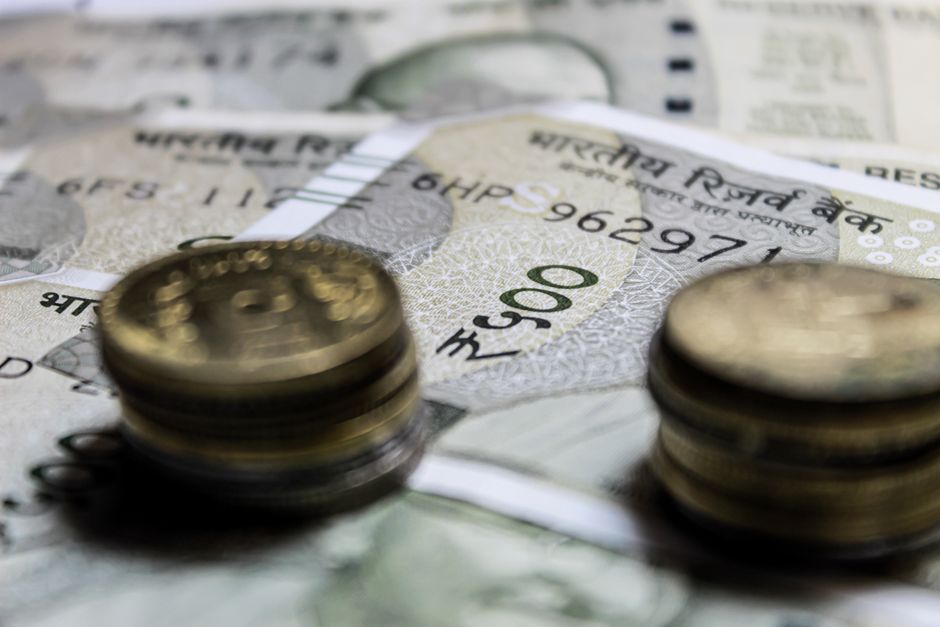
India is preparing for consecutive interest rate hikes as inflation risks increase. The Reserve Bank of India (RBI) is expected to announce rate increases at its upcoming meetings. This decision responds to ongoing inflationary pressures that worry economists and financial analysts.
The RBI’s choice to raise rates is influenced by several factors. Rising commodity prices and supply chain disruptions keep inflation above the RBI’s target range. This situation has led to a reassessment of monetary policy. The central bank aims to stabilize prices while supporting economic growth, which is a delicate balance. According to a recent Bloomberg report, the RBI’s actions directly respond to the growing inflationary environment, worsened by global economic conditions and domestic challenges.
Impact on Loan Interest Rates and Consumer Spending
As the RBI raises rates, financial analysts expect loan interest rates to increase. Higher rates usually mean higher borrowing costs for consumers and businesses. This can reduce spending and investment, especially in sectors like real estate and automobiles. The ripple effect could be significant, as higher costs may cause consumers to delay or skip major purchases, affecting overall economic momentum.
Career Ahead analysis finds that rising interest rates will likely slow consumer spending. Data from backtoindia.com shows many consumers may postpone large purchases due to higher financing costs. This could create a ripple effect throughout the economy. For banking professionals, this means a potential drop in loan origination volumes and a need to reassess risk management strategies. The expected rate hikes may also shift consumer behavior towards saving instead of spending, further impacting economic growth. As consumers cut back, businesses may see reduced revenues, leading to cost-cutting measures, including layoffs. This scenario presents challenges for economists tracking employment trends and overall economic health.
Moreover, the impact of these rate hikes is likely to extend beyond immediate consumer behavior. Analysts worry that prolonged high-interest rates could slow the economy. Businesses may reduce investments in growth initiatives. The construction and manufacturing sectors, which rely heavily on financing, could face significant challenges, potentially delaying projects and hiring. This could worsen existing economic vulnerabilities, especially as inflation continues to pose challenges.
Financial analysts must prepare for these changes by adjusting their forecasts and advising clients. They should focus on sectors that can withstand higher interest rates, such as utilities and consumer staples. These sectors usually perform better during economic tightening. Analysts should also monitor consumer sentiment closely, as changes in confidence could further influence spending patterns and economic resilience.
Predictions for Inflation Trends and Investment Strategies
The RBI’s strategy aims to control inflation, which has been a long-standing issue in the Indian economy. Projections show that inflation may remain high in the short term, driven by global commodity prices and domestic supply chain challenges. Career Ahead research suggests inflation could hover around 6-7% in the coming months. Economists and financial analysts must monitor this closely. Ongoing geopolitical tensions and oil price fluctuations are expected to add to this inflationary pressure, making vigilance essential for stakeholders.
Given these trends, investment strategies will need to change. Financial analysts should consider reallocating portfolios towards assets that perform well during inflationary periods, such as commodities and real estate. Sectors benefiting from higher interest rates, like financial services, may offer new opportunities for investors. Increased profitability in banks and financial institutions could make these sectors attractive, especially if they manage the risks of rising rates effectively.
Banking professionals, especially those in retail lending, will need to refine their customer engagement and product offerings. They might promote fixed-rate loans to consumers wary of fluctuating rates. This approach can provide stability amid economic uncertainty. According to plan.backtoindia.com, adapting to these changes is crucial for maintaining customer trust and ensuring business growth. Additionally, banks may need to enhance their digital offerings to meet the needs of a more cautious consumer base, focusing on transparency and value in their financial products.

Economists should also monitor government fiscal policies that may respond to these monetary changes. If inflation continues, the government might implement measures to support vulnerable sectors. This could further influence market dynamics and investment strategies. The interplay between fiscal and monetary policy will be critical in shaping the economic landscape. Both must work together to address the challenges posed by inflation and interest rate hikes.
As these rate hikes occur, the broader economic landscape will likely shift, impacting various stakeholders. Understanding these nuances will be essential for professionals navigating the changing market. The ability to anticipate market shifts based on these developments will be crucial for success in the coming months.
In summary, the upcoming rate hikes in India signal a major shift in monetary policy aimed at controlling inflation. For financial analysts, economists, and banking professionals, these changes will require a reevaluation of strategies and forecasts. Anticipating market shifts based on these developments will be vital for success in the near future.
Frequently Asked Questions
How will rate hikes impact my investment portfolio as a financial analyst?
Career Ahead analysis shows that rising interest rates may shift investment strategies. Analysts should consider reallocating assets towards sectors that perform better during inflationary periods, like commodities and real estate.
What inflation trends should economists be aware of in light of these rate hikes?
Economists should watch inflation rates, projected to stay elevated around 6-7% in the coming months. Understanding the drivers behind these trends is crucial for accurate economic forecasting.

What strategies should banking professionals adopt to mitigate risks from rising interest rates?
Banking professionals should promote fixed-rate loans to provide stability for consumers amid fluctuating rates. Additionally, refining risk management strategies will be essential as borrowing costs rise.
Leave a Reply