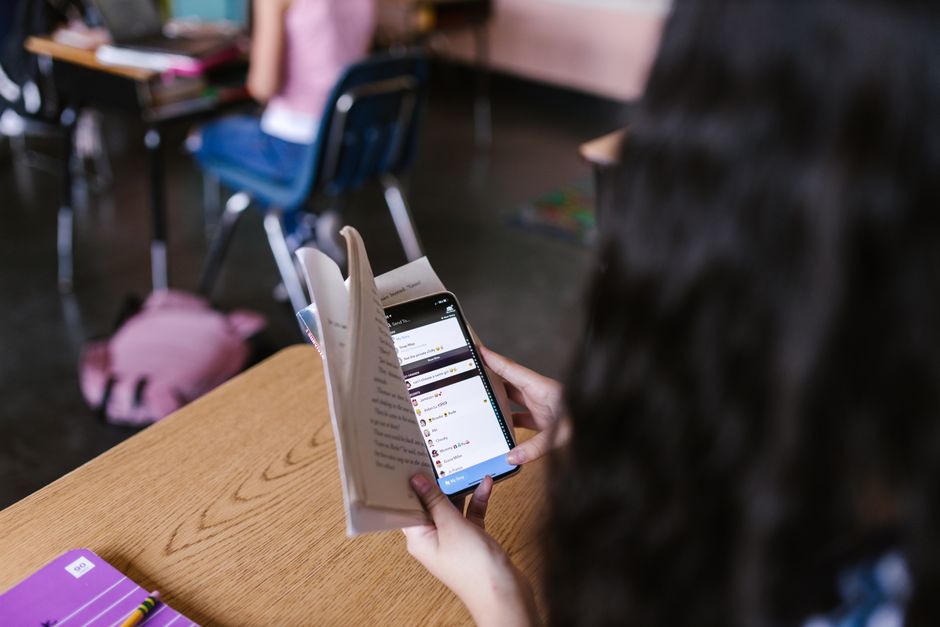
Mexico has announced a nationwide ban on cell phones in classrooms. This ban will take effect on November 3, 2026. The goal is to improve student focus and protect their mental health. President Claudia Sheinbaum and state education officials made this decision. It will affect primary and secondary schools across the country.
The ban prohibits the use of cell phones and tablets during school hours. This reflects growing concerns about excessive screen time’s impact on children. Education Minister Mario Delgado stated that this measure is crucial for mental health, learning, and human interaction. According to a report by Economic Times, this initiative is part of a global trend to address technology’s negative effects on youth.
Implications for Teaching Strategies in Mexico
This new policy will require significant changes in teaching methods for educators in Mexico. With students unable to use their phones, teachers must develop new ways to engage them. Traditional methods that relied on digital devices will need to be rethought. Teachers may need to include more hands-on activities and group discussions to keep students interested.
This shift could create a more interactive classroom environment. It can foster better communication and collaboration among students. The ban also gives educators a chance to innovate their teaching practices. As reported by El País, this move aligns with similar policies in other Latin American countries. Governments are recognizing the need to limit technology in education.
Teachers will be encouraged to explore alternative resources. These can include physical books and educational games. Such resources can enhance learning experiences without digital distractions. Additionally, the absence of phones may improve classroom management. Teachers can focus more on engaging students without interruptions from notifications and social media.
This could lead to a more disciplined learning environment. Students may be encouraged to participate actively in discussions and group projects. As educators adapt, professional development programs will be vital. These programs will equip teachers with the skills needed to create engaging, phone-free learning experiences.
Potential Effects on Student Mental Health
The mental health implications of the phone ban are significant. Research shows that excessive screen time can cause anxiety, depression, and other mental health issues in young people. By limiting phone access during school hours, the Mexican government aims to create a healthier environment for students. Studies indicate that face-to-face interactions can improve students’ emotional well-being.
The ban may encourage more social interaction among peers. This can foster a sense of community and belonging in schools. Moreover, the initiative reflects a growing recognition of the need for balance in children’s lives. By prioritizing mental health in education, Mexico sets a precedent that other countries may follow.
Career Ahead research suggests this policy could reduce cyberbullying incidents. Students will have fewer opportunities to engage in harmful online behaviors during school hours. This shift can promote a more positive school culture and enhance overall student safety.
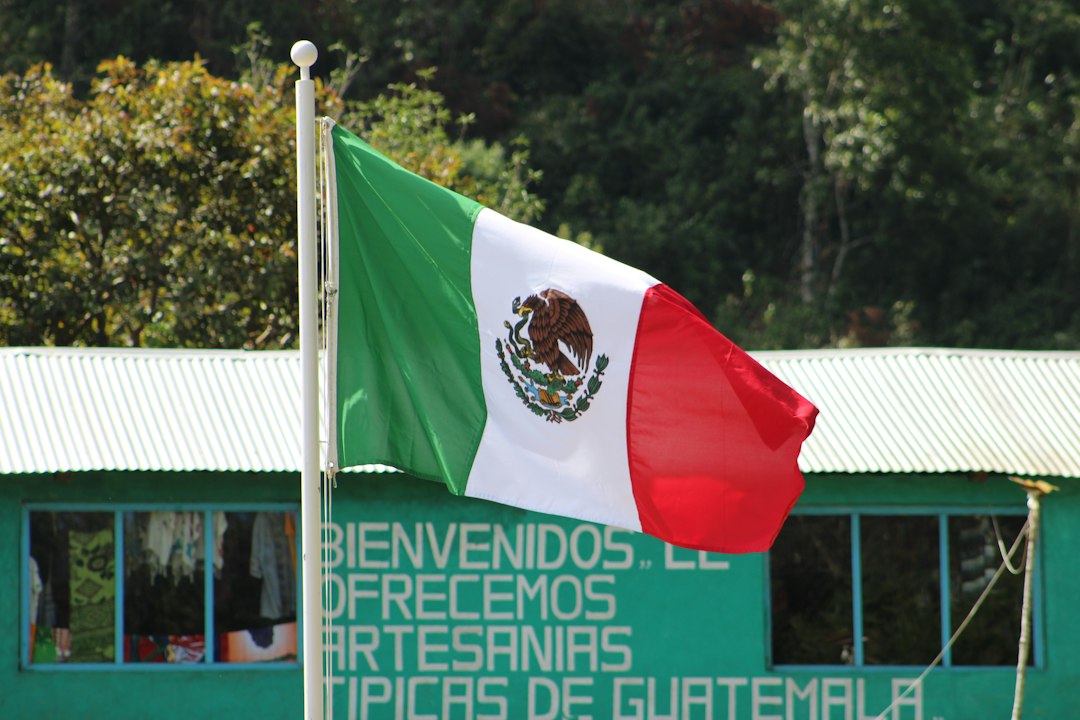
As schools implement this ban, monitoring its impact on student mental health and academic performance will be essential. Ongoing research will help understand the long-term effects of reduced screen time in education. Collaboration between educators, parents, and mental health professionals will be crucial. This teamwork will ensure students adapt positively to the new environment.
Ultimately, the success of this initiative depends on collaboration among educators, policymakers, and parents. By working together, they can create a supportive environment that fosters learning while addressing students’ mental health needs. The implementation of this ban raises important questions about technology’s future in education. As schools move forward, they must find a balance between using technology for learning and ensuring students’ mental health.
Frequently Asked Questions
What strategies can teachers use to adapt to the phone ban?
Teachers can implement more interactive activities, group discussions, and hands-on learning experiences. These methods engage students without relying on phones. Professional development programs may also help educators develop new teaching strategies.
How will this policy change affect education policy in Mexico?
This policy may prompt further discussions about technology use in education. It could encourage other countries to consider similar measures. It reflects a growing awareness of the importance of mental health in educational settings.

What should education policymakers consider when implementing phone bans?
Policymakers should consider the potential impact on student mental health and academic performance. They must also think about the need for support systems for educators. Ongoing research will be vital in assessing the effectiveness of such policies.
Leave a Reply