Category: Education & University Insights

  • On the First Day of School, a Test for Mamdani’s 2-K Program | Career Outlook

    On the First Day of School, a Test for Mamdani’s 2-K Program | Career Outlook

    The rollout of the 2-K program, aimed at expanding access to early childhood education, has faced significant funding delays. These delays have created operational challenges for child care providers across the United States, impacting enrollment and job security for early childhood educators. As the school year begins, the ramifications of these funding issues are becoming increasingly evident.

    The 2-K program, championed by Mayor Zohran Mamdani in New York City, is designed to provide free, full-day education for four-year-olds. However, reports indicate that funding for the program has not been fully disbursed, causing uncertainty for child care operators who rely on these funds for their operations. This situation is particularly concerning as parents prepare to enroll their children in the program, leaving many providers in a precarious position. The New York Times noted that the rollout of the 2-K program has been mired in funding delays, stressing child care operators at a pivotal moment.

    Enrollment Challenges Amid Funding Uncertainty

    As child care operators grapple with funding delays, the enrollment process for the 2-K program is becoming increasingly complicated. Many providers across the nation have reported that they cannot confidently accept new students without guaranteed funding. This uncertainty is causing parents to hesitate in enrolling their children, which could lead to lower participation rates in similar programs nationwide. A report from the New York Daily News highlighted that the first day of school for many children was overshadowed by these financial uncertainties, leaving both parents and providers anxious about the future.

    The funding delays are likely to lead to a ripple effect on staffing levels. Many child care providers are forced to make tough decisions regarding hiring and retention, which could impact the quality of education offered to children. If providers cannot secure the necessary funds, they may have to scale back their operations or even close their doors, exacerbating the existing child care shortage in the country. This is particularly troubling given the already strained resources in early childhood education, where the demand for quality care has surged in recent years.

    Additionally, the delays in funding have raised concerns about the long-term viability of the 2-K program. Early childhood education experts warn that if the program cannot secure stable funding, it may struggle to attract qualified educators. This could lead to a decline in the quality of education provided, ultimately affecting children’s developmental outcomes. The City and State NY reported on Mamdani’s first 100 days in office, emphasizing the critical need for a stable funding structure to support such initiatives.

    Job Security Concerns for Educators

    The funding delays are not only affecting child care operators but also raising significant job security concerns for early childhood educators. With many providers uncertain about their financial stability, educators are left wondering about their employment prospects. This uncertainty is causing anxiety among those who work in the field, as they rely on stable funding for their livelihoods. According to a report by the New York Daily News, educators are increasingly worried that funding issues could lead to layoffs or reduced hours. This situation is particularly concerning given the already high turnover rates in the early childhood education sector across the country.

    If educators feel insecure in their positions, it may lead to further attrition, which could have long-lasting effects on the quality of education offered in the U.S. Research indicates that the current climate of uncertainty could deter new talent from entering the field. Aspiring educators may be discouraged from pursuing careers in early childhood education if they perceive job security as a significant issue. This could create a talent gap in the sector, making it even more challenging for child care providers to find qualified staff.

    Furthermore, the emotional toll of job insecurity can impact educators’ performance and the overall learning environment for children. When educators are preoccupied with concerns about their employment, it can detract from their ability to focus on providing high-quality education. This situation underscores the need for immediate solutions to address funding delays and stabilize the workforce. As the nation looks for ways to resolve these funding challenges, the future of early childhood education hangs in the balance.
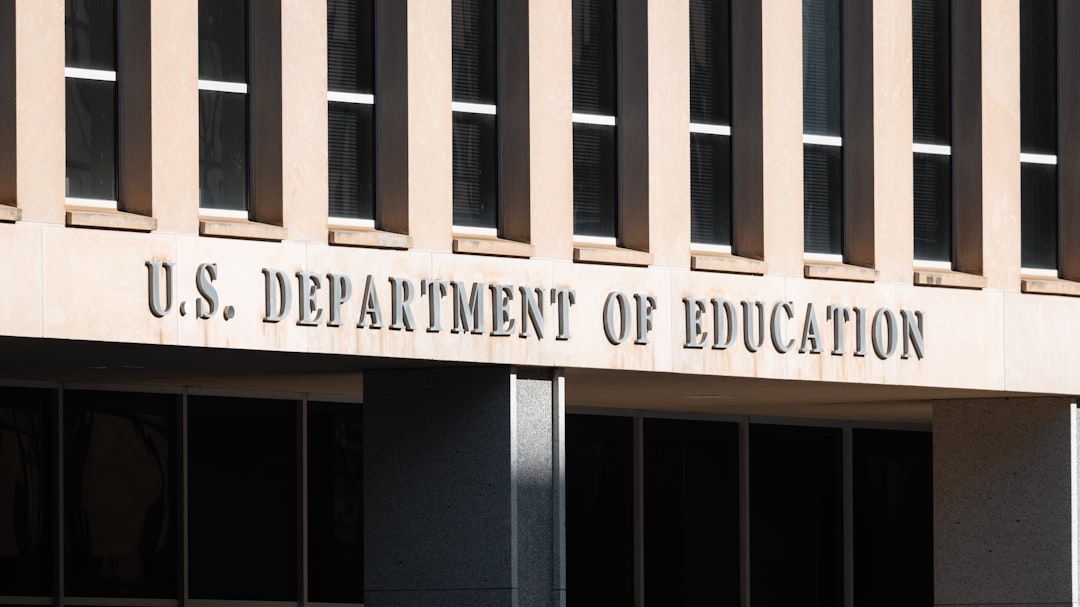
    On the First Day of School, a Test for Mamdani’s 2-K Program

    Urgent Call for Action

    As the situation unfolds, child care operators are left to navigate a complex landscape of uncertainty. Many are calling for immediate action from officials to address the funding issues and ensure that the 2-K program can fulfill its promise of providing quality early education to all children. The emotional toll on providers is palpable, as they balance the needs of families with their own operational realities.

    The implications of these funding delays extend beyond immediate operational challenges. The future of early childhood education in the United States is at stake, and the decisions made in the coming weeks will have lasting consequences for child care providers, educators, and the families they serve. As the nation navigates these turbulent waters, the hope remains that a resolution can be reached to support the vital work of early childhood education.

    Frequently Asked Questions

    What are the implications of 2-K funding delays for child care operators?

    Funding delays for the 2-K program create significant operational challenges for child care operators. Many providers are unable to accept new students without guaranteed funding, leading to lower enrollment rates and potential financial instability.

    On the First Day of School, a Test for Mamdani’s 2-K Program

    How can early childhood educators adapt to changes in the 2-K program?

    Early childhood educators may need to seek alternative employment opportunities or consider additional training to enhance their skills. As job security becomes a concern, staying informed about the funding situation and potential job openings will be crucial.

    On the First Day of School, a Test for Mamdani’s 2-K Program

    What should child care operators do about funding uncertainties in the U.S.?

    Child care operators should actively engage with officials and advocate for immediate solutions to address funding delays. Building a network with other providers can also help share resources and strategies to navigate this challenging situation.


  • Maharashtra Reviews 3x Fees for Institutional Quota Students

    Maharashtra Reviews 3x Fees for Institutional Quota Students

    Maharashtra, India — The state government has instructed the Fee Regulatory Authority (FRA) to reassess the controversial fee structure that charges three times the regular fees for institutional quota students and five times for NRI students in professional colleges. This decision follows numerous complaints from student representatives about the financial strain these fees impose.

    The review aims to tackle the escalating costs of education, particularly for students already facing significant financial challenges. This directive comes in response to a series of protests and appeals from various student organizations, emphasizing the need for a more equitable fee structure in the state’s educational institutions.

    Current Fee Structure Overview

    Under the existing system, students seeking admission through the institutional quota must pay fees that are three times higher than standard rates, while those under the NRI quota face fees that are five times higher. Established by the FRA in 2023, this fee structure has drawn considerable backlash from students and parents, who argue that it disproportionately impacts those struggling to afford higher education.

    A report by Hindustan Times indicates that the FRA’s fee caps were initially designed to help institutions manage their finances while ensuring access for students from various economic backgrounds. However, many students qualifying for institutional quotas often miss out on merit seats by a narrow margin, leaving them with limited options and a heavy financial burden. This disparity has forced many from lower-income families to choose between substantial debt or abandoning their educational aspirations.

    The financial implications of these high fees are profound. Many students and their families find themselves in debt or compelled to take out loans to cover costs. This situation is particularly dire for those from lower and middle-income families, who may lack the financial flexibility to accommodate steep tuition rates. The burden of these fees not only affects students’ immediate financial situations but also has long-term consequences on their career choices and quality of life post-graduation.

    As the Maharashtra government reviews this fee structure, it is essential to consider the impact on students under both the institutional and NRI quotas, as well as those admitted through merit. The current fee system helps subsidize costs for merit students, creating a delicate balance that could be disrupted by significant changes. The Maharashtra Institution for Transformation (MITRA) has expressed concerns that rolling back the fee structure could lead to reduced funding for institutions, ultimately affecting the quality of education provided to all students.

    Potential Changes and Their Impact

    The review of the fee structure could reshape the admissions landscape in Maharashtra’s professional colleges. If the government decides to roll back the threefold fee increase, it may lead to a more equitable system, allowing greater access for students currently priced out of educational opportunities. A more affordable fee structure could encourage a diverse range of applicants, enriching the educational environment.

    However, MITRA has raised concerns about how this rollback could affect the overall funding of educational institutions. Many colleges rely on the higher fees from institutional and NRI quotas to subsidize costs for merit students. A reduction in these fees could strain financial resources, potentially leading to cuts in services or resources available to all students. Policymakers must navigate the delicate balance between maintaining institutional viability and ensuring equitable access to education.

    Maharashtra Reviews 3x Fees for Institutional Quota Students

    Moreover, the decision may influence admission rates for professional courses. With lower fees, more students may be encouraged to apply, leading to increased competition for limited seats. This scenario raises questions about how institutions will manage the influx of applications and maintain quality education standards. Increased competition could also elevate admission standards, inadvertently disadvantaging some students already struggling to meet existing criteria.

    While the fee review aims to create a fairer system, it must also consider the financial viability of educational institutions. The balance between affordability for students and sustainability for colleges is delicate and requires careful navigation to avoid unintended consequences. As the FRA prepares to submit fee revision applications from private institutions by the end of October, stakeholders are keenly awaiting the outcomes of this review, which could set a precedent for educational policies across India.

    The implications of this review extend beyond immediate financial concerns. The outcome could influence how educational fees are structured across India, impacting policies in other states as well. Students, particularly those applying for professional courses, should stay informed about developments surrounding this fee review, as potential changes could affect their financial planning and college admissions choices. The ongoing discussions about educational affordability are part of a larger national dialogue about the value of higher education and its accessibility. As more students advocate for their rights and push for reforms, the government may face increasing pressure to ensure that education remains attainable for all.

    The upcoming months will be critical for students navigating this uncertain landscape. With significant changes on the horizon, stakeholders in the education sector must remain vigilant and proactive in advocating for fair and just policies. The Maharashtra government’s initiative to review the fee structure represents a significant step towards addressing the financial barriers many students face, underscoring the need for a comprehensive approach to educational reform that prioritizes both access and quality.

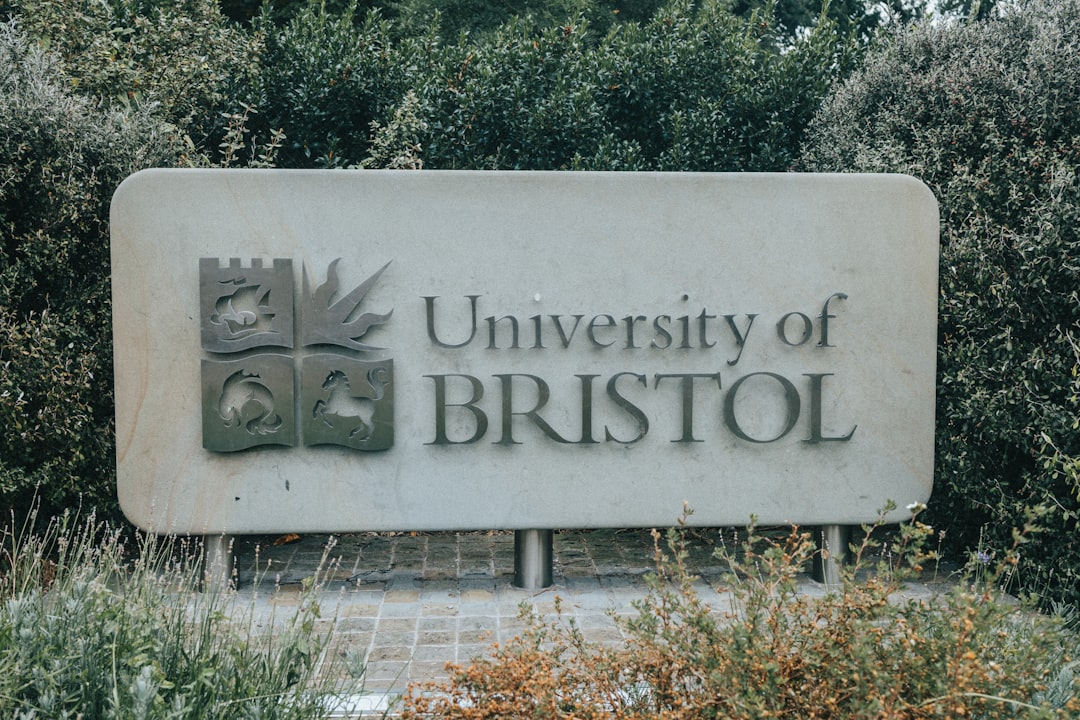
  • Bristol University Launches Mumbai Campus, Enrolls Students

    Bristol University Launches Mumbai Campus, Enrolls Students

    Mumbai, India — The University of Bristol has opened its Mumbai Enterprise Campus. The first group of students started on September 11, 2026. This is the university’s first international campus, located at Cignus Powai, near the Indian Institute of Technology (IIT) Bombay. The campus aims to improve educational access for Indian students who want UK qualifications. It also seeks to encourage collaboration with local institutions.

    The Mumbai campus is part of the University of Bristol’s strategy to establish a presence in India. This plan aligns with India’s National Education Policy, which promotes global partnerships and innovative teaching. The campus will offer programs in fields like data science, finance, economics, business management, immersive arts, and entrepreneurship. This diverse curriculum will meet local job market needs and give students a global perspective.

    Expanding Access to UK Education

    The University of Bristol’s Mumbai Campus Offers New Programs

    The Mumbai campus allows students to earn UK degrees without leaving India. Programs include a Master’s in Finance and Investment. This has attracted students like Neha Kushe, a scholarship recipient who switched from Physics to finance. Neha is excited about her new academic path and the confidence it has given her. The curriculum focuses on practical skills that are useful in the Indian market, ensuring graduates are job-ready.

    Besides finance, the campus will offer courses in data science and business management. These programs respond to the growing demand for skilled professionals in these areas. The University of Bristol has also included experiential learning in its programs. Students will engage in real-world projects and internships. This hands-on approach is vital in fields like data science, where practical experience is as important as theory.

    Additionally, the University of Bristol has created a Global Mobility program for selected undergraduate students. This allows them to study part of their degree at the main campus in the UK. This initiative enriches the educational experience by exposing students to different cultures and academic environments. A recent report from Career Ahead shows that such international exposure is increasingly valued by employers, making graduates more competitive in the job market.

    Career Ahead’s analysis indicates that this initiative reflects a trend of international universities opening campuses in India. This is driven by the rising demand for global education. The partnership with IIT Bombay is significant as it supports translational research and innovative teaching. This collaboration will bridge the gap between local and international educational standards. It is expected to foster a rich exchange of ideas and resources, benefiting both institutions and their students.

    Collaboration and Opportunities for Local Educators

    Impact on Local Educational Institutions and Research

    The University of Bristol’s Mumbai campus will create new collaboration opportunities for local educators and researchers. The partnership with IIT Bombay will facilitate joint research initiatives. This will enhance the quality of education and research output at both institutions. This collaboration aligns with India’s push for innovation in education, as outlined in the National Education Policy. The policy encourages partnerships between local institutions and international universities to improve educational quality and research capabilities. The University of Bristol’s presence in Mumbai supports these goals.

    Moreover, the campus is set to boost the local economy by attracting international students and researchers. This influx can create jobs in various sectors, including education, hospitality, and services. Local businesses may see increased demand for housing, transportation, and other services for a diverse student population. The expected growth in students will invigorate the local economy and create a vibrant community around the campus.

    Career Ahead research shows that the Mumbai campus will also give local educators access to international best practices and teaching methods. This exposure can improve the overall educational landscape in India, fostering innovation and excellence in teaching. By integrating global standards into local education, the University of Bristol aims to enhance the quality of higher education in the region, making it more competitive globally.

    Bristol University Launches Mumbai Campus, Enrolls Students

    The opening of the University of Bristol’s Mumbai campus brings significant career opportunities for graduates. With programs tailored to the Indian job market, students will be better prepared for jobs in high-demand sectors like data science, finance, and entrepreneurship. This alignment with industry needs is crucial for ensuring that graduates are not only academically qualified but also possess the skills that employers seek.

    As the demand for skilled professionals in emerging fields grows, graduates from the University of Bristol’s Mumbai campus will likely find many job opportunities. This development highlights the increasing importance of global education in shaping the future workforce. The launch of the Mumbai campus is about expanding educational offerings and creating a new ecosystem for learning and collaboration that benefits students, local institutions, and the broader economy.

    As higher education evolves, the success of the University of Bristol’s Mumbai campus may inspire other international institutions to expand into India. This could reshape the future of education in the region.

    Frequently Asked Questions

    What programs can international students pursue at the University of Bristol’s Mumbai campus?

    International students can pursue programs in data science, finance, economics, business management, immersive arts, and entrepreneurship. This range of programs meets the demands of the Indian job market.

    How will the Mumbai campus affect local higher education institutions?

    The Mumbai campus is expected to foster collaboration with local institutions like IIT Bombay. This will enhance research and teaching quality and align with India’s National Education Policy, promoting innovation and educational excellence.

    Bristol University Launches Mumbai Campus, Enrolls Students

    What career opportunities will be available for graduates from the Mumbai campus?

    Graduates will benefit from strong job placement prospects in sectors like data science and finance. A UK degree combined with local industry knowledge will give them a competitive edge in the job market.

  • How Interdisciplinary Skills Shape Sustainable Development Careers

    How Interdisciplinary Skills Shape Sustainable Development Careers

    Countries around the world are recognizing the urgent need for graduates equipped to handle complex global challenges. A recent report highlights that degrees in global sustainable development are vital for preparing students to tackle pressing issues such as climate change, social equity, and economic sustainability. These programs focus on developing interdisciplinary skills essential in our interconnected world.

    Dr. Stephanie Butcher and Dr. Ankit Kumar, educators at the University of Sheffield, emphasize the importance of understanding the links between society, economy, and environment. They argue that as sustainability challenges grow more complex, the demand for individuals who can think critically and collaborate across disciplines increases. This shift is significantly changing educational curricula and career paths.

    Interdisciplinary Skills: A Cornerstone of Sustainability Education

    Career Ahead’s analysis indicates that interdisciplinary skills are crucial for graduates in sustainable development. Traditional educational models often compartmentalize knowledge, limiting students’ ability to address complex issues effectively. Programs that integrate fields such as environmental science, social justice, and economics prepare students to think holistically about sustainability.

    For instance, addressing climate change necessitates scientific knowledge alongside insights into social policies and economic impacts. Graduates from interdisciplinary programs can analyze problems from various perspectives, enabling them to devise innovative solutions that conventional methods might overlook. Employers across diverse sectors increasingly seek this comprehensive skill set.

    Moreover, these programs emphasize critical thinking and ethical reflection, encouraging students to engage with the historical and cultural contexts of sustainability challenges. Understanding the impacts of colonialism and capitalism is vital for recognizing modern inequalities, which is crucial for developing effective and equitable solutions to global issues. According to a report from the Economic Times, graduates with these interdisciplinary skills are better prepared to contribute to a sustainable future, adept at navigating the complex web of social, economic, and environmental factors influencing global challenges.

    Experiential learning opportunities, such as fieldwork, internships, and community projects, allow students to apply their knowledge in real-world settings. These experiences not only enhance their technical skills but also develop the soft skills necessary for effective collaboration and communication. Employers value these competencies, as they are essential for driving impactful change in sustainability. Integrating hands-on experiences into curricula, as highlighted by Aii, is crucial for preparing students to face real-world sustainability challenges and devise practical solutions.

    Innovation: Driving Solutions for Sustainability

    Innovation plays a pivotal role in sustainability education, acting as a catalyst for developing new solutions to pressing global challenges. Career Ahead’s research shows that innovative thinking is essential for graduates aiming to make a meaningful impact in their fields. As sustainability issues become more intricate, traditional problem-solving methods may fall short.

    Emerging technologies, such as artificial intelligence and data analytics, offer new avenues for addressing environmental challenges. Graduates proficient in these tools can formulate more effective strategies for resource management, climate adaptation, and social equity. By integrating technology into sustainability education, students acquire the skills to leverage these innovations effectively. The ability to apply data-driven approaches is increasingly important, as organizations seek professionals capable of analyzing trends and making informed decisions based on evidence.

    Furthermore, the capacity to innovate is closely tied to collaboration. Sustainability challenges often require input from various sectors, including government, non-profits, and private enterprises. Graduates trained to work across these boundaries are better positioned to develop and implement effective, long-term solutions. As organizations prioritize sustainability, the demand for professionals who can drive innovation is critical, evident in industries such as finance, consulting, healthcare, and technology. Graduates with a solid foundation in sustainability and innovation will be in high demand.

    Preparing Graduates for Global Challenges in Sustainability

    In this context, educational institutions must cultivate a culture of innovation within their sustainability programs. Encouraging students to think creatively and challenge conventional ideas is essential for preparing them to tackle future challenges. A report from Stanford University notes that learning diverse approaches to sustainability is vital for developing a comprehensive understanding of the strategies needed to address global issues.

    Preparing for a Future in Sustainability

    As the landscape of sustainability evolves, those who can adapt and innovate will lead the way in creating solutions for a more equitable and sustainable world. Graduates in sustainable development are positioned to play a critical role in shaping the future. Their ability to navigate complex challenges will determine their success and impact in a workforce that values interdisciplinary skills and innovative thinking.

    Frequently Asked Questions

    What skills should graduates in sustainable development focus on?

    Graduates should focus on interdisciplinary skills that combine environmental science, social equity, and economic principles. Critical thinking and ethical problem-solving are also essential for addressing complex sustainability challenges.

    Preparing Graduates for Global Challenges in Sustainability

    How can educators adapt curricula to include sustainability and innovation?

    Educators can integrate experiential learning opportunities and interdisciplinary approaches into their curricula. Collaborating with industry and community organizations can provide students with practical experiences that enhance their understanding of sustainability issues.

    What are the emerging trends in sustainability education for graduates?

    Emerging trends include a greater emphasis on technology integration, interdisciplinary collaboration, and experiential learning. Programs are increasingly designed to prepare students for roles that require innovative thinking and a holistic understanding of sustainability challenges.

  • Schools are catching on to Big Tech’s playbook

    Schools are catching on to Big Tech’s playbook

    Schools in the United States are increasingly using curricula influenced by major tech companies, emphasizing coding and computer science. This shift is often driven by the promise of better job prospects for students. As these companies provide resources and support, the implications for curriculum independence and diversity grow more significant.

    Recent discussions show how tech companies are becoming essential partners in education. A report noted that educators quickly embrace these tech-backed programs, viewing them as crucial for preparing students for future jobs. However, this trend raises questions about how much corporate interests shape educational content.

    Corporate Influence on Educational Content

    Tech companies have long been involved in education, but their influence has grown recently. Natasha Singer reported that the tech industry has promoted computer science education for over 15 years, positioning themselves as vital resources for schools. This has led to a dependency on tech-provided resources, which may limit the diversity of curricula in classrooms. Singer’s research shows that tech companies craft a narrative around coding as a necessary skill, creating a perception that schools must adopt these programs to stay relevant.

    Career Ahead’s analysis finds that many schools are adopting coding programs from tech giants like Google and Microsoft. While these programs aim to equip students with valuable skills, reliance on specific corporate frameworks may limit educational scope. This raises ethical concerns, as schools may prioritize tech company agendas over a balanced educational approach. The idea that students must learn coding to succeed can overshadow other essential skills. As tech companies present their offerings as necessary for future jobs, educators may feel pressured to adopt these programs, sidelining diverse teaching methods. This creates an environment where corporate interests dictate what and how students learn.

    Moreover, integrating tech-driven curricula often lacks transparency regarding the materials provided. A recent report by AP News highlights that schools are grappling with the implications of digital device use, raising questions about whose interests are served in the classroom. Are students receiving a well-rounded education, or are they being prepared to fit into a corporate mold? The influence of tech companies goes beyond curriculum content; it also affects the teaching methods used, further entrenching corporate narratives.

    As schools adopt tech-driven curricula, educators must critically evaluate the content and methods presented. The risk of losing curriculum independence is a pressing concern. The educational landscape is becoming more intertwined with corporate agendas, requiring ongoing dialogue about tech companies’ roles in shaping educational outcomes.

    Challenges for Educators and Curriculum Developers

    The growing presence of tech companies in K-12 education offers both opportunities and challenges for educators. Access to resources and expertise from industry leaders can enhance learning experiences. However, educators must navigate the complexities of integrating these resources without compromising educational integrity. While tech companies often provide free resources, the goal may be to create dependency on their platforms, limiting educators’ choices.

    For curriculum developers, the challenge is balancing tech-driven content with a commitment to diverse educational practices. Tech companies’ free resources can tempt educators to rely solely on them. However, it is crucial for educators to maintain a critical perspective. Curricula should reflect a wide range of viewpoints and teaching methods, especially given experts’ concerns about a homogenized educational experience that prioritizes corporate interests over student needs.

    Additionally, educators should consider the long-term implications of adopting tech company resources. While these resources may offer immediate benefits, long-term dependency could stifle innovation and creativity in curriculum development. By prioritizing a balanced approach, educators can foster an environment that encourages critical thinking and diverse perspectives. They must also remain vigilant about the ethical considerations surrounding corporate influence in education. As tech companies play a larger role, it is essential to question whose interests are being served.

    Schools are catching on to Big Tech’s playbook

    Future Directions in Education

    The educational landscape may see a more pronounced division between tech-driven curricula and traditional approaches. This could lead to students being trained in specific technologies at the expense of broader educational goals. The implications of this shift will affect classrooms and the workforce as students enter a job market influenced by tech company priorities. Ultimately, as tech companies continue to shape K-12 education, educators and curriculum developers must critically assess the materials and methods adopted. The future of education will depend on their ability to navigate this evolving landscape while prioritizing students’ needs and interests.

    Frequently Asked Questions

    What resources are available for integrating coding into K-12 education?

    Many tech companies offer free resources and curricula for coding education, which can help educators enhance their teaching materials and provide students with essential skills.

    Schools are catching on to Big Tech’s playbook

    How can curriculum developers balance tech company influence with educational integrity?

    Curriculum developers must critically evaluate the content provided by tech companies to ensure it aligns with diverse educational practices, balancing tech-driven resources with traditional approaches.

    What should computer science teachers consider when adopting tech company-provided materials?

    Computer science teachers should assess the long-term implications of using tech company materials and consider how these resources align with broader educational goals, maintaining a critical perspective on corporate influence.

  • Indian-Origin Couple Funds $20 Million AI College

    Indian-Origin Couple Funds $20 Million AI College

    Texas, USA — An Indian-origin couple, Anuradha and Vikas Sinha, has donated $20 million to the University of North Texas (UNT). This donation will create a new college focused on artificial intelligence (AI) and advanced analytics. Their goal is to improve education and research in AI, meeting the rising demand for skilled professionals.

    The donation will establish the Anuradha and Vikas Sinha College of Artificial Intelligence and Advanced Analytics. This college will cover various aspects of AI, such as data science, cybersecurity, and health informatics. This initiative is timely, as industries increasingly need professionals with advanced AI skills. A report from Mint states that this college responds to the urgent need for educational programs that keep up with rapid technology advancements.

    New AI Programs and Curriculum Developments

    The new college will have two main academic divisions: the Division of Applied Intelligence and Informatics and the Division of Information and Learning Applications. Each division will focus on different AI aspects and applications. The curriculum will be interdisciplinary, combining insights from computer science, engineering, and social sciences for a well-rounded education.

    The Division of Applied Intelligence and Informatics will develop and apply intelligent systems. Meanwhile, the Division of Information and Learning Applications will study how information interacts with these systems and their effects on people and institutions. This dual focus aims to produce graduates who understand both the technical and human aspects of AI. The college will also stress the importance of ethical considerations in AI, a growing concern today.

    Additionally, the college will include the Applied Artificial Intelligence and Data Science Institute. This institute will promote research and collaboration between academia and industry. It will serve as a hub for interdisciplinary projects, allowing students and researchers to work with industry partners on real-world AI challenges. The Ministry of Culture notes that such collaborations are vital for fostering innovation and keeping academic programs relevant to industry needs.

    Career Ahead’s analysis suggests that the new curriculum will likely include specializations in machine learning, natural language processing, and data analytics. These areas are essential, as companies increasingly rely on AI for decision-making and innovation. With this college, students will gain hands-on experience and develop skills that meet industry needs. Practical projects will prepare students for the complexities of AI applications across various sectors.

    Moreover, the funding will support six endowed scholarships to promote leadership and innovation within the college. These scholarships will attract top talent and encourage diverse students to pursue AI careers. The Sinha couple aims to create pathways for underrepresented groups in technology, ensuring a diverse and inclusive future workforce.

    As the demand for AI professionals grows, this new college at UNT will help graduates compete in a fast-changing job market. The blend of practical experience and academic knowledge will be crucial for students entering this field. The college’s focus on a responsive curriculum will ensure that graduates can meet the challenges of a technology-driven economy.

    Opportunities for Collaboration Between Industry and Academia

    The Anuradha and Vikas Sinha College of Artificial Intelligence and Advanced Analytics will create many collaboration opportunities between industry and academia. As AI’s importance grows in various sectors, partnerships between educational institutions and businesses are becoming vital. The Applied Artificial Intelligence and Data Science Institute will be key in fostering these collaborations. By connecting students, faculty, and industry professionals, the institute will bridge the gap between theory and practice. This approach will enhance students’ educational experiences and prepare them for the workforce.

    Additionally, the college will emphasize responsible technology use as a core part of its mission. Vikas Sinha highlighted the need to equip students to understand AI’s ethical implications. This focus aligns with global trends in technology development, where ethical considerations are increasingly prioritized. As noted by the BBC News, understanding AI’s societal impacts is crucial for future leaders in the field.

    Research from Career Ahead shows that interdisciplinary programs are essential as industries seek professionals who can tackle complex AI challenges. The collaboration between UNT and industry partners will likely lead to innovative solutions and research breakthroughs. This will enhance the university’s reputation as a leader in AI education. As the college develops its programs, students can expect to engage in projects that address real-world problems, providing invaluable experience and networking opportunities. This hands-on approach will be vital for their future careers in tech.

    Indian-Origin Couple Funds  Million AI College

    The establishment of this college also reflects a broader trend in private funding for education, especially in technology fields. As more individuals and companies recognize the importance of investing in education, similar initiatives are likely to emerge across the country. This trend enhances educational opportunities and addresses the skills gap in the workforce, ensuring graduates meet the demands of an AI-driven job market.

    The Sinha couple’s donation shows how private contributions can significantly impact educational institutions. It enables them to adapt to changing industry needs and prepare students for future challenges. With the Anuradha and Vikas Sinha College of Artificial Intelligence and Advanced Analytics, UNT is poised to shape the future of AI education and research. As this college develops its curriculum and partnerships, monitoring these programs’ evolution and their job market impact will be crucial.

    Frequently Asked Questions

    What AI specializations will be available for students at the new college?

    The new college will offer specializations in machine learning, data analytics, and natural language processing. These programs aim to meet the growing demand for skilled professionals in AI.

    How will this funding impact research opportunities for university researchers?

    This funding will enhance research capabilities by supporting interdisciplinary projects and collaborations with industry partners. Researchers will access resources that facilitate innovative solutions to real-world AI challenges.

    Indian-Origin Couple Funds  Million AI College

    What should AI engineering students focus on to align with the new curriculum?

    AI engineering students should develop skills in machine learning and data science, as these areas will be integral to the new curriculum. Hands-on experience and collaboration with industry will also be emphasized.

  • IIT Fellowships Offer Up to Rs 3 Lakh Monthly | Career Outlook

    IIT Fellowships Offer Up to Rs 3 Lakh Monthly | Career Outlook

    India’s top engineering schools, the Indian Institutes of Technology (IITs), will enhance their scholarships in 2026. Several IITs, like IIT Kanpur and IIT Kharagpur, are introducing new financial support options. These include monthly fellowships and increased annual scholarships. The goal is to lessen the financial burden on students and make higher education more accessible.

    The new scholarships offer significant financial aid, with amounts up to Rs 3 lakh per year. For example, IIT Kanpur’s Bright Minds Scholarship awards Rs 3 lakh annually to students ranked in the top 100 of the JEE Advanced exam. This support can greatly reduce financial stress for families and students pursuing engineering and technology degrees. According to a report by News18, these scholarships are part of a larger strategy to improve educational access and equity for aspiring engineers in India.

    New Monthly Fellowships and Increased Support

    IIT Kharagpur has launched the Director Platinum Jubilee Excellence Fellowship (DPEF) for its 75th anniversary. This fellowship targets high-achieving candidates in national-level entrance exams like GATE and JAM. Eligible PhD candidates can receive Rs 80,000 per month for the first two years, increasing to Rs 90,000 for the next three years, based on meeting specific criteria. This initiative encourages students to pursue higher education and eases their financial worries.

    Additionally, candidates who rank in the top 50 in GATE 2026 or JAM can benefit from this fellowship. This shows IIT’s commitment to supporting academic excellence. The DPEF is important as it highlights IIT Kharagpur’s dedication to fostering research and innovation, which are vital for India’s technological growth. IIT Kanpur also provides significant financial help through its Bright Minds Scholarship for top JEE Advanced rankers. Students in the top 100 can receive Rs 3 lakh per year, covering tuition and living costs. This support is crucial for students facing financial barriers to attending one of India’s leading engineering schools.

    Moreover, IIT Roorkee offers the James Thomson Scholarship, providing Rs 25,000 per month to students with an All India Rank of up to 250 in JEE Advanced. This scholarship requires recipients to maintain a CGPA of at least 8.0 to continue receiving support. Such initiatives are key in creating a competitive yet supportive educational environment. As Buddy4study highlights, these scholarships not only provide financial relief but also motivate students to excel academically, fostering a culture of achievement within these prestigious institutions.

    These new financial aid structures reflect a trend among IITs to enhance accessibility and support for students. By providing substantial financial resources, these institutions aim to attract and retain top talent. The increasing availability of these scholarships is expected to draw a more diverse student body, enriching the educational experience for all.

    Impact on Student Debt and Financial Independence

    The new scholarships and fellowships will likely have a major impact on student debt and financial independence among IIT students. With rising education costs, many students face heavy financial burdens. These support systems can help ease those pressures, allowing students to focus more on their studies. Career Ahead’s analysis shows that financial aid from IITs can lead to higher enrollment rates among economically disadvantaged students. As scholarships become more accessible, students may take on less debt, promoting greater financial independence. This change is crucial as many students worry about the long-term effects of student debt on their careers.

    Furthermore, the availability of monthly fellowships encourages students to pursue advanced degrees, like PhDs, without fearing financial instability. This can create a more educated workforce, essential for India’s growth in technology and innovation. By investing in students today, IITs are building a stronger economy for tomorrow. The focus on merit-based scholarships ensures that financial support goes to those who show academic excellence. This approach motivates students to perform well and fosters a culture of achievement at these prestigious institutions. As more students succeed, the overall reputation and quality of education at IITs are likely to improve.

    In summary, the financial support options for IIT students in 2026 will reshape higher education in India. By lowering financial barriers, these initiatives promote academic excellence and empower students to chase their dreams without financial worries. As these changes unfold, it will be important to monitor their effects on student enrollment and retention rates at IITs. The ongoing adjustments in scholarship offerings may inspire other educational institutions to rethink their financial aid programs, potentially leading to a broader shift in higher education across India.

    IIT Fellowships Offer Up to Rs 3 Lakh Monthly | Career Outlook

    Frequently Asked Questions

    What are the eligibility criteria for IIT scholarships in 2026?

    Eligibility for IIT scholarships varies by program. Generally, students must achieve high ranks in entrance exams like JEE Advanced or GATE and maintain specified academic performance throughout their studies.

    How can IIT students apply for the new monthly fellowships?

    Students can apply for monthly fellowships through the ongoing admission processes at their respective IITs. For example, IIT Kharagpur’s DPEF does not require a separate application; eligible candidates can apply through the PhD admission process.

    IIT Fellowships Offer Up to Rs 3 Lakh Monthly | Career Outlook

    What financial planning strategies should IIT students consider with these new scholarship options?

    IIT students should assess their financial needs and plan their budgets accordingly. With new scholarships and fellowships available, students can prioritize their academic expenses and reduce reliance on loans, fostering greater financial independence.

  • How Delhi University’s Hostel Expansion Affects Students

    How Delhi University’s Hostel Expansion Affects Students

    Delhi University plans to more than double its hostel capacity. The number of seats will increase from 3,422 to 12,754 with the addition of 5,544 new beds. This expansion aims to meet the growing demand for student accommodation at the university and its affiliated colleges. Construction is expected to finish soon, with several projects already in progress.

    This initiative responds to the rising number of students enrolling in higher education. As more students seek education, the need for adequate housing grows. The expansion includes 3,922 new seats at the university and an additional 1,622 seats at its colleges, raising the total to 5,410 at the college level.

    Addressing Housing Demand for Students

    The decision to increase hostel capacity comes as Delhi University sees a surge in student enrollment. More students are seeking higher education, putting pressure on existing accommodation facilities. The additional 5,544 beds will provide much-needed relief and improve living conditions for both undergraduate and postgraduate students.

    According to newindianexpress.com, the expansion will include various types of accommodations. This includes a 1,450-seat Institute of Eminence hostel and a 1,000-seat women’s hostel named Nirbhaya Residential Accommodation. These additions aim to meet diverse student needs, ensuring more individuals have access to safe and comfortable living arrangements.

    Career Ahead’s analysis shows that this expansion is a proactive response to the growing demand for student housing. With more students in Delhi, the university is taking significant steps to ensure adequate facilities are available. This move addresses immediate housing needs and prepares for future growth in student enrollment.

    Furthermore, the university has urged colleges to evaluate their residential facilities and explore new hostel construction opportunities. This initiative aims to ensure that all colleges within the university system can provide quality accommodation for their students, enhancing the overall educational experience.

    As the demand for student housing rises, the expansion of Delhi University’s hostel facilities represents a crucial step in meeting the needs of its diverse student body. The university’s commitment to improving living conditions will likely enhance student retention and satisfaction.

    Implications for Student Living Conditions

    The increase in hostel capacity at Delhi University is expected to greatly improve living conditions for students. Many students currently struggle to find affordable and suitable accommodation, which can lead to stress and distractions from their studies. With more beds available, students will have better access to housing options that meet their needs.

    The expansion of hostel facilities is also likely to create a sense of community among students. Living in university-hosted accommodations can enhance social interactions, networking opportunities, and a supportive environment for academic success. This is especially important for new students adjusting to university life.

    Based on tribuneindia.com, the university is prioritizing the completion of ongoing projects to ensure new facilities are ready as soon as possible. This urgency shows the administration’s understanding of the critical role housing plays in the overall student experience.

    How Delhi University’s Hostel Expansion Affects Students

    Moreover, the expansion aligns with broader trends in higher education. Institutions are increasingly recognizing the importance of student well-being. Providing adequate housing is not just about shelter; it creates an environment that supports academic and personal growth.

    As Delhi University develops its hostel infrastructure, it sets an example for other educational institutions in India. The focus on expanding student accommodation can inspire similar initiatives across the country, highlighting the need for universities to adapt to changing student demographics and expectations.

    Ultimately, the implications of this expansion go beyond just numbers. They signify a commitment to enhancing the quality of life for students, which can lead to better academic outcomes and overall satisfaction with the university experience.

    Future Prospects for Student Accommodation

    The future of student accommodation at Delhi University looks bright with the planned expansions. As the university continues to grow, the demand for housing will likely stay high. This ongoing need presents opportunities for further development and innovation in student living arrangements.

    Career Ahead has noted that as new hostels are completed, the university must implement effective management strategies. This includes considering factors like pricing, accessibility, and amenities offered to students.

    Additionally, the university’s approach to expanding its hostel capacity may influence national policies on student accommodation. As other institutions see the positive impact of increased housing options, there may be a shift in how universities across India handle their accommodation challenges.

    How Delhi University’s Hostel Expansion Affects Students

    In conclusion, the expansion of Delhi University’s hostel capacity is a significant development that addresses the immediate needs of its student population. However, it also raises questions about how these changes will shape the future of student living in Delhi and beyond. Will other universities follow suit, and how will this impact the overall landscape of higher education in India?

    Frequently Asked Questions

    What are the new hostel facilities available for Delhi University undergraduates?

    Delhi University is adding 5,544 new beds, bringing total hostel capacity to 12,754 seats. New facilities include a 1,450-seat Institute of Eminence hostel and a 1,000-seat women’s hostel.

    How can postgraduate students apply for the new hostel beds at Delhi University?

    Postgraduate students can apply for the new hostel beds through their respective colleges. The university administration will provide guidelines on the application process once the new facilities are ready for occupancy.

    How Delhi University’s Hostel Expansion Affects Students

    What should Delhi University students consider when choosing accommodation options?

    Students should consider factors like location, cost, and amenities when selecting accommodation. With the expansion of hostel facilities, students will have more choices to find a living arrangement that suits their needs.

  • Who Will Enforce the New A.I. Rules? Probably Teachers. | Career Outlook

    Who Will Enforce the New A.I. Rules? Probably Teachers. | Career Outlook

    City, US — New A.I. regulations have been introduced to limit the use of artificial intelligence in elementary and middle schools. As part of this initiative, teachers are now expected to enforce these rules, which has raised questions about their preparedness and the impact on classroom management. The new guidelines, effective immediately, aim to create a more controlled learning environment amidst growing concerns about the influence of A.I. on student learning.

    The shift in enforcement responsibilities comes at a time when digital devices are becoming increasingly prevalent in classrooms. Many educators are struggling to manage the balance between utilizing technology as a teaching tool and ensuring that it does not hinder student engagement or learning outcomes. This new directive places additional pressure on teachers, who must now navigate both the educational and regulatory landscapes. According to a report from the University of Tennessee, teachers are feeling the weight of these new responsibilities, with many expressing concerns about their ability to effectively monitor A.I. usage without clear guidelines.

    Challenges in Enforcing A.I. Restrictions

    Teachers face significant challenges in enforcing the new A.I. restrictions in classrooms. The lack of clear guidelines on how to effectively monitor and manage student use of technology complicates their ability to adhere to these new policies. According to Career Ahead’s analysis of data from the University of Tennessee, many educators feel unprepared to handle the complexities of A.I. usage among students, which can lead to confusion and inconsistency in enforcement. The report highlights that nearly 65% of teachers surveyed reported feeling inadequately trained to address A.I. misuse, indicating a pressing need for professional development in this area.

    Furthermore, the introduction of these regulations may require teachers to adapt their teaching methods significantly. As noted by EdTech Institute, the reliance on digital devices for educational purposes has increased, making it difficult for teachers to restrict their use without compromising the quality of instruction. This duality presents a dilemma for educators: how to maintain engagement while adhering to new rules that limit technology. The EdTech Institute emphasizes that teachers must find innovative ways to integrate technology responsibly, ensuring that it enhances rather than detracts from the learning experience.

    The enforcement of A.I. restrictions also raises concerns about equity and access. Not all students have the same level of access to technology outside of school, which can create disparities in learning opportunities. Teachers must consider these factors when implementing new policies, as outlined in research from WJPitch.com, which emphasizes the importance of equitable access to educational resources. The challenge lies in ensuring that all students can participate fully in classroom activities, regardless of their technological background. This disparity can lead to frustration among students who may feel penalized for circumstances beyond their control.

    Moreover, if students violate A.I. usage policies, teachers may need to implement disciplinary actions, which could further complicate their roles. The need for clear protocols and support systems is essential to help educators navigate these challenges effectively. Without such support, teachers may feel overwhelmed and unsure of how to proceed, leading to inconsistencies in policy enforcement. The lack of a standardized approach to handling violations can create an environment of confusion, where students may not fully understand the consequences of their actions.

    Impact on Teaching Methods and Classroom Dynamics

    The new A.I. regulations are poised to change teaching methods fundamentally. As teachers grapple with the enforcement of these restrictions, they may need to rethink their approach to lesson planning and classroom management. Career Ahead’s analysis finds that teachers will increasingly need to incorporate digital literacy into their curricula to help students understand the implications of A.I. technology and its responsible use. This shift not only requires teachers to adapt their lesson plans but also to engage in continuous learning about emerging technologies themselves.

    Additionally, the focus on A.I. restrictions may shift classroom dynamics. Teachers may find themselves spending more time on compliance and monitoring than on teaching, which could detract from the overall educational experience. As highlighted by research from EdTech Institute, the challenge will be to strike a balance between enforcing rules and fostering a creative and engaging learning environment. This balancing act is critical, as excessive focus on compliance can stifle creativity and hinder the development of critical thinking skills among students.

    The potential for increased teacher training on A.I. policies is also a critical aspect of this transition. Schools may need to invest in professional development to equip teachers with the skills and knowledge necessary to enforce these new regulations effectively. This training could cover topics such as recognizing A.I. misuse, understanding the implications of technology in education, and developing strategies for integrating A.I. discussions into the curriculum. As noted in the report from EdTech Institute, ongoing professional development will be essential to ensure that teachers feel confident in their ability to navigate the complexities of A.I. in the classroom.

    Who Will Enforce the New A.I. Rules? Probably Teachers. | Career Outlook

    As these changes unfold, the role of teachers will likely evolve. They will need to become not only educators but also advocates for responsible technology use among students. This shift may require a redefinition of their responsibilities and a greater emphasis on fostering a culture of digital citizenship within the classroom. Teachers will be tasked with guiding students through the ethical implications of technology, helping them to develop a nuanced understanding of how A.I. impacts their lives and society at large.

    Ultimately, the enforcement of A.I. restrictions presents an opportunity for educators to lead discussions about the ethical implications of technology in education. By guiding students through these conversations, teachers can help them develop critical thinking skills and a deeper understanding of the role A.I. plays in their lives. This proactive approach can empower students to engage with technology thoughtfully and responsibly, preparing them for a future where A.I. will be an integral part of their personal and professional lives.

    As the landscape of education continues to evolve, the implications of A.I. regulations will likely extend beyond immediate enforcement challenges. The ongoing dialogue about technology’s role in the classroom will shape future policies and practices. Career Ahead’s analysis suggests that as schools adapt to these changes, they may also need to reconsider their overall approach to technology integration.

    The future of A.I. in education will depend on how effectively teachers can navigate these new rules and foster a positive learning environment. With the right support and resources, educators can turn these challenges into opportunities for growth and innovation in their teaching practices. Looking ahead, it is essential to monitor how these regulations will affect student learning outcomes. Will students adapt to the restrictions, or will they find ways to circumvent them? The answers to these questions will be crucial in determining the long-term impact of A.I. policies in education.

    As schools continue to implement these regulations, the role of teachers as enforcers will likely remain a topic of discussion. The balance between maintaining educational integrity and ensuring compliance will be a delicate one. As this dynamic unfolds, the education sector must remain vigilant in addressing the challenges and opportunities that arise from the integration of A.I. in classrooms.

    Frequently Asked Questions

    What are the new A.I. rules for elementary schools?

    The new A.I. rules prohibit the use of artificial intelligence in elementary and middle schools, requiring teachers to enforce compliance. These regulations aim to create a more controlled learning environment.

    How can middle school teachers manage digital device usage?

    Middle school teachers can manage digital device usage by implementing clear guidelines and monitoring student behavior. Training and support on A.I. policies will also be essential for effective enforcement.

    Who Will Enforce the New A.I. Rules? Probably Teachers. | Career Outlook

    What should teachers do if students violate A.I. usage policies?

    If students violate A.I. usage policies, teachers should follow established protocols for disciplinary actions. It is crucial to have clear guidelines to ensure consistency in enforcement.

  • Microsoft Reaches Pact With Teachers Union to Keep AI in the Classroom

    Microsoft Reaches Pact With Teachers Union to Keep AI in the Classroom

    Microsoft has made a formal agreement with a teachers union. This agreement aims to improve the use of artificial intelligence (AI) tools in classrooms across the United States. Announced on September 10, 2026, the initiative will help educators integrate AI technologies into their teaching methods.

    This agreement comes at a crucial time. Educational institutions are looking for new ways to engage students and improve learning outcomes. As AI tools become more popular, the education system must adapt. The partnership between Microsoft and the teachers union shows the potential benefits of AI in education. It also sets a standard for future collaborations between tech companies and schools.

    Transforming Teaching Methodologies with AI

    Integrating AI tools in K-12 education is expected to change teaching methods significantly. Microsoft’s partnership with the teachers union highlights the need to equip educators with skills to use these technologies effectively. Career Ahead’s analysis shows that this shift will require major changes in teacher training programs, focusing on AI literacy and digital skills.

    As AI tools become more common, teachers will need training that goes beyond traditional methods. For example, tools like Microsoft Teams and Office 365 for Education help facilitate collaboration and improve learning experiences. According to Microsoft Education data, these platforms give educators resources to create interactive lessons that engage students better. Studies show that interactive learning environments can greatly enhance student retention and understanding of complex subjects.

    Another important aspect of this agreement is AI’s potential to personalize learning experiences. By using AI-driven analytics, teachers can adapt their instruction to meet each student’s needs. This personalized approach can boost student engagement and academic performance. Educators can more easily identify and address learning gaps. Microsoft’s Elevate for Educators program supports this by offering specialized training on using AI tools effectively in classrooms.

    The collaboration also aims to create a culture of innovation in schools. By working with tech companies, schools can keep up with the latest AI advancements and integrate them into their curricula. This proactive approach benefits teachers and prepares students for a future where digital literacy and AI skills are essential. As AI evolves, the education sector must remain flexible. The partnership between Microsoft and the teachers union serves as a model for using technology to enhance teaching and learning. Schools that embrace this change will likely see positive effects on teaching practices and student outcomes.

    The Role of Curriculum Development in AI Integration

    Curriculum development is crucial for successfully integrating AI into education. The partnership between Microsoft and the teachers union highlights the need for updated curricula that reflect modern AI tools’ capabilities. Career Ahead research finds that as AI technologies evolve, educational content must adapt to remain relevant and effective. Educators must be trained not only in AI tools but also in developing and implementing curricula that incorporate these technologies seamlessly.

    Educational institutions should work with technology providers to create curricula that include AI principles and applications. This collaboration can lead to courses that teach students about AI and encourage them to experiment with these technologies in practical settings. For instance, Microsoft’s Elevate for Educators program emphasizes equipping teachers with knowledge to integrate AI into lessons, fostering a more dynamic learning environment. The partnership may also lead to specialized training programs for educators. These programs can focus on teaching AI concepts and applications across various subjects, from math to science. By providing teachers with the necessary tools and knowledge, schools can ensure students receive a comprehensive education that prepares them for a technology-driven world.

    Moreover, integrating AI into curricula can enhance students’ critical thinking and problem-solving skills. Engaging with AI tools allows students to analyze data, make informed decisions, and develop innovative solutions to real-world problems. This hands-on experience is invaluable for preparing them for future careers in a digital economy. The collaboration between Microsoft and the teachers union emphasizes the importance of AI in education and the need for a comprehensive approach to curriculum development. As schools work to integrate AI tools, they must ensure their curricula reflect the changing technology and education landscape.

    Microsoft Reaches Pact With Teachers Union to Keep AI in the Classroom

    The implications of this agreement go beyond immediate classroom practices. Educators will need to adapt to new teaching strategies that incorporate AI tools effectively. This shift requires ongoing professional development and support from educational leaders. Career Ahead’s analysis suggests that schools investing in teacher training will likely see better student engagement and achievement. Additionally, the partnership sets a precedent for future collaborations between tech companies and educational institutions. As more tech firms recognize AI’s potential in education, we can expect similar agreements to emerge. This trend could lead to a more standardized approach to AI implementation in classrooms, giving educators a consistent framework for integrating technology into their teaching.

    As AI continues to develop, educators must stay informed about the latest advancements. The education sector should prioritize continuous learning and adaptation to ensure teachers can leverage AI tools effectively. This ongoing commitment to professional development will be vital in maximizing AI’s benefits in education. Looking ahead, integrating AI in classrooms may lead to significant changes in educational practices. As schools increasingly adopt these technologies, we may see shifts in the traditional roles of teachers and students. The future will likely feature more collaborative and interactive learning environments, fostering innovation and creativity among students.

    Frequently Asked Questions

    What AI tools can educators use in the classroom?

    Educators can use various AI tools, including Microsoft Teams and Office 365, to enhance collaboration and streamline lesson planning. These tools provide resources for creating interactive and engaging learning experiences.

    How does this agreement impact education policy?

    This agreement encourages educational institutions to adopt AI technologies. It prompts policymakers to consider the implications of AI integration in curricula and teacher training programs.

    Microsoft Reaches Pact With Teachers Union to Keep AI in the Classroom

    What should educators do to prepare for AI integration in their teaching?

    Educators should seek professional development opportunities focused on AI literacy and digital skills. Engaging with training programs, such as those offered by Microsoft, can help teachers implement AI tools effectively in their classrooms.