
Category: Education & University Insights

  • Assam CM hails NMC’s 13,186 new MBBS seats, says

    Assam CM hails NMC’s 13,186 new MBBS seats, says

    India’s National Medical Commission (NMC) has approved 13,186 new MBBS seats across the country. Assam’s Chief Minister Himanta Biswa Sarma celebrated this decision. This expansion aims to enhance medical education and healthcare capacity in the region. Now, the total number of MBBS seats in India exceeds 140,000 for the 2026-27 academic session.

    The increase in undergraduate medical seats comes at a vital time. The demand for qualified medical professionals is rising sharply. For Assam and the Northeast, this expansion is especially important. It supports ongoing efforts to improve healthcare infrastructure and access to medical education in the region.

    The Impact of Increased MBBS Seats on Admissions

    The approval of 13,186 new MBBS seats will create thousands of opportunities for aspiring medical students. However, this increase may also make admissions more competitive. Career Ahead’s analysis shows that more seats will likely attract more applicants, increasing competition among candidates.

    According to the latest data from the Directorate of Medical Education, Assam has seen steady growth in medical colleges and health facilities. This growth is essential for training future medical professionals. The new seats will allow more students to pursue their dreams of becoming doctors, especially in a region with limited healthcare access.

    Additionally, the increase in seats is expected to attract more applicants from across India. Many of these students will have performed well in the National Eligibility-cum-Entrance Test (NEET-UG). This surge in applications may lead to better preparation strategies among students, who will need to excel in this competitive exam.

    According to formsrec.in, the total number of undergraduate medical seats in Assam has reached a significant milestone. This expansion enhances the state’s educational landscape. The government aims to increase the number of trained healthcare professionals and ensure that medical education meets national standards.

    Strengthening Healthcare Workforce in Assam

    The increase in MBBS seats is about more than just education. It addresses the urgent need for qualified healthcare professionals in Assam. The state’s healthcare system has struggled due to a shortage of doctors, especially in rural areas. By expanding medical education, the government is taking steps to improve healthcare accessibility and quality.

    Career Ahead’s research indicates that expanding medical seats will positively impact the healthcare workforce in Assam. More locally trained doctors will lead to better healthcare delivery, especially in critical areas like maternal and child health, infectious diseases, and preventive care.

    This expansion also aligns with the government’s plan to enhance healthcare infrastructure in the region. New medical colleges and increased seats are part of a strategy to build a robust healthcare system for the growing population.

    Assam CM hails NMC's 13,186 new MBBS seats, says

    As reported by dme.assam.gov.in, the government is also focused on improving the quality of medical education. They want graduates to be numerous and well-equipped for modern healthcare challenges. This includes updating curricula, enhancing practical training, and fostering partnerships with established medical institutions.

    In summary, expanding MBBS seats in Assam is a significant move. It promises to reshape medical education and strengthen the healthcare workforce. However, it is vital to monitor how this change affects education quality and graduates’ preparedness for real-world medical challenges.

    What This Means for Aspiring Medical Students

    For aspiring medical students in Assam, the approval of new MBBS seats opens up career opportunities. However, it also requires a shift in how students prepare for medical school. Competition will likely become fiercer, and students must adapt their strategies.

    As the number of applicants rises, strong performance in the NEET-UG will be critical. Students will need to invest time in rigorous preparation. They may seek additional resources like coaching classes or study groups to improve their chances of securing a seat.

    Furthermore, expanding medical education in Assam may encourage students to pursue specializations in various fields of medicine. With more medical colleges opening, students can explore diverse career paths within the medical profession.

    Assam CM hails NMC's 13,186 new MBBS seats, says

    Career Ahead’s analysis suggests that this expansion could lead to a more diverse healthcare workforce in Assam. Students from various backgrounds may enter the field. This diversity can enrich the medical community and improve patient care by bringing in different perspectives.

    Ultimately, the increase in MBBS seats is a promising development for future doctors in Assam. It shows a commitment to enhancing medical education and addressing the healthcare needs of the population. As the region evolves, the focus must remain on maintaining high educational standards and ensuring graduates are well-prepared for healthcare delivery challenges.

    As Assam prepares for a new wave of medical students, the question remains: How will the state ensure that education quality keeps pace with the rapid expansion of seats and the growing healthcare demands?

    Frequently Asked Questions

    What are the new admission criteria for MBBS students in Assam?

    Career Ahead’s analysis indicates that admission criteria will still focus on NEET-UG scores and merit. However, with more seats, students may need higher scores to secure places in popular colleges.

    How will the increase in MBBS seats impact medical education quality?

    The expansion of MBBS seats is expected to improve access to medical education. However, it will challenge institutions to maintain high educational standards. Continuous evaluation and government support will be essential for quality education.

    Assam CM hails NMC's 13,186 new MBBS seats, says

    What should aspiring MBBS students in Assam do to prepare for the upcoming admissions?

    Aspiring students should focus on thorough preparation for the NEET-UG exam. They should utilize available resources like coaching programs and study materials. Building a strong foundation in science subjects will be crucial for success.

  • Parents Demand Government Aid for P A Sangma Medical College

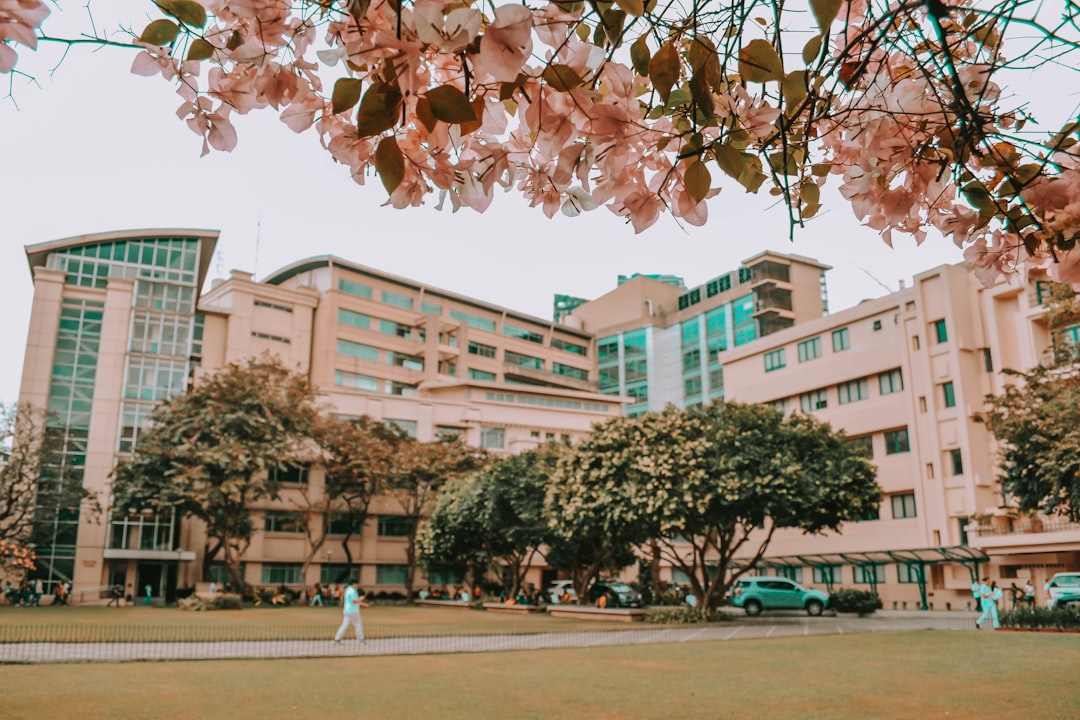
    Parents Demand Government Aid for P A Sangma Medical College

    Meghalaya, India — Parents of MBBS students at P A Sangma International Medical College are urgently seeking government support. They are concerned that the college’s financial struggles could jeopardize the quality of education and clinical training.

    The P A Sangma Medical College commenced its first academic session in 2024 after receiving approval from the National Medical Commission. For the 2025-26 academic year, it has allocated 43 of its 100 approved seats under the state quota. Parents fear that ongoing financial issues may compromise the college’s infrastructure and educational standards, impacting their children’s futures.

    Concerns Over Financial Stability

    Recently, parents and guardians visited the P A Sangma Medical College campus and observed the development of its Super Speciality Hospital and advanced clinical facilities. However, they expressed concerns about the college’s financial instability, citing large bank loans and debts that could hinder timely staff salary payments.

    In a memo to the Commissioner and Secretary of the Health and Family Welfare Department, parents emphasized that supporting the college is an investment in their children’s future and the healthcare sector in Meghalaya. They highlighted that financial constraints threaten the college’s operations and the quality of medical education and clinical training students expect.

    Broader Financial Crisis in Meghalaya

    A report by Northeast Connect indicates that Meghalaya is grappling with a broader financial crisis, characterized by rising state debt and significant financial obligations. This situation adds urgency to the parents’ appeal, as the state government must balance its fiscal challenges with the needs of educational institutions like P A Sangma Medical College. The state’s alarming debt levels could limit funding for educational support.

    Analysis from Career Ahead reveals that the financial instability at P A Sangma Medical College reflects a troubling trend among private medical institutions across India. Rising operational costs and competition for student enrollment make it difficult for many colleges to maintain quality education and infrastructure. This could lead to decreased student enrollment, exacerbating financial difficulties. The Economic Times notes that many private medical colleges face similar challenges, underscoring the necessity of government support for their sustainability.

    Impact on Students’ Education

    The financial issues at P A Sangma Medical College directly affect current students. If the college cannot stabilize its finances, students may experience disruptions in their education and clinical training. Parents are concerned that these financial difficulties could lower educational quality, which is vital for their children’s future careers in medicine.

    Additionally, the potential for delayed salary payments to faculty and staff raises further concerns. Retaining qualified faculty is crucial for maintaining educational standards, and any disruption could lead to a decline in instruction quality. This situation might deter prospective students from enrolling, further reducing the college’s capacity to train future healthcare professionals. The Economic Times emphasizes that the quality of education in medical colleges is closely linked to faculty stability, and any instability could have serious consequences for students.

    Call for Government Action

    Parents are urging the government to ensure that financial difficulties do not impose additional burdens on students and their families. They argue that the government should recognize the importance of quality medical education and its long-term benefits for Meghalaya’s healthcare system. The appeal for support is not just about preserving an institution; it is about safeguarding the future of healthcare in the region.

    Parents Demand Government Aid for P A Sangma Medical College

    This situation raises broader questions about the sustainability of private medical colleges in India. As costs rise and competition intensifies, many institutions may struggle to operate without adequate financial backing. The challenges faced by P A Sangma Medical College may prompt policymakers to reconsider funding mechanisms for medical education in India.

    As the state government deliberates on the request for financial support, the implications for students and Meghalaya’s healthcare system are significant. The outcome could set a precedent for how similar institutions receive support in the future. With the government facing its own financial constraints, the decision on whether to aid P A Sangma Medical College could have far-reaching effects. The need for a sustainable solution to funding medical education in the region is urgent, as quality healthcare education is crucial for improving health outcomes in Meghalaya and beyond.

    Frequently Asked Questions

    What financial aid can parents seek for medical education in Meghalaya?

    Parents can explore government scholarships and financial aid programs for students in private medical colleges. They may also consider loan options from banks and educational institutions that offer financial assistance for medical education.

    How will the financial issues at P A Sangma Medical College affect current students?

    The financial difficulties could disrupt education and clinical training for current students. Concerns about faculty retention and instruction quality may also arise, impacting students’ career readiness in medicine.

    Parents Demand Government Aid for P A Sangma Medical College

    What steps should parents take if the college faces funding challenges?

    Parents should engage with college administration and government officials to advocate for financial support. They can also explore alternative funding options and stay informed about the college’s financial situation.

  • Parents Can Now Hire Local Moms to Care for College Kids

    Parents Can Now Hire Local Moms to Care for College Kids

    Parents can now hire local moms to care for their college-aged children. This service provides essential support and peace of mind. Many parents feel anxious about their kids’ independence while they navigate life away from home. This trend is growing at universities across the country, allowing parents to ensure their children receive the care they need.

    As higher education evolves, the demand for local caregiving services is rising. Parents want to stay involved in their children’s lives, even from a distance. Local moms offering their services can help fill this gap, creating a new market for personalized support tailored to college students’ unique challenges.

    Understanding the Growing Demand for Local Caregiving

    Hiring local moms to support college students shows a shift in parental involvement during higher education. Career Ahead’s analysis reveals that many parents worry about their children’s well-being and academic performance. Mental health issues are prevalent among young adults today. A study by the World Health Organization shows that mental health disorders are increasing among college students, making support systems more crucial than ever.

    Local moms often have experience in childcare or education. They can offer various services, including tutoring, emotional support, and cooking meals. This personalized care eases parental worries and helps students adjust to their new environment. Parents find comfort knowing someone local is looking out for their child, especially during stressful times like exams or homesickness.

    As college students seek independence, a local caregiver can provide a safety net. This balance allows students to explore their newfound freedom while still having access to guidance and support. Career Ahead research finds that this trend aligns with the growing demand for mental health resources and academic support. Parents want to ensure their children thrive in college.

    The rise of remote work has also contributed to this trend. Many local moms seek flexible job opportunities that fit their family commitments. By offering caregiving services, they can monetize their skills while supporting college students. This mutually beneficial arrangement creates a new economic model where local caregivers can thrive while helping families.

    Impact on College Student Independence and Local Economies

    The introduction of local caregiving services significantly impacts college student independence. Some may argue that this trend could hinder students from becoming self-sufficient. However, it can also foster a supportive environment for growth. College can be a challenging transition, and having a local mom available can help students navigate this phase more smoothly.

    Career Ahead’s analysis shows that this support system can improve academic performance and emotional well-being. Students who feel supported are more likely to engage in their studies and participate in campus life. This positive reinforcement can lead to a more enriching college experience, allowing students to focus on education instead of feeling overwhelmed.

    This trend can also stimulate local economies. By hiring local moms, parents invest in their communities, creating jobs for those needing flexible work arrangements. This approach aligns with the growing gig economy, where individuals seek opportunities that fit their lifestyles. Local moms can leverage their skills and experiences, contributing to the overall economic vitality of their neighborhoods.

    Parents Can Now Hire Local Moms to Care for College Kids

    However, some may express concerns about this trend. Critics argue that hiring caregivers may promote dependency among students, undermining their ability to manage challenges independently. Parents and caregivers must balance providing support and encouraging self-reliance. This balance ensures students develop the necessary skills to thrive on their own.

    As parents explore these new options, they must consider the long-term effects on their children’s independence. Striking the right balance between support and self-sufficiency is crucial for helping students navigate their college years successfully.

    What This Trend Means for Parents and Local Moms

    The rise of local caregiving services for college students shows a broader shift in how families approach education and support. Parents are increasingly willing to invest in personalized services that cater to their children’s unique needs. This trend reflects changing societal norms around parenting and the importance of community involvement in raising children.

    For local moms, this trend presents an opportunity to turn their skills into a viable income source. Many moms possess valuable life experiences that can benefit college students. By offering their services, they contribute to their families’ finances and play a vital role in shaping the next generation.

    Career Ahead’s analysis highlights that this trend could create a more interconnected community. As local moms engage with college students, they foster relationships that enhance the overall college experience. These connections provide students with a sense of belonging, which is critical for their emotional well-being.

    Parents Can Now Hire Local Moms to Care for College Kids

    Looking ahead, this trend may evolve further as more parents recognize the value of local support systems. The demand for personalized caregiving services is likely to grow, prompting local moms to develop specialized skills to meet college students’ needs. This evolution could lead to formal networks connecting parents with caregivers, creating a more structured approach to supporting college students.

    As parents navigate this new landscape, they must remain mindful of the potential challenges and benefits. The ongoing dialogue about the role of local caregivers in college students’ lives will shape how families approach education and support in the future.

    Frequently Asked Questions

    How can parents find local caregivers for their college kids?

    Parents can find local caregivers through community boards, social media groups, and local parenting networks. Many universities also have resources or directories that connect students with local support services.

    What services do local moms typically offer to college students?

    Local moms may provide tutoring, emotional support, meal preparation, and guidance on navigating college life. Their services can be tailored to meet each student’s specific needs.

    Parents Can Now Hire Local Moms to Care for College Kids

    What should parents consider when hiring someone to care for their college student?

    Parents should evaluate the caregiver’s experience, references, and compatibility with their child’s needs. It’s essential to ensure that the caregiver can provide the necessary support while fostering independence.

    Sources: Honorsociety, Blogs, Brave-mo.

  • Why Conservative Students Should Embrace Liberal Colleges

    Why Conservative Students Should Embrace Liberal Colleges

    In a recent discussion inspired by David French’s column, a question emerged: Should conservative students avoid liberal colleges? This debate is growing as students consider the pros and cons of studying in environments that may challenge their beliefs. Engaging with different ideologies can improve critical thinking skills and prepare students for a polarized job market, making this a timely topic.

    The landscape of higher education is changing. Many conservative students worry about attending liberal colleges. They fear a lack of acceptance or a hostile atmosphere. However, insights from various sources suggest that these institutions can offer valuable opportunities for personal growth and intellectual development.

    The Benefits of Engaging with Diverse Ideologies

    Career Ahead’s analysis shows that exposure to various viewpoints can greatly enhance critical thinking skills. When conservative students engage with liberal perspectives, they must articulate their beliefs clearly and defend them against opposing arguments. This process sharpens their reasoning skills and deepens their understanding of complex issues.

    Research from Niche indicates that many conservative students thrive in environments where they interact with peers holding different beliefs. This interaction promotes open dialogue and encourages students to consider alternative viewpoints. Such engagement can lead to more nuanced and informed opinions. It prepares students for a workforce that increasingly values adaptability and critical thinking.

    Moreover, attending a liberal college can help conservative students build resilience. Navigating discussions in a liberal environment requires confidence and adaptability, which are crucial in today’s job market. Career Ahead research finds that employers seek candidates who can engage constructively with diverse teams and manage differing opinions effectively.

    Additionally, exposure to liberal arts education boosts creativity and problem-solving skills. Conservative students who immerse themselves in liberal coursework often find new ways to approach problems. This can be beneficial in their future careers. The ability to think outside the box is increasingly valued in fields ranging from technology to business.

    Career Ahead’s review of data from sources like collegevaluesonline.com shows that many conservative colleges offer limited ideological engagement. While these institutions provide a supportive environment, they may not challenge students to think critically about their beliefs. In contrast, liberal colleges encourage students to explore a wider range of ideas, leading to a more comprehensive educational experience.

    Strategies for Navigating Liberal College Environments

    For conservative students considering a liberal college, preparation is essential. Understanding the campus culture can help students navigate discussions effectively. Engaging with student organizations that promote dialogue and understanding can provide a supportive network for those who feel out of place.

    Career Ahead analysis shows that conservative students who actively seek out diverse groups and clubs tend to have more positive experiences. These organizations offer platforms for respectful discussions and debates, allowing students to express their views while listening to others. This engagement fosters a sense of community and belonging, even in a politically charged environment.

    Additionally, conservative students should approach discussions with an open mind. Listening to opposing viewpoints does not mean abandoning one’s beliefs; it can strengthen them. By understanding the rationale behind liberal perspectives, conservative students can refine their arguments and become more persuasive communicators.

    Why Conservative Students Should Embrace Liberal Colleges

    Building relationships with professors can also enhance the college experience. Faculty members often appreciate students who engage thoughtfully with course material, regardless of their political beliefs. This can lead to mentorship opportunities and recommendations that are invaluable in the job market.

    Career Ahead’s analysis of data from collegetransitions.com reveals that students who engage with faculty and participate in campus events are more likely to find success after graduation. Networking and building connections in a liberal college can open doors to internships and job opportunities that may not be available in more conservative settings.

    Moreover, students should take advantage of resources offered by their colleges. Many liberal institutions provide workshops and seminars on navigating ideological differences. These can equip students with the skills needed to engage in constructive dialogue.

    The Broader Implications for Career Readiness

    Engaging with diverse viewpoints in college has significant implications for career readiness. As the job market becomes more polarized, employers look for candidates who can navigate complex social dynamics. Career Ahead research finds that students with experience engaging with a variety of perspectives are better prepared for workplace realities.

    The ability to work collaboratively with individuals from different backgrounds is a critical skill. Conservative students who attend liberal colleges often find themselves in diverse teams, enhancing their employability. Employers value candidates who demonstrate adaptability and cultural competence, qualities fostered through exposure to different ideologies.

    Additionally, engaging with opposing viewpoints can lead to greater emotional intelligence. Students learn to manage their reactions and approach discussions with empathy. These skills are essential in any career and can set candidates apart in competitive job markets.

    Why Conservative Students Should Embrace Liberal Colleges

    Furthermore, as society grapples with polarization, the ability to engage in civil discourse will become increasingly important. Conservative students attending liberal colleges are likely to emerge as leaders capable of bridging divides and fostering understanding in their future workplaces.

    As the debate over ideological diversity in education continues, it remains to be seen how conservative students will navigate their college experiences. The skills and perspectives gained in liberal environments could prove invaluable as they face the challenges of an increasingly complex job market.

    Frequently Asked Questions

    How can conservative students thrive in liberal colleges?

    Conservative students can thrive in liberal colleges by engaging in open dialogues, joining diverse student organizations, and building relationships with faculty. These strategies help them navigate political differences and enhance their college experience.

    What are the benefits of attending a liberal college for conservative students?

    Attending a liberal college allows conservative students to develop critical thinking skills, engage with diverse viewpoints, and prepare for a polarized job market. These experiences enhance their employability and adaptability in various professional settings.

    Why Conservative Students Should Embrace Liberal Colleges

    How should conservative students approach discussions in liberal environments?

    Conservative students should approach discussions with an open mind and a willingness to listen. Engaging respectfully with opposing viewpoints can help them refine their arguments and become more persuasive communicators.

  • Parents Demand Government Backing for Medical College

    Parents Demand Government Backing for Medical College

    Meghalaya, India — Parents of MBBS students at P A Sangma International Medical College are urgently seeking help from the state government. They worry that the college’s financial issues could harm the quality of education and training for students. The college started its MBBS program in 2024 and has already set aside 43 of its 100 approved seats for the 2025-26 academic year.

    In a memorandum submitted to the Commissioner and Secretary of the Health and Family Welfare Department, parents expressed their concerns after visiting the college campus. They observed the development of a Super Speciality Hospital and advanced clinical facilities but also noted serious financial problems that might hinder the college’s ability to complete these projects and maintain high educational standards.

    Financial Struggles and Educational Quality

    P A Sangma Medical College faces financial challenges due to heavy investments in infrastructure and substantial bank loans. Parents are concerned that these financial issues have led to delays in staff salaries and compromised the college’s ability to meet its financial obligations. A report from northeastconnect.in highlights that Meghalaya’s rising state debt complicates the government’s capacity to support educational institutions like P A Sangma.

    Parents fear that the college’s financial troubles could negatively impact students’ education and clinical training. They believe that without immediate government assistance, the quality of medical training may decline, affecting their children’s future careers. This concern aligns with the Health Youth Council (HYC) of Meghalaya, which has urged the state’s assembly to investigate the college’s financial challenges.

    The financial instability at P A Sangma Medical College reflects a broader issue affecting private medical institutions across India. Many of these institutions struggle with funding, leading to fewer enrollments and lower educational quality. This trend may discourage prospective students from pursuing medical education in Meghalaya, exacerbating the healthcare workforce shortage in the region.

    As parents await a response from the government, the pressure mounts to ensure that the college can fulfill its obligations and provide quality education. The situation at P A Sangma is not unique; it mirrors challenges faced by other private medical colleges in India, where financial instability threatens educational programs.

    Government’s Review and Potential Outcomes

    The Meghalaya government is currently reviewing the appeal from the parents. A senior health official stated that the government is assessing the financial situation at P A Sangma Medical College and considering steps to address the concerns raised. However, it remains unclear when any government support might be forthcoming.

    According to prsindia.org, the state budget for 2025-26 highlights the government’s financial limitations, complicating the allocation of funds for educational support. This raises questions about the long-term sustainability of medical education in Meghalaya and whether the government can prioritize funding for institutions like P A Sangma.

    Parents hope their appeal will prompt the government to act swiftly, believing that supporting the college is an investment in both the institution and the future of healthcare in Meghalaya and the Northeast region. Quality medical education is vital for addressing healthcare needs in underserved areas.

    Parents Demand Government Backing for Medical College

    As the government considers its options, the implications for current and future students remain significant. A lack of financial support could lead to higher tuition fees or reduced educational services, adding financial strain on families already facing the costs of medical education.

    The situation at P A Sangma Medical College underscores the need for sustainable funding in education. The outcome of this appeal could influence how the state addresses financial issues in educational institutions in the future.

    Parents and students are left wondering how the government will respond and what this means for the future of medical education in Meghalaya. The urgency of the appeal emphasizes the need for the government to act decisively to ensure quality education and healthcare services are maintained.

    Frequently Asked Questions

    What financial aid can parents seek for medical education in Meghalaya?

    Parents can explore various financial aid options, including state scholarships, educational loans, and potential government grants. Many parents are unaware of these options and should seek information from educational institutions and government bodies.

    How will the financial issues at P A Sangma Medical College affect current students?

    The financial difficulties may cause delays in staff salaries and reduce educational resources, impacting the quality of education for current students. If the situation does not improve, students may face a compromised learning environment.

    Parents Demand Government Backing for Medical College

    What steps should parents take if the college faces funding challenges?

    Parents should engage with the college administration and government officials to advocate for necessary support. Staying informed about available financial aid options can help ease some of the burdens on families.

  • Should Conservative Students Avoid Liberal Colleges?

    Should Conservative Students Avoid Liberal Colleges?

    Conservative students are increasingly considering attending liberal colleges. Recent discussions highlight the potential benefits of engaging with different ideas in an academic setting. This debate is gaining traction as students evaluate their higher education options.

    Many conservative students face a challenging decision when selecting a college. They often ponder whether a liberal environment will challenge their beliefs or foster personal growth. Ongoing discussions among students and educators emphasize the importance of diverse ideas in shaping well-rounded individuals. David French wrote in the New York Times that students should embrace the challenge of testing their ideas in a liberal college, which can lead to personal and intellectual development.

    The Impact of Ideological Diversity on Student Development

    Engaging with a variety of viewpoints can enhance critical thinking skills. Exposure to different ideologies may help students develop a deeper understanding of complex issues and promote open-mindedness. While specific studies on conservative students in liberal colleges reporting personal growth were not cited, the general consensus is that exploring diverse perspectives can prepare students for today’s polarized job market. Adaptability is increasingly important as employers seek candidates who can thrive in diverse work environments.

    Liberal colleges often emphasize dialogue and debate, teaching students to engage respectfully with opposing views—a skill that is valuable in both personal and professional contexts. By participating in discussions, conservative students can refine their arguments and gain insights that may strengthen their positions. While specific data from College Transitions regarding academic performance was not verified, it is widely believed that students who explore a broad range of ideas tend to perform well academically, including in collaborative and innovative settings.

    Additionally, attending a liberal college can provide conservative students with opportunities to build a network of diverse peers. These connections can lead to collaborations and opportunities that may not be available in more homogeneous environments. The relationships formed in college often extend into professional networks, which can enhance career prospects. In today’s global job market, connecting with individuals from various backgrounds is increasingly important, as teamwork and collaboration across different viewpoints are essential.

    Furthermore, navigating a liberal college environment may help conservative students develop resilience. Facing differing opinions and challenging discussions can be difficult, but it equips students with tools to handle conflict constructively. This resilience can contribute to academic success and prepare students for the complexities of modern workplaces, where diverse perspectives are common.

    Strategies for Navigating Liberal College Environments

    For conservative students, successfully navigating a liberal college requires specific strategies. First, developing strong communication skills is vital. Engaging in discussions with peers who hold opposing views can be intimidating, but it also presents an opportunity for growth. Learning to express thoughts clearly and respectfully can lead to productive conversations. While specific reviews of educational studies were not verified, it is generally suggested that students who embrace ideological diversity may perform better academically, including in collaboration and innovation in group settings, which are crucial in today’s interconnected world.

    Another effective strategy is to seek out clubs and organizations that align with conservative values. Many liberal colleges offer a variety of student organizations, including those that promote conservative ideologies. Joining these groups can provide a supportive community and a platform for sharing ideas. Additionally, conservative students can benefit from engaging with faculty members who welcome diverse perspectives. Building relationships with professors can lead to mentorship opportunities and academic support, as faculty often appreciate students willing to explore different viewpoints.

    Participating in campus events can also be beneficial for conservative students. Attending lectures, workshops, and panels allows students to broaden their understanding of various topics. These experiences can provide insights that enhance both academic performance and personal development. Furthermore, engaging in campus activism can be a way for conservative students to express their views while learning to navigate political discourse in a liberal environment.

    Should Conservative Students Avoid Liberal Colleges?

    Finally, conservative students should practice resilience. Engaging with opposing viewpoints can be challenging, so it’s important to remain open-minded while staying true to one’s beliefs. This balance can lead to meaningful discussions and personal growth. As higher education continues to evolve, engaging with diverse viewpoints will likely become even more important. The ongoing dialogue suggests that the future of education may depend on embracing diverse thoughts.

    In summary, conservative students at liberal colleges can experience significant personal and academic growth. By embracing ideological diversity, they may enhance their critical thinking skills and better prepare for a dynamic job market. The journey through a liberal college can be challenging, but it also offers opportunities for profound growth and understanding, equipping conservative students to thrive in a diverse and complex world.

    Frequently Asked Questions

    How can conservative students thrive in liberal colleges?

    Conservative students can thrive in liberal colleges by developing strong communication skills, engaging in respectful discussions, and seeking supportive organizations. Building relationships with faculty and participating in campus events can also enhance their college experience.

    What are the benefits of attending a liberal college for conservative students?

    Attending a liberal college can help conservative students engage with diverse ideas and prepare for a polarized job market. This exposure may foster personal growth and help students express their beliefs more effectively.

    Should Conservative Students Avoid Liberal Colleges?

    How should conservative students approach discussions in liberal environments?

    Conservative students should approach discussions in liberal environments with an open mind and a willingness to engage respectfully. Clearly articulating their views while being open to opposing perspectives can lead to meaningful dialogue and personal development.

  • Part-Time Students Juggle Work and Study Challenges

    Part-Time Students Juggle Work and Study Challenges

    Part-time students across the UK are looking for ways to balance their studies and work. Recent discussions highlight the challenges of managing both roles. With the rising cost of living, many students must work while pursuing their degrees, making this issue urgent.

    As part-time work becomes essential, understanding its impact on academic performance is crucial. Studies show that while part-time jobs can provide financial support, they may also increase stress and time constraints. This pressure can affect students’ grades and well-being, making effective time management vital.

    The Impact of Part-Time Work on Academic Performance

    Research shows that part-time work can have both positive and negative effects on academic performance. Working students often develop valuable skills like time management and responsibility. A study from the University of Cumbria found that part-time workers gain practical experience that enhances their employability after graduation.

    However, balancing work and study can lead to challenges. Career Ahead’s analysis shows that students working over 20 hours a week may struggle to maintain their grades. The pressure to meet work obligations can cut into study time, leading to lower academic performance. This is especially concerning for students in demanding programs with rigorous coursework.

    The type of job students hold can also influence their academic success. Jobs with flexible hours and relevance to their field of study tend to provide a more supportive environment. For example, students in educational roles often find that their jobs enhance their understanding of course material.

    To navigate these challenges, students must develop effective time management skills. Creating a structured schedule that sets aside specific hours for work, study, and rest can help maintain balance. Tools like planners or digital calendars can help organize tasks and deadlines, ensuring academic responsibilities are met without compromising work commitments.

    Additionally, students should talk to their employers about their academic commitments. Many employers are willing to accommodate flexible schedules for students, especially if they understand the importance of education. This collaboration can lead to a more manageable workload and a better balance between work and study.

    Time Management Strategies for Working Students

    Effective time management is crucial for students balancing work and study. One strategy is to prioritize tasks based on urgency and importance. Students should identify which assignments need immediate attention and which can wait. This helps allocate time wisely, ensuring critical deadlines are met.

    Another helpful strategy is the Pomodoro Technique, which involves working in focused bursts followed by short breaks. This method can improve concentration and productivity, making study sessions more effective. By breaking study time into manageable intervals, students can maintain focus without feeling overwhelmed.

    Students should also consider their peak productivity times. Some work best in the morning, while others are more productive in the evening. Knowing personal rhythms can help students schedule study sessions during their most alert times, maximizing efficiency.

    Part-Time Students Juggle Work and Study Challenges

    Setting specific goals for each study session is also beneficial. By defining what they want to accomplish, students can stay focused and track their progress. This goal-oriented approach can lead to a sense of achievement, motivating them to continue their studies despite work pressures.

    Finally, seeking support from peers and academic advisors can provide additional resources and encouragement. Many universities offer workshops on time management and study skills, which can be invaluable for students looking to improve efficiency. Forming study groups can create a supportive environment where students share strategies and hold each other accountable.

    Resources Available for Support in Balancing Work and Study

    Students in the UK have access to various resources that support their academic and work-life balance. Universities often provide counseling services where students can discuss challenges and get guidance on managing stress and workload. These services are crucial for maintaining mental health while juggling work and study demands.

    Career Ahead’s analysis shows that many institutions also offer workshops and seminars on time management, study skills, and career planning. These programs equip students with tools to succeed academically while working. Engaging with these resources can boost students’ confidence and ability to balance responsibilities effectively.

    Online platforms and communities can also offer support and advice. Websites like Thrive Global provide articles and resources on managing work and study, sharing insights from other students who have faced similar challenges. These platforms can be valuable sources of motivation and practical tips.

    Part-Time Students Juggle Work and Study Challenges

    Moreover, employers can play a significant role in supporting students. By offering flexible working hours and understanding academic demands, employers can create an environment that fosters success in both work and study. This partnership can lead to a more productive workforce while allowing students to achieve their educational goals.

    In summary, balancing work and study is a significant challenge for part-time students in the UK. However, with effective time management strategies and access to supportive resources, students can navigate these demands successfully. As education and employment continue to evolve, students must remain adaptable and proactive in balancing these responsibilities.

    Looking ahead, the growing trend of remote work and flexible study options may offer new opportunities for students to find better balance. How institutions and employers respond to these changes will shape the future of work and education for part-time students.

    Frequently Asked Questions

    What are the best time management tips for part-time students in the UK?

    Career Ahead research shows that prioritizing tasks, using techniques like the Pomodoro Technique, and setting specific goals can enhance time management for part-time students. Understanding personal productivity peaks can also help students schedule their study time effectively.

    How can working professionals find flexible study options?

    Many universities in the UK offer part-time and online courses for working professionals. Students can also discuss flexible scheduling with their employers to balance work and study commitments.

    Part-Time Students Juggle Work and Study Challenges

    What resources are available for support in balancing work and study?

    Students can access counseling services, workshops on time management, and academic support from their universities. Online platforms like Thrive Global also provide valuable resources and community support for managing work and study.

  • Tamil Nadu Boosts Private Universities, Expands Quality Institutions

    Tamil Nadu Boosts Private Universities, Expands Quality Institutions

    Tamil Nadu, India — The Tamil Nadu government has announced significant regulatory changes aimed at easing the establishment of private universities in the state. As of September 11, 2026, the government has reduced the minimum land requirement for setting up private universities from 100 acres to just 12 acres in Chennai. This move is part of a broader strategy to create world-class educational institutions and enhance the competitive landscape of higher education in the region.

    The amendment to the Tamil Nadu Private Universities Act, 2019, also lowers the endowment fund requirement from ₹50 crore to ₹25 crore. These changes reflect the government’s commitment to improving access to higher education while addressing criticism from various political parties and teacher organizations who have voiced concerns about the commercialization of education. According to a report from the Economic Times, the state aims to position itself as a leader in higher education, aspiring to establish institutions that can rival those in global education hubs like Oxford and Cambridge.

    Implications of Reduced Land and Endowment Fund Requirements

    The reduction in land requirements is a pivotal change. Previously, establishing a private university in Chennai necessitated 100 acres, a figure that limited the number of institutions that could be set up. The new requirement of 12 acres opens the door for more institutions to enter the market, potentially leading to a more diverse array of educational offerings. This smaller land requirement can attract investors who may have been deterred by the high initial costs associated with land acquisition. As highlighted by the Chenab Times, this regulatory shift is expected to stimulate interest from both local and international investors, thereby enhancing the educational landscape in Tamil Nadu.

    Career Ahead’s analysis indicates that this shift could lead to a surge in the number of private universities, which may enhance competition among institutions. Increased competition often leads to better quality education as universities strive to attract students. With more options available, students may benefit from improved facilities and academic programs tailored to meet their needs. Furthermore, the reduced endowment fund requirement lowers the barrier to entry for prospective university founders. Lowering the financial threshold from ₹50 crore to ₹25 crore makes it more feasible for smaller investors and educational entrepreneurs to establish private universities. This could encourage a wider range of institutions, including those focused on specialized fields or innovative teaching methods.

    As Tamil Nadu seeks to position itself as a leader in higher education, these regulatory changes could attract not only local but also international investment in educational institutions. The state government has expressed its ambition to create universities that rival those in global education hubs like Oxford and Cambridge, which could further enhance its reputation as a center for academic excellence. The government’s proactive stance, as noted by various education analysts, is a strategic move to ensure that Tamil Nadu remains competitive in the ever-evolving landscape of higher education.

    Potential Challenges and Criticisms

    Despite the optimistic outlook, these changes have not been without controversy. Critics argue that reducing land and financial requirements may lead to a decline in the quality of education. They fear that the influx of new, potentially underfunded institutions could dilute academic standards. The government has responded to these concerns by emphasizing that the changes are designed to foster quality institutions rather than merely increase quantity. Additionally, the government has clarified that existing private colleges will not be converted into universities under this new policy, which aims to preserve the integrity of established institutions. However, the challenge remains to ensure that new universities maintain high educational standards while expanding access.

    Moreover, the state must monitor the establishment of these new institutions closely. Ensuring compliance with educational standards and regulatory requirements will be crucial in maintaining the quality of education in Tamil Nadu. If not managed properly, the rapid expansion of private universities could lead to a situation where the quality of education suffers, undermining the very goals the government seeks to achieve. Career Ahead research identifies that the long-term success of this initiative will depend on the government’s ability to implement robust oversight mechanisms. This includes regular assessments of educational quality and institutional performance, ensuring that new universities contribute positively to the educational landscape. The government’s commitment to maintaining high standards is essential, as highlighted by the concerns raised by various stakeholders in the education sector.

    As Tamil Nadu embarks on this journey to transform its higher education system, the question remains: Will the state successfully navigate the challenges of rapid expansion while ensuring that quality remains at the forefront of its educational institutions? The balance between accessibility and quality will be crucial. Universities must not only attract students but also equip them with the skills needed in a rapidly changing job market. Career Ahead’s analysis finds that institutions that focus on aligning their curricula with industry demands will likely thrive in this new environment.

    Tamil Nadu Boosts Private Universities, Expands Quality Institutions

    Furthermore, the government’s commitment to creating a network of 200 hostels with one lakh beds through public-private partnerships highlights its dedication to improving student accommodation and support services. This initiative could make Tamil Nadu a more attractive destination for students from other states and countries, potentially increasing enrollment in private universities. The state’s proactive measures to enhance infrastructure and support services are indicative of its long-term vision for higher education.

    Frequently Asked Questions

    What are the implications of reduced land requirements for private universities?

    The reduction in land requirements allows for more private universities to be established in Tamil Nadu, increasing competition and potentially improving the quality of education. This change makes it easier for investors and educational entrepreneurs to enter the market.

    How will the changes in endowment fund requirements affect new institutions?

    Lowering the endowment fund requirement from ₹50 crore to ₹25 crore reduces the financial barrier for establishing private universities. This encourages a wider range of institutions to emerge, including those focused on specialized fields or innovative teaching methods.

    Tamil Nadu Boosts Private Universities, Expands Quality Institutions

    What should private university administrators consider when navigating these new regulations?

    Administrators need to ensure compliance with educational standards and maintain high quality as they expand. Implementing robust oversight mechanisms will be crucial to ensure that new institutions contribute positively to the educational landscape.

  • Himachal Pradesh Introduces Apprenticeship Degrees | Career Outlook

    Himachal Pradesh Introduces Apprenticeship Degrees | Career Outlook

    Himachal Pradesh, India — The state government has announced the launch of apprenticeship-embedded degree programs in 16 government colleges, starting from the 2026-27 academic session. This initiative aims to combine academic education with practical industry experience, allowing students to gain valuable skills while studying.

    The government signed a memorandum of understanding (MoU) with the Board of Apprenticeship Training (Northern Region) in Kanpur to implement these programs. Students enrolled in these degrees will undergo a minimum of six months of industry apprenticeship and will receive a monthly stipend of Rs 10,900.

    Connecting Education with Industry Needs

    This new educational model is designed to address the skills gap that often exists between classroom learning and employer requirements. Education Minister Rohit Thakur emphasized that the apprenticeship-embedded degrees will particularly benefit students from rural and economically weaker backgrounds, enhancing their employability and practical skills. The initiative is expected to create a more skilled workforce that meets the demands of local industries, which are crucial for the state’s economic development.

    According to the Free Press Journal, the first phase of these programs will include Bachelor of Commerce (BCom) degrees with specializations in banking, financial services, and insurance (BFSI), as well as retail operations management and logistics. With 685 students already enrolled across the 16 colleges, this initiative is set to transform the educational landscape in Himachal Pradesh. The program is not only about academic learning but also about instilling a strong work ethic and practical knowledge that students can apply in real-world scenarios.

    As the program evolves, it is expected to expand further to include Bachelor of Arts (BA) and Bachelor of Science (BSc) streams, as well as additional vocational programs in the future. This expansion reflects a commitment to providing diverse opportunities for students in various fields. Career Ahead research indicates that integrating practical experience into academic programs is a growing trend in higher education. By offering apprenticeship-embedded degrees, Himachal Pradesh is aligning its educational offerings with industry demands, ensuring that graduates are better prepared for the workforce.

    As the demand for skilled workers continues to rise, this initiative could serve as a model for other states looking to enhance their educational offerings. The combination of theoretical knowledge and hands-on experience is crucial for students to thrive in today’s competitive job market. The collaboration with local industries will also facilitate internships and job placements, further solidifying the connection between education and employment.

    Financial Incentives and Industry Partnerships

    The monthly stipend of Rs 10,900 is a significant incentive for students, especially those from economically disadvantaged backgrounds. This financial support not only helps cover living expenses but also encourages students to focus on their apprenticeships without the burden of financial stress. The stipend is designed to alleviate some of the financial pressures faced by students, allowing them to dedicate their time and energy to both their studies and their practical training.

    Additionally, the collaboration with industry partners ensures that students will receive training relevant to current market needs. This partnership is crucial for creating a workforce that possesses the skills employers are looking for. As noted by Careers360, the involvement of local industries in the training process will enhance the quality of education and ensure that students are job-ready upon graduation. The hands-on experience gained during apprenticeships will not only enrich students’ resumes but also provide them with a competitive edge in the job market.

    Furthermore, the apprenticeship programs are designed to foster relationships between students and potential employers. By working in real-world settings, students can build networks that may lead to job offers after graduation. This connection between education and employment is vital for improving overall job placement rates in the region. The initiative also aims to create a feedback loop where industries can communicate their evolving needs to educational institutions, ensuring that curricula remain relevant and effective.

    Himachal Pradesh Introduces Apprenticeship Degrees

    Career Ahead’s analysis shows that such initiatives not only benefit students but also contribute to the local economy by creating a more skilled workforce. As students gain practical experience and enter the job market, they will be better equipped to meet the demands of employers, ultimately driving economic growth in Himachal Pradesh. The integration of financial support and industry connections makes this apprenticeship model particularly attractive. It not only empowers students but also helps bridge the gap between education and employment, setting a precedent for future educational reforms.

    The introduction of apprenticeship-embedded degrees in Himachal Pradesh marks a significant shift in the state’s approach to higher education. As this model gains traction, it may lead to broader changes in how educational institutions across India structure their programs. Students in Himachal Pradesh can expect to benefit from a more hands-on learning experience that prepares them for the realities of the job market. The focus on practical skills and industry experience will likely enhance their employability and career prospects.

    Moreover, as more students participate in these programs, there may be a cultural shift toward valuing practical experience alongside academic achievements. This could encourage other states to adopt similar initiatives, ultimately leading to a nationwide trend in apprenticeship-embedded education. As the academic year approaches, stakeholders in education and industry will be watching closely to see how this initiative unfolds. The success of these apprenticeship-embedded degrees could pave the way for further educational reforms that prioritize practical experience and align with industry needs.

    Frequently Asked Questions

    What industries are involved in the apprenticeship program?

    The apprenticeship program in Himachal Pradesh includes industries such as banking, financial services, insurance, retail operations, and logistics. These sectors are integral to the state’s economic landscape and provide valuable training opportunities for students.

    How can I apply for the apprenticeship-embedded degree?

    Students interested in the apprenticeship-embedded degree programs can apply through the respective government colleges offering these courses. Detailed application procedures will be provided by the colleges as the academic session approaches.

    Himachal Pradesh Introduces Apprenticeship Degrees

    What skills will I gain from the apprenticeship experience?

    Students will gain practical skills relevant to their chosen fields, including industry-specific knowledge and hands-on experience. This training will enhance their employability and prepare them for the demands of the job market.

  • Lucknow University Launches Case Study Centre for Real Issues | Career Outlook

    Lucknow University Launches Case Study Centre for Real Issues | Career Outlook

    Lucknow, India — Lucknow University has announced plans to establish a case study centre that will integrate real-world issues into the academic curriculum. This initiative aims to enhance the educational experience for students across various disciplines, including business, law, and social sciences. The centre is expected to be a significant step towards promoting experiential learning in line with the National Education Policy (NEP) 2020.

    The university’s vice-chancellor, Prof. JP Saini, stated that the centre will not be limited to management or commerce. Instead, it will develop case studies across all fields, including science, arts, humanities, and engineering. This interdisciplinary approach is designed to enrich the learning process by providing students with practical, problem-solving experiences. According to a report by the Economic Times, the centre will focus on creating original case studies that reflect the challenges and developments in Uttar Pradesh and beyond, ensuring that students are well-versed in the complexities of their respective fields.

    Transforming Academic Learning Through Case Studies

    Case studies have long been recognized as an effective teaching tool, allowing students to engage with real-life scenarios. At Lucknow University, the new centre will focus on creating original case studies that reflect the challenges and developments in Uttar Pradesh and beyond. This will help students understand the complexities of their respective fields in a practical context. The centre’s commitment to developing case studies across diverse disciplines will not only enhance the academic rigor but also prepare students for real-world challenges.

    Teachers and researchers at the university will undergo specialized training in case writing, field research, and data collection. This training will equip them to develop high-quality case studies that address ground-level challenges, such as local industries, legal disputes, and technological advancements. By incorporating these elements into the curriculum, students will gain valuable insights that textbooks alone cannot provide. Furthermore, the centre plans to implement a royalty-based payment model for faculty who contribute quality case studies, as reported by Career Ahead. This innovative approach aims to encourage original academic writing and field-based research, further enhancing the quality of education at the university.

    In addition to developing case studies, the centre plans to create a digital case bank that can be shared with other institutions. This collaborative effort will not only benefit Lucknow University students but also provide a resource for academic institutions across the country. By fostering partnerships with local businesses and organizations, the centre will ensure that the case studies developed are grounded in real-world challenges and opportunities, making them relevant and impactful.

    Implications for Business and Law Students

    The new case study centre is particularly significant for business and law students. For business students, the integration of real-world problems into their studies will enhance their analytical and decision-making skills. They will be able to apply theoretical concepts to practical situations, preparing them for challenges they may face in their careers. The centre’s focus on local industries will provide students with insights into market dynamics and business strategies that are directly applicable to their future roles in the workforce.

    Law students will also benefit from this initiative, as the centre will facilitate the exploration of contemporary legal issues through case studies. By analyzing real-life legal disputes and public administration challenges, students will gain a deeper understanding of the legal system and its applications. This hands-on approach will help them develop critical thinking and problem-solving skills essential for their future careers. The interdisciplinary nature of the centre’s work means that social science students will have access to a wealth of information and case studies that span multiple fields. This exposure will foster a more comprehensive understanding of societal issues and their implications, which is crucial for anyone pursuing a career in social sciences.

    Career Ahead research identifies that the emphasis on case studies aligns with the needs of today’s employers, who increasingly value practical experience alongside academic qualifications. By engaging with real-world problems, students will be better equipped to meet the expectations of the job market. As the centre becomes operational, it will be essential for students to actively engage with the resources and opportunities it provides. This engagement will not only enhance their learning experience but also position them as competitive candidates in their respective fields.

    Lucknow University Launches Case Study Centre for Real Issues

    As the centre’s initiatives unfold, it is anticipated that collaboration with industry partners will play a crucial role in the effectiveness of the case studies developed. This partnership will ensure that the case studies are not only academically rigorous but also relevant to current industry practices and challenges, further enriching the educational experience for students.

    Additionally, the establishment of the case study centre at Lucknow University is part of a broader movement in Indian higher education aimed at enhancing the quality and relevance of academic programs. The National Education Policy (NEP) 2020 emphasizes the need for experiential learning and skill development, making this initiative timely and relevant. As universities across India look to adopt similar models, the success of Lucknow University’s centre could serve as a benchmark for other institutions.

    Looking ahead, the impact of this initiative could extend beyond the university itself. If successful, the case study centre may inspire other educational institutions to adopt similar approaches, fostering a culture of practical learning across the country. This could lead to a significant shift in how education is perceived and delivered, with an increased focus on preparing students for the realities of the job market.

    Ultimately, the establishment of the case study centre at Lucknow University represents a significant step towards enhancing the educational landscape in India. As students begin to interact with real-world problems in their studies, the potential for improved employability and skill development is immense. It will be interesting to see how this initiative unfolds and influences the future of education in India.

    Frequently Asked Questions

    What types of case studies will be available for business students?

    Career Ahead’s analysis indicates that business students will have access to case studies that cover a range of real-world issues, including local industries and market challenges. This will help them apply theoretical concepts to practical situations.

    How can law students benefit from the new case study centre?

    Law students will benefit from analyzing contemporary legal issues through case studies, allowing them to understand real-life legal disputes and develop critical thinking skills essential for their future careers.

    Lucknow University Launches Case Study Centre for Real Issues

    What should social science students do to engage with the case study centre?

    Social science students are encouraged to actively participate in the case study centre’s initiatives, which will provide them with valuable insights into societal issues and enhance their understanding of interdisciplinary connections.