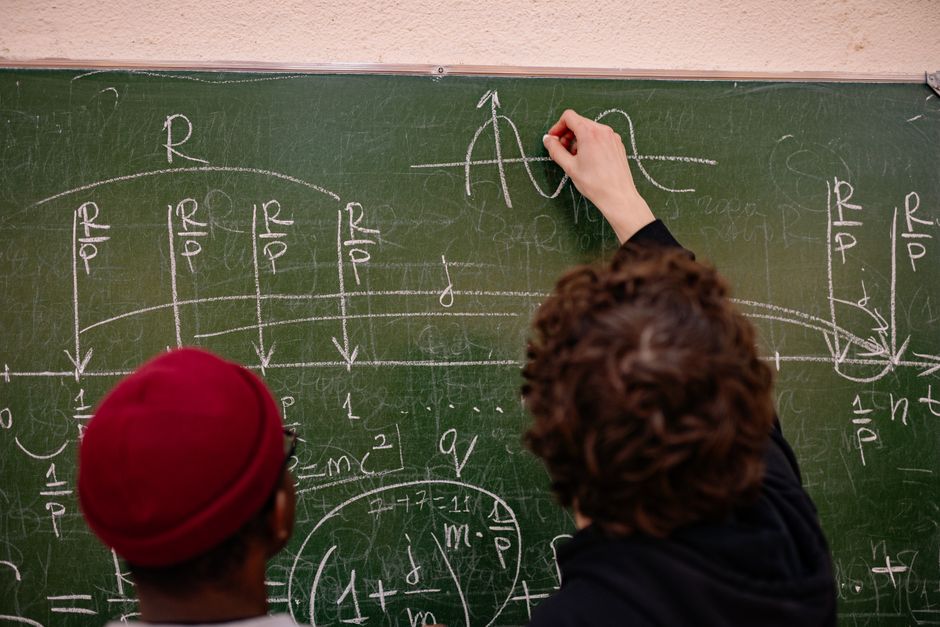
OpenAI has announced the formation of a new independent panel of elite mathematicians to guide its approach to mathematical research and communication. This initiative comes on the heels of a series of controversial announcements regarding AI-generated mathematical results. The group, known as the Advisory Group on Mathematics and Artificial Intelligence (AGMAI), will operate under the auspices of the Institute for Advanced Study in Princeton, New Jersey, and aims to improve the integrity and clarity of AI’s interactions with mathematical communities.
This move is significant as it highlights OpenAI’s recognition of the need for rigorous mathematical oversight in its research. The group is composed of nine distinguished mathematicians from prestigious institutions, including Stanford, Harvard, and Oxford. Their collective expertise is expected to enhance OpenAI’s understanding of mathematical concepts and ensure that its communications align with established academic standards. As reported by Startupfortune, the formation of AGMAI comes in response to criticisms regarding OpenAI’s previous handling of mathematical claims, which have raised concerns about accuracy and credibility within the mathematical community.
Collaborative Opportunities for Mathematicians
The establishment of AGMAI presents a unique opportunity for elite mathematicians to collaborate directly with a leading AI company. This partnership could lead to a more profound understanding of how AI models utilize mathematical frameworks. OpenAI’s previous missteps in presenting mathematical results have prompted concerns within the mathematics community about the accuracy and attribution of ideas. By engaging with top mathematicians, OpenAI aims to address these issues and foster a collaborative environment.
Career Ahead’s analysis finds that this collaboration could pave the way for new mathematical frameworks that enhance AI models. As AI continues to evolve, the integration of advanced mathematical concepts could lead to more reliable and interpretable AI systems. This shift underscores the importance of mathematical rigor in the development of AI technologies. Furthermore, as noted by TechCrunch, the advisory group will not only provide guidance but also actively participate in the evaluation of AI-generated mathematical results, ensuring that they meet the standards expected in academic research.
Moreover, the advisory group will have the autonomy to provide unsolicited advice, allowing them to influence OpenAI’s research direction proactively. This independence is crucial, as it ensures that the mathematicians can voice their concerns and suggestions without constraint. The potential for early access to OpenAI’s research will enable the group to assess the significance of new findings and coordinate their dissemination effectively. As elite mathematicians engage with OpenAI, they also have the opportunity to influence broader discussions about AI ethics and accountability. Their involvement could help shape policies that govern the ethical use of AI in mathematical research, ensuring that the interests of the mathematical community are adequately represented.
However, this collaboration is not without its challenges. Some mathematicians express skepticism about whether a small group can truly represent the diverse perspectives within the mathematical community. Questions remain about the selection process for the advisory group and whether it adequately reflects the broader community’s interests. The potential for bias in the selection of members could lead to a narrow viewpoint, which might not encompass the vast array of mathematical disciplines and philosophies.
Emphasis on Mathematical Rigor in AI Research
The formation of AGMAI signals a critical shift toward emphasizing mathematical rigor in AI research methodologies. OpenAI’s past experiences with controversial mathematical claims have highlighted the need for a more structured and transparent approach to presenting research results. By consulting with elite mathematicians, OpenAI aims to establish higher standards for how mathematical findings are communicated and attributed.
This emphasis on rigor is essential for maintaining the integrity of mathematical research in the age of AI. As AI systems increasingly generate mathematical results, ensuring that these results are grounded in sound mathematical principles becomes paramount. The advisory group will play a vital role in reviewing and advising on the communication of emerging results, helping to align AI-generated findings with established mathematical practices. Career Ahead research indicates that the advisory group’s influence could lead to the development of new methodologies that integrate AI and mathematics more effectively. This integration can enhance the reliability of AI systems and bolster the credibility of AI-generated mathematical results. As the field evolves, the need for collaboration between mathematicians and AI researchers will only grow, highlighting the importance of interdisciplinary approaches.
Furthermore, the group’s independence allows it to challenge OpenAI’s practices and advocate for the mathematical community’s interests. This dynamic could foster a more robust dialogue between AI developers and mathematicians, ultimately leading to better practices in the dissemination of mathematical research. The formation of AGMAI also raises questions about how AI companies will engage with the mathematical community moving forward. As other AI organizations observe OpenAI’s attempts to rectify its past mistakes, they may feel compelled to establish similar advisory groups, leading to a broader trend of collaboration between AI and mathematics.

As the advisory group begins its work, the mathematics community will be watching closely. Their ability to earn trust and demonstrate the value of their insights will be crucial in shaping future interactions between mathematicians and AI developers. The establishment of AGMAI marks a pivotal moment in the relationship between AI and the mathematical community. As OpenAI seeks to navigate the complexities of AI-generated mathematical results, the advisory group’s recommendations could have far-reaching implications for how AI is developed and deployed. The group’s work may lead to a new standard for how AI companies engage with academic disciplines, particularly in mathematics.
Career Ahead analysis finds that the success of AGMAI could influence hiring practices within the AI industry. As companies recognize the value of mathematical expertise in AI development, there may be an increased demand for mathematicians in AI roles. This shift could reshape the landscape of AI research, creating new opportunities for mathematicians to contribute their skills in meaningful ways. Moreover, the group’s focus on ethical considerations in AI research could lead to the establishment of guidelines that govern the responsible use of AI in mathematical contexts. As AI technologies continue to advance, ensuring that these tools are used ethically and transparently will be crucial for maintaining public trust.
As AGMAI begins its work, the mathematics community will be keenly observing its impact on OpenAI’s practices. The group’s ability to navigate the complexities of AI research and provide actionable insights will determine its effectiveness in shaping the future of AI and mathematics. The future of AI development may hinge on how well OpenAI and the advisory group can foster a collaborative relationship that respects the integrity of mathematical research while advancing technological innovation.
Frequently Asked Questions
What role do elite mathematicians play in AI development?
Elite mathematicians serve as advisors to AI companies like OpenAI, helping to ensure that mathematical research is conducted with rigor and integrity. Their expertise is crucial in guiding the communication of AI-generated results and addressing ethical concerns within the field.
How can I get involved in AI research as a mathematician?
Mathematicians interested in AI research can seek collaborations with AI companies or academic institutions. Engaging in interdisciplinary projects and staying informed about developments in AI will enhance opportunities for involvement.
What should elite mathematicians consider when collaborating with AI companies?
Elite mathematicians should assess the ethical implications of their work and ensure that their contributions align with the broader interests of the mathematical community. Open dialogue and transparency with AI companies are essential for fostering trust and collaboration.
Leave a Reply