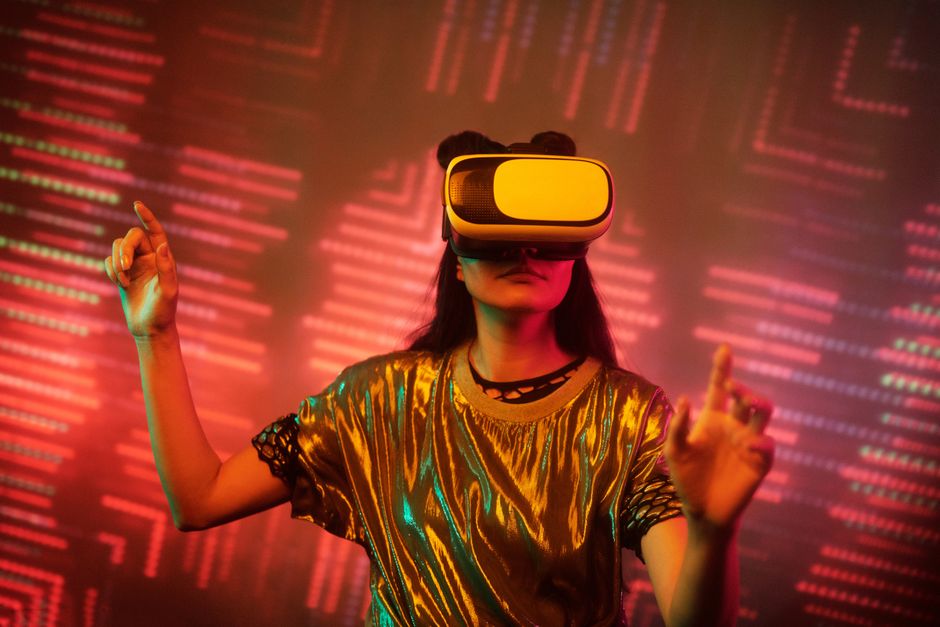
Meta has unveiled its latest VR device: a pair of glasses designed to provide immersive experiences without the bulk of traditional headsets. This announcement was made during Meta Connect 2026, highlighting a significant shift in the company’s approach to virtual reality hardware. The Meta VR Glasses are set to revolutionize the user experience by offering a lightweight alternative to existing headsets.
The glasses, which weigh only 100 grams, are designed to sit comfortably on the user’s face like regular eyeglasses, as opposed to the heavier headsets that require straps. This design aims to make virtual reality more accessible and user-friendly, allowing users to transition seamlessly between the real world and the virtual environment. The VR Glasses feature advanced displays and sensors that enhance the immersive experience, making them suitable for various applications, from gaming to productivity.
Adapting Software Development for Glasses
The introduction of Meta’s VR Glasses presents new challenges and opportunities for software developers. With the shift from headsets to glasses, developers must adapt their applications to fit a more lightweight and user-friendly form factor. This transition will require a focus on creating applications that prioritize ease of use and accessibility, as users may be less inclined to engage with complex interfaces when using glasses.
Developers will need to rethink how they design and implement VR experiences. The glasses’ features, such as eye-tracking and gesture controls, introduce new ways for users to interact with virtual environments. This means that software engineers will need to gain expertise in these new interaction methods, which may not have been a focus in traditional headset development. According to a report by Axios, the glasses are equipped with advanced sensors that allow for precise tracking of user movements, significantly enhancing the interactive experience (Axios, 2026).
Moreover, the VR Glasses’ compatibility with existing applications will be crucial for developers. The ability to support a wide range of games and productivity tools will determine the success of the glasses in the market. Developers will need to ensure that their applications can be easily adapted to work with the glasses, which may involve significant changes to user interfaces and interaction paradigms. The Verge notes that the shift in hardware design necessitates a reevaluation of how developers approach VR content creation, emphasizing the need for innovation in user engagement strategies (The Verge, 2026).
As the demand for lightweight VR solutions grows, developers specializing in augmented reality (AR) and VR applications will be in high demand. Career Ahead’s research indicates that this shift could create a skill gap in the industry, as many developers may not yet have experience with the specific requirements of glasses-based applications. This presents an opportunity for those willing to upskill and adapt to the changing landscape.
Engineering Innovations for VR Hardware
The hardware engineering landscape is also evolving with the introduction of Meta’s VR Glasses. Unlike traditional VR headsets that house all components in a single device, these glasses utilize a separate computing puck. This design choice not only reduces the weight of the glasses but also allows for more powerful processing capabilities. The puck contains a Snapdragon Reality Elite processor, 128GB of storage, and 12GB of RAM, providing the necessary power for immersive experiences.
Hardware engineers must now consider how to optimize the performance of applications across two devices: the glasses and the computing puck. This separation of components introduces new challenges in terms of connectivity and performance. Engineers will need to ensure that the glasses can communicate effectively with the puck without latency issues, which could detract from the user experience. The Verge emphasizes that maintaining a seamless connection between these components is crucial for delivering high-quality VR experiences, as any delay could disrupt immersion (The Verge, 2026).
Furthermore, the glasses’ lightweight design requires engineers to rethink traditional approaches to VR hardware. The focus will shift towards creating compact, efficient components that can deliver high performance without the bulk. This may lead to innovations in materials and design, as engineers explore new ways to make VR technology more accessible. As noted in a report by UploadVR, the engineering challenges posed by this new design paradigm will require a collaborative approach among engineers, software developers, and designers to ensure that the final product meets user expectations (UploadVR, 2026).
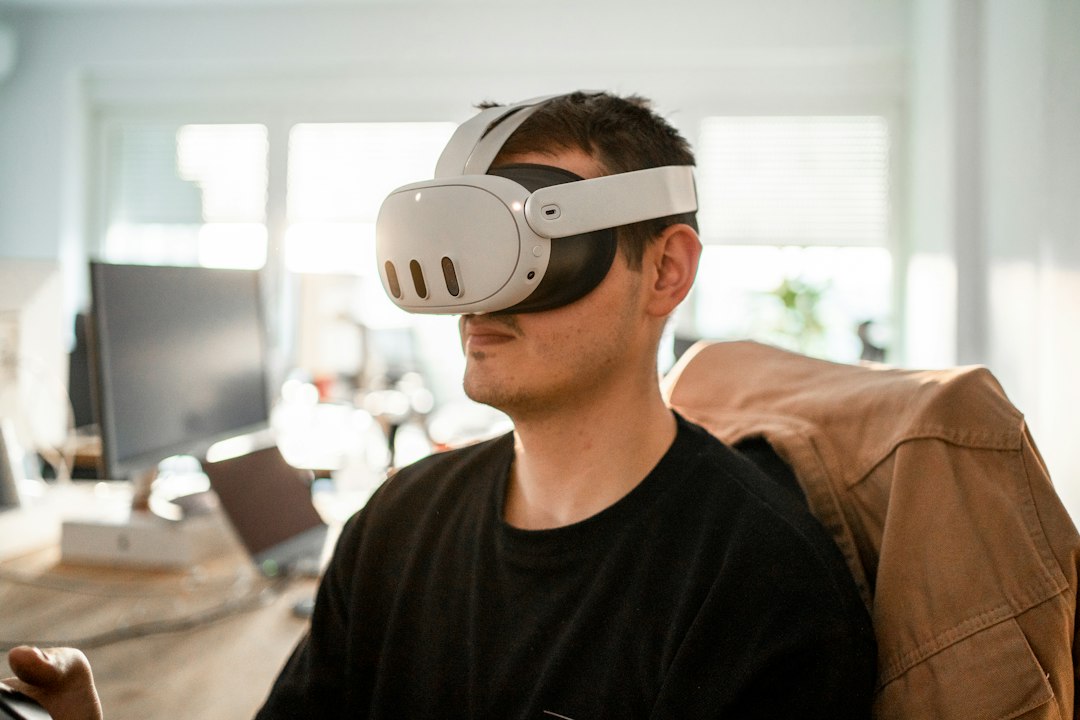
As the market for lightweight VR solutions expands, hardware engineers will need to stay ahead of trends and consumer demands. The competitive landscape will require them to innovate continuously, ensuring that their designs meet the evolving needs of users. Career Ahead analysis shows that engineers who can adapt to these changes will be well-positioned for success in the growing VR market.
Frequently Asked Questions
What new skills do VR developers need for glasses-based applications?
VR developers must learn to design applications that prioritize user-friendly interfaces and leverage new interaction methods like eye-tracking and gesture controls. As the technology evolves, developers will need to adapt their skills to meet the demands of lightweight VR solutions.
How will Meta’s glasses affect the current VR hardware market?
Meta’s VR Glasses are likely to shift the focus of the hardware market towards lighter, more compact devices. This change may drive competition among manufacturers to create innovative solutions that enhance user experience while maintaining performance.
What should hardware engineers consider when designing for VR glasses?
Hardware engineers need to focus on optimizing performance across the glasses and the separate computing puck. This includes ensuring effective connectivity and minimizing latency to provide a seamless user experience.
Leave a Reply