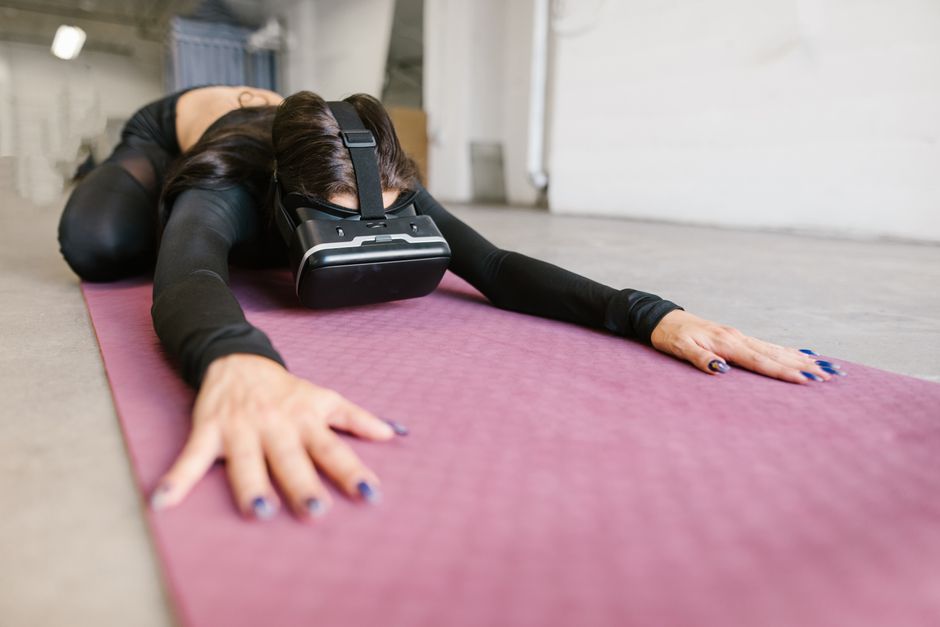
Meta has unveiled its new VR glasses priced at $1,299, featuring advanced eye tracking, hologram calls, and AI capabilities. This announcement was made during the Meta Connect 2026 event held on September 23-24 in California. The glasses are set to launch in spring 2027, aiming to enhance user interaction in virtual environments.
The introduction of these glasses marks a significant shift in the VR landscape, particularly for developers focused on creating immersive applications. With a focus on usability and interactivity, these glasses are designed to cater to both VR developers and augmented reality engineers, providing them with new tools to innovate.
Eye Tracking Technology and Its Development Opportunities
One of the standout features of Meta’s new VR glasses is the integration of eye tracking technology. This feature allows applications to respond to users’ gaze, creating a more interactive and engaging experience. For VR developers, this opens up numerous opportunities to create applications that can adapt to users’ focus and attention.
Career Ahead’s analysis finds that the implementation of eye tracking can significantly enhance user experience in gaming, training simulations, and educational tools. Developers can create scenarios that react dynamically based on where users are looking, which can lead to more intuitive interactions and deeper immersion. Furthermore, as noted by Quartz, the eye tracking technology could enable developers to create more personalized experiences, allowing applications to adjust content based on user engagement levels.
Moreover, augmented reality engineers can leverage eye tracking to improve user interfaces and interactions within AR environments. By understanding where users direct their attention, engineers can design more effective overlays and information displays that enhance the overall user experience. As the demand for more personalized and responsive applications grows, developers who can effectively integrate eye tracking technology into their projects will likely find themselves at a competitive advantage. This trend could lead to a new wave of applications that prioritize user engagement and interaction.
With the anticipated launch of these glasses, developers are encouraged to explore the potential of eye tracking technology and consider how it can be utilized in their current and future projects. The shift towards more interactive designs signifies a growing skill gap in this area, which developers should be prepared to address.
In addition to enhancing user experience, the eye tracking feature could also have implications for accessibility. By allowing applications to respond to gaze direction, developers can create tools that cater to users with disabilities, making VR and AR experiences more inclusive.
Impact of Hologram Calls on Remote Collaboration Tools
The introduction of hologram calls is another groundbreaking feature of Meta’s new VR glasses. This capability allows users to engage in virtual meetings with lifelike representations of other participants, enhancing the sense of presence during remote interactions. For VR developers, this innovation presents a unique opportunity to redefine how remote collaboration tools are built and utilized.
Career Ahead research indicates that as remote work becomes increasingly prevalent, the demand for advanced collaboration tools will rise. Hologram calls can make remote meetings more engaging and effective, addressing some of the challenges faced in traditional video conferencing. Developers can create applications that incorporate holographic representations, enabling users to feel more connected despite physical distances. According to Yahoo Finance, this feature could revolutionize industries such as healthcare and education, where visual representation is crucial for effective communication.
Furthermore, the ability to project holograms can be particularly beneficial in fields such as healthcare, education, and design, where visual representation is crucial. For instance, medical professionals could use holographic consultations to discuss complex cases, while educators might leverage this technology to create interactive learning experiences. The immersive nature of hologram calls could facilitate better collaboration among teams, allowing for real-time feedback and brainstorming sessions that mimic in-person interactions.
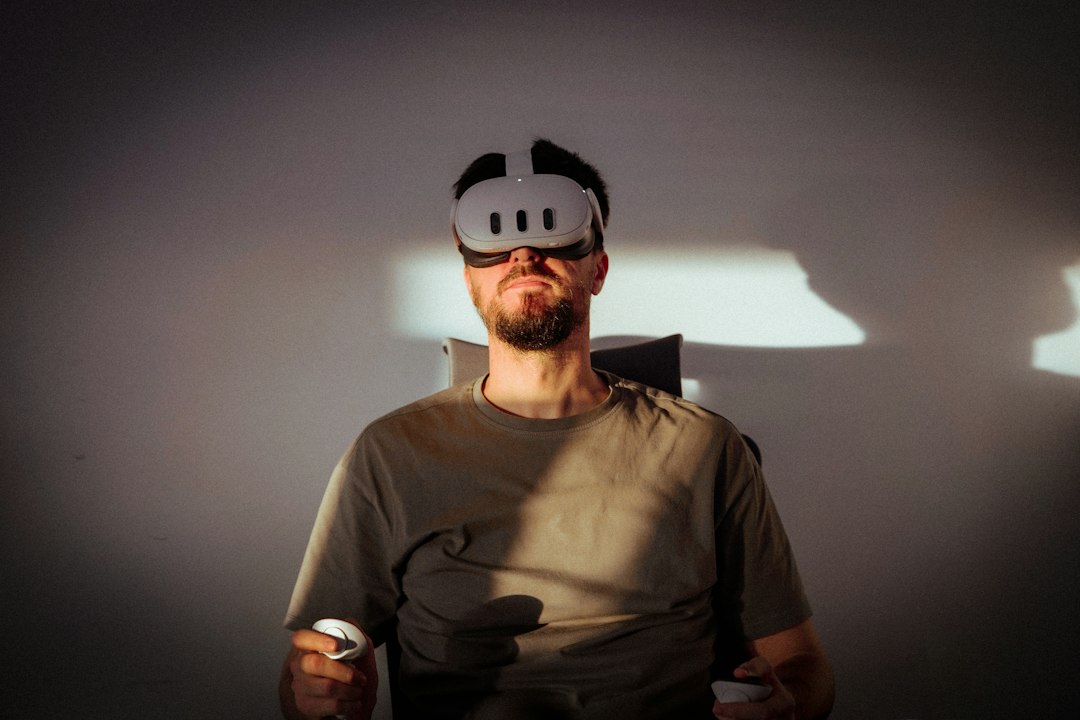
As VR developers begin to explore the integration of hologram calls into their applications, they should consider the technical requirements and user experience implications. This feature could lead to a paradigm shift in how virtual meetings are conducted, fostering a more collaborative and immersive environment. The potential for hologram calls to enhance remote collaboration is vast, and as companies increasingly adopt such technologies, the demand for skilled developers in this area is likely to grow.
Moreover, the integration of hologram technology into everyday communication could also lead to new business models and revenue streams for developers, as organizations seek to invest in more effective remote working solutions.
Overall, the introduction of Meta’s VR glasses marks a significant turning point for developers in the VR and AR space. As they prepare for the 2027 launch, the focus will be on how to effectively utilize these new features to create innovative applications that meet the demands of users.
Frequently Asked Questions
What are the development opportunities with Meta’s new VR glasses?
Meta’s new VR glasses offer development opportunities through features like eye tracking and hologram calls. Developers can create applications that utilize these technologies to enhance user interaction and engagement in virtual environments.
How can augmented reality engineers utilize eye tracking technology?
Augmented reality engineers can leverage eye tracking technology to improve user interfaces and interactions. By understanding users’ focus, they can design more effective overlays and information displays that enhance the overall user experience.

What should VR developers do about the new AI features in Meta’s VR glasses?
VR developers should explore the integration of AI features to create more intuitive applications. By implementing voice commands and personalized experiences, they can enhance user engagement and streamline workflows in their projects.
Leave a Reply