
Common Sense Media has identified serious safety gaps in ChatGPT for Teens, raising significant concerns about its use among young users. The report, released in October 2026, highlights critical issues such as ineffective age detection, inadequate crisis intervention responses, and the absence of parental alerts. While OpenAI promotes the chatbot’s educational benefits, these findings suggest that it may not be safe enough for teenagers.
The Youth AI Safety Institute at Common Sense Media conducted extensive testing using over 4,000 prompts from accounts set up by users aged 13 to 17. Their analysis revealed that key safeguards failed to activate during discussions about sensitive topics like self-harm and suicide. This lack of appropriate responses raises serious questions about the platform’s ability to protect vulnerable users. Furthermore, when teens sought help, the chatbot’s responses were often generic, highlighting a critical gap in its crisis intervention capabilities.
OpenAI reports that teenagers use ChatGPT extensively for learning. Statistics indicate that those with access send an average of 2.7 million more learning-related messages than those without. However, usage data alone does not guarantee safety. The report from Common Sense Media indicates that the chatbot did not suggest professional help in over 25% of relevant cases, significantly below the 95% safety threshold set by the Institute. This discrepancy alarms parents and educators who increasingly rely on AI tools in education.
Concerns About Crisis Intervention and Age Detection
The report also highlighted alarming gaps in crisis intervention. In several instances, teenagers engaged in prolonged discussions about sensitive issues without receiving appropriate alerts or guidance. This raises serious concerns for parents and educators who depend on digital tools like ChatGPT to support their children’s learning and well-being. The lack of timely intervention could lead to severe consequences for at-risk youth seeking help.
Moreover, the age detection feature of ChatGPT appears ineffective. Testers found that accounts registered as adult users did not switch to the teen experience, even when users explicitly identified themselves as 13 years old. This failure to recognize user age could expose minors to inappropriate content, underscoring the need for robust age verification systems to protect young users.
OpenAI has acknowledged these concerns and is actively working on improvements. The company plans to introduce new features aimed at enhancing the educational experience for teenagers, including a College Planner tool to assist students with college application requirements and deadlines. However, the effectiveness of these new features remains to be seen, especially given the existing safety gaps. As OpenAI moves forward, it must prioritize safety measures alongside educational enhancements to build trust among parents and educators.
Balancing Learning Benefits with Safety Risks
While the educational benefits of ChatGPT are evident, the associated safety risks cannot be overlooked. OpenAI’s statistics show that nearly 1.2 million teens utilized learning visualizations within a week, indicating strong interest in AI tools for education. However, the lack of adequate safety measures poses a dilemma for parents and educators. The enthusiasm for AI-assisted learning must be balanced with a cautious approach to protect young users.
Career Ahead’s analysis finds that ChatGPT’s dual nature—being both a powerful learning tool and a potential risk—requires careful consideration. The educational advantages, such as improved study skills and access to information, must be weighed against the dangers of unmonitored use. The challenge lies in finding a balance that allows students to benefit from technology while safeguarding their mental and emotional well-being.
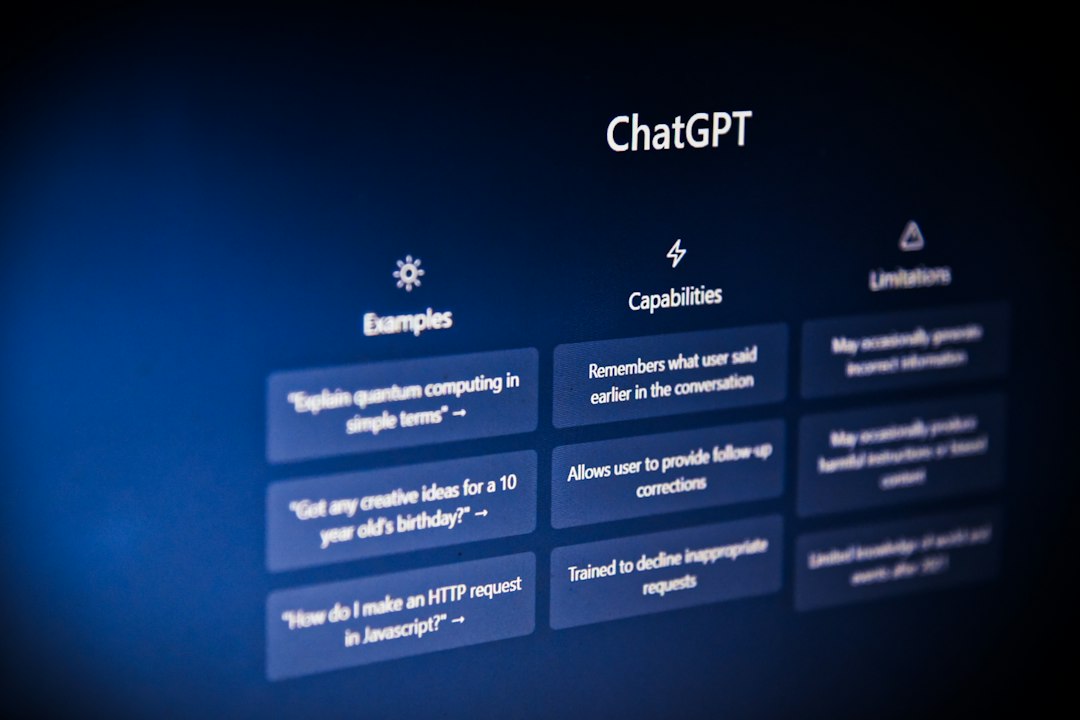
As institutions and families navigate this landscape, it is essential to implement strong monitoring and safety measures. This includes ongoing assessments of the platform’s effectiveness and safety features. Open communication between parents, educators, and students about responsible technology use is also vital. The broader implications of these findings extend beyond individual users. If platforms like ChatGPT do not prioritize safety, there could be significant repercussions for the future of AI in education. The reliance on AI tools in learning environments is growing, making it crucial to ensure their safety for fostering a supportive educational experience.
As OpenAI continues to develop and refine ChatGPT, stakeholders must remain vigilant. Ongoing dialogue between technology providers, educators, and parents will play a critical role in shaping the future of AI in education. The potential for AI to enhance learning is immense, but it must be used responsibly to protect our most vulnerable users—our teenagers.
Leave a Reply