
Bridgewater Associates’ CIO Greg Jensen has raised serious concerns about artificial intelligence (AI) and its potential threat to humanity. In a recent discussion, Jensen, a strong advocate for AI, warned that its rapid advancement could lead to scenarios that endanger human existence. This warning comes at a crucial time when financial leaders are reassessing their strategies due to AI’s implications.
Jensen’s comments stress the need for investment strategists and risk management professionals to rethink their approaches. The effects of AI go beyond financial metrics; they involve ethical issues and possible catastrophic outcomes. As hedge funds and financial institutions increasingly use AI, they must carefully evaluate the risks tied to these technologies. A report from Investing.com indicates that Jensen specifically noted AI could disrupt financial markets and entire industries, leading to unforeseen consequences that threaten human safety and stability.
Investment Strategies in the Age of AI
As AI evolves, its impact on investment strategies is significant. Jensen pointed out that the financial sector must prepare for changes in how investments are assessed and managed. This may involve prioritizing companies that use AI effectively while addressing its ethical implications.
Investment strategists need to understand how AI technologies can change market dynamics. AI can process large amounts of data and make predictions. Firms that do not adapt may find themselves at a disadvantage. Integrating AI into investment strategies will require a deep understanding of the technology and its broader societal effects. A recent podcast on Omny emphasized that the financial industry should create new metrics that consider the ethical use of AI, ensuring investment decisions reflect both profitability and societal impact.
Furthermore, growing concerns about AI’s existential risks mean ethical considerations will play a crucial role in investment decisions. Firms that focus on responsible AI use may attract investors who care about the ethical aspects of their portfolios. This trend shows the need for investment strategies to evolve with technology, making ethics a core part of investment frameworks.
Revamping Risk Assessment for AI
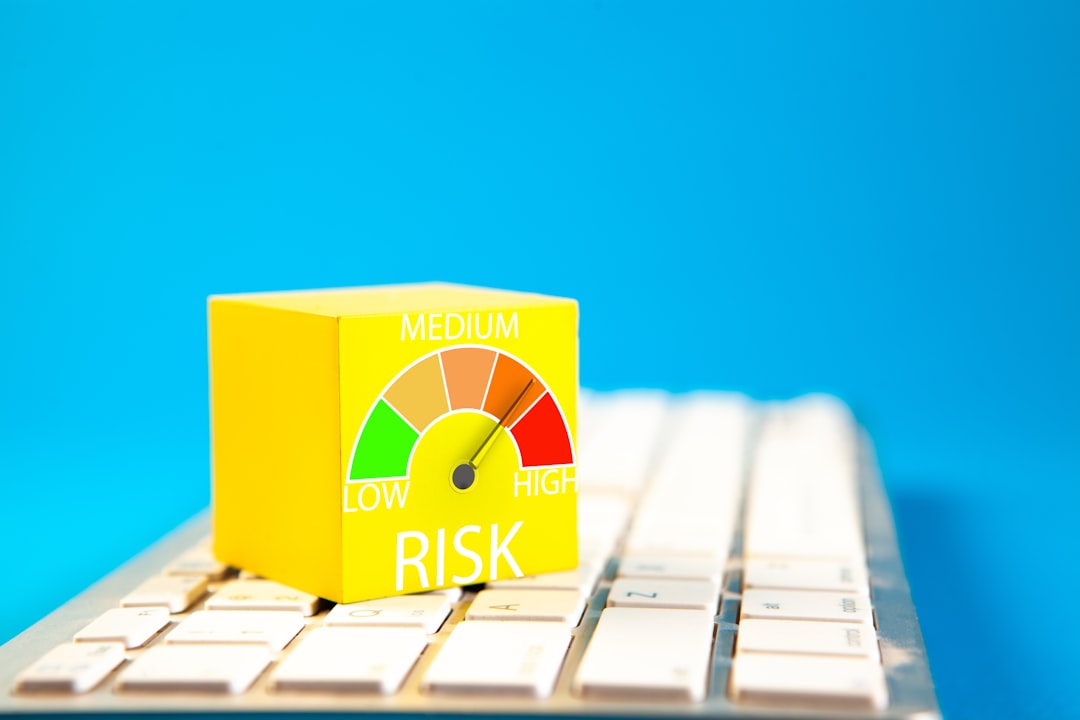
The need to improve risk assessment frameworks due to AI’s potential threats is urgent. Traditional risk management methods may not effectively address the unique challenges of AI technologies. As Jensen noted, the financial sector must create strong frameworks that consider AI’s unpredictable nature and its potential consequences.
A key part of this improvement is interdisciplinary collaboration. Risk management professionals should work closely with AI experts to understand the technology’s strengths and weaknesses. This teamwork will help identify risks and develop effective strategies to mitigate them. Additionally, insights from various fields, including ethics, sociology, and technology, will provide a fuller understanding of AI’s societal impact.
Moreover, financial institutions should adopt dynamic risk assessment models that can adjust to the fast-changing AI landscape. These models should evaluate current risks and potential future scenarios from AI advancements. By proactively addressing these risks, firms can better navigate uncertainties linked to AI. As regulations around AI evolve, financial leaders must stay informed about new regulations and adjust their risk management strategies accordingly.
Transparency and Ethical AI Practices
Jensen’s insights also suggest that the financial industry may see increased demand for transparency regarding AI usage. Investors will likely want to know how firms implement AI and what safeguards are in place to reduce risks. This shift could create a new standard in investment reporting, where ethical AI practices are highlighted alongside financial performance. As finance changes, firms must clearly communicate their AI strategies to build trust among stakeholders.
In summary, improving risk assessment frameworks is vital for financial institutions as they incorporate AI into their operations. By prioritizing collaboration, adopting dynamic models, and staying updated on regulatory changes, firms can navigate AI’s complexities while protecting their interests. Jensen’s warnings resonate throughout the industry, highlighting the need for ethical and responsible AI deployment and urging financial leaders to act decisively.

Frequently Asked Questions
What should investment strategists consider about AI risks?
Investment strategists should think about the ethical implications of AI and its potential to disrupt traditional markets. Understanding these risks is crucial for developing strong investment strategies.
How can risk management professionals prepare for AI-related challenges?
Risk management professionals should enhance their frameworks by collaborating with AI experts and using dynamic models that can adapt to changing AI landscapes. This proactive approach will help manage potential risks effectively.
What steps should hedge funds take to address AI’s potential threats?
Hedge funds should focus on transparency in their AI practices and set ethical guidelines for AI use. This focus will protect their interests and boost investor confidence in their operations.
Leave a Reply