
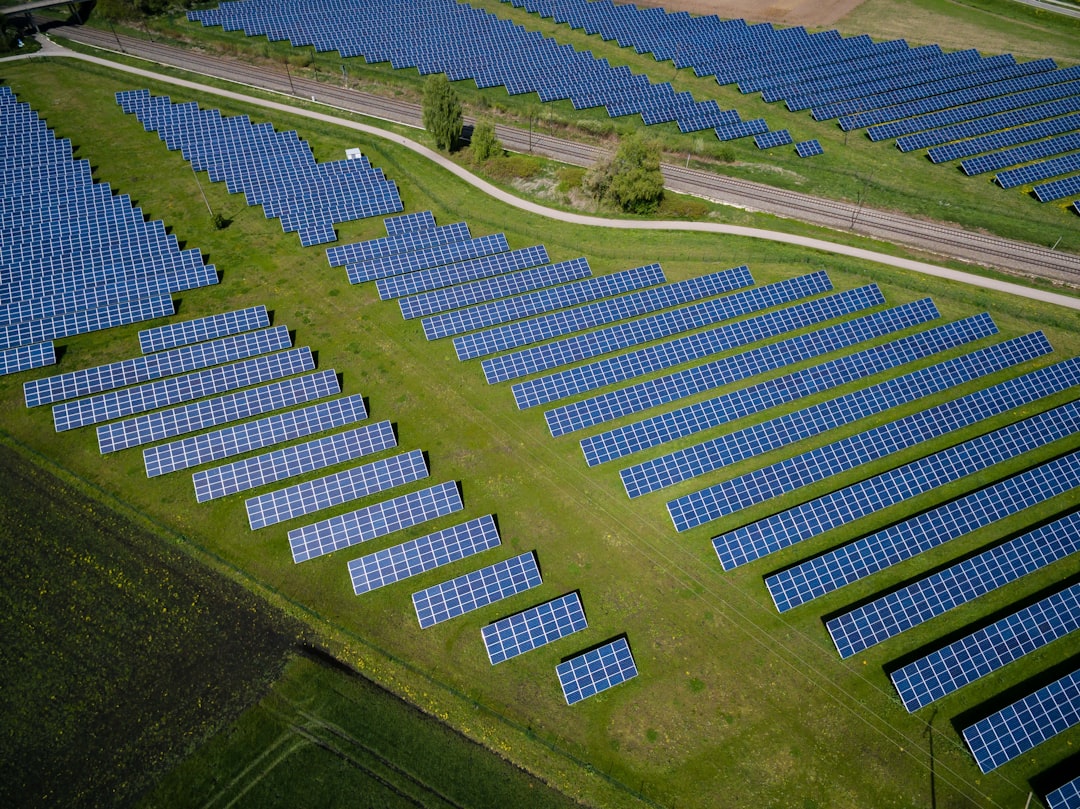
UK-based Drax has secured a £1.1 billion loan from JPMorgan and Santander to finance its solar energy initiatives, marking a significant milestone in the renewable energy sector. This deal highlights the growing trend of institutional investment in renewable energy, particularly solar projects, which are increasingly seen as viable and essential for meeting future energy needs.
The loan aims to support Drax’s expansion into solar energy, allowing the company to diversify its energy portfolio. By leveraging this substantial financing, Drax plans to enhance its renewable energy generation capacity, aligning with the UK’s broader goals of reducing carbon emissions and transitioning to sustainable energy sources. This move is particularly timely as the UK government has set ambitious targets for renewable energy generation, aiming for 70% of electricity to come from renewable sources by 2030.
Institutional Investment Trends in Renewable Energy
The involvement of major financial institutions like JPMorgan and Santander in this loan reflects a broader trend in the financial sector towards renewable energy investments. Career Ahead analysis finds that institutional investors are increasingly prioritizing sustainable projects, driven by both regulatory pressures and a growing recognition of the financial viability of renewable energy. Reports from Bloomberg indicate that global investments in renewable energy reached record highs, with solar energy projects attracting significant capital. This trend is further supported by a recent analysis from Yahoo Finance, which highlighted that the global solar market is expected to grow substantially, with investments projected to exceed $200 billion annually by 2025. This surge is fueled by decreasing technology costs and increasing energy demands.
Moreover, the rise of environmental, social, and governance (ESG) criteria in investment decision-making is pushing banks and investors to allocate more resources to sustainable projects. Financial institutions are now more likely to finance solar initiatives, as evidenced by the Drax loan, which serves as a benchmark for future investments in the sector. The Drax deal not only signals confidence in solar energy but also sets a precedent for future financing deals in the renewable space. As institutional investors increasingly seek to align their portfolios with sustainability goals, the expectations for returns on renewable energy investments are also evolving, making these projects more attractive.
As a result, investment banking professionals should closely monitor these trends, as they indicate a shift in how capital is allocated within the energy sector. The Drax loan exemplifies how traditional financing models are adapting to support the transition to a more sustainable energy future. Additionally, this shift may encourage other banks to follow suit, creating a ripple effect in the market that could lead to further investments in renewable energy projects.
Implications for Investment Banking Professionals
The £1.1 billion loan for Drax’s solar project has several implications for investment banking professionals looking to engage in renewable energy financing. With major banks backing such deals, there is a clear signal that renewable energy projects are becoming more attractive to investors. This shift presents new opportunities for investment bankers to facilitate financing arrangements that support sustainable energy initiatives. The growing interest from institutional investors also means that investment bankers will need to develop a deeper understanding of the unique challenges and opportunities presented by renewable energy projects.
Professionals in the investment banking sector must adapt their strategies to align with the increasing demand for renewable projects. As institutional investors seek to diversify their portfolios with sustainable assets, bankers should focus on developing expertise in renewable energy financing and understanding the specific needs of these projects. This includes familiarity with various financing structures, such as green bonds and power purchase agreements, which are becoming more prevalent in the renewable energy landscape.
Furthermore, as the renewable energy landscape evolves, investment bankers will need to stay informed about regulatory changes and market dynamics that could impact financing strategies. The Drax loan exemplifies how traditional financing models are adapting to support the transition to a more sustainable energy future. Additionally, the collaboration between banks and energy companies is becoming increasingly crucial, as investment banking professionals can play a vital role in structuring financing solutions that meet the unique requirements of renewable energy projects.
In summary, the Drax solar deal signifies a turning point for renewable energy investments, with implications for investment banking professionals who must navigate this rapidly changing landscape. The ability to identify and capitalize on emerging opportunities in renewable energy financing will be essential for success in the coming years.
Looking ahead, the renewable energy sector is poised for significant growth, driven by increasing demand for clean energy solutions. The Drax loan is just one example of how institutional investment is shaping the future of renewable energy financing. As more projects are funded, the market dynamics for renewable energy investments will continue to evolve.
Career Ahead research indicates that the trend towards renewable energy financing will likely accelerate in the coming years. With governments worldwide committing to ambitious climate targets, the demand for solar and other renewable energy projects will only increase. This presents a unique opportunity for investment banking professionals to engage in a growing market. Moreover, as technological advancements continue to reduce the costs of solar energy production, the financial viability of such projects will improve, attracting even more institutional investment. The Drax deal may serve as a catalyst for additional financing opportunities in the renewable sector, encouraging other banks to follow suit.
In conclusion, the Drax solar project financing represents a significant step towards a sustainable energy future, with the potential to reshape investment strategies in the renewable energy sector. As the market evolves, investment banking professionals must remain agile and responsive to the changing landscape, positioning themselves to capitalize on emerging opportunities.
Frequently Asked Questions
What are the implications of Drax’s solar deal for renewable energy investments?
The £1.1 billion loan for Drax’s solar project indicates a growing trend of institutional investment in renewable energy. This shift suggests that solar projects are becoming more attractive to investors, leading to increased financing opportunities in the sector.
How do major banks like JPMorgan and Santander influence the renewable energy market?
JPMorgan and Santander’s involvement in financing renewable energy projects reflects a broader trend where major banks are prioritizing sustainable investments. Their support not only provides essential capital but also sets a precedent for future financing in the renewable energy sector.

What should investment banking professionals consider when evaluating renewable energy projects?
Investment banking professionals should focus on understanding the unique needs of renewable energy projects, including regulatory requirements and financing structures. Staying informed about market trends and technological advancements will also be crucial for success in this evolving landscape.
Leave a Reply