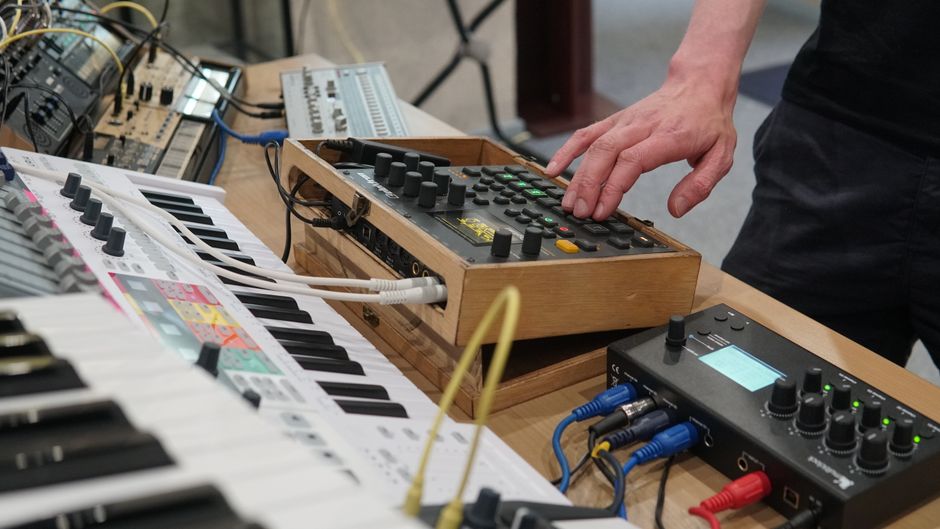
Teenage Engineering, a well-known name in synthesizers, announced it will stop making synths, including the iconic OP-1, by October 2026. CEO Jesper Kouthoofd revealed this decision in an interview. It marks a significant shift for the company and the electronic music scene.
The OP-1 has been a favorite for many electronic musicians since its launch in 2011. It is known for its unique design and versatility. Kouthoofd mentioned that the company wants to move away from hardware production. They believe their future lies beyond just making music gear. This raises concerns about the availability of innovative electronic instruments in the market.
Reduced Competition in the Synth Market
Teenage Engineering’s exit from the synth market could reduce competition, which has historically driven innovation. The company is recognized for its creative designs and user-friendly interfaces, making it popular among musicians. With its departure, the market may shift towards larger companies that may not prioritize innovation.
Career Ahead analysis shows that the synth market has already seen consolidation in recent years. Many smaller companies struggle to compete against established brands. Losing Teenage Engineering could worsen this trend, leading to fewer choices for musicians seeking unique instruments.
As larger companies take more market share, they may focus more on profits than creativity. Musicians who rely on innovative tools may find their options limited, which could stifle their creative process.
The impact of reduced competition may extend beyond product availability. It could also slow the development of new technologies that enhance music production. This has been a hallmark of Teenage Engineering’s contributions to the industry. As the market changes, musicians might need to adapt to a narrower range of tools, influencing their creative output.
In light of these changes, electronic musicians must stay alert to the evolving market. Understanding which companies prioritize innovation will be crucial for those looking to stay ahead in their craft.
Impact on Electronic Music Production
The end of synth production by Teenage Engineering will likely have significant effects on electronic music production. The OP-1 has been a game-changer for many artists, offering a portable and powerful solution for music creation. Its unique features have allowed musicians to experiment and push the boundaries of their sound.
With Teenage Engineering stepping back from hardware, musicians may need to explore alternative instruments or software solutions. This shift could lead to a greater focus on digital tools and plugins as musicians seek to replicate the versatility of Teenage Engineering products.
Career Ahead research points to a potential shift in consumer preferences towards software-based instruments. Many musicians already use digital audio workstations (DAWs) and VST plugins for music creation. The absence of innovative hardware options may speed up this trend, increasing demand for companies that specialize in software solutions.
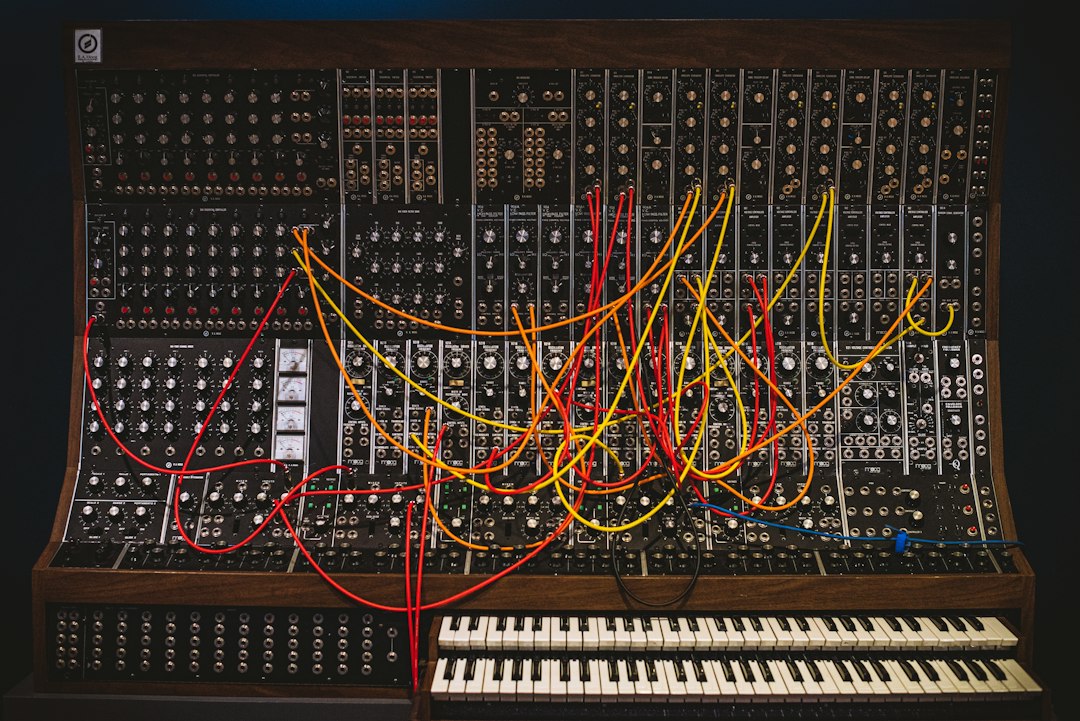
Additionally, this move could spark a resurgence in DIY synthesizer building. Musicians may seek to fill the gap left by traditional manufacturers. This grassroots approach to music production could foster a new wave of creativity as artists experiment with building or modifying their own instruments.
Ultimately, the end of Teenage Engineering’s synth production could reshape the electronic music landscape. Musicians will need to rethink their approach to music creation. As they navigate this transition, artists must remain adaptable and open to exploring new tools and methods.
Potential Shift in Consumer Preferences
The decision to stop synthesizer production may reflect broader trends in consumer preferences within the music industry. As technology evolves, musicians are increasingly looking for tools that meet their creative needs and align with their values, such as sustainability and versatility.
Teenage Engineering has built a reputation for high-quality, aesthetically pleasing products that appeal to a design-conscious audience. The company’s exit from synth production could signal a shift towards more sustainable practices in music technology. Musicians may begin to favor brands that prioritize eco-friendly manufacturing processes.
Career Ahead’s analysis finds that this trend could lead to a rise in popularity for modular synthesizers and other customizable options. Musicians may seek to create unique setups that reflect their individual styles. This shift may encourage manufacturers to innovate in ways that cater to these preferences, potentially revitalizing the market.
Moreover, as the landscape changes, musicians may gravitate towards brands that offer strong community support. The rise of online platforms and forums has empowered musicians to share knowledge and collaborate. This sense of belonging may influence their purchasing decisions.
As the market adapts to these changes, manufacturers must pay close attention to emerging consumer preferences. Understanding what motivates musicians’ choices will be key to staying relevant in an evolving industry.
In this context, the future of music technology may depend on brands’ ability to innovate and respond to the diverse needs of their audience.
Teenage Engineering’s decision to cease synthesizer production raises important questions about the future of electronic music and the tools musicians will rely on. As the industry changes, the implications for innovation, creativity, and consumer preferences will be critical to watch. Will new players emerge to fill the void left by Teenage Engineering, or will established brands dominate the market? The answers to these questions will shape the future of music technology and the experiences of musicians everywhere.
Frequently Asked Questions
What are the implications of Teenage Engineering stopping synth production for electronic musicians?
Career Ahead analysis shows that the end of Teenage Engineering’s synth production could reduce competition and limit innovative options for musicians. This may stifle creativity and restrict the tools available for music production.
How can synth manufacturers adapt to the changing market landscape?
Synth manufacturers may need to focus on innovation and sustainability to stay competitive. By understanding emerging consumer preferences and investing in new technologies, they can differentiate themselves in a consolidating market.
What should electronic musicians consider when choosing alternative instruments?
Musicians should evaluate the versatility, sustainability, and community support of alternative instruments. As the market shifts, understanding their motivations will be crucial for finding tools that align with their creative needs.
Leave a Reply