
Colleges across India are revamping their curricula to incorporate artificial intelligence (AI) and industry skills, aiming to better prepare students for a rapidly evolving job market. This initiative is part of a broader trend among educational institutions nationwide to align their programs with the skills that employers are increasingly demanding. As of September 2026, several colleges have reported significant changes to their syllabuses, focusing on practical skills and industry relevance.
The push for curriculum updates is largely driven by feedback from local industries, which are seeking graduates equipped with modern skills. For instance, Bharata Mata College in Kochi has recently introduced Python programming into its physics syllabus after discovering that graduates lacked familiarity with essential software used in various fields. Academic director Johnson K M noted that the college’s autonomous status allows for more frequent updates to the curriculum based on industry needs. This flexibility is crucial as it enables the institution to respond swiftly to the fast-paced changes in technology and job requirements.
Curriculum Innovations Across Indian Colleges
Colleges like Sacred Heart College and Rajagiri College of Social Sciences in Kochi are also adapting their programs to include AI components. Sacred Heart College has established a board of studies that meets biannually to review and update the syllabus based on industry feedback. This approach allows for the integration of real-world applications into their courses, such as teaching the use of agentic AI in business administration. The college’s commitment to staying current is reflected in its partnerships with local businesses, which provide insights into the skills that are most in demand.
Rajagiri College has taken a proactive stance by involving industry representatives in its curriculum development process. Associate director Binoy Joseph highlighted that the college collects feedback from recruiters and alumni, which is then utilized to inform the curriculum committee. This ensures that the courses remain relevant and prepare students for the challenges they will face in the workforce. Furthermore, Rajagiri College has implemented workshops and seminars led by industry professionals, allowing students to gain firsthand knowledge of the latest trends and technologies.
Additionally, Cochin University of Science and Technology (Cusat) has announced plans to introduce a flexible curriculum that allows for 20% of the syllabus to be periodically updated. This flexibility is aimed at incorporating emerging technologies, research findings, and industrial practices into the academic framework, ensuring that students are learning the most relevant skills. According to a report from the Economic Times, this initiative is part of a broader strategy to enhance the employability of graduates by aligning educational outcomes with market needs.
The focus on updating curricula is not limited to technical skills. Colleges across India are also emphasizing the importance of soft skills, which are critical for success in the workplace. By integrating these skills into the curriculum, colleges are helping students become more well-rounded candidates for employment. The inclusion of communication, teamwork, and problem-solving skills is increasingly recognized as essential for graduates, as employers seek individuals who can adapt to dynamic work environments.
Collaborations with Industry to Enhance Learning
The collaboration between colleges and local industries is a significant aspect of this educational shift. By working closely with businesses, colleges can ensure that their programs are tailored to meet the specific needs of the job market. This relationship is essential for enhancing student employability and ensuring that graduates are ready to enter the workforce. For example, the introduction of industry experts as professors of practice at Sacred Heart College allows students to learn directly from professionals who are currently working in their fields. This hands-on approach provides students with valuable insights into the practical applications of their studies and prepares them for real-world challenges.
Moreover, the increasing number of students migrating abroad for higher education has prompted colleges to offer unique programs that appeal to both local and international students. By aligning their curricula with industry demands, colleges in Kochi and across India are not only enhancing the employability of their graduates but also attracting a broader student base. This trend is supported by the growing interest in technology and innovation among students, as they seek programs that will provide them with a competitive edge in the global job market.
Career Ahead’s analysis finds that these changes are likely to have a lasting impact on the educational landscape in India. As colleges continue to adapt their programs to meet the needs of the job market, students can expect to graduate with skills that are in high demand. This trend may lead to improved placement rates and better job opportunities for graduates nationwide. The integration of AI and industry skills into the curriculum also reflects a wider recognition of the importance of technology in various sectors. As industries increasingly rely on AI and data-driven decision-making, students equipped with these skills will be better positioned to succeed in their careers.
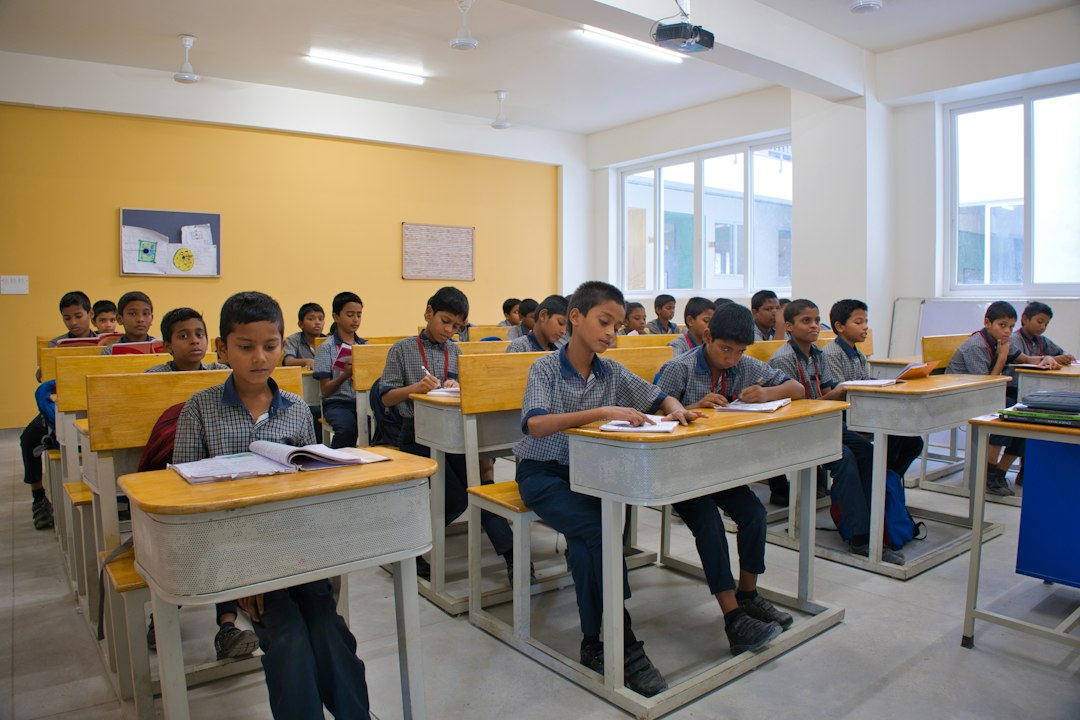
As colleges across India continue to evolve in response to industry demands, it will be interesting to see how this trend influences educational practices globally. Will other countries follow suit, and how will this impact the future workforce? The answers to these questions may shape the next generation of professionals in a rapidly changing job market. The proactive measures taken by institutions in Kochi serve as a model for educational reform, emphasizing the need for continuous adaptation to meet the evolving landscape of employment.
Frequently Asked Questions
What AI skills should engineering students in India focus on?
Engineering students in India should focus on programming languages such as Python, as well as machine learning and data analysis skills. These competencies are increasingly sought after by employers in various industries.
How can business students in India benefit from the new curriculum changes?
Business students can benefit from the new curriculum by gaining exposure to AI applications in business, enhancing their understanding of modern hiring practices, and developing essential soft skills that are critical for success in the workplace.

What industry partnerships are influencing educational reforms in India?
Partnerships with local industries, such as those established by Rajagiri College and Sacred Heart College, are influencing educational reforms across India. These collaborations ensure that curricula are aligned with the skills and knowledge that employers are looking for in graduates.
Leave a Reply