Tag: UPI

  • Bank Strike Disrupts UPI and ATM Services

    Bank Strike Disrupts UPI and ATM Services

    A three-day nationwide bank strike is planned from September 28 to 30, 2026. The United Forum of Bank Unions (UFBU), a coalition of seven unions, proposed this action. The strike aims to address grievances in the banking sector, including demands for better wages and working conditions. The State Bank of India (SBI) has warned customers about possible disruptions to banking services, especially UPI, ATM, and internet banking operations during this time.

    This strike occurs when digital transactions are crucial for everyday banking. Customers should complete essential banking tasks before the strike to avoid issues. SBI’s notice states they will try to maintain essential services, but employee participation in the strike may greatly affect operations. According to a report by Mint, the strike could disrupt over 100,000 bank branches nationwide.

    Disruption of UPI Services and Digital Transactions

    UPI (Unified Payments Interface) has changed how transactions happen in India. It allows quick and easy money transfers. However, during the strike, UPI services may face major disruptions. SBI encourages customers to use digital channels like mobile banking and YONO for transactions. Still, the effectiveness of these channels may be limited if many bank staff join the strike. The Business Standard reported that past strikes led to a drop in service efficiency, leaving many customers unable to complete transactions.

    Career Ahead’s analysis suggests the strike could create a backlog of transactions. This is especially true for services needing bank verification or support. Customers who rely on UPI for daily payments may struggle to make transactions. This affects everything from bill payments to online shopping. The impact is significant for salaried professionals who need timely transactions for their financial commitments. Additionally, transaction failures during the strike could frustrate users, leading to errors or delays in payments.

    While digital channels are recommended, not all banking services can be done online. Services like loan approvals and account openings, which need physical documents, will likely be delayed. This shows the need to plan ahead for banking needs, especially for urgent fund access. As the strike date nears, customers should consider alternative payment methods. Options like cash transactions or using customer service points (CSPs) may help reduce the impact of UPI disruptions. However, these alternatives might not be as convenient for larger transactions.

    In summary, the potential disruption of UPI services during the strike highlights the need for customers to prepare. By understanding the limits of digital banking during this time, individuals can manage their financial responsibilities better. Many businesses now rely on UPI for transactions, which could have broader economic effects if disruptions are significant.

    Limited Access to ATM Services

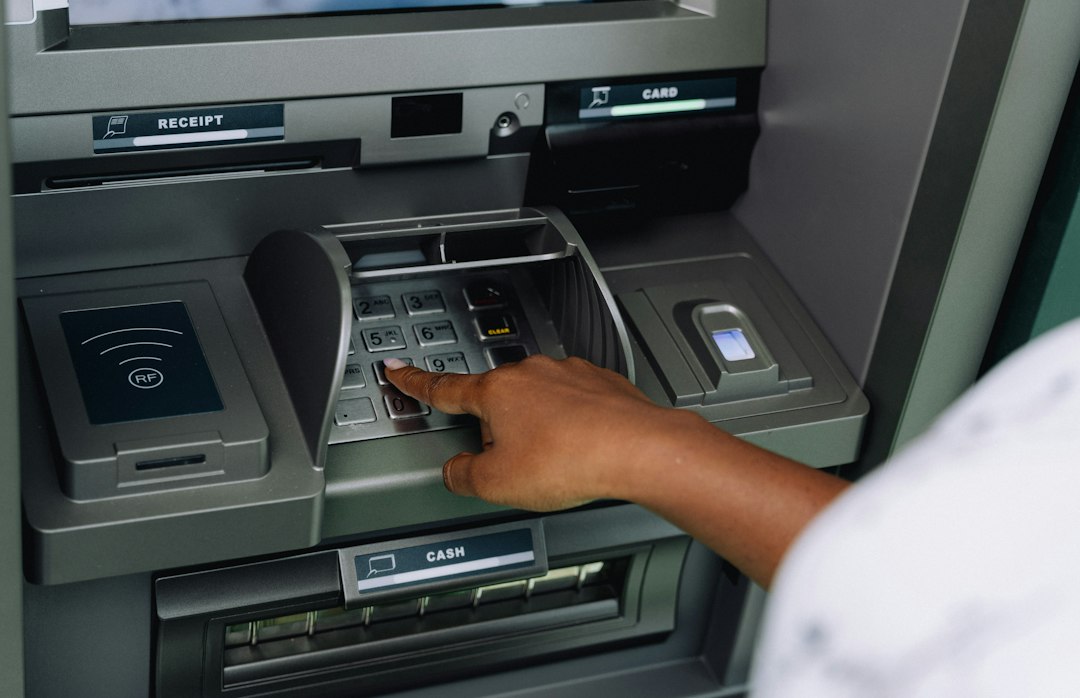
    The upcoming bank strike will also impact ATM services nationwide. While SBI advises customers to use ATMs for cash withdrawals, funds may be limited due to the strike. Many ATMs are restocked by bank staff, and high employee participation in the strike could reduce cash availability. Research from Career Ahead shows that during previous strikes, many ATMs quickly ran out of cash, leaving customers without funds when they needed them. This trend is likely to happen again, especially in urban areas with high ATM usage.

    Customers should withdraw enough cash before the strike to avoid being without funds. The strike may also lead to longer wait times at ATMs, as fewer machines might be operational. Customers could face longer lines, especially in busy areas. This situation could add to frustrations for those who depend on ATMs for daily cash needs. The Bankers Club noted that past strikes saw increased ATM queues, with many users unhappy about the lack of accessible cash during critical times.

    To handle this potential cash shortage, customers should assess their cash needs ahead of time. Understanding typical cash flow requirements around the strike can help avoid stress and complications. The limitations on ATM services during the strike remind us of the importance of being prepared. By planning ahead, customers can ensure they have the funds they need during this critical time. The potential for reduced ATM service availability could also increase reliance on digital payment methods, highlighting the need for strong digital infrastructure during disruptions.

    Bank Strike Disrupts UPI and ATM Services

    In essence, the expected outages in internet banking services underline the need for proactive measures. By being aware of potential disruptions, customers can protect their financial interests during this crucial period. As the bank strike approaches, banking customers must stay alert and ready for the upcoming disruptions. Understanding the potential impact on UPI, ATM, and internet banking services can help individuals manage their financial transactions more effectively during this challenging time.

    Frequently Asked Questions

    How can I manage my finances during the bank strike?

    Customers should finish essential banking tasks before the strike dates to avoid disruptions. It’s also wise to withdraw cash in advance and explore alternative payment methods.

    What alternative payment methods can I use if UPI is down?

    If UPI services are disrupted, customers can use cash transactions, customer service points (CSPs), or other digital payment methods that do not rely on UPI.

    Bank Strike Disrupts UPI and ATM Services

    What should banking customers do to prepare for the upcoming bank strike?

    Banking customers should evaluate their financial needs, complete pending transactions, and withdraw enough cash to cover expenses during the strike. Planning ahead can help lessen the strike’s impact.

  • e-Shram Workers Can Open Pension Accounts via Mobile

    e-Shram Workers Can Open Pension Accounts via Mobile

    India’s Pension Fund Regulatory and Development Authority (PFRDA) is set to launch a mobile system that allows workers registered on the e-Shram portal to open pension accounts directly from their smartphones. This initiative, announced by PFRDA Chairman Sivasubramanian Ramann at the Global Fintech Fest 2026, aims to enhance financial inclusion for India’s vast informal workforce, many of whom lack regular salaries or pay income tax.

    The PFRDA plans to utilize the existing e-Shram portal database, managed by the Ministry of Labour, which contains critical information that simplifies the process of opening a pension account. Workers will be able to complete their registration in just a few clicks on their mobile devices, making the service more accessible. Once accounts are created, contributions can be made using the Unified Payments Interface (UPI), a widely used payment system in India.

    Transforming Access to Pension Accounts

    Mobile technology is revolutionizing how informal workers access financial services. Many of these workers are unfamiliar with traditional banking systems, which complicates their ability to save for retirement. By enabling pension accounts to be opened via mobile, the PFRDA is dismantling significant barriers to entry. This move aligns with global trends where digital solutions are employed to assist underserved populations.

    According to analysis from Career Ahead, there is substantial potential for increased pension account registrations. The e-Shram portal currently serves millions of informal workers, and integrating pension services could motivate many to start saving for their future. This is particularly crucial given that a large portion of India’s workforce operates outside the formal economy and lacks access to traditional pension schemes. A report by Mint indicates that the PFRDA is actively developing technology to assist informal sector workers in navigating this new system.

    The streamlined account creation process is expected to enhance financial literacy among informal workers. With mobile access, these workers can easily obtain information and guidance on managing their pension accounts. Providing services in multiple languages will further facilitate understanding and engagement with these financial products, which is essential as many informal workers may not have prior experience with formal financial systems.

    Moreover, the ability to use UPI for contributions means that workers can deposit funds into their pension accounts without needing to visit a bank. This convenience is vital for informal sector workers, who often juggle multiple jobs and have limited time for traditional banking. Managing finances through a mobile platform could significantly improve their saving habits and overall financial health.

    Broader Implications for Financial Inclusion

    The PFRDA’s initiative is part of a larger effort to promote financial inclusion in India. As the government seeks to provide social security to informal workers, mobile technology plays a crucial role. By making pension accounts accessible, the PFRDA is helping individuals secure their financial futures, which in turn contributes to the country’s economic stability.

    Research from Career Ahead suggests that enhancing financial inclusion through mobile solutions can lead to increased savings rates among low-income populations. This is particularly important in a country where many workers depend on daily wages and lack a safety net. Mobile pension accounts could foster a culture of saving, which is essential for long-term economic growth. Furthermore, reports indicate that the PFRDA’s plans for UPI payments could streamline pension fund contributions, making the process more efficient.

    As the PFRDA rolls out this initiative, it could serve as a model for other financial services targeting the informal sector. Other financial institutions may adopt similar strategies, leveraging technology to meet the needs of this demographic. This could lead to a more competitive landscape where innovation results in better services for all. However, challenges remain, particularly in ensuring that workers are aware of these new offerings and know how to use them effectively. The PFRDA and other stakeholders must invest in outreach and education to maximize the benefits of this initiative.

    e-Shram Workers Can Open Pension Accounts via Mobile

    As this mobile pension account system evolves, a key question will be whether it can significantly alter the financial landscape for informal workers in India. The success of this initiative could pave the way for broader reforms in the financial sector, resulting in a more inclusive economy. The PFRDA’s commitment to utilizing technology for financial inclusion represents a significant step forward in addressing the needs of a large segment of the Indian workforce.

    Frequently Asked Questions

    How do I register for a pension account via e-Shram?

    To register for a pension account via the e-Shram portal, workers can access the mobile app or website and follow a simple step-by-step process to create their account. The PFRDA is ensuring this process is user-friendly and accessible.

    What documents do I need to open a pension account on my mobile?

    Workers registered on the e-Shram portal will primarily use the information already in the e-Shram database. This includes essential fields needed for account creation, so no additional documentation is required.

    e-Shram Workers Can Open Pension Accounts via Mobile

    What are the benefits of having a pension account as a worker registered on e-Shram?

    Having a pension account allows workers to save for retirement, ensuring financial security in their later years. It also provides access to formal financial services, which can lead to better financial literacy and management.

  • Small Finance Banks Make Big Moves

    Small Finance Banks Make Big Moves

    Mumbai, India — At the Global Fintech Fest 2026, small finance banks are making bold moves to boost their technology and improve customer experiences. Utkarsh Small Finance Bank Limited announced a new Retail Internet Banking and Mobile Banking platform with Winjit Technologies. This aims to give users a smooth digital banking experience, showing small finance banks’ commitment to innovate in a competitive market.

    Fino Payments Bank also made news by launching Cash@UPI, a service for cash withdrawals at merchant outlets in rural India. This highlights the growing role of UPI technology in expanding access to financial services for underserved communities. These banks are using technology to democratize financial services and improve customer engagement.

    Transforming Customer Experiences Through Technology

    The launch of modern banking platforms is a big step for small finance banks. Utkarsh’s partnership with Winjit Technologies aims to create a more efficient and user-friendly digital banking experience. Govind Singh, Managing Director & CEO of Utkarsh Small Finance Bank, stressed that real digital progress makes everyday interactions easier for customers. The updated platform promises to boost customer satisfaction and retention.

    Additionally, Fino Payments Bank’s Cash@UPI service lets customers withdraw cash without needing biometric authentication or special hardware. This solution uses the widespread adoption of UPI to increase merchant participation, especially in rural and semi-urban areas. Tejas Maniar, Chief Digital & Liabilities Officer at Fino Payments Bank, stated that this service will greatly improve cash access for smartphone users in Bharat. It is expected to bridge the gap between digital and physical banking, making it easier for users to manage their finances without relying only on traditional banking.

    Career Ahead’s analysis shows that these banks’ initiatives focus on technology adoption and fostering financial inclusion. By making banking services more accessible, small finance banks are addressing the needs of underserved communities. This is vital for driving economic growth in rural areas. The Global Fintech Fest 2026 provided a platform for these banks to show their commitment to innovation, with many participants optimistic about the future of fintech in India.

    As these banks keep innovating, they are likely to attract more customers looking for efficient and accessible banking solutions. Their focus on enhancing digital touchpoints will be key to their growth strategy. They aim to compete with larger financial institutions. The event also stressed the importance of customer feedback in shaping future banking products. Many banks are actively seeking input from their users to refine their offerings.

    Regulatory Changes and Their Impact on Small Finance Banks

    The regulatory landscape for small finance banks is changing, which can greatly affect their operations and growth strategies. The Reserve Bank of India (RBI) has introduced measures to promote digital banking and improve customer protection. These regulations encourage small finance banks to adopt new technologies while ensuring safety compliance. For example, the RBI’s push for digital KYC (Know Your Customer) processes has made it easier for small finance banks to onboard new customers. This shift aligns with the trend of increasing digital adoption among consumers. As a result, small finance banks can streamline operations and cut costs linked to traditional banking.

    However, regulatory changes also bring challenges. Small finance banks must navigate compliance complexities while pursuing innovative solutions. Career Ahead research shows that banks balancing innovation with regulatory compliance will be better positioned to succeed in the competitive fintech landscape. The RBI’s focus on consumer protection and data privacy means banks must invest in strong security measures to protect customer information. This can require significant resources and expertise.

    As small finance banks expand their services, they must stay alert to data security and privacy regulations. Compliance will be crucial for building customer trust and sustaining long-term growth. The proactive approach of small finance banks in adapting to regulatory changes will be vital as they seek to enhance digital capabilities and improve customer experiences. By aligning their strategies with regulatory frameworks, these banks can foster innovation while ensuring customer safety and security.

    Small Finance Banks Make Big Moves at Fintech Fest

    A report by The Hindu highlights that ongoing developments in the regulatory environment are shaping small finance banks’ strategies. They are being pushed to innovate while meeting compliance requirements. This balance is critical for their long-term sustainability and success in the fintech ecosystem.

    Collaboration between small finance banks and fintech startups drives innovation in the financial sector. At the Global Fintech Fest, the focus on partnerships shows how small finance banks can leverage the agility and expertise of startups. Such collaborations can lead to innovative solutions that meet specific customer needs.

    For instance, the partnership between Utkarsh Small Finance Bank and Winjit Technologies shows how banks can work with tech providers to enhance digital offerings. This collaboration improves service delivery and fosters a culture of innovation within the bank. Additionally, small finance banks can gain from fintech startups’ expertise in areas like artificial intelligence, blockchain, and data analytics. By integrating these technologies, banks can boost operational efficiency and offer personalized services. Career Ahead analysis finds that small finance banks seeking partnerships with fintech startups are likely to gain a competitive edge.

    As the fintech ecosystem evolves, small finance banks must stay open to new collaborations. Their ability to adapt and innovate through strategic partnerships will be key to long-term success in a rapidly changing financial landscape. By embracing collaboration, these banks can enhance their services and better meet their customers’ evolving needs.

    Ongoing developments in fintech suggest a bright future for small finance banks as they continue to innovate and adapt. With the right strategies and partnerships, they are well-positioned to redefine the banking experience for millions of customers across India.

    Frequently Asked Questions

    What fintech technologies should small finance bank managers consider?

    Small finance bank managers should adopt digital banking platforms, mobile banking solutions, and UPI services. These technologies enhance customer access and engagement, keeping them competitive in the evolving fintech landscape.

    How can fintech innovators collaborate with small finance banks?

    Fintech innovators can collaborate with small finance banks by providing technological solutions that enhance digital capabilities. Partnerships can lead to innovative services tailored to customer needs and improved operational efficiency.

    Small Finance Banks Make Big Moves at Fintech Fest

    What are the regulatory implications for small finance banks adopting new fintech solutions?

    Small finance banks must comply with regulatory standards when adopting new fintech solutions. This includes following data security and privacy regulations while using digital technologies to enhance customer experiences.