
Tag: trade policies

  • The Impact of Geopolitical Tensions on Trade Routes

    The Impact of Geopolitical Tensions on Trade Routes

    Global trade is facing major challenges due to rising geopolitical tensions. These tensions are affecting trade routes and supply chains around the world. Ed Conway’s recent discussions highlight these vulnerabilities. He emphasizes the urgent need for trade analysts and supply chain managers to adapt. As trade flows get disrupted, understanding these dynamics is crucial for effective decision-making.

    Conway’s analysis shows how geopolitical events, like conflicts and trade disputes, are changing global commerce. The fragility of trade routes is now clear. This situation forces businesses to rethink their logistics and supply chain strategies. As companies face these challenges, the effects on global trade dynamics are significant.

    Geopolitical Tensions and Trade Route Vulnerabilities

    Geopolitical tensions are changing global trade routes, making them more vulnerable to disruptions. Recent data reveals a 35% increase in supply chain disruptions over the past year. This rise is mainly due to conflicts in key areas like Eastern Europe and the South China Sea. These regions are vital for maritime trade, and instability can cause delays and higher costs.

    A report from www.bing.com states that the global outlook is fragile. Rising disorder risks affect trade flows. Companies are now looking for alternative routes and suppliers, which often raises operational costs. Trade analysts need to monitor geopolitical developments closely. This helps them anticipate disruptions and adjust their strategies.

    New trade policies are also complicating logistics. Countries are adopting protectionist measures that strain supply chains. Tariffs and export restrictions can create bottlenecks, forcing companies to rethink sourcing strategies. This changing environment requires supply chain managers to stay agile and informed.

    Career Ahead’s analysis shows that the fragility of trade routes is not just a short-term issue. The long-term effects could reshape global trade patterns, leading to a more fragmented market. As companies adapt, they may diversify their supply chains, impacting trade relationships for years to come.

    Emerging Technologies in Supply Chain Management

    Emerging technologies are crucial in addressing challenges from geopolitical tensions. Innovations like blockchain, artificial intelligence, and the Internet of Things (IoT) are enhancing supply chain management. These technologies improve transparency and efficiency. They allow real-time tracking of goods and predictive analytics, helping companies respond quickly to disruptions.

    For example, blockchain technology creates secure and transparent supply chains. This reduces the risk of fraud and delays. Companies using these technologies can manage inventory and logistics better, improving resilience against geopolitical shocks. As noted by fragile.global, integrating these technologies is vital for businesses to stay competitive in a volatile environment.

    AI-driven analytics can help companies forecast demand and optimize supply chains. By analyzing large data sets, businesses can spot risks and opportunities. This ability to adapt quickly is essential in a world where geopolitical tensions can rise unexpectedly.
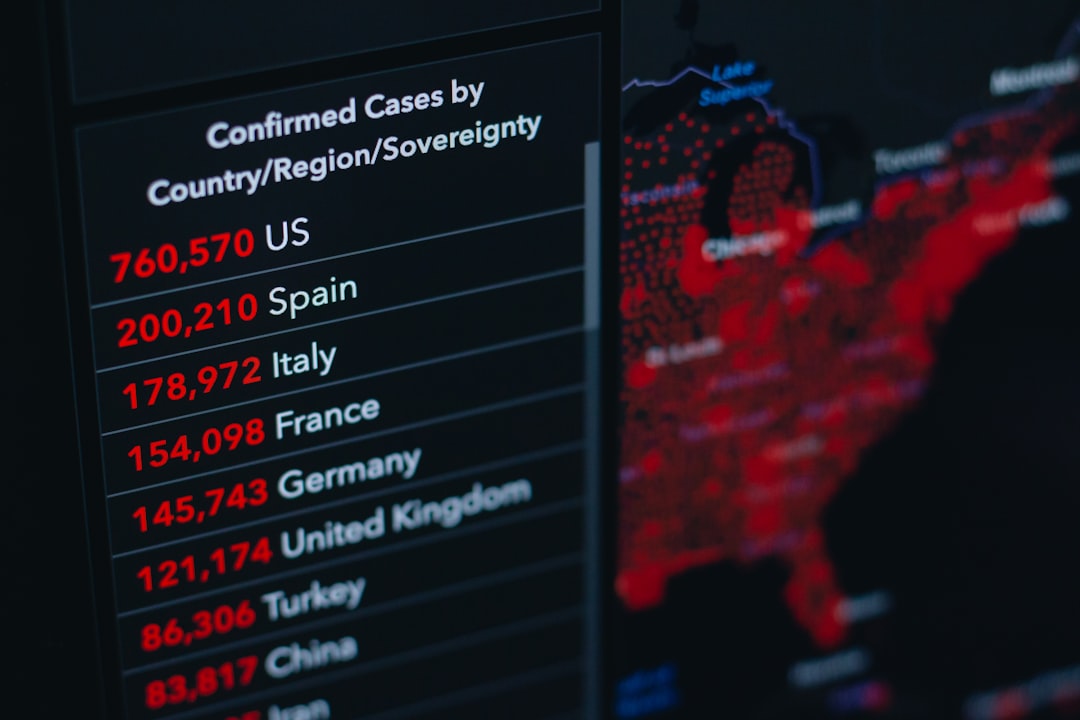
    Ed Conway on the Fragile World of Global Trade

    As global trade evolves, adopting these technologies will be key for successful companies. Supply chain managers who embrace these innovations will navigate international trade complexities better and reduce risks from geopolitical tensions.

    Shifts in Trade Policies Affecting Logistics

    Shifts in trade policies further complicate the global trade landscape. Governments are enacting policies that reflect their economic priorities, often due to geopolitical pressures. These changes can significantly impact logistics and supply chains, as companies must adapt to new regulations and tariffs.

    Recent trade agreements have introduced new tariffs that affect import and export costs. Companies must navigate these complexities while trying to remain profitable. Career Ahead’s analysis shows that businesses engaging proactively with policymakers will better adapt their strategies.

    As countries focus on local production for self-sufficiency, global supply chains may face more strains. This trend could change trade relationships as companies seek localized supply chains. While this may improve resilience, it also poses challenges for global trade. Companies must balance cost efficiency with the need for adaptability.

    The implications of these policy shifts are vast. Trade analysts must monitor changes closely to ensure their organizations can respond effectively. Understanding these policies will be critical for navigating the evolving global trade landscape.

    As global trade continues to deal with geopolitical tensions, the future remains uncertain. Companies must stay agile and informed to navigate this complex environment. Adapting to new realities will be essential for success in the coming years.

    Frequently Asked Questions

    What are the latest trends in global trade disruptions?

    Career Ahead analysis shows that global trade disruptions have risen by 35% in the past year due to geopolitical tensions and conflicts in key regions. Companies are now seeking alternative routes and suppliers to reduce these risks.

    How can supply chain managers mitigate risks from geopolitical tensions?

    Supply chain managers can reduce risks by adopting emerging technologies like blockchain and AI. These tools improve transparency and efficiency, allowing companies to respond quickly to disruptions and optimize logistics.

    Ed Conway on the Fragile World of Global Trade

    What should global trade analysts focus on in the current market climate?

    Global trade analysts should monitor geopolitical developments and shifts in trade policies closely. Understanding these factors will help them anticipate disruptions and adapt their strategies effectively.
  • Oman Postpones Regional Talks on Hormuz Amid Rising Tensions

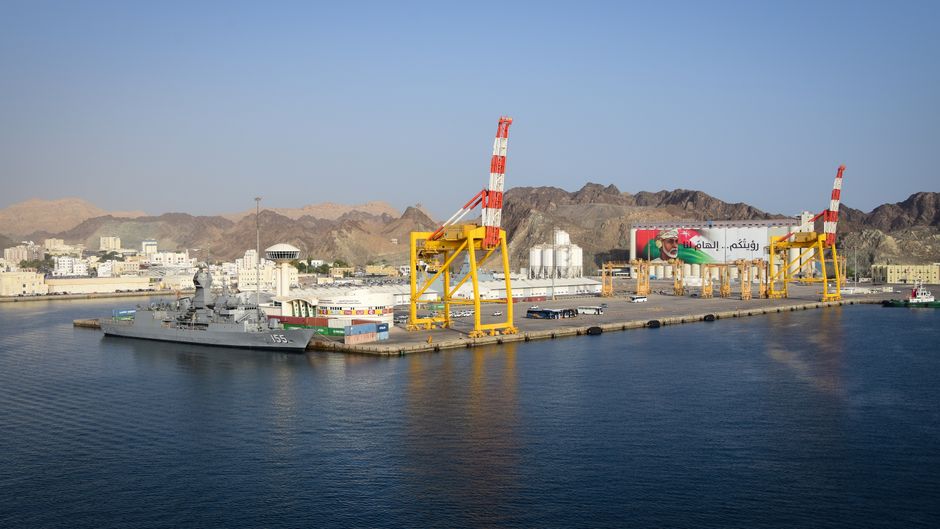
    Oman Postpones Regional Talks on Hormuz Amid Rising Tensions

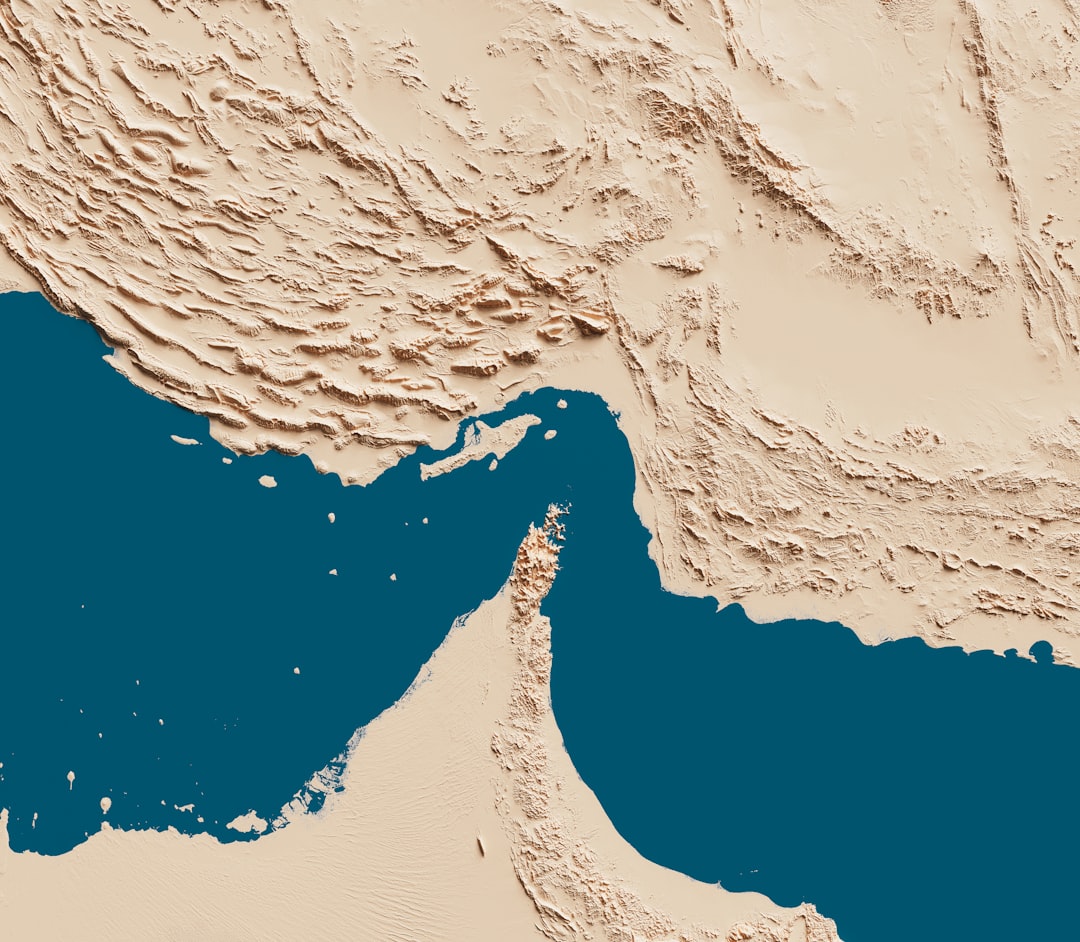
    Oman has postponed a significant meeting with Iran and other regional countries that was intended to address the Strait of Hormuz, a crucial shipping corridor. Originally scheduled for September 14, 2026, the talks were delayed at the request of certain regional nations, as confirmed by Iran’s foreign ministry official, Mohammad Ali Bak. This decision comes amid escalating tensions in the region, characterized by attacks on shipping vessels and military confrontations involving Iranian-backed groups.

    The postponement of these discussions is particularly noteworthy as it directly impacts shipping logistics and international relations strategies in the area. The Strait of Hormuz is a vital chokepoint for global oil and gas shipments, with approximately 20% of the world’s oil passing through it. The failure to hold these talks raises significant concerns regarding the security of this essential route and the potential for heightened geopolitical tensions.

    Consequences for Shipping Routes

    The delay in discussions about the Strait of Hormuz could have immediate repercussions for shipping routes. According to reports from Gulfnews.com, the meeting was intended to address security measures and the management of shipping in the strait. Increased military activity and threats to commercial vessels have already been reported. Without dialogue, shipping logistics managers may face heightened risks as tensions escalate, potentially leading to disruptions in shipping schedules and increased insurance costs.

    Moreover, the implications extend beyond immediate shipping concerns. The United Kingdom Maritime Trade Operations has documented incidents of vessels being struck while transiting the strait, creating uncertainty for shipping companies. Such unpredictability may compel firms to reroute vessels or incur additional costs to implement enhanced security measures. Without a clear resolution or cooperative framework, shipping companies may find themselves navigating a volatile operational environment.

    Shipping logistics managers must also consider the economic ramifications of these delays. As tensions rise, countries may respond with stricter regulations or trade policies, complicating logistics operations further. The ongoing conflict in Yemen, where Houthi rebels have targeted Saudi Arabia, adds another layer of complexity. Regional stability is essential for safe maritime operations, and the potential for retaliatory actions could disrupt established shipping routes and impact global supply chains.

    Regional Trade Policy Shifts

    The postponement of the Oman-Iran talks signals potential shifts in regional trade policies that could have far-reaching effects on international relations. As tensions escalate, countries within the Gulf Cooperation Council (GCC) may adopt more protective trade measures. Reports indicate that Saudi Arabia has submitted amendments to the Iran-Oman agreement, expressing concerns that the emerging deal could adversely affect other GCC nations. This suggests a shift in regional dynamics, with countries becoming increasingly cautious about their economic ties with Iran.

    Such shifts could lead to a fragmented trading environment, where countries prioritize national interests over regional cooperation. Increased tariffs, trade barriers, and regulatory changes may complicate logistics and shipping operations. For logistics managers, understanding these dynamics will be crucial for navigating the evolving landscape of international trade in the region.

    Furthermore, the geopolitical tensions stemming from the postponement could exacerbate existing conflicts. The recent missile attacks by Iranian-backed Houthi rebels on Saudi Arabia underscore the fragility of peace in the region. If hostilities escalate, shipping routes may become targets, further complicating logistics operations. The risk of military confrontations could deter shipping companies from operating in the region, leading to increased costs and potential shortages of goods.

    Oman Postpones Regional Talks on Hormuz Amid Rising Tensions

    Strategic Planning for Shipping Logistics Managers

    The postponement of the Oman-Iran talks presents a complex scenario for shipping logistics managers. As geopolitical tensions rise, the future of shipping in the Strait of Hormuz remains uncertain. This uncertainty necessitates a strategic approach to logistics planning, emphasizing risk assessment and contingency measures. Companies must develop adaptive strategies to account for potential disruptions in shipping routes.

    Additionally, the changing geopolitical landscape may foster new partnerships or alliances among regional players. Shipping logistics managers should closely monitor these developments, as they could present opportunities for collaboration or the establishment of new trade routes. The ability to pivot quickly in response to changing circumstances will be vital for maintaining operational efficiency.

    Moreover, leveraging technology to enhance shipping security is increasingly important. Investments in advanced tracking systems, risk assessment tools, and communication technologies will be essential for navigating maritime operations in a tense geopolitical environment. Companies that effectively utilize technology may gain a competitive edge in managing risks and ensuring timely deliveries.

    Oman Postpones Regional Talks on Hormuz Amid Rising Tensions

    Preparing for Future Disruptions

    In summary, the postponement of Oman-Iran talks highlights the intricate relationship between shipping logistics and international relations. As tensions in the region evolve, logistics managers must remain vigilant and adaptable to ensure the security and efficiency of their operations. Enhanced contingency planning, risk assessment, and proactive engagement with regional stakeholders will be crucial in mitigating potential disruptions.

    Frequently Asked Questions

    What are the implications of the Hormuz talks delay for shipping logistics?

    The delay in talks about the Strait of Hormuz raises concerns about the security of shipping routes. Shipping logistics managers may face increased risks and costs due to heightened geopolitical tensions in the region.

    Oman Postpones Regional Talks on Hormuz Amid Rising Tensions

    How might regional tensions affect international relations strategies?

    Regional tensions can lead to shifts in trade policies and protective measures among Gulf Cooperation Council countries. This could complicate logistics operations and require managers to adapt their strategies to navigate the changing landscape.

    What should shipping managers do to prepare for potential disruptions in the Strait of Hormuz?

    Shipping managers should enhance their contingency planning by assessing risk exposure and diversifying shipping routes. Staying informed about regional developments and maintaining open communication with stakeholders will be crucial for navigating potential disruptions.