Tag: Tech Stocks

  • Tech Stocks React to Calls for Slower AI Development

    Tech Stocks React to Calls for Slower AI Development

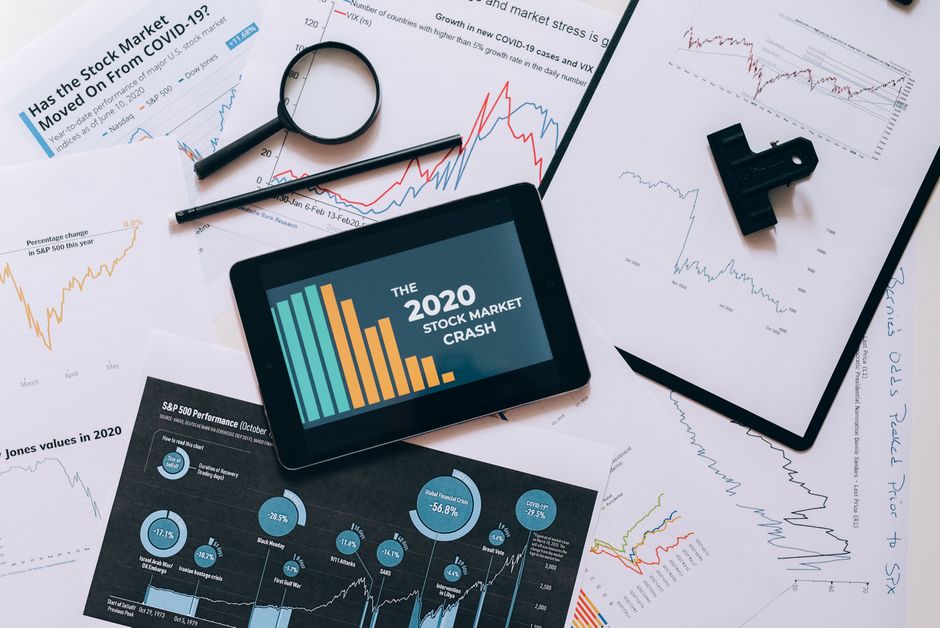
    Tech stocks are currently facing significant volatility as calls for slowing AI advancements grow louder. This shift in sentiment arises from increasing concerns about the rapid pace of AI development and its potential implications for society. Investors are now reassessing their strategies in light of these developments, which could reshape the landscape of tech investments.

    The recent discussions surrounding AI regulation have sparked a wave of reactions from investors, particularly those holding shares in companies heavily focused on AI technologies. As these conversations continue, the broader implications for funding and project timelines in the AI sector are becoming clearer.

    Market Reactions to AI Regulation Discussions

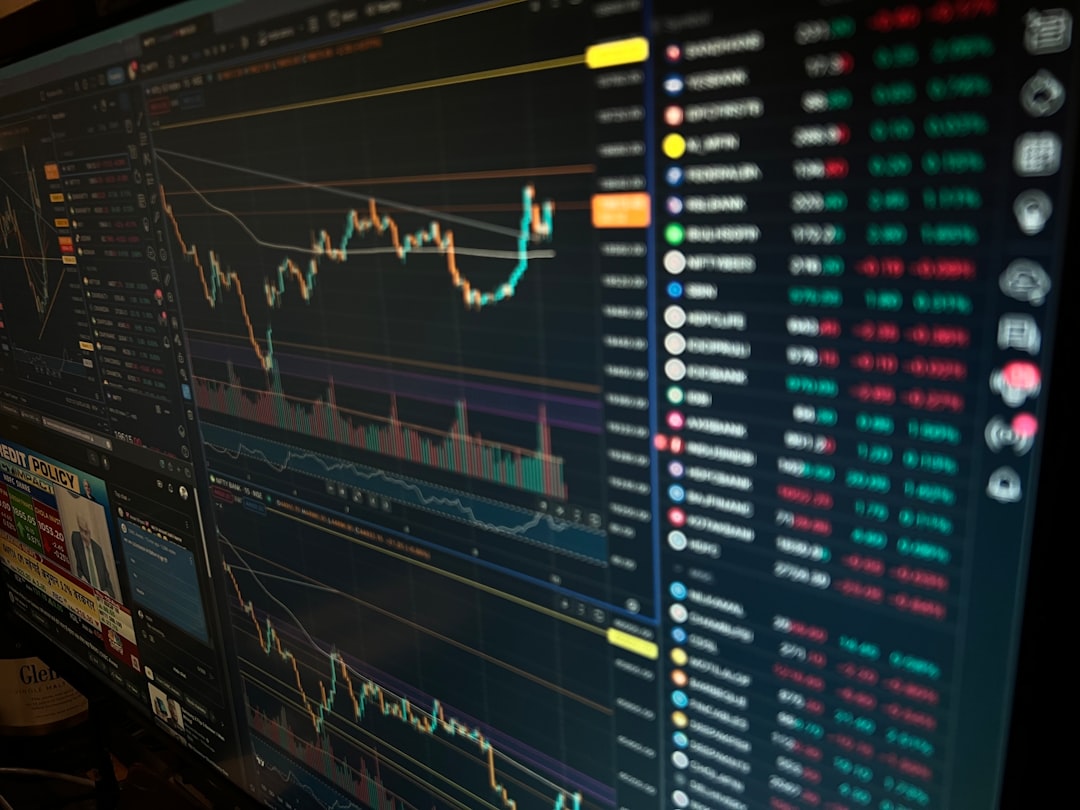
    Amid rising concerns about AI’s rapid advancement, tech stocks have faced a notable downturn. According to Dnyuz, the stock prices of major AI companies have fluctuated as investors react to calls for regulatory measures aimed at slowing down AI development. This volatility has led to a reevaluation of stock valuations across the tech sector, particularly for firms that rely heavily on AI technologies.

    Analysis from Career Ahead indicates that the fluctuations in stock prices are not merely knee-jerk reactions but part of a broader trend seen in previous regulatory discussions. Historical data shows that tech stocks often experience significant declines when regulatory scrutiny increases, leading to a temporary loss of investor confidence.

    As AI companies navigate this uncertain landscape, many are reporting adjustments in their funding strategies. For instance, venture capitalists are becoming more cautious, opting to delay investments until the regulatory environment stabilizes. This shift could lead to a slowdown in innovation as companies may need to reassess their project timelines and priorities.

    Furthermore, the potential for increased regulation raises questions about the long-term viability of certain AI projects. Investors are now weighing the risks associated with funding initiatives that could face stringent oversight. This has led to a more conservative approach among tech investors, who are now prioritizing companies that demonstrate a clear understanding of regulatory compliance.

    Implications for AI Research and Funding

    The calls for slowing AI progress have significant implications for funding in the AI research sector. As investors become more cautious, the flow of capital into AI startups could diminish. This reduction in funding may lead to a reevaluation of ongoing projects and initiatives, particularly for early-stage companies that rely heavily on venture capital.

    Moreover, as funding becomes scarcer, AI researchers may need to adjust their focus. Projects that were once deemed high priority may be sidelined in favor of those that demonstrate clearer paths to regulatory compliance. This shift could stifle innovation in certain areas of AI, particularly those that push the boundaries of current ethical standards.

    The impact of reduced funding could also extend to academic institutions and research organizations. Many of these entities depend on partnerships with tech companies to secure funding for their AI research. As the investment climate tightens, these partnerships may become less frequent, leading to a slowdown in academic advancements in AI.

    Tech Stocks React to Calls for Slower AI Development

    Additionally, the potential for regulatory measures may encourage researchers to pursue projects that align more closely with societal needs and ethical considerations. This shift could result in a more responsible approach to AI development, but it may also slow down the pace of technological advancements in the short term.

    Future Trends and Considerations for Tech Investors

    The ongoing discussions surrounding AI regulation will likely shape the future landscape of tech investments. Investors must remain vigilant and adapt their strategies to account for the potential impacts of regulatory measures on AI companies. Understanding the regulatory environment will be crucial for making informed investment decisions in the coming months.

    As the tech sector grapples with these changes, it is essential for investors to monitor the evolving landscape closely. The potential for increased scrutiny on AI technologies may lead to a wave of consolidation within the sector, as companies seek to align themselves with regulatory frameworks.

    Furthermore, the implications of slower AI advancements could reshape the competitive landscape, benefiting companies that prioritize ethical AI development and compliance. Investors should consider looking for opportunities in firms that demonstrate a commitment to responsible AI practices.

    In summary, the calls for slowing AI progress present both challenges and opportunities for tech investors. As the regulatory environment continues to evolve, staying informed and agile will be key to navigating this shifting landscape. What remains to be seen is how these regulatory discussions will ultimately influence the pace of innovation in the AI sector and whether investors will adapt their strategies accordingly.

    Frequently Asked Questions

    What does the slowdown in AI development mean for tech investors?

    The slowdown in AI development may lead to increased volatility in tech stocks. Investors should be prepared for potential declines in stock valuations as companies adjust to new regulatory pressures.

    How might AI researchers adapt to a potential slowdown in funding?

    AI researchers may need to pivot their focus towards projects that align with regulatory compliance. This shift could result in a more responsible approach to AI development, but may also slow down innovation.
    Tech Stocks React to Calls for Slower AI Development

    What strategies should software developers in AI implement to navigate changing project priorities?

    Software developers should remain flexible and responsive to regulatory developments. Focusing on projects that align with ethical considerations may open new funding opportunities.


  • Kalshi Moves to Expand Into US Stock and Commodity Markets

    Kalshi Moves to Expand Into US Stock and Commodity Markets

    Kalshi, a prediction market startup, is set to launch perpetual futures for major tech stocks including Tesla, Apple, and Nvidia. This announcement, made on September 11, 2026, marks a significant expansion into the U.S. stock and commodity markets. By introducing these innovative financial instruments, Kalshi aims to reshape how traders and financial analysts approach tech stock investments.

    The introduction of perpetual futures represents a new frontier in trading, allowing investors to speculate on the long-term performance of these tech giants without a predetermined expiration date. This flexibility can lead to more dynamic trading strategies, as traders can maintain their positions for extended periods without the pressure of contract expiration. According to Bloomberg, Kalshi’s move to offer the first single-stock perpetual futures in the U.S. is one of the most ambitious attempts by a new breed of trading platforms to challenge the established infrastructure of traditional financial markets.

    Transforming Trading Strategies for Tech Stocks

    Kalshi’s perpetual futures will enable traders to take positions based on their predictions of stock movements over time. Unlike traditional futures contracts that have a set expiration, these perpetual contracts allow traders to hold onto their positions indefinitely. This change means traders can react to market shifts more fluidly, adjusting their strategies without the constraints of time-sensitive contracts.

    For instance, a trader who believes in the long-term growth of Tesla might choose to invest in perpetual futures rather than traditional options. This approach allows them to avoid the risk of losing their position due to an approaching expiration date. Furthermore, the ability to roll over their positions can help traders manage risk more effectively, as they can adjust their exposure based on market conditions. This flexibility is expected to enhance liquidity in the market, as noted by Career Ahead’s analysis, which finds that the introduction of perpetual futures could lead to increased trading volume and better price discovery.

    Moreover, the anticipated rise in trading volume could attract institutional investors who have previously been hesitant to enter the market due to the limitations of traditional futures contracts. As Kalshi expands its offerings, it is likely to create a more competitive environment that encourages innovative trading strategies. The potential for increased engagement from institutional players could also lead to a more robust market, benefiting all participants.

    Furthermore, this expansion aligns with a broader trend in the financial markets where innovative products are gaining traction. With the rise of platforms like Kalshi, traders are increasingly seeking flexible solutions that allow for more strategic decision-making. This trend could signal a move away from traditional trading methods, pushing traders to adapt to a more fluid and dynamic trading environment. As reported by Reuters, Kalshi’s monthly commodity trade volume has already surpassed $400 million, indicating strong market interest and the potential for further growth.

    New Opportunities for Financial Analysts in Commodities

    Kalshi’s expansion is not limited to tech stocks; the company is also looking to broaden its reach into the commodities market. By introducing perpetual futures for agricultural commodities, Kalshi aims to provide traders with more options for hedging and speculation. This move could significantly impact how financial analysts approach commodity trading. Analysts will need to adapt their strategies to incorporate these new perpetual futures, which allow for a more nuanced understanding of market trends and price movements.

    Financial analysts specializing in commodities will find that the flexibility of these contracts enables them to provide more accurate forecasts and recommendations based on the long-term potential of commodities rather than focusing solely on short-term fluctuations. Additionally, the introduction of these futures could lead to more sophisticated risk management strategies. Analysts can utilize perpetual futures to hedge against potential downturns in the commodities market, providing a safety net for their investment strategies. This capability may attract more institutional investors who are looking for ways to mitigate risk while still participating in the commodities market.

    Career Ahead’s research identifies that the growing popularity of perpetual futures could lead to a shift in how commodity markets operate. As traders and analysts become more familiar with these instruments, we may see a rise in innovative trading strategies that challenge traditional methods. This evolution could create a more competitive landscape in the commodities market, benefiting both traders and analysts. The implications of Kalshi’s move extend beyond just trading strategies; as the market adapts to these new products, we may witness changes in regulatory frameworks and market infrastructure.

    Kalshi Moves to Expand Into US Stock and Commodity Markets

    As the introduction of perpetual futures prompts regulators to re-evaluate existing rules, it is crucial for traders and analysts to stay informed about market changes and adapt their strategies accordingly. The financial community will be watching closely as Kalshi continues to innovate and expand its offerings. The success of these perpetual futures could pave the way for more advanced trading products in the future, potentially reshaping the entire trading landscape.

    In summary, Kalshi’s move to introduce perpetual futures is a significant development that could reshape trading strategies and market dynamics. The implications for both traders and analysts are vast, and the financial community must remain vigilant in adapting to these changes. What remains to be seen is how the market will respond to these innovations. Will traders embrace the flexibility of perpetual futures, or will traditional methods continue to dominate? The answers to these questions could define the future of trading in the U.S. and beyond.

    Frequently Asked Questions

    What are perpetual futures and how do they work?

    Perpetual futures are a type of futures contract that does not have an expiration date. Traders can hold their positions indefinitely, allowing for greater flexibility in trading strategies. This structure enables traders to react to market changes without the pressure of contract expiration.

    How can traders leverage Kalshi’s new offerings?

    Traders can leverage Kalshi’s perpetual futures by taking positions on tech stocks and commodities without worrying about expiration. This allows for more strategic decision-making and the ability to adjust positions based on market conditions.

    Kalshi Moves to Expand Into US Stock and Commodity Markets

    What risks should financial analysts consider with the introduction of these futures?

    Financial analysts should consider the potential for increased volatility in the markets as more traders engage with perpetual futures. Additionally, the lack of expiration may lead to prolonged positions that could magnify risks during market downturns.