
Tag: tech leaders

  • Final Call for TechCrunch Founder Summit Volunteers

    Final Call for TechCrunch Founder Summit Volunteers

    Boston, USA — The TechCrunch Founder Summit 2026 is set to take place on November 4, and this is the final call for volunteers to join this exciting event. With over 1,100 attendees expected, including key industry leaders, this is a prime opportunity for aspiring tech professionals and startup founders to connect and learn.

    Volunteering at the Founder Summit not only allows individuals to contribute to the success of the event but also provides them with exclusive access to the behind-the-scenes workings of a major tech conference. Volunteers will assist with various tasks, including registration, coordinating speakers, and setting up the event. This hands-on experience is invaluable for those looking to understand how large-scale events are organized and executed.

    Networking Opportunities for Aspiring Professionals

    One of the most significant benefits of volunteering at the TechCrunch Founder Summit is the networking opportunities it presents. Volunteers will have the chance to meet and interact with prominent figures in the tech world, including founders and investors. This exposure can lead to mentorship opportunities and partnerships, which are crucial for anyone looking to launch their startup or advance their career in the tech industry.

    In addition to networking, volunteers will gain practical experience in event management. They will learn about the logistics involved in organizing a large-scale event, from coordinating schedules to managing attendee flow. This experience is particularly beneficial for those interested in event planning or project management within the tech sector.

    Moreover, volunteers will receive free access to the Founder Summit and the flagship TechCrunch Disrupt event in San Francisco in 2027. This dual access enhances their learning experience and broadens their networking opportunities. Volunteers can participate in expert-led workshops on essential topics such as user growth, fundraising, and brand development, further enriching their knowledge and skills.

    Showcasing Innovations: A Platform for Startup Founders

    The TechCrunch Founder Summit is not just an opportunity for volunteers; it also serves as a platform for startup founders to showcase their innovations. With an anticipated attendance of over 1,100 people, founders will have the chance to present their ideas and products to a diverse audience. This exposure can lead to vital feedback and potential investment opportunities.

    By exhibiting at the event, startup founders can gain visibility among investors and industry experts. The summit will feature sessions focused on fundraising, product development, and scaling businesses, equipping founders with the knowledge needed to navigate the challenges of building a successful startup.

    Connecting with other founders can also lead to collaborative opportunities. Networking with peers fosters partnerships that can enhance product offerings or expand market reach. The collaborative environment of the Founder Summit encourages innovation and idea sharing, benefiting all participants.

    Last Call to Volunteer at TechCrunch Founder Summit 2026

    Research indicates that startups showcasing at events like this often see a boost in market presence and credibility. Engaging with the tech community can attract more interest from investors and customers, making participation crucial for startup growth.

    Skills Development Through Volunteering

    As the tech industry continues to evolve, the skills gained from volunteering—such as teamwork, communication, and problem-solving—are increasingly valuable. These skills are not only applicable in event management but are also sought after in various roles across the tech sector.

    Volunteering at the TechCrunch Founder Summit allows individuals to develop these essential skills while contributing to a significant event in the tech calendar. The experience gained can be a valuable addition to any resume, showcasing a commitment to professional development and a proactive approach to career advancement.

    Final Call for Volunteers

    As the deadline for volunteer applications approaches on October 19, aspiring volunteers and startup founders should consider the benefits of involvement. The Founder Summit represents a unique mix of opportunity, learning, and networking that can significantly impact careers in tech.

    In conclusion, the TechCrunch Founder Summit 2026 is poised to be a major gathering that could influence trends and opportunities in the tech landscape. Whether you are looking to volunteer or showcase your startup, this event is not to be missed.

    Last Call to Volunteer at TechCrunch Founder Summit 2026

    Frequently Asked Questions

    How can startup founders benefit from exhibiting at TechCrunch Disrupt?

    Exhibiting at TechCrunch Disrupt allows startup founders to gain visibility among potential investors and industry leaders. This exposure can lead to valuable connections and opportunities for funding, partnerships, and mentorship.

    What are the requirements to volunteer at TechCrunch events?

    Volunteers must apply before the deadline and typically need to show a strong interest in tech and event management. Specific requirements may vary, but enthusiasm and a willingness to learn are essential.

    What should event volunteers do to maximize their experience at TechCrunch Founder Summit?

    To maximize their experience, volunteers should engage with attendees, network with speakers, and participate in workshops. Taking initiative and being proactive can lead to more opportunities and connections.
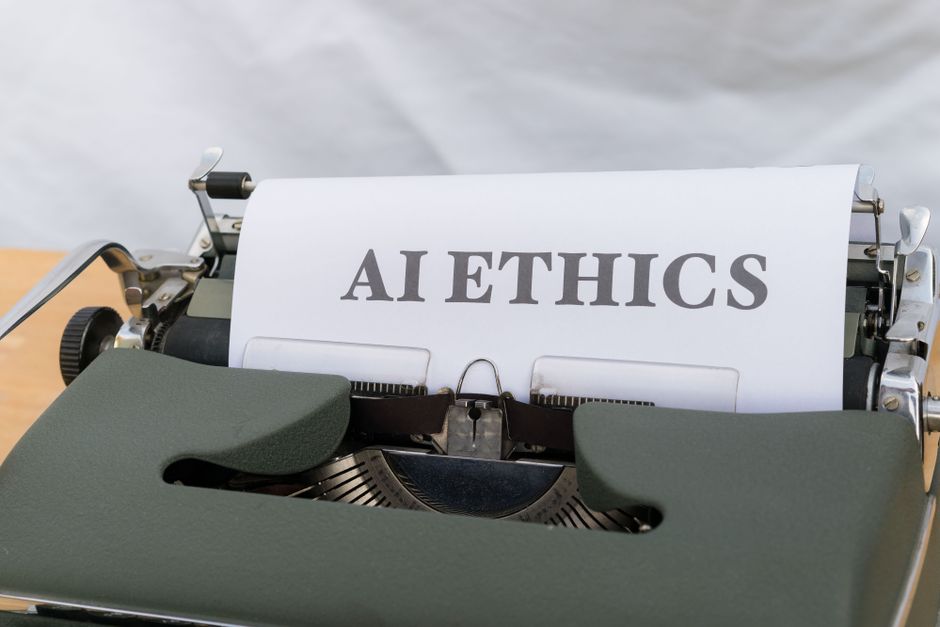

  • AI Slowdown Sparks Silicon Valley Debate

    AI Slowdown Sparks Silicon Valley Debate

    Key tech leaders are questioning recent calls for an AI slowdown. They argue that such measures could hinder innovation and economic growth. This debate has gained traction as concerns about AI safety and ethics have prompted discussions about regulations. The ongoing conversation is reshaping project timelines and funding opportunities for AI startups.

    The discussion about AI regulation has intensified recently. A group of prominent tech figures has publicly opposed the proposed slowdown. They argue that the push for regulation is often self-serving and could stifle the innovation that has driven the tech industry forward. This raises significant concerns among software engineers and AI developers about the potential impact on their work and the future of AI technologies.

    The Innovation vs. Regulation Dilemma

    Many tech leaders believe calls for a slowdown in AI development are misguided. They argue that regulation should not come at the expense of innovation. A report from Atlantic Council suggests that the proposed slowdown could lead to a significant loss of competitive edge for the United States in the global AI race. As countries like China invest heavily in AI, excessive regulation could hinder American companies’ progress.

    Career Ahead’s analysis finds that this debate is about technological advancement and economic implications. If regulatory measures are implemented too quickly, they could delay project timelines for AI startups. Many of these companies rely on rapid development cycles to secure funding and maintain investor interest. Delays could reduce funding opportunities and threaten the viability of innovative projects.

    Furthermore, public perception of AI safety is shifting. Tech leaders know that negative perceptions can lead to increased scrutiny from regulators. A recent article on tech.yahoo.com highlights that fears of AI misuse have led some investors to reconsider their funding strategies. This creates a challenging environment for startups trying to balance innovation and compliance.

    As the debate unfolds, software engineers must adapt to a landscape where regulatory compliance is increasingly important. They will need to balance their innovative projects with the expectations of regulators and public sentiment. This may require a proactive approach to addressing ethical concerns and demonstrating the safety of AI technologies.

    Funding Challenges for AI Startups

    The funding landscape for AI startups is closely tied to the ongoing debate over regulation. Investors are becoming more cautious about both the potential of AI technologies and the regulatory environment. A report from CNBC indicates that uncertainty about future regulations is causing some investors to hold back on funding new projects. This hesitance can impact startups’ ability to hire talent and develop their products.

    Career Ahead research shows that startups focused on AI are experiencing a shift in funding dynamics. Investors increasingly seek assurance that companies can navigate regulatory challenges. Startups must showcase their technological capabilities and demonstrate a clear understanding of compliance and ethical standards. For software engineers, this means building systems that are both innovative and compliant with emerging regulations.

    Moreover, increased regulation could lead to consolidation in the AI startup space. Smaller companies may struggle to meet regulatory requirements, leading to mergers or acquisitions by larger firms. These larger firms have the resources to navigate compliance. This could reduce the diversity of innovation in the AI sector, as larger companies may prioritize projects that align with their existing business models over exploring new, disruptive technologies.

    AI Slowdown Sparks Silicon Valley Debate

    As the funding landscape evolves, tech leaders must remain vigilant about the implications of regulatory discussions. Adapting to changing investor expectations will be crucial for the survival of AI startups. Additionally, software engineers must be aware of how their work aligns with innovation goals and compliance requirements, ensuring they remain competitive in a rapidly changing environment.

    What This Means for Tech Professionals

    The ongoing debate over AI regulation has real implications for tech professionals. As project timelines become uncertain and funding for innovative projects faces scrutiny, software engineers may find themselves at a crossroads. They must navigate the delicate balance between pushing the boundaries of AI technology and adhering to emerging regulatory frameworks.

    Career Ahead’s analysis shows that professionals in AI development will need to enhance their understanding of compliance and ethical considerations. This may involve staying updated on regulatory developments and actively participating in discussions about AI ethics within their organizations. By doing so, they can position themselves as valuable assets in a landscape where regulatory compliance is increasingly important.

    Furthermore, as public perception of AI shifts, tech leaders must work to rebuild trust with stakeholders. This involves transparent communication about the safety and ethical implications of AI technologies. Software engineers can play a critical role in this process by developing systems that prioritize safety and ethical considerations. This will address public concerns and foster a more positive perception of AI.

    AI Slowdown Sparks Silicon Valley Debate

    Ultimately, the tension between innovation and regulation will continue to shape the future of AI development. As tech leaders and software engineers navigate this landscape, they must remain adaptable and proactive in addressing the challenges posed by regulatory scrutiny. Balancing innovation with compliance will be essential for the success of AI projects in the coming years.

    As the debate over AI regulation unfolds, the question remains: how will tech leaders and professionals adapt to a rapidly changing environment? Innovation must coexist with compliance. The future of AI development hangs in the balance, and the choices made today will have lasting implications for the industry.

    Frequently Asked Questions

    What are the implications of AI regulation for tech leaders?

    Career Ahead analysis shows that AI regulation could lead to extended project timelines and reduced funding opportunities for startups. Tech leaders must navigate these challenges while maintaining innovation and compliance.

    How should software engineers adapt to potential AI regulations?

    Software engineers should enhance their understanding of compliance and ethical considerations in AI development. Staying updated on regulatory changes and engaging in discussions about AI ethics will be crucial for their success.

    AI Slowdown Sparks Silicon Valley Debate

    What steps should tech leaders take to address concerns about AI safety?

    Tech leaders need to prioritize transparent communication about AI technologies and their safety implications. Building trust with stakeholders through ethical practices and safety measures is essential for fostering public confidence in AI.