
Tag: student wellbeing

  • How Financial Strain and Academic Pressure Affect Indian Students

    How Financial Strain and Academic Pressure Affect Indian Students

    India’s top educational institutions are grappling with increasing levels of student distress, primarily driven by academic pressure and financial stress. A recent survey conducted by the Indian Institute of Science (IISc) in Bengaluru found that nearly 50% of students reported distress due to heavy academic workloads, while about 80% linked their mental health struggles to financial concerns.

    This troubling trend follows two student deaths at IISc in August 2026, prompting a closer examination of factors affecting student life. The findings underscore a critical need for institutions to address pressures that extend beyond academics. As competition for grades, research opportunities, and internships intensifies, students find themselves in a high-stress environment detrimental to their mental health.

    Key Factors Contributing to Student Distress

    The IISc survey highlights that academic workloads are a significant source of distress. Many students encounter rigorous curricula, leading to burnout and anxiety. This issue is not isolated to IISc; similar studies indicate that academic stress is prevalent across many top institutions in India. Research from BetterHelp indicates that financial stress adversely affects academic performance, creating a cycle of stress and underachievement.

    Financial concerns are exacerbated by rising tuition fees and a decrease in available scholarships. The IISc survey noted an eight-fold increase in undergraduate tuition fees, from ₹10,000 to ₹80,000. This sharp rise, coupled with increased costs for hostel and mess facilities, has left many students feeling financially insecure. ResearchGate emphasizes that financial stress can hinder academic performance, as students struggle to balance studies with part-time jobs or other financial responsibilities.

    Furthermore, the survey revealed that 47% of students felt psychiatric support was inadequate, while 84% called for improved awareness and access to mental health services. This gap in support raises critical questions about how institutions can effectively meet students’ mental health needs. The necessity for enhanced mental health resources is echoed in findings from TeachThought, which stress the connection between financial stress and academic performance.

    Students also expressed concerns about strict attendance policies and limited opportunities for social interaction. Over 81% of respondents advocated for more flexible attendance rules, indicating that current policies may contribute to stress. This highlights the importance of involving students in discussions about their academic and social environments.

    Wider Implications for Educational Institutions

    The rise in student distress has implications beyond individual well-being; it affects the broader educational landscape in India. As higher education institutions confront these challenges, prioritizing student mental health becomes essential for retention and the reputation of these prestigious schools.

    Moreover, the financial burden on students can have long-term repercussions in the workforce. Graduates may carry the stress from their studies into their professional lives, impacting performance and job satisfaction. BetterHelp’s research indicates that financial stress can lead to diminished job performance, as employees may feel overwhelmed by their financial obligations.

    Institutions must consider how student distress influences the future workforce. By investing in mental health resources and fostering supportive environments, they can help graduates emerge both academically prepared and mentally resilient. This investment could cultivate a more capable and satisfied workforce, ultimately benefiting the economy.

    Student Distress Driven by Academic and Financial Pressures

    As discussions around student well-being gain momentum, educational leaders must acknowledge the critical role of mental health in academic success. The demand for improved mental health services is likely to persist, compelling institutions to reevaluate their approaches to student care.

    Addressing Student Concerns

    Given these challenges, the role of educational institutions in shaping their students’ futures is paramount. The urgency for comprehensive support systems is evident as students navigate the complexities of academic life amid financial pressures. Institutions must respond to the growing demand for mental health resources and consider policy changes that better support students.

    In light of these findings, it will be crucial to observe how institutions adapt to meet the needs of their students. Will they implement changes to enhance support systems, or will existing trends continue to exacerbate the challenges faced by future generations?

    Frequently Asked Questions

    What are the main causes of student distress in India’s top institutions?

    The primary causes of student distress include academic pressure and financial stress, with many students feeling overwhelmed by their workloads and financial obligations.

    How can students manage academic pressure?

    Students can manage academic pressure by seeking support from peers and mental health resources, and by maintaining a balanced approach to their studies.
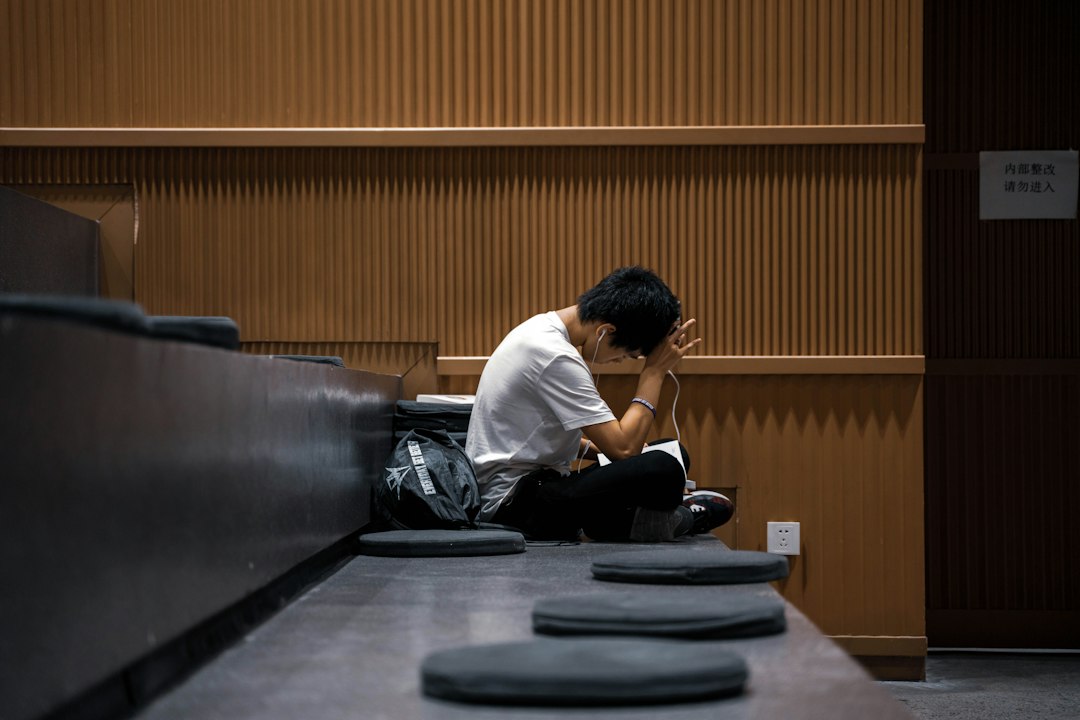
    Student Distress Driven by Academic and Financial Pressures

    What financial resources are available for students in India?

    Students can explore scholarships, grants, and financial aid options offered by their institutions to alleviate financial stress.

    What should students do about mental health challenges?

    Students facing mental health challenges should reach out to counseling services at their institutions and engage in activities that promote well-being.

    Why is addressing student distress important for educational institutions?

    Addressing student distress is crucial for ensuring student retention, academic success, and fostering a positive learning environment.


  • Why Academic Pressure is Harming Students in India

    Why Academic Pressure is Harming Students in India

    India’s top institutions, including the Indian Institute of Science (IISc) in Bengaluru, are grappling with rising levels of student distress. A recent survey conducted by the IISc Students’ Council revealed that a staggering 80% of students linked their mental health struggles to financial pressures, while 50% cited academic workload as a significant stressor. These findings come in the wake of two tragic student deaths at the institute, prompting a closer examination of the well-being of students in elite educational environments.

    The IISc survey, which gathered responses from over 1,000 students, highlighted the critical intersection of academic demands and financial burdens. Many students reported feeling overwhelmed by the expectations placed upon them, both academically and financially. The rising costs of education, coupled with a lack of adequate mental health support, have created a challenging landscape for students navigating their academic journeys.

    The Burden of Academic Pressure

    Academic pressure in India’s top engineering and management colleges has reached alarming levels. Students are not just competing for grades; they are also vying for research opportunities, internships, and placements, which intensifies the stress they experience. The IISc survey indicated that many students feel that the mandatory academic workload is unmanageable and contributes significantly to their distress.

    Career Ahead’s analysis finds that this relentless pursuit of excellence can lead to burnout, anxiety, and even depression among students. A 2026 study by BetterHelp highlights that financial stress is often compounded by academic pressures, creating a vicious cycle that can affect students’ overall performance and mental health. This situation is particularly concerning for engineering students who are expected to maintain high academic standards while also preparing for competitive job markets.

    Moreover, many students report feeling isolated in their struggles. The competitive culture within these institutions often discourages open discussions about mental health, leaving students to cope with their challenges alone. As the survey revealed, around 47% of respondents felt that psychiatric support was inadequate, indicating a critical gap in the mental health resources available to them.

    The need for improved support systems is urgent. Students are calling for greater awareness of mental health services and more accessible resources. The survey found that 84% of respondents wanted better access to mental health care, while 88% advocated for increased student representation on wellness committees. These demands highlight the importance of creating an environment where students feel supported and can openly discuss their mental health challenges.

    Financial Stress and Its Implications

    Financial stress is a significant factor contributing to the distress experienced by management students and their peers in engineering. The IISc Students’ Council survey reports that 81% of students believe their financial situation contributes to their mental health struggles. With recent fee hikes and the discontinuation of scholarships, many students are feeling the pressure to manage their finances while pursuing their education.

    According to research from TeachThought, financial stress can adversely affect academic performance. Students who are worried about their financial situation often find it difficult to concentrate on their studies, which can lead to a decline in grades and overall performance. This situation can create a feedback loop where academic struggles exacerbate financial concerns, further impacting students’ mental health.

    The rising costs of education have made it increasingly difficult for students to focus solely on their studies. The IISc survey noted that tuition fees for undergraduate students have increased eight-fold, from ₹10,000 to ₹80,000. Additionally, hostel and mess fees have risen by 50%, placing further financial strain on students. These financial pressures can lead to difficult decisions about whether to continue their education or seek part-time work, which can affect their academic performance and overall well-being.

    Academic Pressure and Financial Stress Drive Student Distress in India

    Career Ahead analysis indicates that the financial burden faced by students is not just a temporary issue; it is indicative of a broader trend affecting higher education in India. As educational institutions continue to raise fees without corresponding increases in financial aid, students may find themselves increasingly burdened by debt and anxiety over their financial futures.

    The demand for better financial support is clear. Students are advocating for increased scholarships, better reimbursement for external mental health care, and more flexible attendance policies that consider their financial situations. These changes are essential for creating a more supportive academic environment that prioritizes student well-being.

    As the landscape of education evolves, it is crucial for institutions to recognize the importance of addressing both academic and financial pressures. By fostering a culture of support and understanding, institutions can help mitigate the impact of these stressors on student mental health.

    Future Directions for Student Wellbeing

    The findings from the IISc survey and the broader implications for student mental health raise important questions about the future of education in India. As academic and financial pressures continue to mount, it is essential for institutions to take proactive steps to address these challenges. The demand for better mental health resources and financial support is growing, and institutions must respond to this need.

    Students are increasingly vocal about their needs and expectations regarding mental health support. The survey revealed that 81% of respondents want more student-friendly attendance and leave policies, indicating a desire for flexibility in managing their academic commitments alongside their personal challenges. This shift in student expectations could lead to significant changes in how educational institutions approach student wellbeing.

    Moreover, as discussions around mental health become more mainstream, there is an opportunity for institutions to collaborate with mental health organizations to provide comprehensive support systems. By integrating mental health resources into the academic framework, institutions can create environments where students feel safe to seek help and support.

    Academic Pressure and Financial Stress Drive Student Distress in India

    The future of student wellbeing in India is contingent on the willingness of institutions to adapt and prioritize the mental health of their students. As the landscape of education continues to evolve, the focus on mental health and financial support will be critical in shaping the experiences of students in India’s top institutions.

    As these issues come to the forefront, it remains to be seen how educational institutions will respond to the growing demands for better support systems. Will they take the necessary steps to ensure that students can thrive academically and emotionally, or will the pressures continue to mount without adequate intervention?

    Frequently Asked Questions

    What can engineering students do to manage academic pressure?

    Engineering students can benefit from establishing a balanced schedule that includes time for study, rest, and social activities. Seeking support from peers and utilizing available mental health resources can also help manage stress effectively.

    How can management students cope with financial stress during their studies?

    Management students can explore scholarship opportunities, part-time work options, and budgeting strategies to alleviate financial burdens. Engaging with financial advisors at their institutions can provide additional support and guidance.

    Academic Pressure and Financial Stress Drive Student Distress in India

    What mental health resources are available for students in top Indian institutions?

    Many top institutions offer counseling services, mental health workshops, and peer support groups. Students are encouraged to utilize these resources to address their mental health concerns and seek help when needed.