Tag: shipping logistics

  • Oil Tanker Operators Earn $1 Million Daily Amid Ship Shortage

    Oil Tanker Operators Earn $1 Million Daily Amid Ship Shortage

    Oil tanker operators are now earning over $1 million a day. This is due to a severe shortage of vessels. Ongoing geopolitical conflicts have reshaped the shipping industry. Conflicts disrupt shipping routes and reduce the number of available vessels. As a result, operators find themselves in a very profitable position.

    Countries in the Middle East, especially those involved in oil production, are feeling the impact of these conflicts the most. The demand for oil remains high, but transporting it has become much harder. This situation has led oil companies to scramble for available tankers, pushing daily charter rates to record levels.

    How the Ship Shortage Affects Earnings

    The oil tanker shortage is more than a minor issue; it has caused daily earnings to exceed $1 million for operators. Analysis from Career Ahead shows this surge in earnings is linked to fewer vessels available. With fewer ships in operation, companies are willing to pay more for the limited number of tankers.

    Recent reports indicate that supertankers are sailing empty to secure oil amid tight capacity. This shows the urgency of the situation. A report from oceancrew.org notes that some operators are transporting oil without cargo just to keep their market position. This costly tactic reflects the desperation to stay competitive in a market where demand far exceeds supply.

    As shipping logistics managers adapt to these changes, they must plan strategically. Career Ahead’s analysis shows that operators who manage their fleet efficiently and optimize routes will likely see greater profits. This adaptability is crucial as the geopolitical landscape continues to change.

    The implications for the shipping logistics sector are significant. With earnings at an all-time high, interest in maritime logistics careers is growing. The demand for skilled professionals who can manage and optimize shipping operations is likely to rise as companies seek to capitalize on this unique opportunity.

    Wider Implications for the Maritime Industry

    The ongoing ship shortage has broader implications beyond immediate earnings for oil tanker operators. It is reshaping the entire maritime industry. Companies are being forced to rethink their strategies and operations. As conflicts disrupt traditional shipping routes, they are exploring alternative methods for transporting oil and other goods.

    According to blog.gettransport.com, the unprecedented oil tanker shortage is changing global shipping patterns. Operators are pushed to innovate, finding new ways to ensure oil delivery while navigating conflict challenges. This innovation could lead to long-term changes in shipping logistics, focusing on resilience and flexibility.

    The economic impact is also significant. Countries that rely heavily on oil imports face increased costs, which could lead to inflation. As shipping costs rise, consumers may feel the pinch at the pump. This creates a ripple effect throughout the economy, affecting everything from transportation costs to consumer prices.

    For shipping logistics managers, understanding these broader implications is crucial. They must adapt their strategies to navigate a fluctuating market. Staying informed and responsive will be key to maintaining competitiveness in the industry.

    As the maritime industry faces these challenges, career opportunities in shipping logistics are expanding. Professionals who can demonstrate adaptability and strategic thinking will thrive in this changing landscape.

    Ultimately, the current state of the oil tanker market reminds us of the interconnectedness of global trade and geopolitics. The decisions made today will shape the industry’s future and influence market dynamics for years to come.

    What Lies Ahead for Oil Tanker Operators?

    Looking ahead, the situation presents both challenges and opportunities for oil tanker operators. As conflicts persist, the demand for oil transportation is unlikely to decrease. Operators who navigate the current market complexities stand to benefit significantly.

    However, the future is uncertain. If geopolitical tensions ease, new vessels could quickly change the landscape, leading to decreased earnings. Operators must remain vigilant and adaptable to these changing conditions.

    Moreover, the focus on sustainability and environmental concerns is likely to grow. As the industry evolves, there may be increased pressure to adopt greener practices in oil transportation. This could shift how tankers operate, emphasizing reducing emissions and improving fuel efficiency.
    Oil Tanker Operators Earn  Million Daily Amid Ship Shortage

    As the maritime industry prepares for potential shifts, the importance of skilled professionals in shipping logistics cannot be overstated. Those who understand the market intricacies and can respond swiftly to changes will be invaluable assets to their organizations.

    In conclusion, the oil tanker shortage highlights the delicate balance between global events and economic realities. As operators navigate this landscape, the ability to adapt and innovate will determine who thrives in the coming years.

    Frequently Asked Questions

    What are the current earnings trends for oil tanker operators?

    Career Ahead research shows that oil tanker operators are currently earning over $1 million a day due to a significant vessel shortage. This trend is expected to continue as geopolitical conflicts disrupt traditional shipping routes.

    How does the ship shortage affect shipping logistics managers?

    The ship shortage creates challenges for shipping logistics managers. They must adapt to rising costs and limited vessel availability. Managers who can optimize routes and manage fleets effectively will be better positioned to succeed in this environment.

    Oil Tanker Operators Earn  Million Daily Amid Ship Shortage

    What should oil tanker operators do to maximize profits during this crisis?

    Oil tanker operators should focus on fleet management and route optimization to capitalize on current market conditions. By being strategic in their operations, they can enhance profitability despite the challenges posed by the ship shortage.
  • Oman Postpones Regional Talks on Hormuz Amid Rising Tensions

    Oman Postpones Regional Talks on Hormuz Amid Rising Tensions

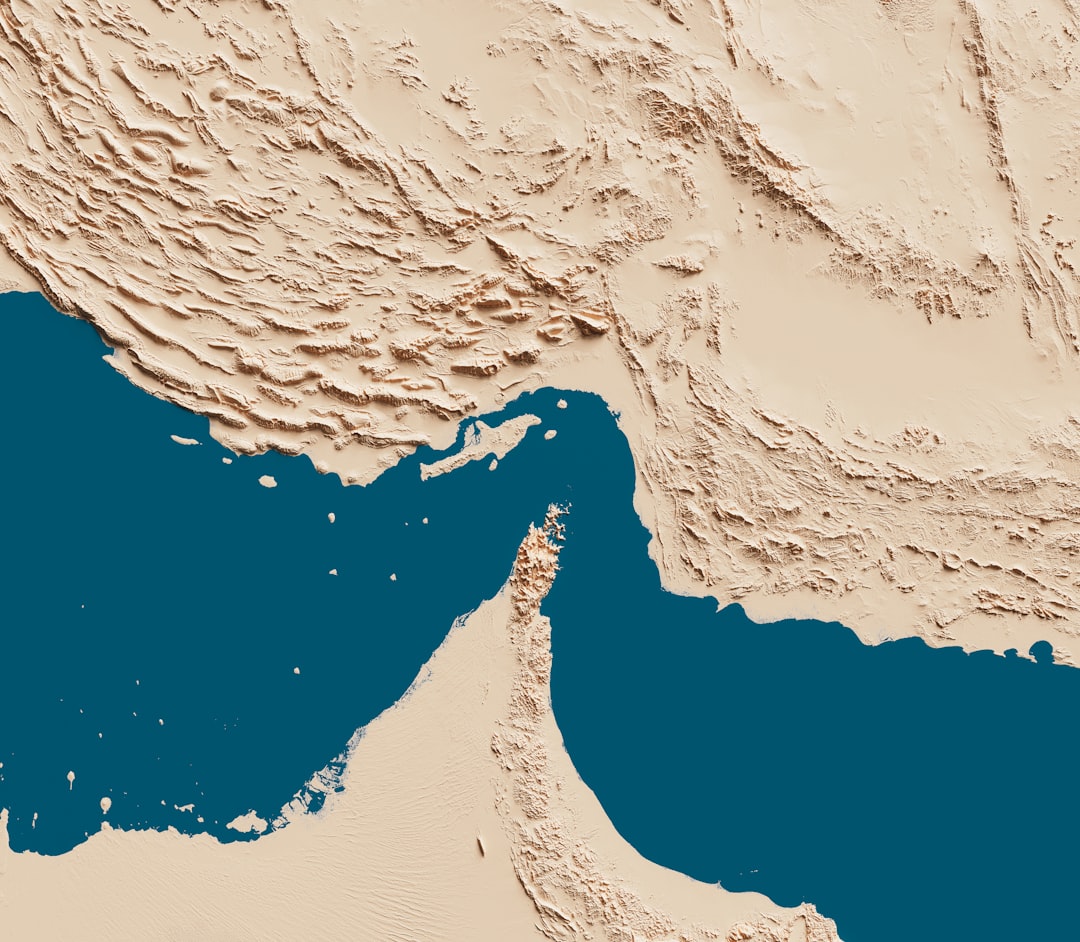
    Oman has postponed a significant meeting with Iran and other regional countries that was intended to address the Strait of Hormuz, a crucial shipping corridor. Originally scheduled for September 14, 2026, the talks were delayed at the request of certain regional nations, as confirmed by Iran’s foreign ministry official, Mohammad Ali Bak. This decision comes amid escalating tensions in the region, characterized by attacks on shipping vessels and military confrontations involving Iranian-backed groups.

    The postponement of these discussions is particularly noteworthy as it directly impacts shipping logistics and international relations strategies in the area. The Strait of Hormuz is a vital chokepoint for global oil and gas shipments, with approximately 20% of the world’s oil passing through it. The failure to hold these talks raises significant concerns regarding the security of this essential route and the potential for heightened geopolitical tensions.

    Consequences for Shipping Routes

    The delay in discussions about the Strait of Hormuz could have immediate repercussions for shipping routes. According to reports from Gulfnews.com, the meeting was intended to address security measures and the management of shipping in the strait. Increased military activity and threats to commercial vessels have already been reported. Without dialogue, shipping logistics managers may face heightened risks as tensions escalate, potentially leading to disruptions in shipping schedules and increased insurance costs.

    Moreover, the implications extend beyond immediate shipping concerns. The United Kingdom Maritime Trade Operations has documented incidents of vessels being struck while transiting the strait, creating uncertainty for shipping companies. Such unpredictability may compel firms to reroute vessels or incur additional costs to implement enhanced security measures. Without a clear resolution or cooperative framework, shipping companies may find themselves navigating a volatile operational environment.

    Shipping logistics managers must also consider the economic ramifications of these delays. As tensions rise, countries may respond with stricter regulations or trade policies, complicating logistics operations further. The ongoing conflict in Yemen, where Houthi rebels have targeted Saudi Arabia, adds another layer of complexity. Regional stability is essential for safe maritime operations, and the potential for retaliatory actions could disrupt established shipping routes and impact global supply chains.

    Regional Trade Policy Shifts

    The postponement of the Oman-Iran talks signals potential shifts in regional trade policies that could have far-reaching effects on international relations. As tensions escalate, countries within the Gulf Cooperation Council (GCC) may adopt more protective trade measures. Reports indicate that Saudi Arabia has submitted amendments to the Iran-Oman agreement, expressing concerns that the emerging deal could adversely affect other GCC nations. This suggests a shift in regional dynamics, with countries becoming increasingly cautious about their economic ties with Iran.

    Such shifts could lead to a fragmented trading environment, where countries prioritize national interests over regional cooperation. Increased tariffs, trade barriers, and regulatory changes may complicate logistics and shipping operations. For logistics managers, understanding these dynamics will be crucial for navigating the evolving landscape of international trade in the region.

    Furthermore, the geopolitical tensions stemming from the postponement could exacerbate existing conflicts. The recent missile attacks by Iranian-backed Houthi rebels on Saudi Arabia underscore the fragility of peace in the region. If hostilities escalate, shipping routes may become targets, further complicating logistics operations. The risk of military confrontations could deter shipping companies from operating in the region, leading to increased costs and potential shortages of goods.

    Oman Postpones Regional Talks on Hormuz Amid Rising Tensions

    Strategic Planning for Shipping Logistics Managers

    The postponement of the Oman-Iran talks presents a complex scenario for shipping logistics managers. As geopolitical tensions rise, the future of shipping in the Strait of Hormuz remains uncertain. This uncertainty necessitates a strategic approach to logistics planning, emphasizing risk assessment and contingency measures. Companies must develop adaptive strategies to account for potential disruptions in shipping routes.

    Additionally, the changing geopolitical landscape may foster new partnerships or alliances among regional players. Shipping logistics managers should closely monitor these developments, as they could present opportunities for collaboration or the establishment of new trade routes. The ability to pivot quickly in response to changing circumstances will be vital for maintaining operational efficiency.

    Moreover, leveraging technology to enhance shipping security is increasingly important. Investments in advanced tracking systems, risk assessment tools, and communication technologies will be essential for navigating maritime operations in a tense geopolitical environment. Companies that effectively utilize technology may gain a competitive edge in managing risks and ensuring timely deliveries.

    Oman Postpones Regional Talks on Hormuz Amid Rising Tensions

    Preparing for Future Disruptions

    In summary, the postponement of Oman-Iran talks highlights the intricate relationship between shipping logistics and international relations. As tensions in the region evolve, logistics managers must remain vigilant and adaptable to ensure the security and efficiency of their operations. Enhanced contingency planning, risk assessment, and proactive engagement with regional stakeholders will be crucial in mitigating potential disruptions.

    Frequently Asked Questions

    What are the implications of the Hormuz talks delay for shipping logistics?

    The delay in talks about the Strait of Hormuz raises concerns about the security of shipping routes. Shipping logistics managers may face increased risks and costs due to heightened geopolitical tensions in the region.

    Oman Postpones Regional Talks on Hormuz Amid Rising Tensions

    How might regional tensions affect international relations strategies?

    Regional tensions can lead to shifts in trade policies and protective measures among Gulf Cooperation Council countries. This could complicate logistics operations and require managers to adapt their strategies to navigate the changing landscape.

    What should shipping managers do to prepare for potential disruptions in the Strait of Hormuz?

    Shipping managers should enhance their contingency planning by assessing risk exposure and diversifying shipping routes. Staying informed about regional developments and maintaining open communication with stakeholders will be crucial for navigating potential disruptions.