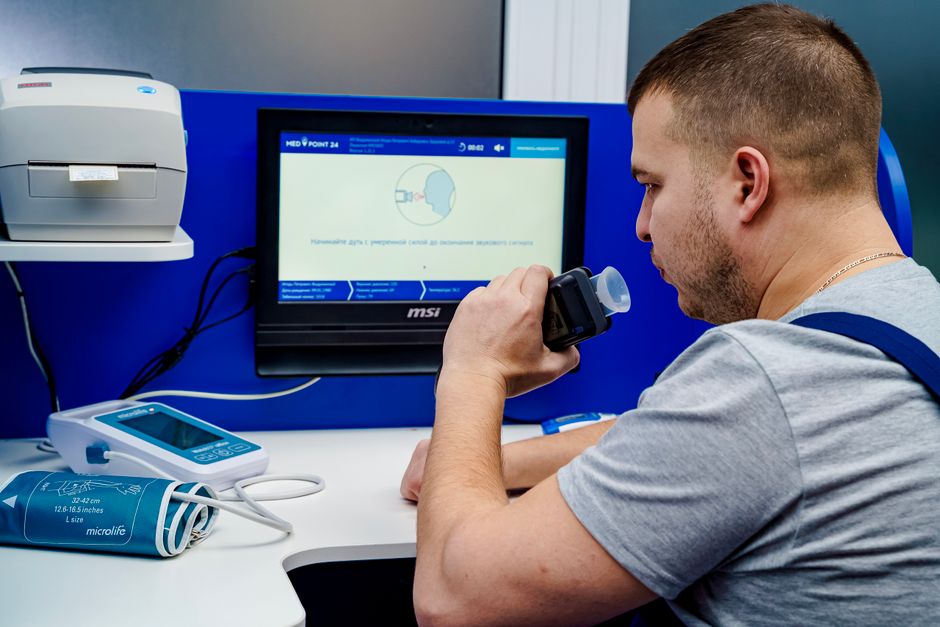
PNOE has launched a new breath testing mask. This self-serve device makes lab-grade diagnostics available to everyday users. It will be released on October 1, 2026. This innovative mask allows individuals to conduct metabolic tests without trained operators, which could change healthcare diagnostics.
The PNOE 2.0 mask looks like a high-tech fitness accessory. It measures oxygen consumption and carbon dioxide exhalation. Users wear the mask, press a button, and breathe for eight minutes to get personalized health insights. This feature allows fitness centers, pharmacies, and wellness clinics to offer advanced metabolic testing without needing specialized staff.
Transforming Healthcare Diagnostics
Self-service breath testing technology is changing how metabolic assessments are done. Traditionally, these tests were limited to clinical settings with trained professionals using bulky equipment. PNOE states that the new device captures 23 biomarkers, including VO₂ max and resting metabolic rate. This provides valuable insights into a person’s health and fitness levels.
PNOE’s approach fits a growing trend in healthcare for user-friendly diagnostic tools. Career Ahead research shows that consumers want personalized health information. Devices like the PNOE mask could fill a crucial gap in the market. Self-administered tests may encourage more people to engage with their health proactively.
The timing of this launch is strategic. Demand for at-home and self-service health solutions has surged, especially after the COVID-19 pandemic. Consumers are more health-conscious than ever. PNOE’s device meets this interest by providing immediate feedback on metabolic health. TechCrunch highlights that the mask offers insights into fitness levels and gives actionable advice on nutrition and training.
As PNOE expands, it plans to partner with fitness centers and wellness businesses. This model increases access to metabolic testing and provides these businesses with extra revenue. Clients like Equinox and Four Seasons are already on board, showing the device’s potential to fit into existing health programs. Offering advanced testing in everyday settings could make health insights available to a wider audience.
Cost Reduction and Accessibility in Biotech Research
For biotech researchers, self-serve breath testing technology has significant implications. Traditional metabolic tests often require expensive equipment and specialized personnel. This can limit research capabilities, especially for startups and smaller labs. PNOE’s self-service model could greatly reduce costs, making metabolic testing more affordable for a wider range of researchers.
According to PNOE, their device offers the same accuracy as traditional methods but is more compact and cost-effective. By democratizing access to metabolic testing, PNOE could empower more researchers to study metabolic health and its links to diseases like obesity and diabetes. This shift could lead to many innovative research projects that were previously limited by financial constraints.
This technology also has great potential for personalized medicine. As researchers collect more data from diverse populations, insights from self-administered tests could lead to breakthroughs in understanding metabolic health. PNOE’s device could be valuable in clinical trials and health studies, where real-time data collection is key. InCare notes that enhancing VO₂ max performance through precise metabolic analysis can significantly impact athletic training and rehabilitation.
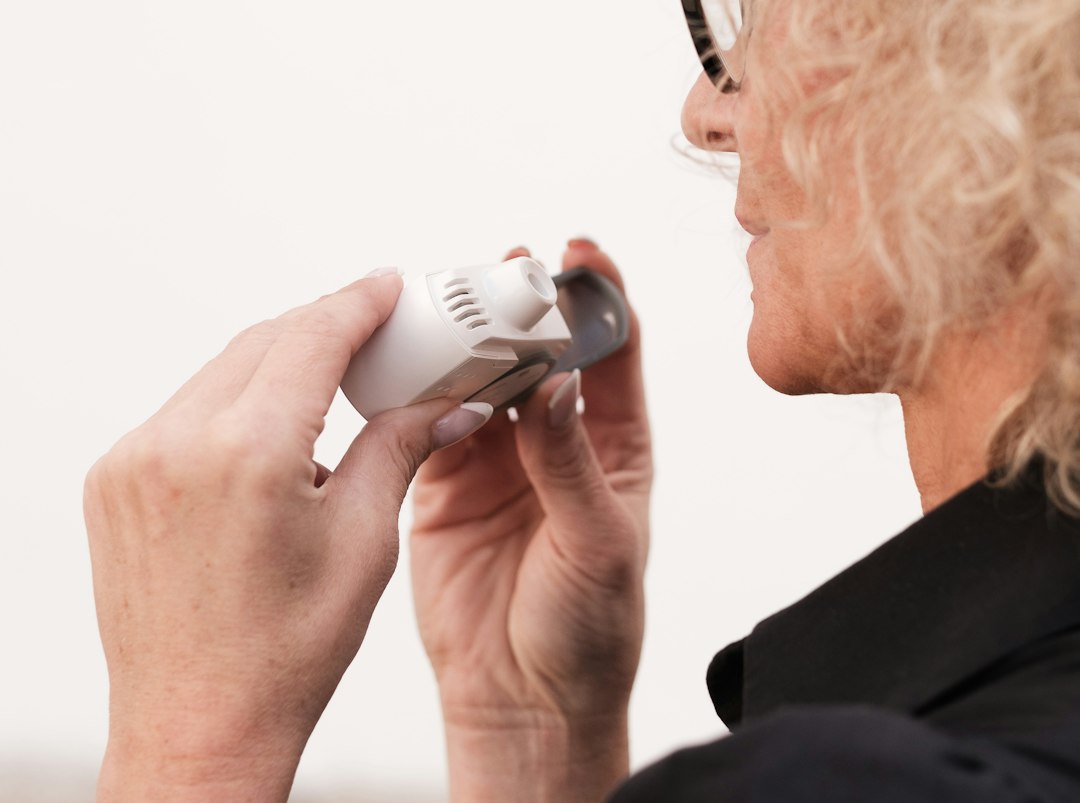
Career Ahead analysis shows that as the demand for personalized health data grows, tools like the PNOE mask will likely see more use in clinical and research settings. Gathering accurate metabolic data without extensive resources can speed up research timelines and improve the quality of health insights. This technology enhances efficiency and aligns with broader trends in the industry, where patient empowerment is becoming central. As more people take charge of their health, devices like the PNOE mask will be increasingly important.
In a landscape where traditional healthcare delivery is changing, innovations like PNOE’s mask represent progress. As the company refines its technology and expands its market presence, it will be interesting to see how healthcare professionals and researchers adapt.
The future of breath diagnostics looks promising with self-serve technology. PNOE’s innovative breath testing mask is just the start of a trend toward making advanced health assessments accessible to everyone. As the wellness industry grows, these devices could become common in gyms, homes, and clinics.
Additionally, as research continues to explore the links between breath analysis and health conditions, PNOE’s device could lead to new diagnostic capabilities. While the current model focuses on wellness and fitness, future versions may include more complex health assessments, possibly even medical diagnostics.
As the technology matures, regulatory challenges will need to be addressed. Currently, PNOE’s device is classified as a wellness tool, not a medical device. However, as data from these devices becomes more robust, there may be calls for regulatory changes to allow broader applications in healthcare.
Ultimately, the success of PNOE’s self-serve breath testing technology will depend on acceptance by consumers and healthcare providers. If embraced, it could change health diagnostics, making it easier for individuals to understand their health and make informed decisions. The question remains: how will the healthcare industry respond to this shift toward self-service technology in diagnostics?
Frequently Asked Questions
What are the benefits of self-serve breath testing for biotech researchers?
Self-serve breath testing allows biotech researchers to conduct metabolic tests without trained personnel. This significantly reduces costs and increases accessibility. Researchers can gather real-time data, improving the quality of studies and speeding up research timelines.
How can healthcare entrepreneurs leverage new breath testing technologies?
Healthcare entrepreneurs can integrate self-serve breath testing technologies into fitness centers and wellness clinics. This creates new revenue streams and meets the growing consumer demand for personalized health insights, enhancing customer engagement.

What should biotech researchers consider when adopting self-service diagnostic tools?
Biotech researchers should assess the accuracy, reliability, and cost-effectiveness of self-service diagnostic tools. Understanding the regulatory landscape and potential applications of the data collected will also be crucial for successful integration into research practices.