
Tag: scholarships

  • How Financial Strain and Academic Pressure Affect Indian Students

    How Financial Strain and Academic Pressure Affect Indian Students

    India’s top educational institutions are grappling with increasing levels of student distress, primarily driven by academic pressure and financial stress. A recent survey conducted by the Indian Institute of Science (IISc) in Bengaluru found that nearly 50% of students reported distress due to heavy academic workloads, while about 80% linked their mental health struggles to financial concerns.

    This troubling trend follows two student deaths at IISc in August 2026, prompting a closer examination of factors affecting student life. The findings underscore a critical need for institutions to address pressures that extend beyond academics. As competition for grades, research opportunities, and internships intensifies, students find themselves in a high-stress environment detrimental to their mental health.

    Key Factors Contributing to Student Distress

    The IISc survey highlights that academic workloads are a significant source of distress. Many students encounter rigorous curricula, leading to burnout and anxiety. This issue is not isolated to IISc; similar studies indicate that academic stress is prevalent across many top institutions in India. Research from BetterHelp indicates that financial stress adversely affects academic performance, creating a cycle of stress and underachievement.

    Financial concerns are exacerbated by rising tuition fees and a decrease in available scholarships. The IISc survey noted an eight-fold increase in undergraduate tuition fees, from ₹10,000 to ₹80,000. This sharp rise, coupled with increased costs for hostel and mess facilities, has left many students feeling financially insecure. ResearchGate emphasizes that financial stress can hinder academic performance, as students struggle to balance studies with part-time jobs or other financial responsibilities.

    Furthermore, the survey revealed that 47% of students felt psychiatric support was inadequate, while 84% called for improved awareness and access to mental health services. This gap in support raises critical questions about how institutions can effectively meet students’ mental health needs. The necessity for enhanced mental health resources is echoed in findings from TeachThought, which stress the connection between financial stress and academic performance.

    Students also expressed concerns about strict attendance policies and limited opportunities for social interaction. Over 81% of respondents advocated for more flexible attendance rules, indicating that current policies may contribute to stress. This highlights the importance of involving students in discussions about their academic and social environments.

    Wider Implications for Educational Institutions

    The rise in student distress has implications beyond individual well-being; it affects the broader educational landscape in India. As higher education institutions confront these challenges, prioritizing student mental health becomes essential for retention and the reputation of these prestigious schools.

    Moreover, the financial burden on students can have long-term repercussions in the workforce. Graduates may carry the stress from their studies into their professional lives, impacting performance and job satisfaction. BetterHelp’s research indicates that financial stress can lead to diminished job performance, as employees may feel overwhelmed by their financial obligations.

    Institutions must consider how student distress influences the future workforce. By investing in mental health resources and fostering supportive environments, they can help graduates emerge both academically prepared and mentally resilient. This investment could cultivate a more capable and satisfied workforce, ultimately benefiting the economy.

    Student Distress Driven by Academic and Financial Pressures

    As discussions around student well-being gain momentum, educational leaders must acknowledge the critical role of mental health in academic success. The demand for improved mental health services is likely to persist, compelling institutions to reevaluate their approaches to student care.

    Addressing Student Concerns

    Given these challenges, the role of educational institutions in shaping their students’ futures is paramount. The urgency for comprehensive support systems is evident as students navigate the complexities of academic life amid financial pressures. Institutions must respond to the growing demand for mental health resources and consider policy changes that better support students.

    In light of these findings, it will be crucial to observe how institutions adapt to meet the needs of their students. Will they implement changes to enhance support systems, or will existing trends continue to exacerbate the challenges faced by future generations?

    Frequently Asked Questions

    What are the main causes of student distress in India’s top institutions?

    The primary causes of student distress include academic pressure and financial stress, with many students feeling overwhelmed by their workloads and financial obligations.

    How can students manage academic pressure?

    Students can manage academic pressure by seeking support from peers and mental health resources, and by maintaining a balanced approach to their studies.

    Student Distress Driven by Academic and Financial Pressures

    What financial resources are available for students in India?

    Students can explore scholarships, grants, and financial aid options offered by their institutions to alleviate financial stress.

    What should students do about mental health challenges?

    Students facing mental health challenges should reach out to counseling services at their institutions and engage in activities that promote well-being.

    Why is addressing student distress important for educational institutions?

    Addressing student distress is crucial for ensuring student retention, academic success, and fostering a positive learning environment.
  • IIT Fellowships Offer Up to Rs 3 Lakh Monthly | Career Outlook

    IIT Fellowships Offer Up to Rs 3 Lakh Monthly | Career Outlook

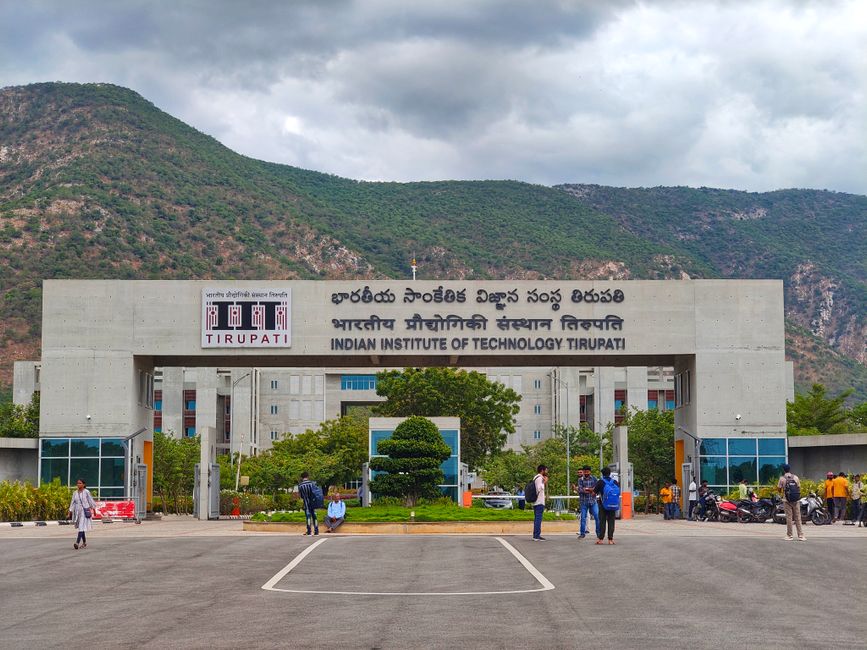
    India’s top engineering schools, the Indian Institutes of Technology (IITs), will enhance their scholarships in 2026. Several IITs, like IIT Kanpur and IIT Kharagpur, are introducing new financial support options. These include monthly fellowships and increased annual scholarships. The goal is to lessen the financial burden on students and make higher education more accessible.

    The new scholarships offer significant financial aid, with amounts up to Rs 3 lakh per year. For example, IIT Kanpur’s Bright Minds Scholarship awards Rs 3 lakh annually to students ranked in the top 100 of the JEE Advanced exam. This support can greatly reduce financial stress for families and students pursuing engineering and technology degrees. According to a report by News18, these scholarships are part of a larger strategy to improve educational access and equity for aspiring engineers in India.

    New Monthly Fellowships and Increased Support

    IIT Kharagpur has launched the Director Platinum Jubilee Excellence Fellowship (DPEF) for its 75th anniversary. This fellowship targets high-achieving candidates in national-level entrance exams like GATE and JAM. Eligible PhD candidates can receive Rs 80,000 per month for the first two years, increasing to Rs 90,000 for the next three years, based on meeting specific criteria. This initiative encourages students to pursue higher education and eases their financial worries.

    Additionally, candidates who rank in the top 50 in GATE 2026 or JAM can benefit from this fellowship. This shows IIT’s commitment to supporting academic excellence. The DPEF is important as it highlights IIT Kharagpur’s dedication to fostering research and innovation, which are vital for India’s technological growth. IIT Kanpur also provides significant financial help through its Bright Minds Scholarship for top JEE Advanced rankers. Students in the top 100 can receive Rs 3 lakh per year, covering tuition and living costs. This support is crucial for students facing financial barriers to attending one of India’s leading engineering schools.

    Moreover, IIT Roorkee offers the James Thomson Scholarship, providing Rs 25,000 per month to students with an All India Rank of up to 250 in JEE Advanced. This scholarship requires recipients to maintain a CGPA of at least 8.0 to continue receiving support. Such initiatives are key in creating a competitive yet supportive educational environment. As Buddy4study highlights, these scholarships not only provide financial relief but also motivate students to excel academically, fostering a culture of achievement within these prestigious institutions.

    These new financial aid structures reflect a trend among IITs to enhance accessibility and support for students. By providing substantial financial resources, these institutions aim to attract and retain top talent. The increasing availability of these scholarships is expected to draw a more diverse student body, enriching the educational experience for all.

    Impact on Student Debt and Financial Independence

    The new scholarships and fellowships will likely have a major impact on student debt and financial independence among IIT students. With rising education costs, many students face heavy financial burdens. These support systems can help ease those pressures, allowing students to focus more on their studies. Career Ahead’s analysis shows that financial aid from IITs can lead to higher enrollment rates among economically disadvantaged students. As scholarships become more accessible, students may take on less debt, promoting greater financial independence. This change is crucial as many students worry about the long-term effects of student debt on their careers.

    Furthermore, the availability of monthly fellowships encourages students to pursue advanced degrees, like PhDs, without fearing financial instability. This can create a more educated workforce, essential for India’s growth in technology and innovation. By investing in students today, IITs are building a stronger economy for tomorrow. The focus on merit-based scholarships ensures that financial support goes to those who show academic excellence. This approach motivates students to perform well and fosters a culture of achievement at these prestigious institutions. As more students succeed, the overall reputation and quality of education at IITs are likely to improve.

    In summary, the financial support options for IIT students in 2026 will reshape higher education in India. By lowering financial barriers, these initiatives promote academic excellence and empower students to chase their dreams without financial worries. As these changes unfold, it will be important to monitor their effects on student enrollment and retention rates at IITs. The ongoing adjustments in scholarship offerings may inspire other educational institutions to rethink their financial aid programs, potentially leading to a broader shift in higher education across India.

    IIT Fellowships Offer Up to Rs 3 Lakh Monthly | Career Outlook

    Frequently Asked Questions

    What are the eligibility criteria for IIT scholarships in 2026?

    Eligibility for IIT scholarships varies by program. Generally, students must achieve high ranks in entrance exams like JEE Advanced or GATE and maintain specified academic performance throughout their studies.

    How can IIT students apply for the new monthly fellowships?

    Students can apply for monthly fellowships through the ongoing admission processes at their respective IITs. For example, IIT Kharagpur’s DPEF does not require a separate application; eligible candidates can apply through the PhD admission process.

    IIT Fellowships Offer Up to Rs 3 Lakh Monthly | Career Outlook

    What financial planning strategies should IIT students consider with these new scholarship options?

    IIT students should assess their financial needs and plan their budgets accordingly. With new scholarships and fellowships available, students can prioritize their academic expenses and reduce reliance on loans, fostering greater financial independence.

  • IIT Fellowships Offer Up to Rs 3 Lakh Monthly

    IIT Fellowships Offer Up to Rs 3 Lakh Monthly

    India’s prestigious Indian Institutes of Technology (IITs) are stepping up their financial support for students in 2026. With scholarships reaching up to Rs 3 lakh per year and monthly fellowships for doctoral candidates, these initiatives are designed to ease the financial burden on high-performing students. This enhancement in funding comes at a crucial time as educational expenses continue to rise.

    The IITs are known for their competitive admissions process, primarily through exams like JEE Advanced and GATE. A strong performance in these exams not only secures admission but also opens doors to significant financial aid, which can substantially impact a student’s academic journey. According to a report by News18, the scholarships are aimed at fostering a more inclusive educational environment, ensuring that talented students from various backgrounds have the opportunity to excel without financial constraints.

    Scholarships and Fellowships: A Closer Look

    IIT Kanpur is offering its Bright Minds Scholarship, which provides Rs 3 lakh annually to the top 100 students who secure high ranks in JEE Advanced. This scholarship is structured to support students throughout their four-year undergraduate program, contingent upon maintaining a minimum CPI of 8.0. The breakdown of the scholarship includes Rs 2 lakh for tuition fees and the remaining Rs 1 lakh for additional expenses like hostel fees, books, and medical insurance. This comprehensive support is crucial for students who may struggle with the high costs associated with quality education.

    Meanwhile, IIT Kharagpur has introduced the Director Platinum Jubilee Excellence Fellowship (DPEF), which awards up to Rs 90,000 per month to PhD candidates who rank among the top 50 in GATE or JAM. This fellowship not only incentivizes academic excellence but also aims to attract talented individuals into research roles, enhancing the institution’s research output. The DPEF is particularly significant as it encourages students to engage in innovative research projects, which can lead to groundbreaking advancements in technology and engineering.

    IIT Roorkee is also making strides with its James Thomson Scholarship, offering Rs 25,000 per month to students who secure an All India Rank of up to 250 in JEE Advanced. This scholarship is tied to academic performance, requiring recipients to maintain a CGPA of at least 8.0 to continue receiving support. Such initiatives are vital in promoting a culture of excellence among students, as they are motivated to perform well academically while also managing their financial responsibilities.

    At IIT Delhi, scholarships like the Amit and Deepali Sinha Foundation Scholarship consider both academic merit and financial need. Applicants must demonstrate a family income below Rs 9 lakh to qualify, making this scholarship accessible to a broader range of students. This approach aligns with the findings from Buddy4Study, which emphasize the importance of financial aid in promoting educational equity and ensuring that deserving students can pursue their academic goals without undue financial stress.

    These various scholarship and fellowship programs signify a commitment from IITs to not only foster academic excellence but also to alleviate financial constraints that could hinder talented students from pursuing their education. The IITs’ proactive stance in enhancing financial support reflects a growing recognition of the diverse challenges faced by students, particularly in the context of rising tuition fees and living costs.

    Eligibility Criteria and Application Process

    The eligibility criteria for these scholarships and fellowships often vary by program and institution. Generally, students must achieve high ranks in national entrance exams such as JEE Advanced, GATE, or JAM. For instance, the Bright Minds Scholarship at IIT Kanpur specifically targets students within the top 100 ranks of JEE Advanced, while the DPEF at IIT Kharagpur is available to those in the top 50 ranks of GATE or JAM. This targeted approach ensures that the financial aid is directed towards the most deserving candidates, thereby maximizing the impact of the funds available.

    In addition to academic merit, some scholarships also consider financial need. For example, IIT Delhi’s Amit and Deepali Sinha Foundation Scholarship requires applicants to demonstrate their family’s annual income, ensuring that support is directed towards those who need it most. This combination of merit and need-based criteria aims to create a more equitable educational environment. The emphasis on financial need is particularly important in a country like India, where socio-economic disparities can significantly affect access to quality education.

    The application process typically involves submitting an application through the respective IIT’s admission portal during the enrollment phase. Students do not need to apply separately for many of these scholarships, as eligibility is assessed based on their entrance exam performance and academic records. Furthermore, the IITs have made efforts to streamline the application process, allowing for easier access to financial aid for incoming students. This is particularly crucial as many students face significant financial challenges when pursuing higher education.

    IIT Fellowships Offer Up to Rs 3 Lakh Monthly

    Career Ahead’s analysis identifies that these initiatives not only support students financially but also enhance the overall academic environment by attracting high-caliber candidates. This focus on merit-based and need-based financial support could lead to a more diverse student body, enriching the academic experience for all. The IITs’ commitment to providing substantial financial assistance is likely to have a lasting impact on the educational landscape, encouraging more students to pursue their dreams in STEM fields.

    Moreover, the financial support provided through these scholarships and fellowships can have a profound impact on the career trajectories of IIT graduates. With reduced financial burdens, students can focus more on their studies and research rather than worrying about funding their education. This can lead to better academic performance, which is crucial in a competitive job market. Additionally, the emphasis on research through fellowships like the DPEF at IIT Kharagpur encourages students to engage in innovative projects that can enhance their employability. Companies often seek graduates who have hands-on experience in research and development, making these fellowships valuable for future job prospects.

    Ultimately, the IITs’ commitment to financial support not only benefits individual students but also contributes to the broader economic landscape by fostering innovation and talent development. As the landscape of higher education continues to evolve, the IITs’ approach to scholarships and fellowships may set a precedent for other institutions in India and beyond. The growing trend towards merit-based financial aid could reshape how students perceive the value of education and the role of financial support in achieving their academic goals.

    Frequently Asked Questions

    What are the eligibility criteria for IIT scholarships?

    Eligibility criteria for IIT scholarships typically include achieving high ranks in national entrance exams like JEE Advanced, GATE, or JAM. Some scholarships also consider financial need, requiring applicants to demonstrate a family income below a certain threshold.

    How can IIT students apply for monthly fellowships?

    IIT students can apply for monthly fellowships through the respective IIT’s admission portal during the enrollment phase. Many fellowships do not require a separate application, as eligibility is assessed based on entrance exam performance and academic records.

    IIT Fellowships Offer Up to Rs 3 Lakh Monthly

    What impact do IIT scholarships have on postgraduate career opportunities?

    Career Ahead’s analysis finds that IIT scholarships significantly enhance postgraduate career opportunities by reducing financial burdens and allowing students to focus on their studies. This can lead to better academic performance and increased employability in a competitive job market.