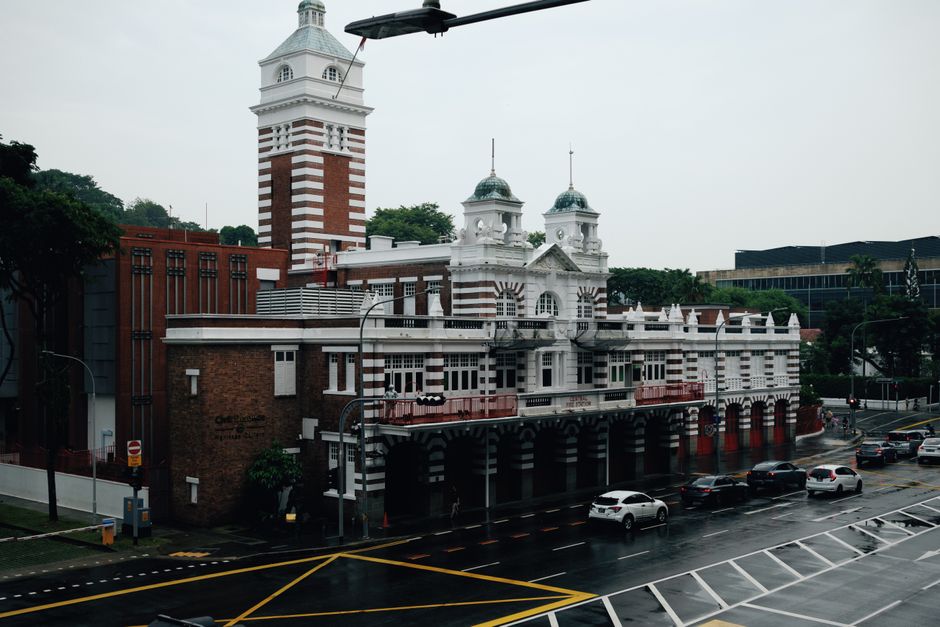
Singapore — Waymo plans to offer paid robotaxi rides in Singapore by 2028. This marks a big step in urban mobility solutions. The initiative fits the growing trend of using autonomous vehicles in public transport. It promises to change how residents and visitors get around the city.
This development is important as cities worldwide face congestion and pollution. Waymo’s paid robotaxi service aims to provide a reliable alternative to traditional transport. This could ease traffic problems and improve the overall commuting experience. It may also reduce reliance on personal vehicles, leading to lower emissions and better air quality.
Waymo’s Technological Advancements and Expansion Plans
Waymo is a leader in autonomous vehicle technology. The company has made great progress in recent years. It has successfully operated a robotaxi service in select U.S. cities, showing its ability to navigate complex urban areas without human help. Reports say Waymo plans to expand internationally, starting with Singapore. The city offers a unique chance to integrate its technology into a densely populated area.
Career Ahead’s analysis shows that Waymo’s entry into Singapore is not just about expanding its service area. It also involves adapting its technology for a different market. Singapore’s urban design, with high-density living and advanced infrastructure, is ideal for testing autonomous vehicles. Waymo will likely work closely with local authorities to comply with regulations and optimize its services for Singapore’s unique traffic patterns.
Waymo’s technology is expected to include advanced features like real-time traffic data analysis and predictive routing algorithms. These will be crucial for navigating Singapore’s busy streets. As Waymo prepares for its launch, it will face competition from local and international players. Companies like Grab and Gojek already dominate the ride-hailing market in Southeast Asia. Waymo’s challenge will be to stand out by using its advanced autonomous technology while meeting local consumer needs.
Additionally, launching a paid robotaxi service in Singapore will require sophisticated routing algorithms and real-time traffic management systems. Waymo’s technology must integrate smoothly with existing transport infrastructure, including public transit. This integration is vital for ensuring the service is efficient and user-friendly, allowing smooth transitions between different transport modes.
Impact on Urban Transportation Planning
Waymo’s paid robotaxi service will greatly impact urban transportation planning in Singapore. Urban planners must find ways to integrate these autonomous vehicles into existing transport systems. This includes planning designated pick-up and drop-off zones to ensure robotaxis operate efficiently without disrupting pedestrians or other vehicles.
The presence of robotaxis may also prompt a reevaluation of public transport systems. As autonomous vehicles become more common, planners might need to rethink the roles of buses and trains. For example, if robotaxis offer on-demand service at a lower cost, there could be less demand for fixed-route public transit. This shift may lead to reallocating resources to enhance the robotaxi network, improving service coverage and frequency.
Career Ahead research shows that the shift to autonomous transport will create new job opportunities in urban planning and engineering. Professionals will need to develop skills in integrating autonomous systems with traditional infrastructure. This includes understanding the technical needs of autonomous vehicles and how they interact with existing traffic systems. The urban landscape will also need to adapt to accommodate robotaxis, such as designated lanes or traffic signals prioritizing these vehicles.
Moreover, urban planners must address challenges like the impact of increased robotaxi usage on traffic patterns and parking. A rise in robotaxis could change street usage and require new regulations for vehicle operations. Planners will need to consider these factors to ensure the integration of robotaxis enhances the urban environment. Successful implementation of Waymo’s service could serve as a model for other cities adopting similar technologies.
Waymo’s expansion into Singapore is expected to create many job opportunities in the autonomous vehicle sector. As the company builds its infrastructure and develops its services, there will be a demand for skilled workers in fields like engineering, software development, and urban planning. This job growth is crucial in a post-pandemic economy where many sectors are still recovering. According to NXS Media Wire, the autonomous vehicle industry is projected to grow significantly in the coming years, potentially generating thousands of jobs globally. As companies like Waymo expand, they will seek talent that can innovate and adapt to new technologies. This trend may encourage educational institutions to align their curricula with the skills needed in this evolving job market.
Additionally, the economic effects of introducing a paid robotaxi service go beyond job creation. Improved transportation efficiency can reduce travel times and lower costs for consumers. This could boost economic activity by making it easier for people to access jobs, education, and services throughout the city. As urban mobility solutions like Waymo’s robotaxi service become more common, cities may also see increased investments in infrastructure to support these technologies. This could include upgrades to roadways, traffic management systems, and public transport facilities, further enhancing the urban environment.
If successful, Waymo’s robotaxi service in Singapore could inspire other cities to explore similar initiatives. This could lead to a domino effect, encouraging more cities to integrate autonomous vehicles into their transport networks. Waymo’s plans for a paid robotaxi service in Singapore signal a major shift in urban mobility solutions. As the company prepares for its 2028 launch, it will focus on how well it can integrate its technology into Singapore’s transport landscape. The results of this initiative will likely influence future urban transportation policies and the broader adoption of autonomous vehicles worldwide.
Frequently Asked Questions
What technologies are essential for autonomous vehicle engineers working on robotaxi services?
Engineers in the autonomous vehicle sector must know machine learning, computer vision, and sensor fusion technologies. These skills help develop the algorithms and systems needed for safe and efficient robotaxi operations.
How can urban transportation planners prepare for the integration of robotaxis in city infrastructure?
Urban planners should create designated areas for robotaxi pick-up and drop-off. They must also consider how these vehicles will interact with existing public transport systems. Collaboration with autonomous vehicle companies is crucial for effective planning.

What should autonomous vehicle engineers consider when designing for international markets like Singapore?
Engineers should consider local regulations, cultural preferences, and unique urban landscapes when designing autonomous systems for international markets. Adapting technology to fit these specific contexts is essential for successful implementation.