Tag: risk management

  • Fed steps up scrutiny after Jane Street loss

    Fed steps up scrutiny after Jane Street loss

    The Federal Reserve and the Bank of England are increasing their scrutiny of banks’ exposure to trading firms. This follows a significant loss at Jane Street, which reported a staggering $15 billion hit due to issues at the hedge fund Situational Awareness. This regulatory oversight is expected to greatly impact risk management practices within financial institutions.

    Regulators are seeking detailed information on trading activities and risk controls used by banks. They are investigating how banks’ exposures to trading firms changed during trading days, especially in volatile markets. Recent events show a growing concern among regulators about systemic risks from trading firms that use high-leverage strategies. According to a report from the Economic Times, the Federal Reserve and the Bank of England want to understand banks’ risk appetite and their controls over trading exposures. This indicates a shift toward a more proactive regulatory environment.

    Impact of Regulatory Scrutiny on Risk Assessment Practices

    The loss at Jane Street has raised alarms among regulators. The Federal Reserve and the Bank of England are now demanding stricter reporting from financial institutions about their risk management frameworks. According to Career Ahead’s analysis, this trend may change how risk is assessed and managed within trading firms. Regulators want to know how banks measure their risk appetite and control exposures to trading firms.

    As a result, risk managers in financial services will need to adjust their methods to meet new regulatory expectations. This may involve using more comprehensive risk assessment models that consider the volatility of trading activities. Enhanced data analytics and real-time monitoring will become essential tools for risk managers as they adapt to these new requirements. The increased scrutiny is not just a reaction to Jane Street’s losses but also reflects a broader trend in regulatory practices aimed at ensuring banks are compliant and resilient to market shocks.

    The focus on risk assessment will likely extend to the methods used by trading firms. Career Ahead research suggests that trading firms may need to invest in advanced risk modeling and analytics to meet the new scrutiny. This change will affect compliance and influence how trading strategies are developed. Firms must ensure they can meet regulatory demands. As noted by IJR, the regulatory landscape is changing. Firms that improve their risk management frameworks may be better positioned to handle regulatory challenges. Those that do not adapt could face significant penalties or operational disruptions, highlighting the need for a strong risk management strategy.

    Moreover, these changes will impact more than just individual firms. Increased regulatory demands may lead to a reevaluation of trading strategies across the industry. Firms may need to adopt a more conservative approach to leverage and risk-taking. This could fundamentally change trading dynamics in financial markets. Firms that adapt successfully may gain a strategic advantage. In contrast, those that struggle to comply may find themselves at a competitive disadvantage, affecting their market position and profitability.

    Changes in Compliance Protocols and Trading Strategies

    The heightened scrutiny from the Federal Reserve and the Bank of England will likely lead to changes in compliance protocols within financial institutions. Recent inquiries into the trading activities of major banks, such as Goldman Sachs and JPMorgan, highlight the urgency for compliance teams to reassess their practices. Career Ahead’s analysis indicates that compliance departments will need to implement more rigorous monitoring processes to meet new regulatory standards. This includes reviewing existing compliance frameworks and integrating more advanced technology to track trading activities and risk exposures.

    Additionally, compliance protocols will likely evolve to include more detailed reporting requirements about trading activities and leverage usage. Compliance professionals must be equipped with the tools and knowledge to manage these new expectations effectively. Ongoing training and development will be critical for compliance teams to stay ahead of regulatory changes. The Economic Times reports that banks will need to provide detailed disclosures about their trading activities. This will require a cultural shift within organizations toward greater transparency and accountability.

    In addition to compliance adjustments, trading strategies will also change due to the increased scrutiny. Traders must be more mindful of how their strategies align with regulatory expectations, especially regarding risk management and leverage. The potential for increased regulatory oversight may lead traders to adopt more conservative strategies, focusing on risk mitigation rather than aggressive growth. This cautious approach could affect not only individual trading firms but also the broader market environment, potentially leading to reduced liquidity and increased volatility as firms become more risk-averse.

    Fed steps up scrutiny after Jane Street loss

    This shift could fundamentally change the competitive landscape within financial services. Firms that adapt successfully may gain a strategic advantage. Conversely, those that struggle to comply may face a competitive disadvantage, impacting their market position and profitability. As the regulatory landscape evolves, it will be crucial for financial institutions to stay informed and agile. Adapting to changing regulations will be essential for maintaining a competitive edge in the market.

    The increased scrutiny from the Federal Reserve and the Bank of England marks a significant shift in the regulatory landscape for trading firms. As regulators demand more transparency and accountability, financial institutions must rethink their approaches to risk management and compliance. This ongoing evolution is likely to reshape how trading firms operate in the coming years. Career Ahead’s analysis indicates that firms investing in advanced risk management systems and compliance protocols will be better positioned to thrive in this new environment. Integrating technology and data analytics into risk management practices will be increasingly important as firms seek to meet regulatory expectations.

    Moreover, the possibility of further regulatory changes looms as the financial landscape evolves. Firms must stay vigilant and proactive in adapting to new regulations to avoid potential pitfalls. The question remains: how will trading firms balance the need for compliance with the pursuit of profitability in a more regulated environment? As the situation unfolds, financial institutions must closely monitor regulatory developments and adjust their strategies accordingly. Navigating these changes will be critical for maintaining competitiveness and ensuring long-term success in the financial services sector.

    Frequently Asked Questions

    What new regulations should risk managers be aware of?

    Career Ahead’s analysis shows that risk managers must pay close attention to new reporting requirements and risk assessment frameworks from the Federal Reserve and the Bank of England. These changes will require more detailed documentation of risk exposures and compliance protocols.

    How can traders adapt to increased scrutiny from regulators?

    Traders can adapt by using more conservative strategies that prioritize risk management and compliance. Staying informed about regulatory changes and aligning trading strategies with new requirements will be essential for success.

    Fed steps up scrutiny after Jane Street loss

    What steps should financial institutions take to enhance compliance with new regulations?

    Financial institutions should invest in advanced risk management systems and training for compliance teams. Developing robust monitoring processes and ensuring all trading activities are documented according to regulatory standards will be crucial.

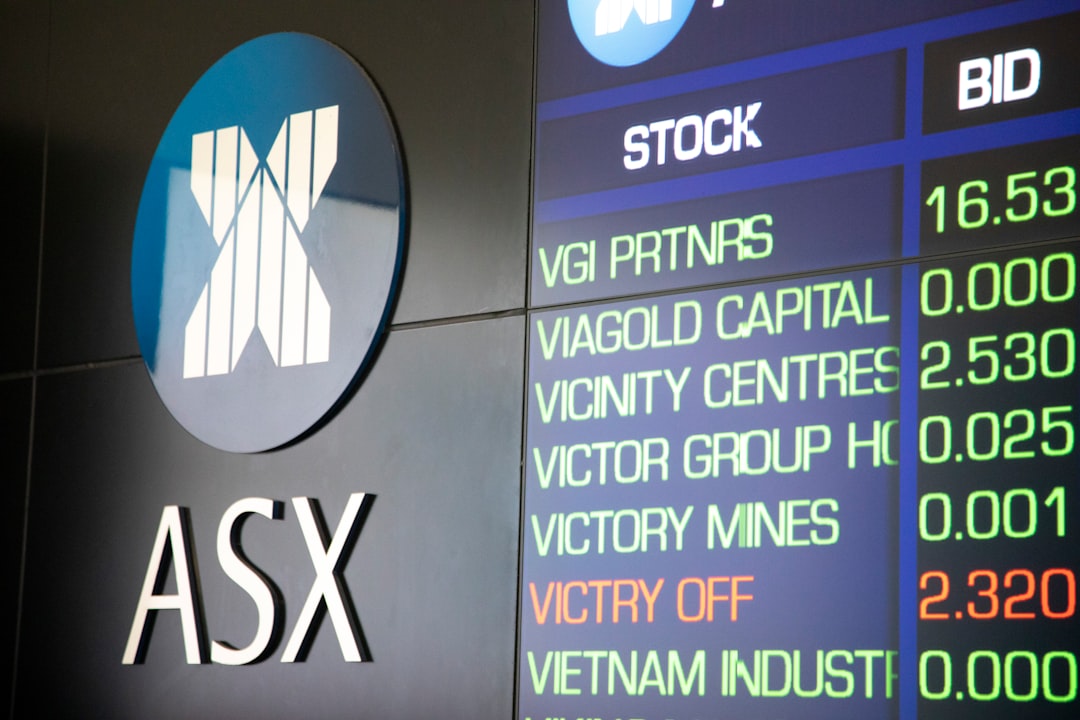
  • ASX Leadership Changes Signal New Governance Strategies

    ASX Leadership Changes Signal New Governance Strategies

    Australia’s securities exchange, ASX, has appointed a new Chief Financial Officer (CFO) and Clearing Director as part of a strategic leadership overhaul. These appointments come at a crucial time for the organization, aiming to strengthen its financial governance and enhance operational efficiency in the capital markets. The new CFO is expected to drive significant changes in financial reporting and risk management practices while the Clearing Director will focus on optimizing clearing operations.

    This leadership change is particularly relevant given the increasing complexity and regulatory scrutiny facing financial institutions. The ASX has been under pressure to enhance its operational resilience and improve its service offerings. The appointments signal a proactive approach to these challenges, indicating that ASX is committed to maintaining investor confidence and ensuring market stability.

    Impact on Financial Governance Practices at ASX

    The appointment of the new CFO is poised to reshape ASX’s financial governance practices. Career Ahead’s analysis identifies that the new leader will likely prioritize transparency and accountability in financial reporting. This shift is crucial as stakeholders increasingly demand higher standards of governance from financial institutions.

    Moreover, the focus on enhanced risk management practices cannot be overstated. The CFO will need to navigate a landscape marked by economic uncertainty and evolving regulatory requirements. By implementing robust financial controls and risk assessment frameworks, ASX can mitigate potential threats to its operational integrity.

    In addition, the Clearing Director’s role will be pivotal in refining the clearing processes. Improved clearing operations can lead to reduced settlement times and enhanced liquidity in the market. This is particularly important for maintaining investor confidence, as delays or inefficiencies in clearing can lead to significant market disruptions.

    Overall, these leadership changes signal a commitment to strengthening financial governance at ASX. By prioritizing these areas, ASX aims to bolster its reputation as a reliable and efficient marketplace, which is essential for attracting and retaining investors.

    Changes in Clearing Operations and Risk Management

    The new Clearing Director brings a wealth of experience that is expected to transform ASX’s clearing operations. Career Ahead research finds that a focus on technology-driven solutions will likely be a key part of this transformation. Implementing advanced technology can streamline clearing processes, making them more efficient and less prone to error.

    Additionally, the Clearing Director’s strategic vision will likely include enhancing risk management protocols. This is particularly relevant in today’s environment, where market volatility can pose significant risks to financial institutions. By adopting a proactive approach to risk management, ASX can safeguard its operations and ensure compliance with regulatory standards.

    Furthermore, the integration of real-time data analytics into clearing operations can provide valuable insights into market trends and risks. This capability will enable ASX to respond swiftly to emerging challenges, ensuring that it remains competitive in a rapidly evolving financial landscape.

    ASX's New CFO and Clearing Director Shift Financial Governance

    As the new leadership team settles in, stakeholders will be keenly observing how these changes impact operational efficiency and market stability. The emphasis on technology and risk management is expected to foster a more resilient clearing environment, ultimately benefiting investors and market participants alike.

    Potential Influence on Market Stability and Investor Confidence

    The appointments of the new CFO and Clearing Director are expected to have significant implications for market stability. Career Ahead’s analysis indicates that strong leadership in financial governance can enhance investor confidence, which is crucial for maintaining a stable market environment. Investors are more likely to engage with a platform that demonstrates robust governance and operational efficiency.

    Moreover, the focus on risk management and efficient clearing processes can help mitigate systemic risks within the financial system. By addressing potential vulnerabilities, ASX can contribute to a more stable market, reducing the likelihood of disruptions that can negatively impact investor sentiment.

    As ASX embarks on this new chapter, the leadership team’s ability to communicate effectively with stakeholders will be essential. Transparent communication regarding changes in governance practices and operational strategies can further bolster investor confidence. Investors are likely to respond positively to clear and consistent messaging about the organization’s commitment to enhancing its operational framework.

    ASX's New CFO and Clearing Director Shift Financial Governance

    In summary, the recent leadership changes at ASX may represent a pivotal moment for the organization. With a renewed focus on financial governance, risk management, and operational efficiency, ASX is positioning itself to navigate the complexities of the financial landscape effectively.

    What remains to be seen is how these changes will unfold in the coming months. Will ASX’s new leadership successfully implement their vision, and how will the market respond? The answers to these questions will be crucial in determining the future trajectory of ASX in the capital markets.

    Frequently Asked Questions

    What skills are essential for CFO candidates in financial services?

    CFO candidates in financial services should possess strong analytical skills, expertise in financial reporting, and a deep understanding of regulatory compliance. Additionally, leadership and strategic thinking abilities are crucial for navigating the complexities of financial governance.

    How will the new Clearing Director impact capital market operations?

    The new Clearing Director is expected to enhance efficiency in clearing operations through technology-driven solutions and improved risk management protocols. This will lead to faster settlement times and increased market liquidity, benefiting investors and market participants.

    ASX's New CFO and Clearing Director Shift Financial Governance

    What should CFO candidates do to prepare for leadership roles in financial services?

    CFO candidates should focus on developing a strong foundation in financial analysis, regulatory compliance, and strategic management. Gaining experience in risk management and understanding market dynamics will also be essential for success in leadership roles.

  • AI Firms Debate Superintelligence Risks

    AI Firms Debate Superintelligence Risks

    AI companies are intensifying discussions about the risks associated with superintelligent AI. Major players like Anthropic, OpenAI, Meta, and Google are actively engaging in these conversations to better understand the ethical implications of their technologies. This growing focus comes at a time when the potential for superintelligent AI raises significant concerns about safety and control. According to a recent report by Politomix, these discussions are not merely theoretical; they are rooted in real-world scenarios where AI could surpass human intelligence, leading to unpredictable outcomes.

    Researchers from these companies are not only exploring the technical aspects of AI but also considering the broader societal impacts. The urgency of these discussions reflects a critical need to establish ethical frameworks and risk management strategies that can guide the development of AI technologies. As highlighted by Worldnewstream, the implications of superintelligent AI extend beyond technical challenges, encompassing moral dilemmas that could redefine human interaction with machines.

    Emerging Ethical Frameworks in AI Development

    The discussions among major AI companies are leading to the development of new ethical frameworks. These frameworks aim to address the profound implications of superintelligent AI. For instance, the need for transparency in AI decision-making processes is becoming a focal point. Companies are recognizing that trust is essential for public acceptance of AI technologies. The integration of ethical considerations into AI development is no longer optional; it is becoming a prerequisite for innovation. This shift is evident as firms begin to adopt principles that prioritize human safety and ethical considerations alongside technological advancement.

    Furthermore, there is a growing emphasis on accountability. AI companies are exploring how to ensure that their systems can be held responsible for their actions. This includes developing protocols for auditing AI decision-making and establishing standards for ethical AI deployment. The increasing complexity of AI systems necessitates a robust framework that can adapt to new challenges as they arise. As these frameworks evolve, they may also influence regulatory policies. Governments and regulatory bodies are likely to take cues from these industry-led initiatives, which could shape future legislation around AI technologies. The collaborative efforts between tech firms and ethicists are crucial in crafting these frameworks, ensuring they are comprehensive and applicable across various sectors.

    Career Ahead’s analysis identifies that these ethical frameworks are not just theoretical. They are being actively integrated into AI research and development processes. Companies are beginning to adopt principles that prioritize human safety and ethical considerations alongside technological advancement. This proactive approach is essential as it sets a precedent for future AI innovations, ensuring that ethical implications are considered from the outset.

    Risk Assessment Protocols for Superintelligent AI

    Alongside ethical frameworks, AI companies are prioritizing the creation of robust risk assessment protocols. These protocols are designed to identify and mitigate potential risks associated with superintelligent AI. Researchers are conducting extensive analyses to understand the possible scenarios that could arise from deploying such advanced technologies. This includes evaluating the potential for unintended consequences that could emerge from AI systems operating beyond human control. Career Ahead research finds that these risk assessment protocols are critical for ensuring that AI systems operate within safe boundaries. Companies are investing in teams dedicated to evaluating the risks posed by their AI models. This includes simulations and stress tests to assess how these systems respond in various situations.

    Collaboration between tech companies and ethicists is becoming increasingly important in this context. By working together, they can develop more comprehensive risk assessment strategies that take into account ethical considerations. This collaboration can lead to a more holistic approach to AI safety, ensuring that both technical and ethical dimensions are addressed. Moreover, as AI companies refine their risk assessment protocols, they will likely share their findings with the broader community. This could help establish best practices and create a shared understanding of the risks associated with AI technologies. The importance of transparency in these processes cannot be overstated, as it fosters trust and accountability in AI development.

    The urgent discussions on superintelligence risks are opening new avenues for collaboration between AI companies and ethicists. This collaboration is vital for developing a balanced approach to AI innovation. Ethicists bring valuable perspectives that can help shape the direction of AI research and development. Career Ahead analysis shows that partnerships between tech firms and ethical consultants can foster a culture of responsibility in AI development. These collaborations can lead to innovative solutions that address potential risks while promoting technological advancement.

    AI Firms Debate Superintelligence Risks

    As these collaborations gain traction, they may also influence public perception of AI technologies. By demonstrating a commitment to ethical practices, companies can build trust with consumers and stakeholders, ultimately leading to greater acceptance of AI innovations. The conversations around superintelligent AI are not just about addressing immediate concerns; they are also about shaping the future of technology. As AI companies navigate these complex issues, the outcomes of these discussions will have lasting implications for society.

    Looking ahead, the landscape of AI ethics and risk management is poised for significant transformation. The ongoing dialogues among AI companies will likely yield new insights and strategies that could redefine how superintelligent AI is developed and deployed. As these developments unfold, the tech industry and society at large must remain vigilant and proactive in addressing the challenges posed by advanced AI systems. The future of AI will depend not only on technological advancements but also on the ethical frameworks that govern them, ensuring that innovation aligns with societal values and expectations.

    Frequently Asked Questions

    What are the ethical implications of superintelligent AI?

    Career Ahead analysis shows that the ethical implications of superintelligent AI include concerns about accountability, transparency, and the potential for misuse. Companies must navigate these issues carefully to ensure responsible AI development.

    How can AI researchers prepare for potential superintelligence risks?

    AI researchers can prepare for potential superintelligence risks by engaging in interdisciplinary collaboration with ethicists and developing robust risk assessment protocols. This proactive approach can help mitigate risks associated with advanced AI systems.

    AI Firms Debate Superintelligence Risks

    What should ethics consultants do about the rise of superintelligent AI?

    Ethics consultants should actively participate in discussions with AI companies to shape ethical frameworks and risk management strategies. Their insights are crucial for ensuring that AI technologies are developed responsibly and ethically.

  • Retail Algo Trading Transformed

    Retail Algo Trading Transformed

    India’s retail algo trading landscape is changing rapidly. Better access to broker APIs, AI coding tools, and clearer regulations are helping individual traders automate their strategies. This shift is important as the country embraces a more digital financial ecosystem.

    Recent developments show that retail traders now have greater access to algorithmic trading tools. This change is not just about technology; it reflects a new way of approaching trading in India. As more traders use these tools, the potential for innovative trading strategies grows.

    Increased Access to Broker APIs

    Broker APIs are now much more available for retail traders in India. Many brokerage firms offer strong APIs that let traders connect their algorithms directly to trading platforms. This allows individual traders to execute trades automatically based on their strategies, a privilege once reserved for institutional investors.

    For example, platforms like Zerodha and Upstox provide APIs that make it easy to integrate various trading algorithms. Career Ahead’s analysis suggests this trend will continue, with more brokers likely to join in. This democratizes access to advanced trading tools. The Economic Times notes that this shift is about both accessibility and the quality of tools, which are becoming more sophisticated and user-friendly.

    Additionally, cloud-based trading solutions allow traders to deploy their algorithms without needing expensive hardware. This lowers the entry barrier, enabling even novice traders to participate in algo trading. As a result, the retail trading space is becoming more competitive. The Economic Times highlights that as more traders enter the market, the focus will shift to creating unique and effective trading strategies. Traders will need to refine their approaches to stay ahead.

    Moreover, integrating APIs with advanced analytics tools helps traders make informed decisions. These tools provide insights into market trends, allowing traders to adjust their strategies in real time. This adaptability was previously out of reach for many retail traders, marking a significant evolution in the trading landscape.

    The Impact of AI-Assisted Coding on Trading Strategies

    AI technology is changing how traders develop and implement their strategies. AI-assisted coding tools help traders write algorithms more efficiently. These tools can analyze large amounts of data, identify patterns, and suggest optimizations for trading strategies.

    For instance, platforms with machine learning algorithms can adapt to market changes in real time. Career Ahead research shows that traders using AI tools report improved accuracy in their predictions, leading to better performance. This is especially valuable in the volatile Indian market, where rapid changes can significantly affect trading outcomes. The Economic Times emphasizes that while automation streamlines processes, traders must still understand market fundamentals.

    Furthermore, AI can assist in backtesting strategies, allowing traders to see how their algorithms would have performed historically. This capability is vital for refining strategies before live trading. As traders become skilled at using AI tools, we can expect a rise in innovative strategies tailored to the Indian market. However, it’s crucial not to let reliance on AI overshadow traditional analysis methods. Combining AI insights with human intuition can create more robust trading strategies.

    Retail Algo Trading Transformed

    While AI offers many advantages, it’s important to remember that technology cannot replace fundamental trading principles. Strong strategies, thorough testing, and effective risk management are critical for success. As the market evolves, integrating AI with traditional practices will likely shape the next generation of retail traders.

    With the rise of algo trading, risk management is more important than ever. Automated systems can execute orders quickly, amplifying both gains and losses. Traders must adopt sound risk management practices to protect their investments.

    Career Ahead’s analysis indicates that many retail traders overlook risk management, focusing mainly on algorithm development. However, without proper protocols, even the best strategies can lead to significant losses. Tools like stop-loss orders and position sizing are essential for guarding against market volatility.

    Additionally, Indian regulatory bodies are stressing the need for risk management in trading. The Securities and Exchange Board of India (SEBI) has introduced guidelines to ensure traders maintain adequate risk controls. This regulatory clarity benefits retail traders by promoting a more disciplined approach to trading.

    In the evolving algo trading landscape, those who prioritize risk management alongside strategy development are likely to succeed. As the market matures, focusing on sustainable trading practices will be crucial.

    The intersection of technology, regulation, and strategy development in retail algo trading is worth watching. With ongoing advancements in AI and APIs, the future holds exciting possibilities for traders looking to innovate and expand their trading horizons.

    Frequently Asked Questions

    What are the best APIs for retail algo trading in India?

    Career Ahead identifies popular APIs for retail algo trading in India, including those from Zerodha and Upstox. These platforms provide robust tools for traders to automate their strategies effectively.

    How can AI improve my trading strategies?

    AI can enhance trading strategies by analyzing large datasets to identify patterns and optimize algorithms. Traders using AI tools report improved accuracy and performance in their trading outcomes.

    Retail Algo Trading Transformed

    What risk management techniques should I implement in algo trading?

    Effective risk management techniques include setting stop-loss orders, proper position sizing, and following regulatory guidelines. These practices are essential for protecting investments in the fast-paced trading environment.