Tag: renewable energy

  • LG Energy Profit Beats Estimates on Energy-Storage Systems

    LG Energy Profit Beats Estimates on Energy-Storage Systems

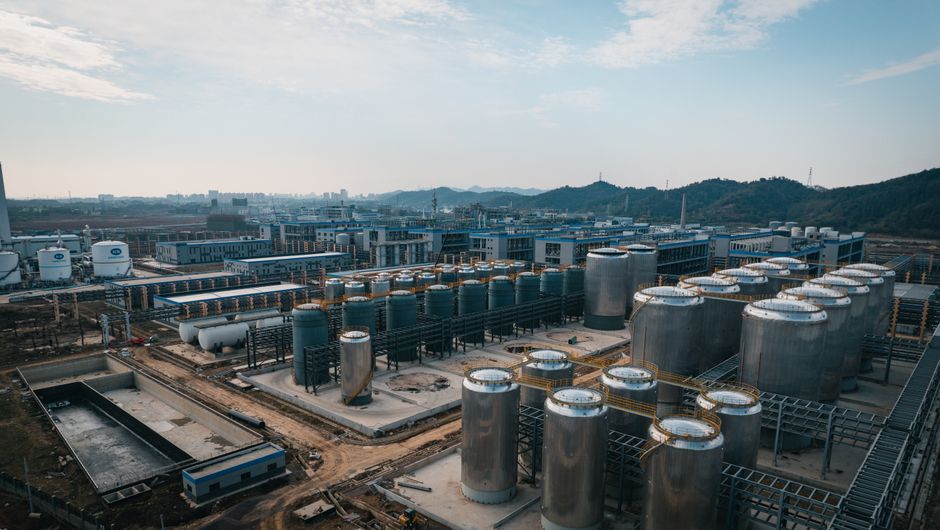
    LG Energy has reported a profit surge that exceeds market expectations. This growth is driven by rising demand for its energy storage systems. The company’s earnings report, released on October 7, 2026, showed a 30% profit increase compared to the previous quarter. This highlights the growing importance of energy storage technology in the global energy market.

    This trend is not unique to LG Energy. Other companies, like DTE Energy and Expand Energy, have also reported strong financial results. DTE Energy announced that its energy trading unit significantly boosted its quarterly profits. Expand Energy benefited from higher production levels, which helped offset challenges from fluctuating gas prices. These developments suggest a thriving market for energy storage technologies and the companies that produce them.

    Rising Demand for Energy Storage Solutions

    The demand for energy storage systems is rising sharply. More businesses and households seek reliable and sustainable energy sources. LG Energy’s success reflects this trend, as customers increasingly see the value of energy storage in managing consumption and costs. According to Career Ahead’s analysis, the global energy storage market is expected to grow at a compound annual growth rate (CAGR) of over 25% through 2030.

    Several factors are driving this growth. The increasing use of renewable energy sources, like solar and wind, requires efficient storage solutions to balance supply and demand. A report from Bloomberg shows that the global shift towards renewable energy is boosting demand for energy storage systems. These systems stabilize the grid and ensure energy availability during peak times. Additionally, government incentives for clean energy adoption are fueling investments in energy storage technologies. As a result, energy storage engineers and battery technology researchers are at the forefront of this industry evolution.

    Career Ahead research shows that rising demand for energy storage solutions is creating many job opportunities. Companies are looking for skilled professionals to design, develop, and implement advanced energy storage systems. This includes roles in battery technology, energy management systems, and renewable energy integration. As the market grows, the need for expertise in these areas will increase. This is a great time for professionals to enter or pivot within this field. The Energy Profits Data report indicates that the energy sector is seeing a significant influx of capital, which is expected to enhance job creation and innovation in energy storage technologies.

    Advancements in battery technology are crucial for meeting the growing demands of the energy storage market. Innovations in lithium-ion batteries and alternative energy storage solutions, like solid-state batteries, are paving the way for more efficient systems. Researchers focusing on these advancements will shape the future of energy storage technology. Ongoing research aims to improve battery efficiency, safety, and sustainability, which are vital for widespread adoption.

    Implications for Energy Storage Engineers and Researchers

    The profitability reported by LG Energy and its peers indicates a bright future for energy storage engineers and battery technology researchers. As companies invest heavily in energy storage solutions, professionals in these fields can expect increased hiring and competitive salaries. Career Ahead’s analysis finds that job openings focused on energy storage systems are expected to increase by 40% over the next five years.

    Engineers with expertise in battery management systems, energy optimization, and renewable energy integration will be in high demand. Those who can navigate regulatory requirements and sustainability standards will have a competitive edge. As companies strive to meet environmental targets and consumer expectations, the role of energy storage engineers will become increasingly vital. DTE Energy’s report emphasizes that adapting to regulatory changes and innovating in energy storage will be crucial for success.

    Advancements in battery technology also present exciting research opportunities. Researchers focused on enhancing battery efficiency, lifespan, and safety will significantly impact next-generation energy storage systems. The shift towards sustainable energy practices means that research funding and support for innovative projects will likely increase. As noted in the Energy Profits Data report, the growing profitability of energy storage systems is likely to attract more investment into research and development.
    LG Energy Profit Beats Estimates on Energy-Storage Systems

    In light of these trends, educational institutions and training programs are adapting to meet the evolving job market. Institutions may offer specialized programs in energy storage technology and battery research. This will equip the next generation of engineers with the skills needed to thrive in this dynamic field.

    The implications of LG Energy’s profit report extend beyond immediate financial success. They highlight a transformative period in the energy sector. As energy storage solutions gain traction, professionals in this space must stay agile and ready to seize new opportunities.

    Looking ahead, the energy storage market is poised for further expansion. As technology improves and costs decrease, we can expect greater adoption of energy storage solutions across various sectors. The question remains: how will these developments shape the future of energy consumption and the workforce in the energy sector?

    Frequently Asked Questions

    What does LG Energy’s profit report mean for energy storage engineers?

    LG Energy’s strong profit report indicates a growing demand for energy storage solutions. This is likely to lead to increased job opportunities for energy storage engineers. Career Ahead analysis finds that job openings in this field are expected to rise by 40% over the next five years.

    How can battery technology researchers benefit from this trend?

    Battery technology researchers can benefit from rising investments in energy storage solutions. Companies seek to enhance battery efficiency and safety. This trend may lead to increased funding for innovative research projects and new job opportunities.

    LG Energy Profit Beats Estimates on Energy-Storage Systems

    What advancements in energy storage should engineers focus on?

    Engineers should focus on advancements in battery management systems, renewable energy integration, and regulatory compliance. These areas will be critical as the demand for efficient and sustainable energy storage solutions continues to grow.

  • US Solar Panel Makers Try to Catch China With a Big Leap

    US Solar Panel Makers Try to Catch China With a Big Leap

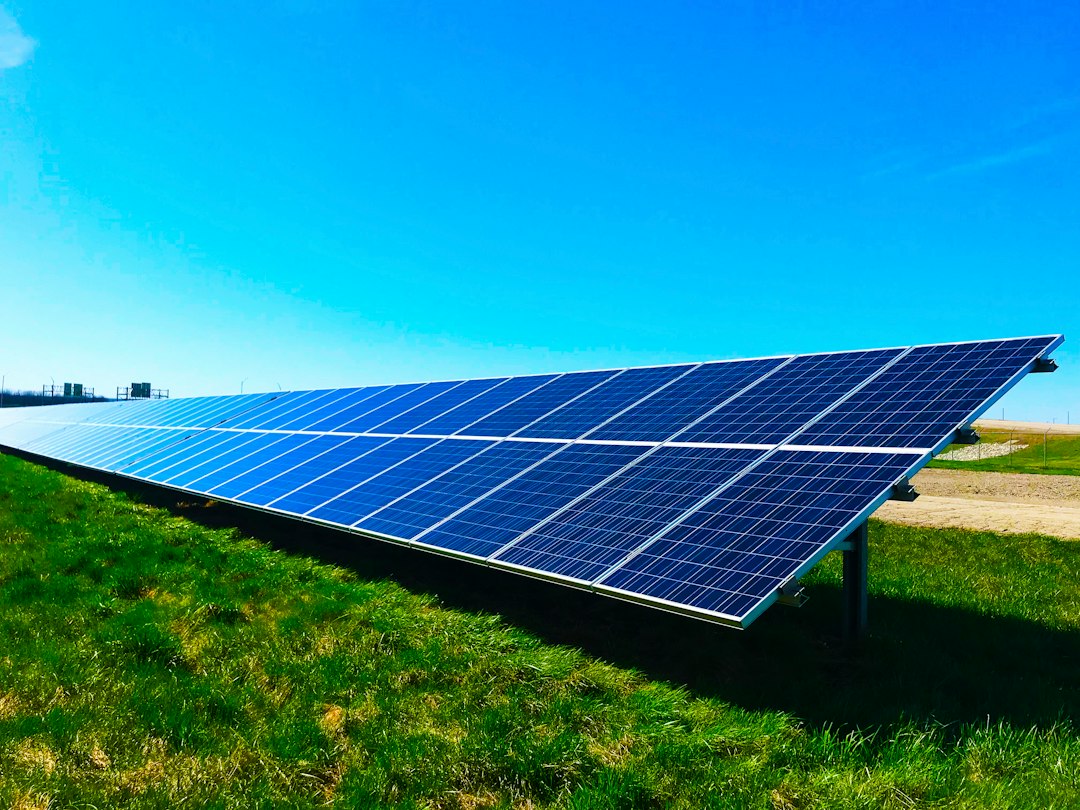
    US solar panel manufacturers are making big improvements in technology. They aim to enhance efficiency and regain market share from China. Recent developments show that these companies are close to perfecting new tandem solar panels. These panels promise to be more efficient than current models. This innovation could reshape the US solar industry and create more jobs in renewable energy.

    As of October 2026, major players in the US solar market are investing heavily in research and development. They want to catch up with their Chinese competitors. The need for innovation comes from the goal to produce solar panels that meet domestic energy demands and compete globally. Career Ahead’s analysis shows that advancements in solar technology could shift the job market for solar panel engineers and renewable energy managers.

    Advancements in Solar Panel Technology

    The introduction of tandem solar cells is a key moment for US manufacturers. These cells combine traditional silicon with perovskite materials. This results in higher efficiency rates compared to standard solar panels. According to SolarPowerNerd, tandem solar panels can exceed 30% efficiency. In contrast, conventional panels typically achieve 20% to 22%. This leap in technology helps US manufacturers regain a competitive edge globally.

    Besides efficiency gains, producing tandem solar panels is becoming more cost-effective. Recent reports show that advancements in manufacturing processes have lowered costs. This makes high-efficiency panels more accessible to consumers and businesses. Increased adoption of solar technology could lead to a surge in demand for skilled professionals in the renewable energy sector.

    Moreover, the US government supports these advancements through incentives and funding for research. This backing is crucial as manufacturers strive to innovate and improve production. Career Ahead research finds that technological advancements and government support could create a strong environment for job growth in the solar industry.

    As US manufacturers increase production of tandem solar panels, the workforce will face significant changes. Solar panel engineers will need to adapt to new manufacturing techniques and materials. Renewable energy managers may find their roles evolving to oversee more complex solar technologies. The demand for professionals who can navigate these changes will likely rise. This highlights the importance of continuous learning in this fast-paced industry.

    Additionally, the competitive landscape is shifting. US manufacturers are innovating and forming strategic partnerships to boost their capabilities. Collaborations with research institutions and universities are becoming common. This allows for the exchange of knowledge and resources, accelerating the development of next-generation solar technologies. This collaborative approach is essential to overcome challenges from established Chinese manufacturers, who dominate the market with economies of scale and aggressive pricing.

    Impact on US Manufacturing Jobs in Solar Energy

    The push for advanced solar technology is expected to greatly impact manufacturing jobs in the US. As companies innovate and expand production, the demand for skilled labor in the solar sector is likely to grow. Reports from PV Magazine indicate that US solar manufacturing jobs could rise significantly in the coming years. Companies are scaling up to meet both domestic and international demand.

    Furthermore, the shift to tandem solar panels may require new training programs and educational initiatives. Educational institutions will need to align their curricula with the evolving needs of the solar industry. Career Ahead’s analysis emphasizes the need for specialized training programs focusing on skills for tandem solar manufacturing and installation.

    In addition to job creation, the growth of the solar manufacturing sector could have broader economic effects. Increased production of solar panels may lower energy costs for consumers and businesses. This could drive further adoption of renewable energy solutions. The trend may also stimulate job growth in related sectors, such as installation and maintenance of solar systems.

    US Solar Panel Makers Try to Catch China With a Big Leap in Technology

    However, competition with China remains a challenge. Chinese manufacturers have dominated the global solar market for years. They leverage economies of scale and lower production costs. While US manufacturers are making progress, they must continue innovating and improving efficiency to compete effectively. Ongoing technological advancements in the US solar sector could play a crucial role in leveling the playing field. A recent article from The New York Times notes that US manufacturers are on the verge of a breakthrough to reclaim lost ground, emphasizing the urgency of these developments.

    Looking ahead, the solar industry will likely continue to evolve. Innovations in energy storage, grid integration, and smart technologies will complement advancements in solar panel efficiency. These developments will create new opportunities for solar panel engineers and renewable energy managers. They will need to stay updated on emerging trends and technologies.

    As the US aims to reduce its carbon footprint and transition to cleaner energy sources, the demand for solar energy solutions is expected to rise. This shift presents an opportunity for professionals in the renewable energy sector to shape the future of energy in the US.

    Ultimately, the success of US solar manufacturers in reclaiming market share from China depends on their ability to innovate and adapt. As the industry progresses, the question remains: will US manufacturers leverage these advancements to establish a sustainable competitive advantage in the global solar market?

    Frequently Asked Questions

    What new technologies are being developed in solar panels?

    Recent advancements include tandem solar panels. These combine traditional silicon with perovskite materials to achieve higher efficiency rates. These innovations help US manufacturers compete more effectively in the global market.

    How will advancements in solar technology affect job opportunities in renewable energy?

    As US manufacturers innovate and expand production, the demand for skilled professionals in the solar sector is expected to grow. Solar panel engineers and renewable energy managers will need to adapt to new technologies and manufacturing processes.

    US Solar Panel Makers Try to Catch China With a Big Leap in Technology

    What skills should solar panel engineers develop to stay competitive?

    Solar panel engineers should focus on gaining expertise in tandem solar technologies and advanced manufacturing techniques. Continuous learning and adaptation will be essential as the industry evolves.

  • Ethanol Blending Diversifies India’s Agricultural Landscape

    Ethanol Blending Diversifies India’s Agricultural Landscape

    India’s Union Minister for Road Transport and Highways, Nitin Gadkari, recently emphasized the importance of ethanol blending as a pivotal step towards diversifying the agricultural sector. Speaking at the Rising Bihar Investor Summit on October 1, 2026, Gadkari stated that the initiative not only supports farmers but also positions them as energy producers rather than just food producers. This shift is seen as a significant move towards enhancing the economic landscape of Bihar and beyond.

    Gadkari’s remarks come in the wake of a growing push for renewable energy sources in India, particularly in the agricultural sector. The minister noted that since the introduction of ethanol blending, millions of vehicles have successfully operated on petrol mixed with ethanol, debunking claims that such blending could damage engines. His statements reflect a broader government strategy aimed at reducing dependence on imported fuels while promoting local agricultural products. According to Hindustan Times, Gadkari’s vision includes a future where vehicles could run entirely on ethanol, potentially priced as low as Rs 25 per litre, making it an economically viable alternative.

    Impact of Ethanol Blending on Crop Diversification

    The blending of ethanol with petrol is expected to encourage crop diversification among farmers. Traditionally, many farmers in India have relied heavily on staple crops like rice and wheat. However, the demand for ethanol provides an incentive to cultivate sugarcane and other biofuel crops, which can yield higher profits. This shift could lead to a more resilient agricultural economy, as farmers diversify their crops to meet both food and energy needs. The Economic Times reports that this diversification could also help stabilize farmers’ incomes, reducing their vulnerability to market fluctuations associated with traditional crops.

    Career Ahead’s analysis indicates that such diversification might also improve soil health and reduce the need for chemical fertilizers. By rotating crops and integrating biofuel production, farmers can enhance biodiversity and sustainability in their farming practices. This aligns with global trends towards more sustainable agriculture, where the focus is on reducing environmental impact while increasing productivity. Moreover, the government policies are increasingly supportive of such transitions. Incentives for farmers to grow ethanol-producing crops can lead to increased investment in rural areas, boosting local economies. The government’s commitment to supporting these initiatives is crucial for their success, as it can provide the necessary infrastructure and resources for farmers to adapt to these changes.

    As the agricultural landscape evolves, entrepreneurs in the agricultural sector will find new opportunities in biofuel production. This shift not only promises to enhance farmers’ incomes but also contributes to national energy security, reducing reliance on imported fossil fuels. New technologies in biofuel production, such as advanced fermentation processes and genetically modified crops, are also on the horizon. These innovations could further enhance the efficiency and sustainability of ethanol production, making it a more attractive option for farmers and investors alike. The Businessworld highlights how the Gadkari family has been instrumental in shaping ethanol policy, turning it into a profitable venture that aligns with national interests.

    Government Policies Supporting Agricultural Innovation

    The Indian government is actively promoting ethanol blending as part of its broader renewable energy strategy. Policies encouraging the use of biofuels aim to create a sustainable energy future while supporting farmers. The government has set ambitious targets for ethanol production, which are expected to increase significantly in the coming years. According to data from the Ministry of Road Transport and Highways, the country aims to achieve a 20% ethanol blending target by 2025. This ambitious goal is backed by various incentives for both producers and consumers, including subsidies for ethanol production and tax breaks for vehicles running on ethanol. These policies are designed to make ethanol a competitive alternative to traditional fossil fuels.

    Furthermore, the government’s focus on infrastructure development, particularly in rural areas, is crucial for the success of ethanol blending initiatives. Improved roads and transportation networks will facilitate the movement of biofuel crops and products, ensuring that farmers can access markets more efficiently. This infrastructure investment not only benefits ethanol producers but also enhances the overall agricultural economy. However, challenges remain. The transition to ethanol blending requires significant investment in technology and education for farmers. Many may need training to understand the benefits and methods of growing biofuel crops. Addressing these educational gaps will be essential to ensure that all farmers can participate in this new agricultural paradigm.

    In addition, the government must ensure that the push for biofuels does not compromise food security. Balancing food production with biofuel needs will be a critical aspect of policy development in the coming years. As the agricultural sector adapts to these changes, biofuel engineers will play a vital role in developing technologies that enhance ethanol production efficiency. Their expertise will be crucial in ensuring that ethanol blending becomes a sustainable and profitable venture for all stakeholders involved.

    Ethanol Blending Diversifies India's Agricultural Landscape

    Career Ahead research finds that the integration of biofuels into the agricultural sector can lead to significant economic and environmental benefits. By fostering a culture of innovation and sustainability, the government can help transform the agricultural landscape in India. The push for ethanol blending has broader implications for India’s economy and industry. As the agricultural sector diversifies and becomes more integrated with energy production, new business models will emerge. Agricultural entrepreneurs will have opportunities to innovate and create value-added products from biofuels, such as bioplastics and other renewable materials.

    Moreover, the increased focus on renewable energy sources aligns with global trends towards sustainability. As countries worldwide commit to reducing carbon emissions, India’s efforts in promoting ethanol blending can position it as a leader in the renewable energy sector. This shift can attract foreign investment and partnerships, further boosting the economy. Additionally, the development of a robust biofuel industry can lead to job creation in rural areas. As farmers transition to growing biofuel crops, new roles will emerge in production, processing, and distribution. This can help alleviate poverty in rural communities, providing stable incomes for many families.

    However, the transition to a biofuel-based economy is not without its challenges. The industry will need to address issues related to land use, water resources, and the impact on food prices. Effective policy frameworks will be essential to mitigate these risks and ensure that the benefits of ethanol blending are shared equitably among all stakeholders. In conclusion, the future of agriculture in India appears promising with the government’s commitment to ethanol blending. As the sector evolves, it will be crucial to monitor the progress of these initiatives and their impact on agricultural entrepreneurship and biofuel engineering. The question remains: will India successfully navigate the complexities of this transition and harness the full potential of its agricultural resources?

    Frequently Asked Questions

    What are the benefits of ethanol blending for agricultural entrepreneurs?

    Ethanol blending offers agricultural entrepreneurs new revenue streams by encouraging crop diversification. By growing biofuel crops, farmers can enhance their income while contributing to energy production.

    How can biofuel engineers leverage ethanol blending initiatives?

    Biofuel engineers can develop innovative technologies that improve the efficiency of ethanol production. Their expertise will be vital in ensuring that ethanol blending becomes a sustainable and profitable venture for farmers.

    Ethanol Blending Diversifies India's Agricultural Landscape

    What should agricultural entrepreneurs do to adapt to ethanol blending trends?

    Agricultural entrepreneurs should explore opportunities in biofuel crop production and invest in technologies that enhance sustainability. Staying informed about government policies and market demands will be crucial for success.

  • First Enhanced Geothermal Power Plant Launches Fast

    First Enhanced Geothermal Power Plant Launches Fast

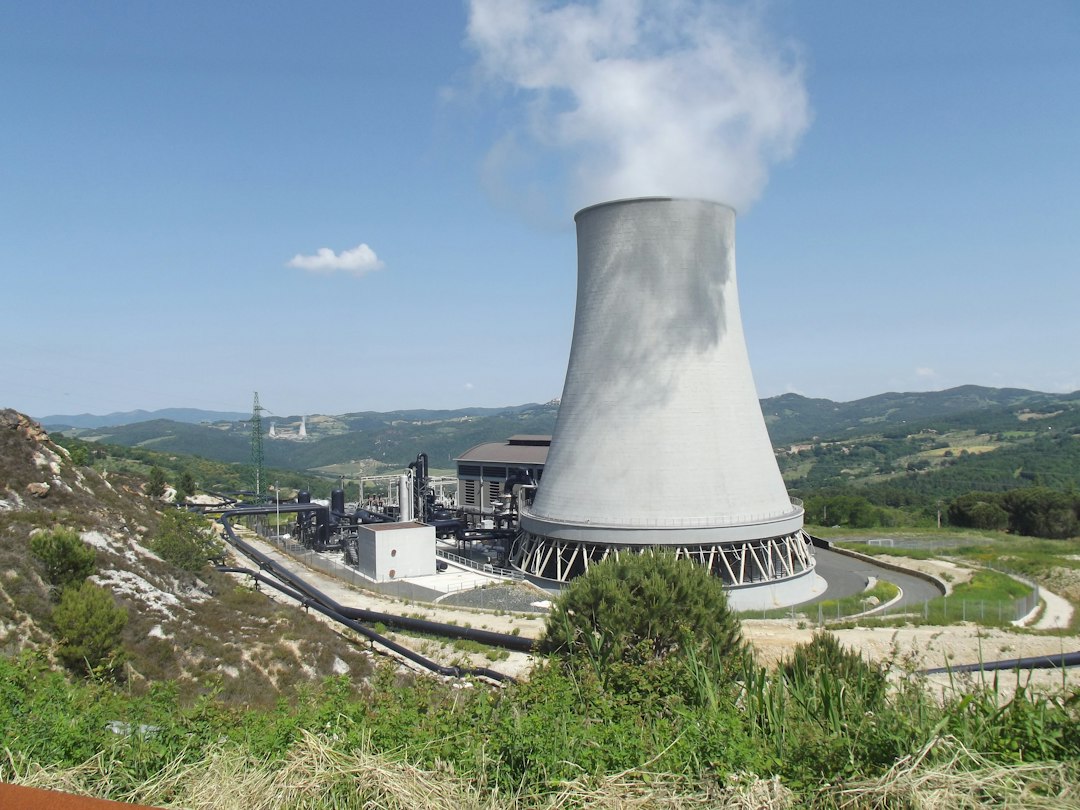
    Fervo Energy announced the completion of the world’s first enhanced geothermal power plant, Cape Station, on September 30, 2026, achieving this milestone in just 23 months. This groundbreaking project not only marks a significant advancement in geothermal technology but also sets a new standard for rapid project deployment in the renewable energy sector.

    The Cape Station power plant has begun selling electricity to the grid, and it is designed to eventually generate 100 megawatts of power, with the potential to expand to 4 gigawatts. This development is crucial as it aligns with the increasing demand for sustainable energy solutions, particularly from data center operators seeking reliable power sources. As highlighted by TechCrunch, the plant synchronized with the grid a week before its official opening, demonstrating Fervo’s commitment to efficiency and innovation.

    Advancements in Geothermal Technology

    Enhanced geothermal systems (EGS) represent a significant leap in geothermal technology. Unlike traditional geothermal plants that rely on heat sources near the Earth’s surface, EGS involves drilling deeper into the Earth to access hotter rock formations. Fervo Energy has adopted advanced drilling techniques from the oil and gas industry, allowing for more efficient extraction of geothermal energy. This method not only increases the potential energy output but also reduces the environmental footprint associated with energy extraction.

    Fervo’s approach includes using a modular development strategy, which enables the phased construction of power plants. This method allows for quicker scaling of energy production to meet demand, particularly appealing to industries like data centers that require substantial and immediate power supply. The Cape Station project serves as a proof of concept for future projects, showcasing how EGS can be implemented effectively and efficiently. As the first enhanced geothermal power plant to achieve commercial operation, Cape Station’s rapid construction timeline of 23 months, with aspirations to reduce it to 18 months for subsequent blocks, demonstrates the potential for EGS to meet urgent energy needs efficiently.

    Moreover, the successful deployment of Cape Station is anticipated to inspire a wave of similar projects globally, as companies recognize the viability of enhanced geothermal energy. With major corporations like Google and Southern California Edison committing to purchasing power from Cape Station, it signals a growing market for enhanced geothermal energy that could reshape energy sourcing strategies worldwide. As reported by BBC, this project not only highlights technological advancements but also emphasizes the importance of sustainable energy sources in combating climate change.

    Project Management Techniques for Rapid Deployment

    The rapid completion of Cape Station is attributed to innovative project management techniques implemented by Fervo Energy. These include agile methodologies that allow for flexibility and responsiveness to challenges during construction. By integrating advanced project management software and real-time data analytics, the team could optimize workflows and maintain tight schedules. This approach is particularly crucial in the renewable energy sector, where time is often of the essence in meeting energy demands.

    Moreover, Fervo’s strategy to engage with local stakeholders early in the process facilitated smoother operations and minimized delays. This proactive approach to project management not only enhanced efficiency but also built community support, which is crucial for the success of renewable energy projects. The collaboration with local communities and stakeholders has been a key factor in ensuring that the project aligns with regional energy needs and environmental considerations.

    As the renewable energy sector increasingly prioritizes speed and efficiency, the lessons learned from Cape Station may influence future project management practices across various energy initiatives. The ability to complete a project in less than two years could become a new benchmark, encouraging more companies to adopt similar methodologies. Furthermore, the implications of this rapid deployment extend beyond just project timelines. Career Ahead research indicates that enhanced geothermal projects could attract a new wave of skilled professionals, particularly in project management and engineering roles, as the sector expands to meet growing energy demands.

    First Enhanced Geothermal Power Plant Launches Fast

    The successful launch of Cape Station is poised to have significant repercussions for the renewable energy job market. As enhanced geothermal energy gains traction, there will be an increasing demand for engineers and project managers skilled in this technology. The transition from traditional geothermal systems to enhanced methods requires specialized knowledge, presenting a unique opportunity for professionals in the field. Career Ahead’s analysis shows that the rapid deployment of geothermal projects will likely necessitate a workforce that is not only technically proficient but also adaptable to new technologies and methodologies. This shift may lead to the emergence of specialized training programs and certifications focused on enhanced geothermal systems.

    Moreover, the increased focus on geothermal energy could stimulate job creation in related sectors, including drilling, construction, and maintenance. As companies like Fervo Energy expand operations, the ripple effect on local economies could be substantial, providing new employment opportunities in regions previously reliant on fossil fuels. In summary, the completion of Cape Station marks a pivotal moment for the renewable energy sector, indicating a trend toward faster project timelines and a growing job market for specialized roles in geothermal energy. The implications of this development are profound, as it not only enhances energy security but also fosters economic growth in emerging energy markets.

    As the renewable energy landscape evolves, the focus will shift towards how quickly and effectively companies can harness geothermal resources. The success of Cape Station raises questions about the future scalability of enhanced geothermal systems and their role in meeting global energy demands.

    Frequently Asked Questions

    What technologies were used in the enhanced geothermal power plant?

    Fervo Energy utilized advanced drilling techniques adapted from the oil and gas sector, allowing for the extraction of geothermal energy from deeper rock formations. This approach enables more efficient access to heat sources compared to traditional geothermal methods.

    How can project managers apply lessons from this project to future renewable energy initiatives?

    Project managers can adopt agile methodologies and real-time data analytics to enhance project efficiency. Engaging local stakeholders early in the process can also facilitate smoother operations and minimize delays, as demonstrated by Fervo’s approach.

    First Enhanced Geothermal Power Plant Launches Fast

    What skills are needed for engineers working in enhanced geothermal systems?

    Engineers in enhanced geothermal systems should possess strong technical skills in drilling and energy extraction technologies. Additionally, adaptability to new methodologies and a solid understanding of project management principles will be essential as the sector grows.

  • How the oil capital of the US welcomed a solar power boom

    How the oil capital of the US welcomed a solar power boom

    Texas farmers are increasingly leasing their land for solar farms. This change is reshaping the agricultural landscape and providing financial stability. It highlights a growing trend of renewable energy in traditional oil regions, which is transforming local economies.

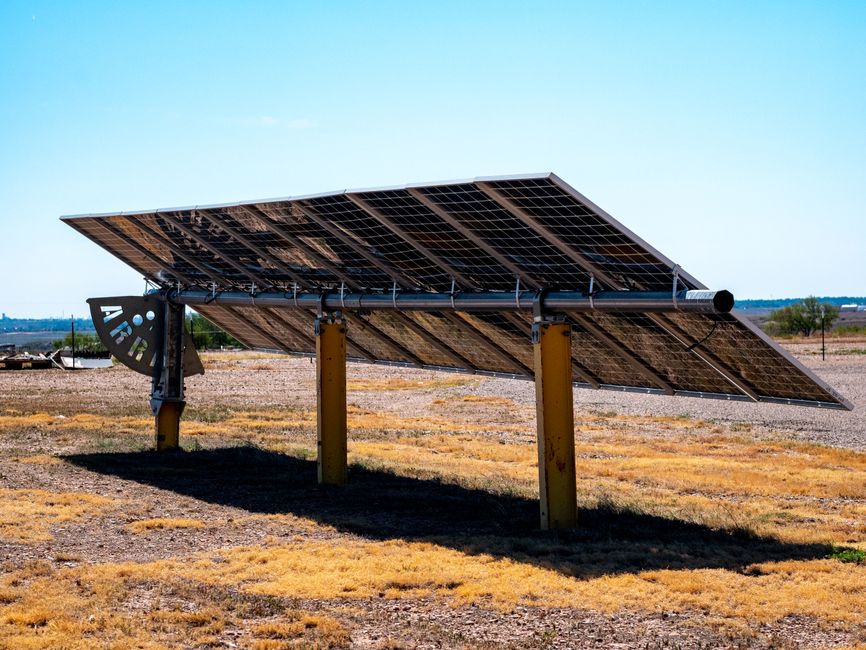
    In Uvalde, Texas, farmer Steve Cargil is a prime example of this shift. After years of battling unpredictable weather and declining crop yields, Cargil signed a lease in 2001 for a solar farm on his land. This decision has changed his life. He now receives $200,000 annually from OCI Energy, allowing him to continue farming despite drought and rising costs. Cargil’s story reflects a broader trend in Texas, where many farmers are turning to renewable energy as traditional agriculture faces pressures from climate change and market fluctuations.

    Financial Stability Through Solar Leasing

    The financial benefits of leasing land for solar projects are significant. Farmers like Cargil find that income from solar leases provides a stable revenue stream. This is especially true in areas where traditional farming is becoming less viable. According to Career Ahead’s analysis, these leases usually last 25 to 30 years and often increase in value over time. This offers multigenerational income that can secure a family’s financial future. The Texas Solar and Storage Association reports that solar energy now makes up a large part of the state’s electricity generation, especially during peak demand periods. This shift benefits individual farmers and supports the state’s energy strategy, which increasingly favors renewable sources.

    Additionally, the move to solar energy aligns with broader economic trends. Texas’s population is growing quickly, leading to higher electricity demand. Solar farms can connect rapidly to the Texas power grid, making them appealing to energy developers. Farmers are taking advantage of this need, providing land for solar development while continuing their agricultural practices. As noted by BBC News, the financial security from solar leasing is crucial for farmers like Cargil, who face crop failures and financial risks.

    However, this transition has challenges. Some farmers and local residents worry about land use and environmental impacts. In some areas, opposition to solar projects has emerged, sparking debates about balancing renewable energy development with preserving agricultural land. Yet, for farmers like Cargil, the financial benefits often outweigh these concerns, as they see a direct impact on their livelihoods. Ongoing discussions about land use highlight the need for careful planning and community engagement to address the concerns of all stakeholders.

    Impact on Local Economies and Job Creation

    The rise of solar farms in Texas also has broader economic implications. As more farmers host solar projects, local economies benefit from increased investment and job creation. Solar projects require workers for construction, maintenance, and operations, providing jobs in areas with limited opportunities due to declines in traditional industries like oil and gas. According to the U.S. Energy Information Administration, solar energy production in Texas surpassed coal for the first time last year. This marks a significant milestone in the state’s energy landscape. This shift reflects changing consumer preferences and indicates potential job growth in the renewable energy sector. Farmers who host solar farms may also find chances to diversify their income by offering related services, such as maintenance and management of solar installations.

    Moreover, solar farms can attract further investment into rural areas. Companies seek to capitalize on the growing demand for renewable energy. This influx of capital can improve infrastructure and services, enhancing residents’ quality of life. The economic revitalization of these areas can create a positive feedback loop, encouraging more farmers to consider solar leasing as a viable option. As highlighted by MSN, Texas is transforming from an oil-dominant economy to one that embraces solar energy. This change reflects a larger trend toward sustainability and innovation in agriculture.

    However, the shift to solar energy raises concerns among local communities. Some residents worry about the visual impact of solar farms and the potential loss of agricultural land. Opponents argue that clearing land for solar installations can disrupt local ecosystems and change the landscape. Balancing these concerns with economic benefits will be crucial as Texas expands its solar energy capacity. The challenge is to ensure that solar energy growth does not come at the expense of the agricultural heritage that has defined Texas for generations.

    How the oil capital of the US welcomed a solar power boom

    The future for Texas farmers in the renewable energy sector looks bright. With the state committed to increasing its solar capacity, farmers can play a key role in this transition. As more solar farms are developed, the financial incentives for leasing land are likely to grow, making it attractive for many. Career Ahead analysis shows that the trend of renewable energy adoption in Texas is not just a passing phase. It represents a significant shift in how agricultural land is used. Farmers who adapt can secure their financial futures while contributing to a more sustainable energy system. As the demand for renewable energy rises, farmers who embrace solar leasing may lead this transformation.

    As technology advances, the efficiency and cost-effectiveness of solar energy systems are expected to improve. Farmers who invest in solar energy solutions may benefit from lower operational costs and increased energy independence. This allows them to focus more on agricultural practices. Looking ahead, integrating solar energy into farming may lead to innovative approaches in land management and crop production. Farmers could explore hybrid models that combine traditional agriculture with renewable energy production, optimizing land use and maximizing returns. This evolution in farming practices could redefine the agricultural landscape in Texas and beyond.

    As Texas embraces its role as a leader in solar energy production, the question remains: how will this shift reshape the future of farming in oil-dominant regions? The potential for innovation and economic growth is vast. However, addressing community concerns and ensuring sustainable practices will be essential for long-term success.

    Frequently Asked Questions

    How can I start a solar farm on my land?

    Farmers interested in starting a solar farm should first research potential solar developers in their area. Partnering with a reputable company can help navigate the leasing process and ensure compliance with local regulations.

    What are the financial benefits of hosting a solar farm?

    Hosting a solar farm can provide farmers with steady income through lease payments, often amounting to hundreds of thousands of dollars annually. This income can help offset agricultural losses and provide financial stability.

    How the oil capital of the US welcomed a solar power boom

    What should farmers consider before transitioning to renewable energy projects?

    Farmers should evaluate the long-term implications of leasing their land for solar projects. They need to consider potential impacts on their farming operations, community concerns, and the financial stability offered by renewable energy investments.

  • Trump throws out power plant climate pollution rules

    Trump throws out power plant climate pollution rules

    The Environmental Protection Agency (EPA) announced on September 14, 2026, its decision to repeal existing climate pollution rules for power plants across the United States. This significant policy shift aligns with President Trump’s broader agenda to promote fossil fuels and is expected to have profound implications for emissions regulations and the future of renewable energy investments.

    The repeal comes at a time when the demand for electricity is on the rise, driven by the increasing use of electric vehicles and the expansion of energy-intensive data centers. Critics argue that rolling back these regulations will worsen air quality and public health outcomes, particularly in vulnerable communities. Environmental advocates are already preparing to challenge this move in court, citing the potential for increased greenhouse gas emissions and related health issues. According to a report by CBS News, the rollback could lead to a significant rise in pollution levels, disproportionately affecting low-income and minority communities that are already facing environmental challenges.

    Changes to Emissions Regulations

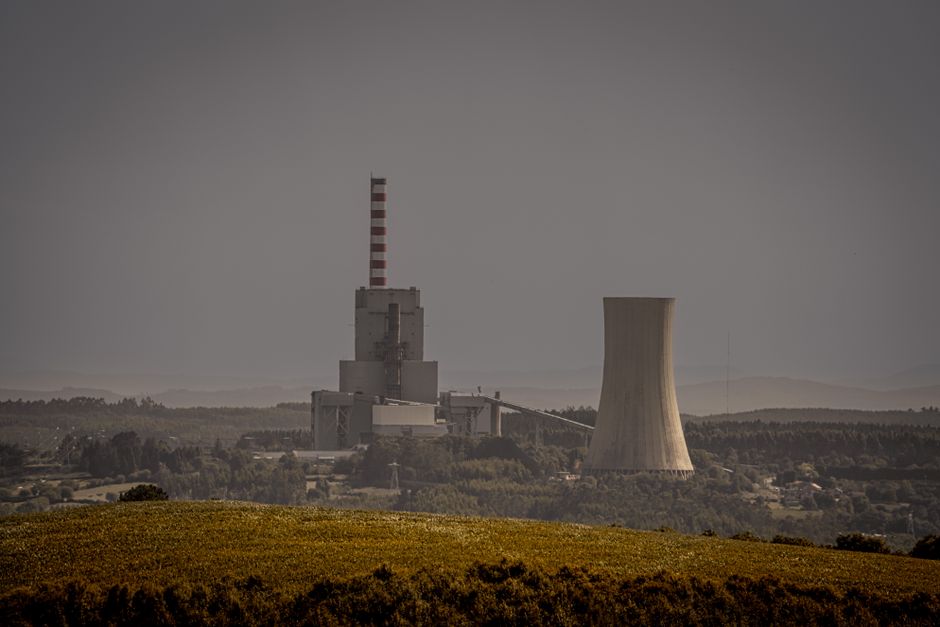
    The rollback of climate pollution rules is poised to significantly alter the regulatory landscape for coal and natural gas power plants. Previously established standards aimed to limit greenhouse gas emissions, which accounted for a substantial portion of the nation’s overall emissions. According to the EPA, power plants contribute approximately a quarter of the United States’ greenhouse gas emissions, making them a critical target for climate policy.

    With the repeal, energy companies will face fewer compliance requirements, which could incentivize the continued operation of older, less efficient coal-fired plants. This may lead to a short-term economic benefit for these companies, as they can avoid the costs associated with upgrading their facilities to meet stricter environmental standards. However, this shift could also hinder long-term investments in cleaner technologies. The New York Times highlights that the rollback could undermine years of progress made in reducing emissions from the power sector, potentially reversing gains achieved under previous administrations.

    Analysis from Career Ahead indicates that the elimination of these regulations may lead to an increase in emissions, which could ultimately impact the viability of renewable energy investments. Investors are likely to reassess their strategies in light of the new regulatory environment. If fossil fuel power plants are allowed to operate with fewer restrictions, the competitive landscape for renewable energy sources like wind and solar may become more challenging. Furthermore, the International Energy Agency has noted that strong regulatory frameworks have historically driven investment in renewable technologies, and the current rollback could stifle this momentum.

    Investment Trends in Renewable Energy

    The repeal of climate pollution rules raises questions about the future of renewable energy investments in the United States. Investors and companies have been increasingly focused on sustainability, driven by both regulatory frameworks and consumer demand for cleaner energy. However, the new policy direction may alter this trajectory.

    Historically, strong emissions regulations have served as a catalyst for investment in renewable energy technologies. With the rollback, there is a risk that investment in renewables could stagnate as fossil fuels regain a competitive edge. According to a report from the International Energy Agency, investment in renewable energy technologies has been growing, but this momentum could be jeopardized if fossil fuel companies are allowed to operate without stringent regulations. The potential for increased reliance on fossil fuels could divert capital away from renewable projects, as companies may prioritize investments in traditional energy sources that are now less regulated.

    Additionally, the Trump administration’s focus on promoting fossil fuels, particularly in the context of expanding data centers and electric vehicle infrastructure, may divert resources away from renewable energy projects. As demand for electricity grows, particularly for data-intensive applications, there could be a renewed focus on fossil fuel generation, potentially at the expense of clean energy investments. The Verge notes that the energy demands of data centers are significant, and without regulatory pressure to invest in cleaner alternatives, companies may opt for cheaper fossil fuel sources.

    Trump throws out power plant climate pollution rules

    Potential Legal Challenges and Future Implications

    As the energy landscape evolves, it is crucial for investors and policymakers to remain vigilant and adaptable to these shifting dynamics. The interplay between regulatory changes and market forces will ultimately shape the future of energy investments in the United States. Stakeholders must be prepared for a landscape that may be markedly different from recent years.

    The rollback may also prompt states and local governments to pursue their own regulations to fill the void left by the federal government, potentially creating a patchwork of standards that complicate compliance for energy companies. Environmental policy analysts will need to closely monitor the impact of the repeal on emissions levels and public health outcomes. The shift in regulations may necessitate a reevaluation of strategies aimed at promoting renewable energy and reducing greenhouse gas emissions.

    In summary, the repeal of climate pollution rules for power plants represents a pivotal moment in U.S. energy policy. The long-term implications for emissions regulations and renewable energy investments will depend on how stakeholders respond to this new regulatory environment. As the energy sector braces for these changes, the question remains: will the momentum toward cleaner energy be stifled, or can it withstand the pressures of a renewed focus on fossil fuels?

    Trump throws out power plant climate pollution rules

    Frequently Asked Questions

    What are the implications of the new power plant regulations for environmental policy analysts?

    Environmental policy analysts will need to closely monitor the impact of the repeal on emissions levels and public health outcomes. The shift in regulations may necessitate a reevaluation of strategies aimed at promoting renewable energy and reducing greenhouse gas emissions.

    How should renewable energy investors adjust their strategies in light of recent regulatory changes?

    Renewable energy investors may need to reassess their investment strategies, focusing on the potential risks associated with increased competition from fossil fuels. Investors should remain agile and consider the long-term implications of the regulatory environment on their portfolios.

    Trump throws out power plant climate pollution rules

    What steps should environmental policy analysts take to adapt to the repeal of climate pollution rules?

    Environmental policy analysts should engage with stakeholders in the energy sector to understand the implications of the rollback. They may also need to advocate for stronger regulations and explore innovative solutions to promote renewable energy in the face of these changes.