Tag: renewable energy engineers

  • Harnessing Scotland’s Wind Energy for Data Centers

    Harnessing Scotland’s Wind Energy for Data Centers

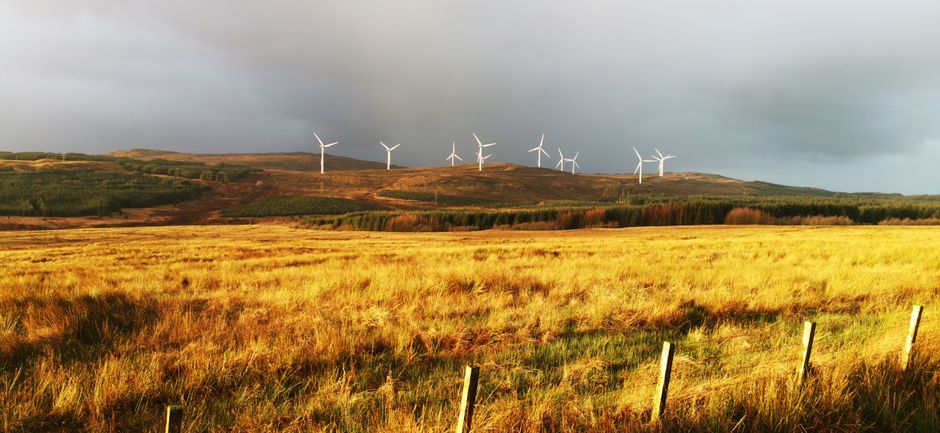
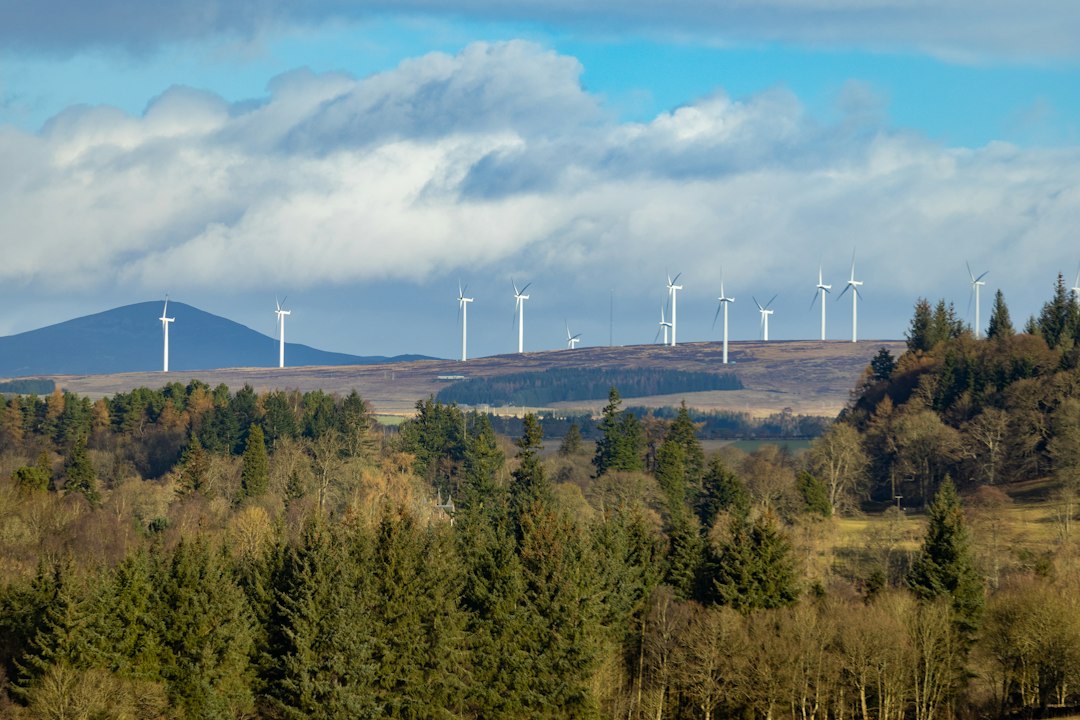
    Scotland is poised to leverage its abundant wind power to fuel a significant expansion in data center operations. This initiative, gaining momentum in 2026, aims to integrate renewable energy solutions into the tech sector. As companies increasingly seek sustainable practices, the demand for energy-efficient data centers is surging.

    Data centers, which consume vast amounts of electricity, are under pressure to adopt greener operations. Scotland’s wind energy, known for its reliability and abundance, provides an ideal solution. By tapping into this resource, data center managers can not only reduce their carbon footprint but also potentially lower their energy costs.

    Renewable Energy Engineers: Key Players in Data Center Expansion

    The integration of wind power into data centers is creating a surge in demand for renewable energy engineers. These professionals will be essential in designing and implementing systems that harness wind energy effectively. Career Ahead’s analysis shows that this trend is expected to create thousands of new jobs in Scotland, particularly as companies commit to sustainability goals.

    According to visitscotland.com, the Scottish government has set ambitious targets for renewable energy, aiming for 50% of its energy needs to be met by renewables by 2030. This commitment not only supports environmental goals but also opens up a wealth of opportunities for engineers specializing in renewable technologies. Data center projects will increasingly require skilled professionals who can navigate the complexities of integrating wind energy systems.

    Moreover, partnerships between tech firms and energy providers are likely to flourish. These collaborations will allow data centers to access renewable energy directly, ensuring a consistent power supply while minimizing costs. Engineers will play a pivotal role in these partnerships, designing systems that optimize energy usage and reduce waste.

    As the demand for data storage and processing continues to rise, the role of renewable energy engineers will become increasingly critical. They will be tasked with developing innovative solutions that not only meet the energy demands of data centers but also align with broader sustainability initiatives.

    Opportunities for Cost Reduction and Improved Sustainability

    Utilizing wind power can significantly reduce energy costs for data centers. Traditional energy sources often come with fluctuating prices, whereas wind energy offers a more stable pricing model over time. This stability is particularly appealing for data center managers looking to control operational expenses.

    Career Ahead research finds that data centers powered by renewable energy can achieve operational savings of up to 30%. This cost reduction is a compelling incentive for managers to transition to wind power. Moreover, as energy prices continue to rise, the financial benefits of adopting renewable energy become even more pronounced.

    Additionally, the environmental impact of using wind energy cannot be understated. Data centers contribute significantly to greenhouse gas emissions, and transitioning to wind power can help mitigate this issue. By adopting sustainable practices, data centers can enhance their corporate social responsibility profiles, attracting clients and investors who prioritize eco-friendly operations.
    Scotland's Wind Power Fuels Data Center Expansion

    Furthermore, the Scottish government supports these initiatives through various incentives and funding programs. These measures aim to encourage the adoption of renewable energy solutions, making it easier for data centers to transition to wind power. As a result, data center managers will find it increasingly feasible to implement sustainable practices that align with their business goals.

    As the landscape of energy consumption evolves, data centers that embrace wind power will likely lead the charge in sustainable technology. This shift not only benefits the environment but also positions these companies as leaders in the tech industry.

    Scotland’s commitment to renewable energy is a crucial factor in this transition. The government’s policies and incentives are designed to foster a supportive environment for data centers looking to adopt wind power. By aligning with national energy goals, data centers can enhance their operational efficiency and contribute to a greener future.

    Looking Ahead: The Future of Data Centers in Scotland

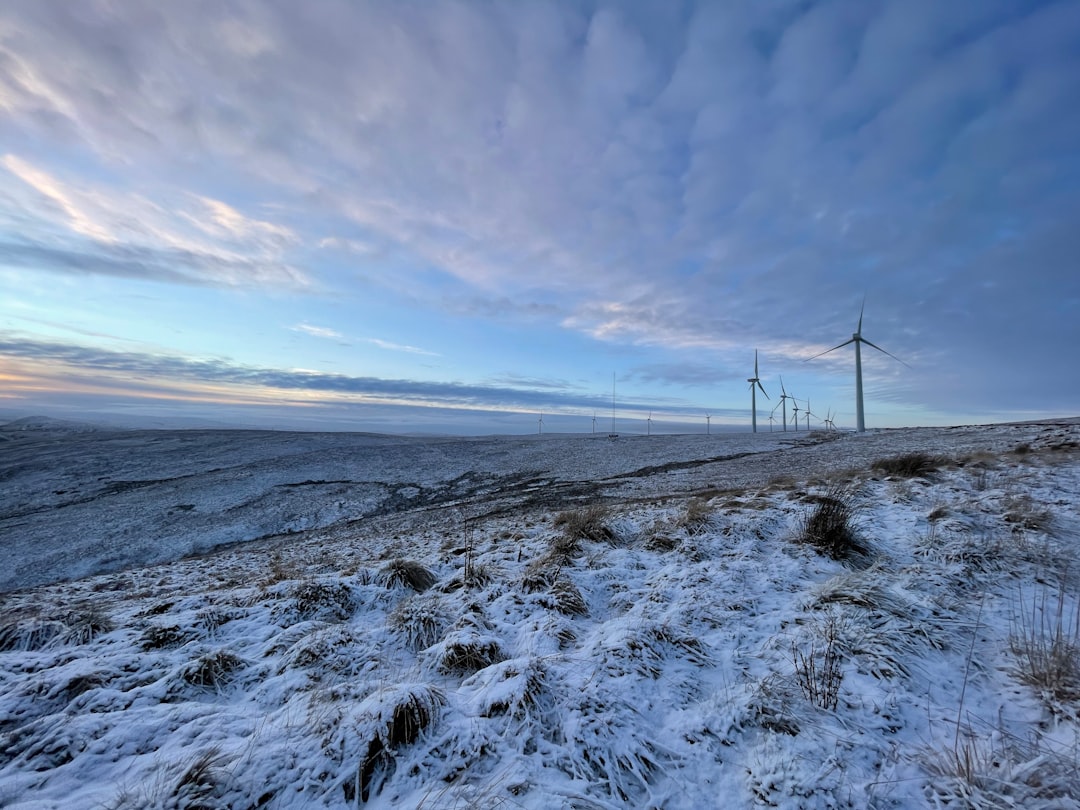
    The future of data centers in Scotland looks promising as the integration of wind power becomes more prevalent. With the anticipated growth in renewable energy projects, data centers are well-positioned to benefit from these developments. The expected influx of renewable energy engineers will further support this transition, ensuring that the necessary expertise is available.

    Moreover, as more companies recognize the financial and environmental benefits of wind energy, the trend is likely to accelerate. Data centers that adopt these practices will not only enhance their sustainability but also gain a competitive edge in the market. This shift may redefine the operational landscape of the tech industry in Scotland.

    As the demand for data storage continues to rise, the pressure on data centers to adopt sustainable practices will only increase. The successful integration of wind power could serve as a model for other regions looking to enhance their energy strategies. Observers will be keen to see how these developments unfold and what impact they will have on the broader tech ecosystem.
    Scotland's Wind Power Fuels Data Center Expansion

    Ultimately, the convergence of renewable energy and data center operations presents an exciting opportunity for Scotland. The next few years will be crucial in determining how effectively these technologies can be integrated and what new innovations emerge from this collaboration.

    Frequently Asked Questions

    What are the benefits of using wind power for data centers?

    Using wind power for data centers can significantly reduce energy costs and enhance sustainability. Wind energy provides a stable pricing model, allowing data centers to control operational expenses while minimizing their carbon footprint.

    How can renewable energy engineers contribute to data center projects?

    Renewable energy engineers are essential in designing and implementing systems that harness wind energy effectively. Their expertise will help data centers integrate renewable solutions, optimizing energy usage and ensuring sustainability.

    Scotland's Wind Power Fuels Data Center Expansion

    What should data center managers consider when planning for renewable energy integration?

    Data center managers should evaluate the reliability and cost-effectiveness of renewable energy sources like wind power. It is also crucial to consider partnerships with energy providers to secure a consistent and sustainable power supply.

  • Europe’s Solar Boom Faces Energy Storage Challenges

    Europe’s Solar Boom Faces Energy Storage Challenges

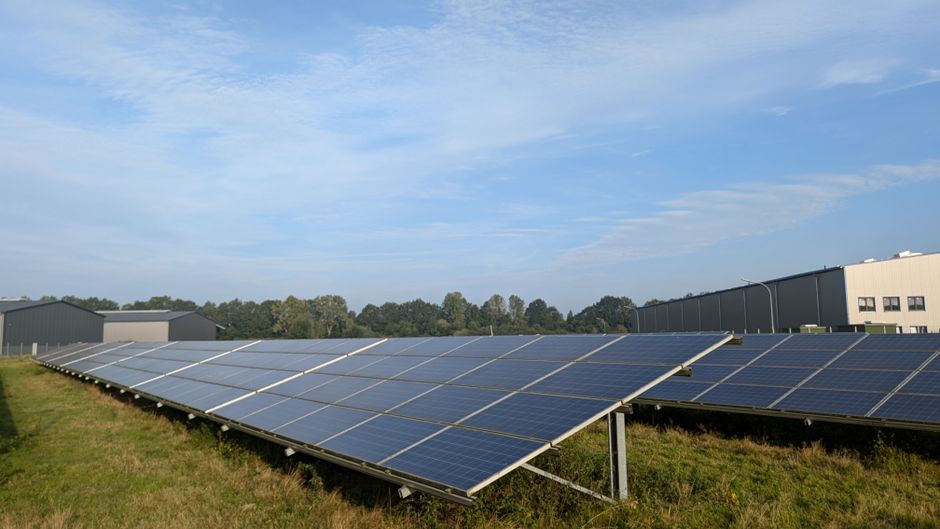
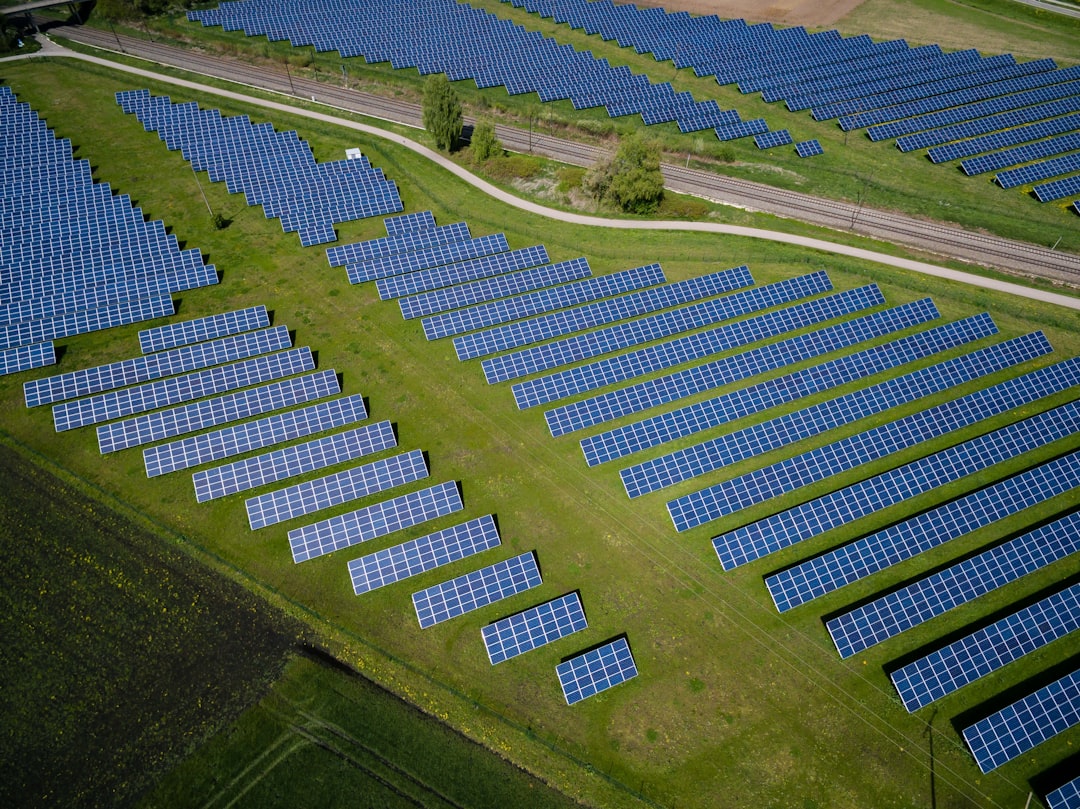
    Europe is seeing a big rise in solar energy deployment. By 2026, installed capacity is expected to increase by 25%. However, this growth comes with a major challenge: a lack of adequate energy storage solutions. As renewable energy engineers and energy storage specialists work to solve this issue, the future of solar initiatives in the region is uncertain.

    This situation is urgent due to the rising demand for renewable energy sources in Europe. Governments are pushing for carbon neutrality and sustainable energy. Solar energy is a key player in this shift. However, solar power’s intermittent nature makes effective energy storage crucial for a consistent energy supply. Without it, many European nations may not meet their ambitious goals.

    Current Energy Storage Solutions and Their Limitations

    Currently, lithium-ion batteries dominate the energy storage market, making up about 90% of installed capacity. These batteries are popular due to their efficiency and decreasing costs. However, they have significant limitations. For instance, lithium-ion batteries typically last only 10-15 years before needing replacement. This creates a financial burden for solar project developers.

    Additionally, lithium-ion batteries are not ideal for long-term energy storage. Their capacity decreases when used for long periods, leading to inefficiencies. As a result, renewable energy engineers are looking for alternative storage technologies. Options like flow batteries and solid-state batteries are gaining attention but are still in early development stages and not commercially viable yet.

    According to worldatlas.com, Europe has ambitious plans to boost its solar capacity, with countries like Germany and Spain leading the way. However, current storage solutions cannot support this growth. For example, Spain’s solar energy production often exceeds demand during peak hours, leading to waste. Without effective storage, this surplus energy cannot be used later, undermining solar energy’s potential benefits.

    Career Ahead’s analysis shows that this gap in energy storage technology could slow the expansion of solar energy initiatives in Europe. As project timelines extend due to storage issues, the financial viability of solar projects may be questioned. Investors may hesitate to fund projects lacking reliable energy storage solutions, complicating the landscape for renewable energy engineers and energy storage specialists.

    Innovative Technologies to Enhance Storage Capacity

    To tackle the energy storage problem, innovative technologies are emerging. One promising area is the development of next-generation battery technologies. Researchers are looking into sodium-ion batteries as an alternative to lithium-ion. Sodium is more abundant and cheaper than lithium, which could lower costs and improve sustainability in energy storage.

    Another focus is integrating solar energy systems with other renewable sources like wind and hydro. By creating a diverse energy mix, reliance on a single energy source is reduced. This can lessen the impact of storage limitations. For instance, Denmark has successfully combined wind and solar energy, providing a more stable energy supply and reducing the need for extensive storage solutions.

    Geoguessr.com highlights that countries with a diverse energy portfolio are better positioned to meet their renewable energy goals. As energy storage technologies evolve, renewable energy engineers must adapt their strategies. This may involve rethinking project designs and exploring partnerships with technology developers to implement advanced storage solutions.

    Europe’s Solar Boom Faces Energy Storage Challenges

    Furthermore, government policies are crucial in promoting innovation in energy storage technologies. Incentives for research and development, along with subsidies for new technologies, can speed up the deployment of new storage solutions. Policymakers must recognize the importance of energy storage in reaching renewable energy targets and create an environment that fosters innovation.

    Impact on Project Timelines and Future Prospects

    The challenges of energy storage are already affecting project timelines for solar energy initiatives in Europe. Delays in securing reliable storage solutions can increase costs and extend project durations. As a result, renewable energy engineers must navigate a complex landscape where technological advancements and market demands intersect.

    Career Ahead research finds that uncertainty around energy storage solutions could deter potential investors. Financial backers are increasingly cautious about committing to projects with unclear storage strategies. This hesitation can stall solar energy initiatives, ultimately impacting the broader renewable energy landscape.

    In the coming years, as demand for solar energy grows, the pressure on energy storage solutions will increase. Renewable energy engineers and energy storage specialists must stay proactive in addressing these challenges. Collaboration among industry stakeholders, including technology developers and policymakers, will be essential in creating a strong energy storage framework.

    Europe’s Solar Boom Faces Energy Storage Challenges

    As Europe works to meet its renewable energy targets, the question remains: can innovative energy storage solutions keep up with the rapid growth of solar energy? The answer will significantly affect the future of solar initiatives and the broader shift to sustainable energy in the region.

    Frequently Asked Questions

    What are the best energy storage technologies for solar energy?

    Career Ahead’s analysis shows that lithium-ion batteries currently dominate the energy storage market. However, alternatives like sodium-ion and flow batteries are emerging as potential solutions. Each technology has its advantages and limitations that must be considered for solar energy deployment.

    How can energy storage specialists address the storage problem in Europe?

    Energy storage specialists can focus on developing innovative technologies and collaborating with renewable energy engineers. By exploring new materials and approaches, they can enhance the efficiency and sustainability of energy storage systems.

    Europe’s Solar Boom Faces Energy Storage Challenges

    What should renewable energy engineers consider when planning solar projects?

    Renewable energy engineers must consider the availability and reliability of energy storage solutions when designing solar projects. Understanding the limitations of current technologies and anticipating future developments will be crucial for ensuring project success.