
Tag: portfolio management

  • Fed Signals Flexibility in Rate-Hike Timing Amid Inflation Concerns

    Fed Signals Flexibility in Rate-Hike Timing Amid Inflation Concerns

    The Federal Reserve’s Governor Christopher Waller recently mentioned flexibility in timing future interest rate hikes. This comes as the Fed faces ongoing inflation concerns. Financial analysts and investment managers should watch these developments closely. They could significantly impact market dynamics and investment strategies.

    Waller’s comments imply that while the Fed is considering more rate hikes to fight inflation, it is not tied to a strict timeline. This flexibility allows the Fed to respond better to changing economic conditions. This is crucial given the current inflationary pressures. Investors must think about how to adjust their portfolios in light of potential rate hikes.

    Impact of Rate-Hike Timing on Bond Markets

    The timing of rate hikes is vital for bond markets. When interest rates rise, bond prices usually fall. This can lead to losses for investors holding long-term bonds. Career Ahead’s analysis shows that the Fed’s flexible approach may cause increased volatility in bond markets. Investors will react to changing signals from the central bank.

    Tradersunion.com notes that the Fed’s hints about future rate hikes could lead investors to rethink their bond holdings. If the market expects a rate hike soon, investors might quickly sell bonds, causing prices to drop. This reaction could create challenges for fixed-income investors who depend on stable returns.

    Additionally, the timing of rate changes can influence the yield curve. This curve is a key indicator of economic expectations. A flattening yield curve, where short-term rates rise faster than long-term rates, may signal a slowing economy. Financial analysts must monitor these changes closely, as they can affect investment decisions across various asset classes.

    In this context, understanding the Fed’s communication strategy is essential. As Waller noted, the Fed is aware of the need to manage market expectations. Career Ahead’s research finds that clear guidance from the Fed can help stabilize bond markets and reduce uncertainty for investors.

    For investment managers, adapting to these signals is crucial. Portfolio adjustments may be necessary to reduce risks from rising interest rates. This could mean reallocating assets to shorter-duration bonds or diversifying into equities that may perform better in a rising rate environment.

    Strategies for Adjusting Portfolios Based on Fed Signals

    As the Fed signals possible rate hikes, investment managers must create strategies to navigate the changing landscape. One effective approach is to focus on sectors that usually perform well during rising interest rates. For example, financial stocks often benefit from higher rates as they can charge more for loans.

    Morningstar.com suggests that investors might also look at inflation-protected securities, like Treasury Inflation-Protected Securities (TIPS). These can help guard against rising prices and preserve purchasing power in uncertain economic conditions.

    Diversifying across asset classes can also help reduce risks from interest rate changes. Real estate investment trusts (REITs) and commodities might provide alternative returns that are less affected by rate changes. Career Ahead’s analysis indicates that a well-diversified portfolio can better withstand market volatility from shifting Fed policies.

    Fed Signals Flexibility in Rate-Hike Timing Amid Inflation Concerns

    Moreover, staying informed about economic indicators is vital. Key metrics like the Consumer Price Index (CPI) and employment data can offer insights into inflation trends and the Fed’s possible actions. Investment managers should include these factors in their forecasting models to make informed asset allocation decisions.

    Ultimately, adapting to the Fed’s signals requires agility and a proactive mindset. Investment managers who can quickly adjust their strategies in response to changing economic conditions will be better positioned to seize opportunities and minimize risks.

    Analysis of Inflation Trends and Their Influence on Interest Rates

    Inflation trends play a crucial role in shaping the Fed’s monetary policy decisions. As inflation remains a concern, Waller’s comments highlight the central bank’s commitment to tackling rising prices. Career Ahead’s analysis shows that understanding inflation drivers is essential for financial analysts and investment managers.

    Factors like supply chain disruptions, labor market dynamics, and energy prices contribute to inflationary pressures. As these elements change, they can influence the Fed’s rate-hike decisions. For instance, if supply chain issues continue, the Fed may take a more cautious approach to rate increases.

    Furthermore, inflation expectations can greatly affect consumer behavior and investment strategies. If consumers expect higher prices, they may change their spending habits, which can impact economic growth. Financial analysts must consider these expectations when modeling future economic scenarios.

    Fed Signals Flexibility in Rate-Hike Timing Amid Inflation Concerns

    As the Fed navigates these complexities, its communication strategy becomes increasingly important. Clear messaging can help manage market expectations and lessen uncertainty. According to finance.yahoo.com, effective communication from the Fed can boost investor confidence and support stable market conditions.

    In conclusion, the relationship between inflation trends and interest rates will continue to shape the investment landscape. Financial analysts and investment managers must stay alert and adaptable as they respond to changing economic conditions and Fed signals.

    Frequently Asked Questions

    How should financial analysts adjust forecasts based on Fed announcements?

    Financial analysts should include the Fed’s guidance on rate hikes in their economic models. This means adjusting projections for inflation and interest rates based on the Fed’s signals about future policy changes.

    What investment strategies are best when interest rates are uncertain?

    In uncertain interest rate environments, diversifying across asset classes and focusing on sectors that do well during rising rates can be effective strategies. Investors might consider inflation-protected securities and shorter-duration bonds to reduce risks.

    Fed Signals Flexibility in Rate-Hike Timing Amid Inflation Concerns

    What should investment managers do about potential rate hikes?

    Investment managers should closely watch the Fed’s signals about rate hikes and adjust their portfolios accordingly. This may involve reallocating assets to sectors that typically benefit from rising interest rates and diversifying to manage risks.

  • China Consumer Stocks Struggle Amid AI Dominance

    China Consumer Stocks Struggle Amid AI Dominance

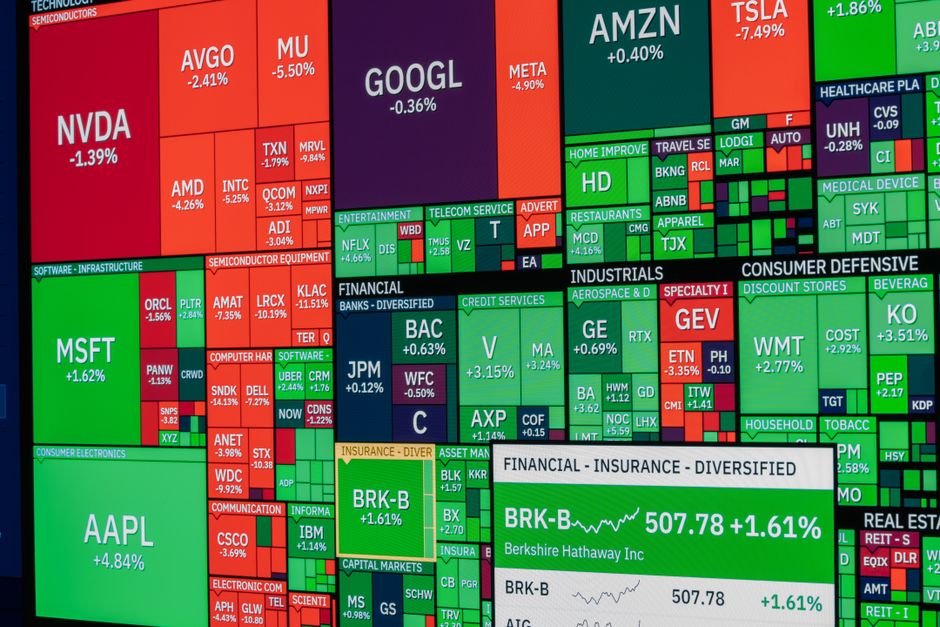
    China’s consumer stocks are facing a significant downturn as advancements in artificial intelligence (AI) shift investor focus towards technology sectors. This trend poses challenges for investment analysts and portfolio managers who traditionally concentrate on equities in China. The changing landscape suggests that consumer stocks may stagnate over the next decade, prompting a reassessment of investment strategies.

    Recent analyses indicate that rapid AI development is drawing attention away from traditional consumer goods. Reports from China Daily, South China Morning Post, and Career Ahead highlight a growing preference for tech investments. As companies increasingly adopt AI, the demand for conventional consumer products may decline, adversely impacting stock performance.

    AI’s Disruption of the Consumer Sector

    Investors are increasingly concerned about AI’s impact on the consumer sector. Analysis from Career Ahead reveals that many consumer companies are struggling to keep pace with technological innovations. Major retail and manufacturing brands are investing heavily in AI to enhance efficiency, which may lead to a reduced reliance on traditional consumer goods.

    Data from China Daily shows a notable decline in sales for consumer-focused companies in the first half of 2026. The report highlights that while technology firms experience growth, consumer stocks lag behind, widening the gap in market performance. As companies like Alibaba and Tencent pivot towards AI-driven solutions, traditional consumer sectors may see diminished investment interest, affecting stock prices and altering consumer behavior.

    Career Ahead’s research indicates that this transition could create a prolonged period of stagnation for consumer stocks, necessitating a reevaluation of investment strategies. Analysts now face the challenge of identifying viable alternatives in the technology sector, which is becoming the primary focus for investors.

    Adapting Investment Strategies to the New Landscape

    In light of these challenges, investment analysts must adapt their strategies. Career Ahead’s analysis suggests that portfolio managers should consider reallocating resources to technology stocks poised for growth. This includes sectors such as AI, cloud computing, and digital services, which are gaining traction among investors.

    The shift towards tech investments requires a deeper understanding of AI technologies and their effects on various industries. Analysts must remain informed about emerging trends and innovations that could influence market dynamics. Sectors like e-commerce and fintech are likely to benefit from AI advancements, presenting growth opportunities.

    Given these developments, diversification in investment strategies is crucial. Portfolio managers should explore options beyond traditional consumer stocks, focusing on companies that leverage AI to enhance their products and operations. This strategic shift is vital for mitigating risks associated with declining consumer stock performance.

    China’s Consumer Stocks Face Lost Decade as AI Steals Spotlight

    Additionally, insights from South China Morning Post emphasize the need for analysts to maintain flexibility in their investment approaches. As consumer preferences evolve, portfolio managers must adjust their strategies accordingly. Understanding the relationship between AI advancements and market trends will be essential for making informed investment decisions.

    Challenges and Opportunities in the Evolving Market

    The future of China’s consumer market remains uncertain as AI technologies continue to reshape the landscape. While traditional consumer stocks may stagnate, the technology sector is poised for growth, creating a complex environment for investors. Career Ahead’s analysis underscores the importance of understanding these dynamics for success in the evolving marketplace.

    As investors navigate these changes, a key question arises: how will ongoing AI advancements influence consumer behavior and stock performance in the coming years? The answers to these questions will likely shape investment strategies and market forecasts as analysts seek to capitalize on emerging trends.

    China’s Consumer Stocks Face Lost Decade as AI Steals Spotlight

    In summary, AI’s impact on China’s consumer stocks is profound, signaling a need for a strategic pivot for investment professionals. Those who adapt to these changes will be better positioned to thrive in an increasingly tech-driven market. The ability to identify and invest in sectors that leverage AI will be crucial for success in the coming decade.

    Frequently Asked Questions

    What are the implications of AI on China’s consumer market?

    Career Ahead’s analysis indicates that AI advancements are shifting consumer preferences towards technology-enhanced products, leading to a decline in traditional consumer stocks. Companies in the consumer sector may struggle to maintain their market positions as tech firms gain prominence.

    How should portfolio managers adjust their strategies in light of AI developments?

    Investment analysts should consider reallocating resources towards technology stocks poised for growth. Diversifying into sectors like AI and digital services will be crucial for mitigating risks associated with declining consumer stock performance.

    What sectors should investment analysts focus on as consumer stocks decline?

    Career Ahead research suggests that investment analysts should concentrate on technology sectors, including AI, cloud computing, and e-commerce, which are likely to grow as consumer preferences evolve. These sectors present opportunities for investors navigating the changing market landscape.

  • Fixed Income Trends Shaping Investment Strategies

    Fixed Income Trends Shaping Investment Strategies

    Insight Investment’s Murphy recently discussed the changing world of fixed income investments. Rising interest rates and market volatility are having a big impact. As central banks adjust their monetary policies, fixed income investors face new challenges and opportunities. Understanding these changes is key for portfolio managers and investors navigating this complex environment.

    The current interest rate situation is reshaping bond yields across many sectors. Central banks, especially in developed economies, are raising rates to fight inflation. This has caused bond prices to fluctuate significantly. While new investors may benefit from higher yields, existing bondholders face challenges. Career Ahead’s analysis shows that investors need to rethink their strategies to maintain yield while managing risk.

    Strategies for Navigating Market Volatility

    Market volatility is now a major feature of the economy. Investors are dealing with uncertainty from geopolitical tensions, inflation, and changing fiscal policies. According to allspringglobal.com, fixed income investors should diversify their portfolios to reduce risks from market fluctuations. This means including a mix of government bonds, corporate bonds, and emerging market debt.

    Additionally, portfolio managers are increasingly using active management strategies. By adjusting allocations based on real-time data, they can seize short-term opportunities while protecting against losses. Macro-insights.com highlights that this proactive approach can boost returns, especially in a rising interest rate environment where passive strategies may not perform well.

    Investors are also looking into alternative fixed income instruments, like floating-rate notes and inflation-linked bonds. These options can help protect against rising rates and inflation, preserving capital in tough times. As noted by startgain.org, being adaptable with fixed income strategies is crucial for investors navigating today’s market complexities.

    Ultimately, the ability to adjust strategies based on market signals will set successful investors apart. Career Ahead’s research shows that a flexible approach, along with a solid understanding of macroeconomic indicators, is vital for portfolio managers in this evolving landscape.

    Emerging Trends in Fixed Income Investment

    The fixed income market is evolving, and several trends are shaping investments. One major trend is the growing demand for sustainable investing. Investors are increasingly considering environmental, social, and governance (ESG) factors. This shift is encouraging fixed income issuers to align their products with ESG criteria, creating new opportunities for those focused on sustainable returns.

    Moreover, technology is transforming fixed income markets. Fintech platforms are giving retail investors greater access to bond markets. This democratizes investment opportunities that were once limited to institutional players. Career Ahead’s analysis suggests that this trend will continue, as technology improves transparency and efficiency in bond trading.

    Another important trend is the rising use of artificial intelligence (AI) in fixed income analysis. AI tools analyze large amounts of data, identify patterns, and predict market movements. This technology helps portfolio managers make better decisions and respond quickly to market changes. As reported by allspringglobal.com, firms using AI in their investment processes are likely to gain a competitive edge.

    Fixed Income Trends and Strategies Unveiled

    As these trends develop, fixed income investors must stay alert and adaptable. The mix of traditional and innovative strategies will shape the future of fixed income investing. Investors who embrace change and use new technologies will be better positioned for success in this dynamic environment.

    The current landscape presents both challenges and opportunities for fixed income investors. As interest rates rise and market volatility continues, the strategies portfolio managers use will be crucial for their success. Understanding these trends will help investors navigate the complexities of the fixed income market effectively.

    Why This Matters to You

    For fixed income investors and portfolio managers, staying updated on these trends is essential for making smart investment decisions. Adapting to changing market conditions can greatly affect portfolio performance and risk management.

    Looking ahead, how will these trends continue to shape the fixed income landscape? As investors navigate this evolving environment, innovative strategies will be vital for achieving sustainable returns.

    Fixed Income Trends and Strategies Unveiled

    Frequently Asked Questions

    What are the best fixed income strategies in a rising interest rate environment?

    Career Ahead’s analysis shows that diversifying portfolios and using floating-rate bonds can help manage risks from rising interest rates. Active management strategies may also enhance returns during volatile periods.

    How can portfolio managers mitigate risks in fixed income investments?

    Portfolio managers can reduce risks by diversifying investments across different fixed income instruments and using active management techniques. This flexibility allows them to respond effectively to market changes.

    What should fixed income investors consider when market volatility increases?

    Fixed income investors should think about reallocating their portfolios to include a mix of government and corporate bonds. They should also explore alternative instruments like inflation-linked bonds to hedge against rising rates.