
Tag: Market Stability

  • ASX Leadership Changes Signal New Governance Strategies

    ASX Leadership Changes Signal New Governance Strategies

    Australia’s securities exchange, ASX, has appointed a new Chief Financial Officer (CFO) and Clearing Director as part of a strategic leadership overhaul. These appointments come at a crucial time for the organization, aiming to strengthen its financial governance and enhance operational efficiency in the capital markets. The new CFO is expected to drive significant changes in financial reporting and risk management practices while the Clearing Director will focus on optimizing clearing operations.

    This leadership change is particularly relevant given the increasing complexity and regulatory scrutiny facing financial institutions. The ASX has been under pressure to enhance its operational resilience and improve its service offerings. The appointments signal a proactive approach to these challenges, indicating that ASX is committed to maintaining investor confidence and ensuring market stability.

    Impact on Financial Governance Practices at ASX

    The appointment of the new CFO is poised to reshape ASX’s financial governance practices. Career Ahead’s analysis identifies that the new leader will likely prioritize transparency and accountability in financial reporting. This shift is crucial as stakeholders increasingly demand higher standards of governance from financial institutions.

    Moreover, the focus on enhanced risk management practices cannot be overstated. The CFO will need to navigate a landscape marked by economic uncertainty and evolving regulatory requirements. By implementing robust financial controls and risk assessment frameworks, ASX can mitigate potential threats to its operational integrity.

    In addition, the Clearing Director’s role will be pivotal in refining the clearing processes. Improved clearing operations can lead to reduced settlement times and enhanced liquidity in the market. This is particularly important for maintaining investor confidence, as delays or inefficiencies in clearing can lead to significant market disruptions.

    Overall, these leadership changes signal a commitment to strengthening financial governance at ASX. By prioritizing these areas, ASX aims to bolster its reputation as a reliable and efficient marketplace, which is essential for attracting and retaining investors.

    Changes in Clearing Operations and Risk Management

    The new Clearing Director brings a wealth of experience that is expected to transform ASX’s clearing operations. Career Ahead research finds that a focus on technology-driven solutions will likely be a key part of this transformation. Implementing advanced technology can streamline clearing processes, making them more efficient and less prone to error.

    Additionally, the Clearing Director’s strategic vision will likely include enhancing risk management protocols. This is particularly relevant in today’s environment, where market volatility can pose significant risks to financial institutions. By adopting a proactive approach to risk management, ASX can safeguard its operations and ensure compliance with regulatory standards.

    Furthermore, the integration of real-time data analytics into clearing operations can provide valuable insights into market trends and risks. This capability will enable ASX to respond swiftly to emerging challenges, ensuring that it remains competitive in a rapidly evolving financial landscape.
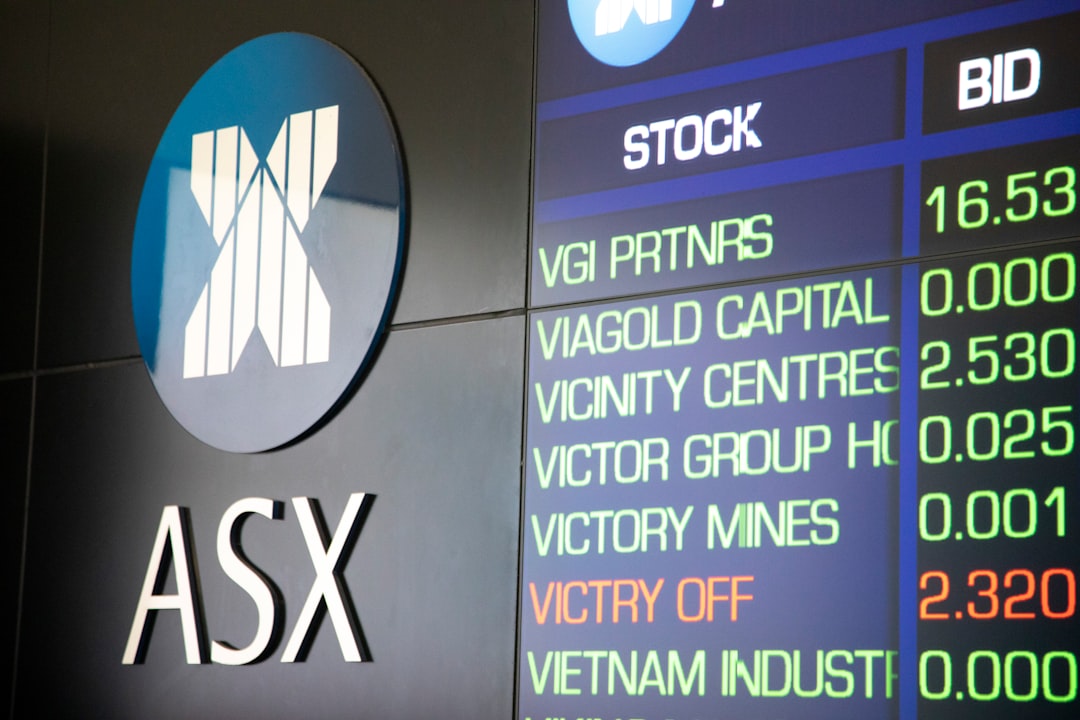
    ASX's New CFO and Clearing Director Shift Financial Governance

    As the new leadership team settles in, stakeholders will be keenly observing how these changes impact operational efficiency and market stability. The emphasis on technology and risk management is expected to foster a more resilient clearing environment, ultimately benefiting investors and market participants alike.

    Potential Influence on Market Stability and Investor Confidence

    The appointments of the new CFO and Clearing Director are expected to have significant implications for market stability. Career Ahead’s analysis indicates that strong leadership in financial governance can enhance investor confidence, which is crucial for maintaining a stable market environment. Investors are more likely to engage with a platform that demonstrates robust governance and operational efficiency.

    Moreover, the focus on risk management and efficient clearing processes can help mitigate systemic risks within the financial system. By addressing potential vulnerabilities, ASX can contribute to a more stable market, reducing the likelihood of disruptions that can negatively impact investor sentiment.

    As ASX embarks on this new chapter, the leadership team’s ability to communicate effectively with stakeholders will be essential. Transparent communication regarding changes in governance practices and operational strategies can further bolster investor confidence. Investors are likely to respond positively to clear and consistent messaging about the organization’s commitment to enhancing its operational framework.

    ASX's New CFO and Clearing Director Shift Financial Governance

    In summary, the recent leadership changes at ASX may represent a pivotal moment for the organization. With a renewed focus on financial governance, risk management, and operational efficiency, ASX is positioning itself to navigate the complexities of the financial landscape effectively.

    What remains to be seen is how these changes will unfold in the coming months. Will ASX’s new leadership successfully implement their vision, and how will the market respond? The answers to these questions will be crucial in determining the future trajectory of ASX in the capital markets.

    Frequently Asked Questions

    What skills are essential for CFO candidates in financial services?

    CFO candidates in financial services should possess strong analytical skills, expertise in financial reporting, and a deep understanding of regulatory compliance. Additionally, leadership and strategic thinking abilities are crucial for navigating the complexities of financial governance.

    How will the new Clearing Director impact capital market operations?

    The new Clearing Director is expected to enhance efficiency in clearing operations through technology-driven solutions and improved risk management protocols. This will lead to faster settlement times and increased market liquidity, benefiting investors and market participants.

    ASX's New CFO and Clearing Director Shift Financial Governance

    What should CFO candidates do to prepare for leadership roles in financial services?

    CFO candidates should focus on developing a strong foundation in financial analysis, regulatory compliance, and strategic management. Gaining experience in risk management and understanding market dynamics will also be essential for success in leadership roles.


  • Fed Chairman Warsh Faces Pressure After Hot CPI Report

    Fed Chairman Warsh Faces Pressure After Hot CPI Report

    U.S. Federal Reserve Chairman Kevin Warsh is facing mounting pressure following the release of a hot Consumer Price Index (CPI) report on September 11, 2026. The report indicates a significant year-over-year inflation increase of 4.5%, well above the Fed’s target of 2%. This surge in inflation has heightened expectations for a shift in monetary policy, compelling analysts and investors to closely monitor Warsh’s next moves.

    The CPI data has raised concerns about rising costs and the potential for an aggressive monetary policy response. Warsh’s previous comments at the Jackson Hole Economic Symposium suggested a cautious approach to inflation, but the latest figures may force him to reconsider his stance. The key question remains: will Warsh take decisive action to curb inflation, or will he maintain a noncommittal position?

    Increased Scrutiny on the Federal Reserve

    The recent CPI report has intensified scrutiny on Warsh and the Federal Reserve. Inflation continues to exceed expectations, prompting many market participants to seek clarity on the Fed’s future strategy. According to CNN, Warsh has labeled inflation a “concerning” issue but has refrained from committing to specific policy changes, leading to frustration among investors.

    Market analysts interpret the CPI data as a signal that the Fed may need to adjust interest rates soon. Speculation is growing that the Fed could raise rates in the coming months, which would significantly impact financial markets, particularly sectors sensitive to interest rate fluctuations.

    Career Ahead’s analysis highlights that the pressure on Warsh reflects broader concerns about the Fed’s credibility. If the Fed fails to respond adequately to rising inflation, it risks losing both investor and public confidence, potentially leading to increased market volatility. Therefore, it is crucial for Warsh to navigate this situation with care.

    The potential for a shift in monetary policy has already begun to influence market sentiment. Financial analysts are closely watching Warsh’s statements for indications of policy changes. A decisive response from the Fed could stabilize markets, while inaction might exacerbate uncertainty and volatility.

    Market Reactions to Inflation Data

    The financial markets have reacted to the CPI report with a mix of concern and caution. Stock prices have exhibited volatility, reflecting investor uncertainty regarding the Fed’s next steps. As Warsh faces pressure to act, analysts predict that any policy changes could lead to significant shifts in market dynamics.

    According to Moneycontrol, the immediate aftermath of the CPI report saw a spike in bond yields as investors began pricing in the possibility of interest rate hikes. This shift indicates that markets are preparing for a more aggressive stance from the Fed, which could affect borrowing costs and overall economic growth.

    Investment bankers are particularly alert as they assess the potential impacts of changing interest rates. Rising rates could influence everything from corporate borrowing to consumer spending, prompting financial institutions to reevaluate their strategies to manage risks associated with potential rate hikes.

    Fed Chairman Warsh Faces Pressure After Hot CPI Report

    Research from Career Ahead suggests that the current environment presents both challenges and opportunities for financial analysts and investment bankers. Those who can adeptly navigate the shifting landscape may capitalize on emerging trends, while those who fail to adapt may face significant hurdles as the Fed’s decisions unfold.

    Implications for Financial Professionals

    The developments surrounding the CPI report and potential Fed policy changes are significant for financial analysts and investment bankers. Understanding the nuances of inflation data and its implications for monetary policy is essential for professionals in these fields. As the Fed navigates this challenging landscape, staying informed about economic indicators will be crucial for making sound decisions.

    Moreover, the changing economic environment may necessitate a reevaluation of investment strategies. Financial analysts must consider how rising interest rates could affect asset valuations and market dynamics. Investment bankers may need to adjust their approaches to deal structuring and capital raising in light of potential changes in borrowing costs.

    As the situation develops, finance professionals must remain agile and responsive to changes in the economic landscape. Those who can anticipate the Fed’s moves and adapt their strategies will be better positioned to thrive in a volatile market.

    Fed Chairman Warsh Faces Pressure After Hot CPI Report

    Risks, Trade-Offs, and What Comes Next

    The pressure on Warsh to respond to the CPI report is not merely about policy; it represents a pivotal moment that could shape the future of financial markets. The Fed’s decisions in the coming weeks will resonate throughout the economy, influencing everything from consumer confidence to corporate investment.

    The next few months will be critical as the Fed grapples with inflation challenges. How Warsh navigates this situation will have lasting implications for the financial landscape. Analysts and bankers must stay vigilant and prepared for any outcome, as the Fed’s actions will play a crucial role in determining market stability.

    Fed Chairman Warsh Faces Pressure After Hot CPI Report

    Frequently Asked Questions

    What does a hot CPI report mean for interest rates?

    A hot CPI report indicates rising inflation, which may prompt the Federal Reserve to increase interest rates to stabilize prices. If inflation continues to exceed expectations, rate hikes could occur sooner than anticipated.

    How should financial analysts react to Fed Chairman Warsh’s statements?

    Financial analysts should closely monitor Warsh’s comments for signs of policy changes. Understanding the implications of his statements on interest rates and inflation is crucial for making informed investment decisions.

    What strategies should investment bankers consider in light of potential Fed policy changes?

    Investment bankers may need to reevaluate their approaches to deal structuring and capital raising as interest rates fluctuate. Staying informed about the Fed’s policy direction will help them navigate potential impacts on borrowing costs and market conditions.