Tag: legislation

  • Towards recognising women farmers

    Towards recognising women farmers

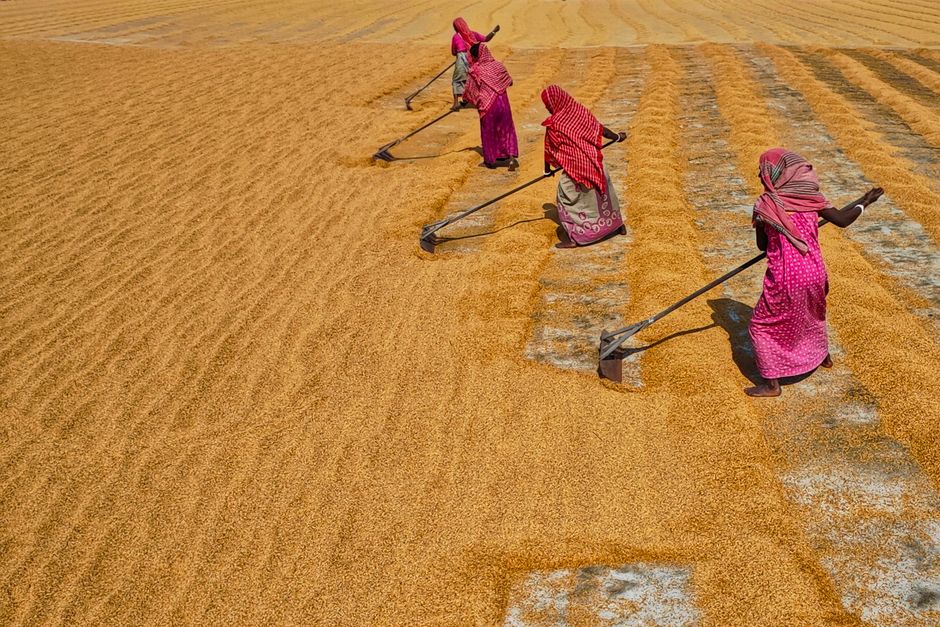
    Maharashtra, India — In July 2026, Maharashtra passed the Women Farmers’ Empowerment Bill. This law recognizes women as farmers, regardless of land ownership. It aims to address the long-standing invisibility of women in agriculture by granting them legal recognition through a Woman Farmer Certificate. This is a significant step in a country where women contribute greatly to agriculture but often remain unacknowledged.

    The bill was introduced after decades of advocacy from women farmers and civil society groups. It defines ‘farmer’ based on activity, not just land ownership. This change helps many women who were previously excluded from recognition and resources. According to the Periodic Labour Force Survey (PLFS), about 110 million women were employed in agriculture in 2025, nearing gender parity with men in this sector.

    Breaking Down Barriers: The Need for Recognition

    The recognition gap for women farmers in India is significant. Despite their contributions, many women work without pay and are not classified as farmers in official records. Data shows that over 41% of female agricultural workers are unpaid, compared to 20% of men. This highlights the economic challenges women face and the systemic bias in agricultural policies.

    The Women Farmers’ Empowerment Bill aims to change this by creating a registry of women farmers independent of land ownership records. This is crucial because the current system mainly recognizes men as farmers, sidelining women who work on family farms. The bill ensures that women engaged in farming can access welfare schemes and agricultural support. Civils Daily notes that this change is expected to empower millions of women long invisible in agriculture.

    Before this legislation, various state-level initiatives in India tried to improve conditions for women in agriculture. For example, Kerala’s Kudumbashree program helped women participate in group farming, while Odisha’s KALIA scheme targeted landless and sharecropper women. However, these initiatives lacked a consistent framework for recognizing women farmers across states. The Maharashtra bill fills this gap by providing a unified approach to women’s recognition in agriculture, essential for a more equitable landscape.

    With this new bill, Maharashtra sets a precedent for other states. The legislation recognizes women as farmers and expands the definition of agriculture to include landless cultivators and agricultural laborers. This broadening is vital for creating an inclusive agricultural environment. The bill’s timing is significant, coinciding with the United Nations declaring 2026 as the International Year of the Woman Farmer. This amplifies the importance of this legislative change and its potential to inspire similar initiatives across India.

    However, implementing the bill presents challenges. For recognition to lead to real empowerment, effective identification of women farmers is necessary. Robust information campaigns are also needed. The Gram Sabha will play a crucial role in ensuring that women without land titles can still register as farmers. Advocate Gandhi highlights the need for a National Commission for the Entitlements and Welfare of Women Farmers to monitor implementation and support women farmers.

    Implications for Policy and Economic Empowerment

    The Women Farmers’ Empowerment Bill is expected to impact agricultural policy in India significantly. By recognizing women as independent farmers, the bill can help them access credit, subsidies, and technology that were previously unavailable. Career Ahead’s analysis finds that this legislative change could boost women’s economic empowerment, allowing them to participate more fully in agriculture.

    Currently, only 23% of women benefit from the Pradhan Mantri Kisan Samman Nidhi (PM-KISAN) scheme, which provides financial assistance to eligible landholding farmer families. This statistic shows the need for a more inclusive approach that recognizes women farmers’ contributions. By linking the new Woman Farmer Certificate to existing welfare schemes, the bill could improve women’s access to financial support. Additionally, creating a standardized database of women farmers can help target resources and services better. This database will prevent duplication and exclusion, ensuring women farmers are recognized across administrative platforms. Such integration is crucial for a fair agricultural system.

    While the bill represents a significant step forward, monitoring its implementation is essential. The success of this legislation will depend on how effectively it translates into real benefits for women farmers. Continuous local efforts will be needed to raise awareness about the new provisions. In states where women make up a large percentage of the agricultural workforce, such as Jammu & Kashmir and Himachal Pradesh, the bill could dramatically change how women are perceived in agriculture. However, in regions with deep-rooted patriarchal norms, additional measures may be needed to shift societal attitudes.

    Towards recognising women farmers

    The Maharashtra Women Farmers’ Empowerment Bill marks a pivotal moment in the fight for gender equality in agriculture. It is not just legal recognition but a potential catalyst for broader societal change. As more states consider similar legislation, the implications for women farmers across India could be profound. The bill’s passage shows a growing acknowledgment of women’s vital role in agriculture and the need for policies reflecting this reality.

    Looking ahead, local governments must commit to implementing the bill effectively. Will other states follow Maharashtra’s lead? How will this shift affect India’s agricultural landscape? The coming years will be critical in determining whether this legislation can bring about the transformative change that women farmers urgently need.

    Frequently Asked Questions

    What resources are available for women farmers?

    Career Ahead’s analysis shows that women farmers can access various resources through the new Woman Farmer Certificate. This connects them to welfare schemes and financial assistance programs designed to support their agricultural activities.

    How can agriculture policy analysts advocate for women’s rights in farming?

    Agriculture policy analysts can advocate for women’s rights by researching gender disparities in agriculture. They can promote inclusive policies and work with local governments to ensure effective implementation of laws like the Women Farmers’ Empowerment Bill.

    Towards recognising women farmers

    What should women farmers do to access new support programs?

    Women farmers should register for the Woman Farmer Certificate to gain legal recognition and access various support programs. Awareness campaigns will be crucial to inform them about the benefits available under the new legislation.
  • MPs and Lords call for new law to address AI threat to human rights

    MPs and Lords call for new law to address AI threat to human rights

    The UK Parliament’s Joint Committee on Human Rights (JCHR) has issued a compelling call for new legislation aimed at addressing the significant risks posed by artificial intelligence (AI) to human rights. In a report published on September 14, 2026, the committee highlighted that existing laws are insufficient to manage the scale and seriousness of these threats. Labour MP and committee chair Alex Sobel stated, “Nowhere in the world, including the UK, has a current legislative and regulatory approach to AI that is fit for purpose,” emphasizing the urgent need for comprehensive oversight as AI technologies proliferate.

    This call for action is particularly timely, as concerns grow over the potential misuse of AI technologies. Dario Amodei, CEO of Anthropic, has recently underscored the necessity for global regulation and independent monitoring of AI systems. His views resonate with many lawmakers who believe that AI development is advancing at an unprecedented pace, often outpacing the ability of regulatory frameworks to keep up. The JCHR’s report warns that without a robust legislative approach, the risks associated with AI will continue to escalate, especially as these systems become integrated into critical sectors such as healthcare, finance, and law enforcement.

    Identifying Human Rights Risks

    The JCHR report outlines several key human rights risks linked to AI technologies. One major concern is the potential for biased algorithms that can discriminate against specific groups, particularly when these systems are trained on datasets containing problematic material. Such biases can manifest in various applications, from hiring processes to law enforcement, where AI systems may inadvertently reinforce existing societal inequalities. The report cites instances where AI-driven recruitment tools have favored candidates based on biased historical data, resulting in a lack of diversity in hiring practices.

    Moreover, the report addresses the issue of misinformation generated by AI. The ability of AI to create and disseminate false information poses a significant threat to public discourse and democratic processes. The JCHR argues that regulations must be implemented to mitigate these risks and ensure that AI systems are developed responsibly. Recommendations include stringent measures to counteract the spread of AI-generated misinformation, which can undermine trust in media and institutions alike.

    Another alarming risk highlighted is the use of AI in surveillance technologies. The report mentions instances of facial recognition systems being deployed without individuals’ consent, raising serious ethical questions about privacy and autonomy. The JCHR advocates for strict regulations that prohibit such invasive practices and calls for transparency in how AI systems are utilized. This concern is echoed by various experts who warn that unchecked AI surveillance could lead to a society where individuals are constantly monitored, infringing on fundamental rights to privacy and freedom of expression.

    Proposed Oversight and Regulation

    To effectively address these risks, the JCHR suggests the establishment of a single, independent AI oversight body. This entity would be responsible for monitoring AI development and ensuring compliance with human rights standards. The committee believes that such a body could provide the necessary checks and balances to prevent abuses of power and protect citizens’ rights. The establishment of this oversight body could lead to significant changes in how tech companies operate, as firms will need to adapt their practices to comply with new regulations, potentially altering hiring practices and the skills required in the workforce.

    The proposed legislation and the establishment of an oversight body could have far-reaching implications for the technology sector. Companies developing AI technologies will likely face stricter scrutiny regarding their algorithms and data practices. This could lead to increased costs for compliance and necessitate the hiring of specialized personnel to navigate the new regulatory landscape. As noted in the JCHR report, the financial burden of compliance may disproportionately affect smaller firms, potentially stifling innovation in the sector.

    Balancing Innovation and Regulation

    However, the JCHR’s recommendations could also spur innovation in the tech industry. As companies work to align with new regulations, there may be a greater emphasis on developing ethical AI solutions that prioritize human rights. This shift could open up new markets for businesses focused on responsible AI development. The push for regulation may also encourage collaboration between tech companies and human rights organizations, fostering the creation of best practices that set industry standards and promote a more ethical approach to AI deployment.

    MPs and Lords call for new law to address AI threat to human rights

    Nonetheless, there is potential for backlash from some sectors of the technology industry. Companies that view regulations as burdensome may resist compliance efforts, leading to a fragmented approach to AI governance. This tension between innovation and regulation will be a critical issue to monitor in the coming years. As the JCHR report emphasizes, a balanced approach is essential to ensure that human rights are not sacrificed in the name of technological advancement.

    Engaging Stakeholders in AI Governance

    Ultimately, the JCHR’s call for new legislation reflects the urgent need for a balanced approach to AI regulation. Policymakers must navigate the complexities of fostering innovation while ensuring that human rights are protected in the digital age. As discussions around AI regulation continue to evolve, it is essential for human rights activists and policymakers to remain engaged. The outcomes of these discussions will shape the future of AI technologies and their impact on society.

    MPs and Lords call for new law to address AI threat to human rights

    In the near future, the implementation of these proposed regulations could significantly alter the landscape of AI development. Companies will need to prepare for the changes ahead and consider how they can align their practices with the new legal framework. As highlighted by the JCHR, the stakes are high, and the need for a proactive approach to AI governance has never been more pressing.

    Frequently Asked Questions

    What are the key human rights risks associated with AI?

    The JCHR’s analysis identifies several key risks, including algorithmic bias, misinformation generation, and invasive surveillance practices. These risks highlight the urgent need for comprehensive regulations to protect individuals’ rights.

    How can policymakers prepare for upcoming AI legislation?

    Policymakers should engage with technology experts and human rights advocates to develop a robust regulatory framework. This collaboration can help ensure that new laws effectively address the complexities of AI technologies.

    MPs and Lords call for new law to address AI threat to human rights

    What actions should human rights activists take in response to AI developments?

    Human rights activists should advocate for transparency and accountability in AI systems. By raising awareness of potential abuses and promoting ethical AI practices, they can help shape the regulatory landscape.