Tag: investor confidence

  • ASX Leadership Changes Signal New Governance Strategies

    ASX Leadership Changes Signal New Governance Strategies

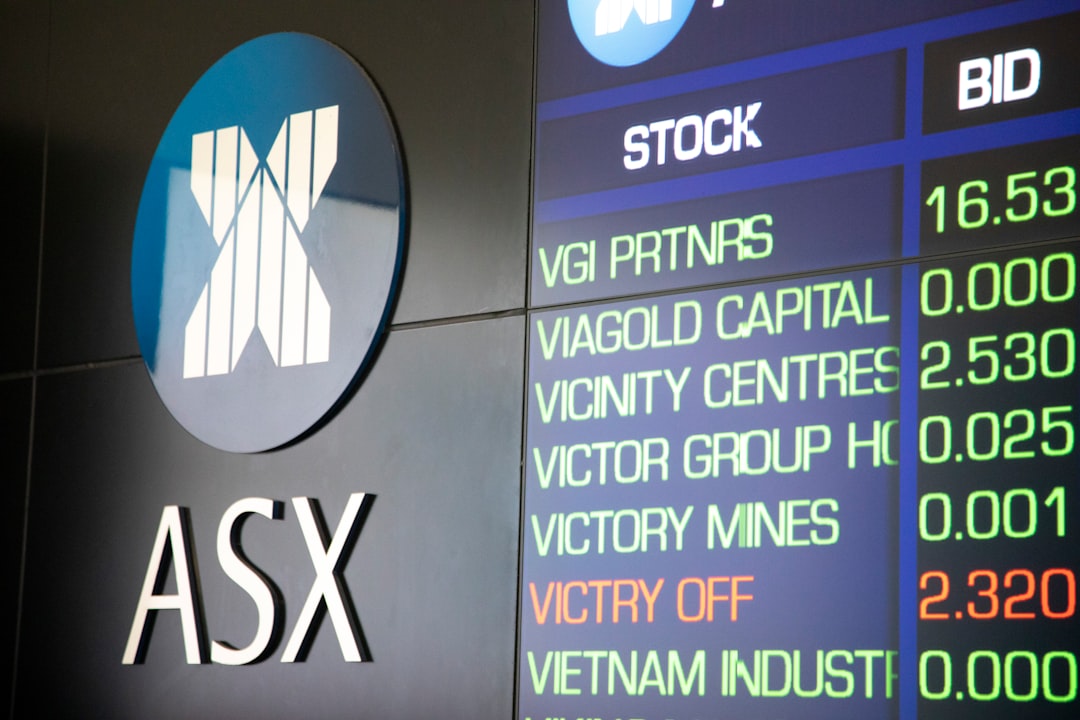
    Australia’s securities exchange, ASX, has appointed a new Chief Financial Officer (CFO) and Clearing Director as part of a strategic leadership overhaul. These appointments come at a crucial time for the organization, aiming to strengthen its financial governance and enhance operational efficiency in the capital markets. The new CFO is expected to drive significant changes in financial reporting and risk management practices while the Clearing Director will focus on optimizing clearing operations.

    This leadership change is particularly relevant given the increasing complexity and regulatory scrutiny facing financial institutions. The ASX has been under pressure to enhance its operational resilience and improve its service offerings. The appointments signal a proactive approach to these challenges, indicating that ASX is committed to maintaining investor confidence and ensuring market stability.

    Impact on Financial Governance Practices at ASX

    The appointment of the new CFO is poised to reshape ASX’s financial governance practices. Career Ahead’s analysis identifies that the new leader will likely prioritize transparency and accountability in financial reporting. This shift is crucial as stakeholders increasingly demand higher standards of governance from financial institutions.

    Moreover, the focus on enhanced risk management practices cannot be overstated. The CFO will need to navigate a landscape marked by economic uncertainty and evolving regulatory requirements. By implementing robust financial controls and risk assessment frameworks, ASX can mitigate potential threats to its operational integrity.

    In addition, the Clearing Director’s role will be pivotal in refining the clearing processes. Improved clearing operations can lead to reduced settlement times and enhanced liquidity in the market. This is particularly important for maintaining investor confidence, as delays or inefficiencies in clearing can lead to significant market disruptions.

    Overall, these leadership changes signal a commitment to strengthening financial governance at ASX. By prioritizing these areas, ASX aims to bolster its reputation as a reliable and efficient marketplace, which is essential for attracting and retaining investors.

    Changes in Clearing Operations and Risk Management

    The new Clearing Director brings a wealth of experience that is expected to transform ASX’s clearing operations. Career Ahead research finds that a focus on technology-driven solutions will likely be a key part of this transformation. Implementing advanced technology can streamline clearing processes, making them more efficient and less prone to error.

    Additionally, the Clearing Director’s strategic vision will likely include enhancing risk management protocols. This is particularly relevant in today’s environment, where market volatility can pose significant risks to financial institutions. By adopting a proactive approach to risk management, ASX can safeguard its operations and ensure compliance with regulatory standards.

    Furthermore, the integration of real-time data analytics into clearing operations can provide valuable insights into market trends and risks. This capability will enable ASX to respond swiftly to emerging challenges, ensuring that it remains competitive in a rapidly evolving financial landscape.

    ASX's New CFO and Clearing Director Shift Financial Governance

    As the new leadership team settles in, stakeholders will be keenly observing how these changes impact operational efficiency and market stability. The emphasis on technology and risk management is expected to foster a more resilient clearing environment, ultimately benefiting investors and market participants alike.

    Potential Influence on Market Stability and Investor Confidence

    The appointments of the new CFO and Clearing Director are expected to have significant implications for market stability. Career Ahead’s analysis indicates that strong leadership in financial governance can enhance investor confidence, which is crucial for maintaining a stable market environment. Investors are more likely to engage with a platform that demonstrates robust governance and operational efficiency.

    Moreover, the focus on risk management and efficient clearing processes can help mitigate systemic risks within the financial system. By addressing potential vulnerabilities, ASX can contribute to a more stable market, reducing the likelihood of disruptions that can negatively impact investor sentiment.

    As ASX embarks on this new chapter, the leadership team’s ability to communicate effectively with stakeholders will be essential. Transparent communication regarding changes in governance practices and operational strategies can further bolster investor confidence. Investors are likely to respond positively to clear and consistent messaging about the organization’s commitment to enhancing its operational framework.

    ASX's New CFO and Clearing Director Shift Financial Governance

    In summary, the recent leadership changes at ASX may represent a pivotal moment for the organization. With a renewed focus on financial governance, risk management, and operational efficiency, ASX is positioning itself to navigate the complexities of the financial landscape effectively.

    What remains to be seen is how these changes will unfold in the coming months. Will ASX’s new leadership successfully implement their vision, and how will the market respond? The answers to these questions will be crucial in determining the future trajectory of ASX in the capital markets.

    Frequently Asked Questions

    What skills are essential for CFO candidates in financial services?

    CFO candidates in financial services should possess strong analytical skills, expertise in financial reporting, and a deep understanding of regulatory compliance. Additionally, leadership and strategic thinking abilities are crucial for navigating the complexities of financial governance.

    How will the new Clearing Director impact capital market operations?

    The new Clearing Director is expected to enhance efficiency in clearing operations through technology-driven solutions and improved risk management protocols. This will lead to faster settlement times and increased market liquidity, benefiting investors and market participants.

    ASX's New CFO and Clearing Director Shift Financial Governance

    What should CFO candidates do to prepare for leadership roles in financial services?

    CFO candidates should focus on developing a strong foundation in financial analysis, regulatory compliance, and strategic management. Gaining experience in risk management and understanding market dynamics will also be essential for success in leadership roles.

  • Tata Group Stocks Plummet After Trusts Challenge Extension

    Tata Group Stocks Plummet After Trusts Challenge Extension

    India — Tata Group stocks, including major players like TCS and Tata Chemicals, fell by up to 8%. This drop followed Tata Trusts’ claim that the recent extension of N Chandrasekaran’s term as chairman was illegal. Tata Sons, the holding company of the Tata Group, had announced a new five-year term for Chandrasekaran, sparking a major governance dispute.

    This leadership conflict has raised serious concerns among investors. Tata Chemicals dropped 8%, reaching a low of Rs 719 per share. TCS fell 3.5% to Rs 2,118 per share. Other Tata stocks, like Tata Motors and Tata Elxsi, also declined by up to 3%. The market’s reaction shows how fragile investor confidence is during governance disputes. According to the Economic Times, Tata Trusts, which holds a majority stake in Tata Sons, publicly opposed the board’s decision to extend Chandrasekaran’s term. Noel Tata was the only director to vote against this resolution.

    Implications of Leadership Instability on Stock Performance

    The recent events at Tata Group have serious implications for its stock performance. Career Ahead’s analysis shows that leadership changes often cause stock price fluctuations, especially in large companies like Tata Group. Investors usually react negatively to instability at the top, as it raises questions about the company’s direction and effectiveness.

    Tata Trusts’ public dissent against the board’s decision highlights a critical governance issue. It signals potential instability and a lack of agreement among key stakeholders. This ongoing conflict could lead to a reevaluation of the company’s governance framework. This is especially important as Tata Group prepares for its much-anticipated IPO. The Reserve Bank of India’s recent rejection of Tata Sons’ request to remain private adds more complexity. The RBI’s push for a public listing could force Tata Sons to rethink its governance structure and strategy, creating further uncertainty for investors.

    Market analysts suggest that companies with strong governance practices perform better during leadership uncertainty. The current situation at Tata Group reminds us of the importance of transparent and stable governance structures in maintaining investor trust. As things evolve, investors will closely watch how Tata Group handles these challenges. The stakes are high since Tata Sons is preparing for an IPO that could raise significant capital. Any governance issues could hurt its ability to attract investments.

    The implications of this leadership dispute go beyond immediate stock performance. The Tata brand, known for its strong ethics and corporate governance, could suffer reputational damage if internal conflicts are not resolved quickly. Bloomberg analysts have noted that this boardroom battle could lead to prolonged instability, deterring potential investors seeking stable investments.

    Legal and Governance Challenges Facing Tata Group

    The legal implications of the board’s decisions at Tata Sons are significant. Tata Trusts argues that the recent resolution to extend Chandrasekaran’s term is invalid due to provisions in Tata Sons’ Articles of Association. This raises questions about the validity of board decisions made during internal conflicts, which could lead to further legal scrutiny. Such disputes are not uncommon in large corporations but can have far-reaching effects. The ongoing conflict between Tata Trusts and Tata Sons may prompt a reevaluation of the company’s governance framework. Investors should know that unresolved disputes can lead to prolonged instability, impacting stock prices and the Tata brand’s reputation.

    Career Ahead research indicates that Tata Group’s governance structure may face increased scrutiny, especially as the company prepares for its IPO. The relationship between Tata Trusts and Tata Sons is vital in shaping investor perceptions and market reactions. If governance issues are not effectively addressed, it could hinder Tata Group’s ability to attract investments during the IPO process. Additionally, the upcoming Annual General Meeting (AGM) of Tata Sons is critical. Chandrasekaran’s reappointment as a director is essential for his continued role as chairman. However, the ongoing dispute with Tata Trusts could complicate this process. The AGM’s outcome will be pivotal in determining the future stability of Tata Group’s leadership.

    Amid these challenges, the broader implications for the Indian corporate landscape are significant. Governance issues like those at Tata Group may prompt regulators and investors to demand stronger governance frameworks across all sectors. This could lead to increased compliance costs and operational adjustments for companies in India. As noted by NDTV, the dispute between Tata Sons and Tata Trusts goes beyond just the chairmanship. It also involves the future direction of the group and its strategic initiatives, especially regarding the IPO.

    Tata Group Stocks Plummet After Trusts Challenge Extension

    Overall, the current turmoil at Tata Group serves as a cautionary tale for investors about the importance of governance and leadership stability in large corporations. Market participants will closely monitor unfolding events to assess their potential impacts on stock performance and investor confidence. The resolution of this dispute will affect Tata Group and could set a precedent for corporate governance practices in India.

    As the leadership dispute unfolds, one question remains: how will Tata Group navigate these challenges while maintaining investor confidence and preparing for its IPO? The answers to these questions will shape the company’s future and its standing in the Indian market.

    Frequently Asked Questions

    What should investors do in response to Tata Group’s stock decline?

    Investors should closely monitor developments surrounding Tata Group’s leadership and governance issues. Understanding these changes is crucial for informed investment decisions.

    How does leadership instability affect stock prices in the Indian market?

    Leadership instability usually leads to decreased investor confidence, resulting in stock price declines. Companies with strong governance practices tend to perform better during such periods.

    Tata Group Stocks Plummet After Trusts Challenge Extension

    What are the legal implications of board decisions in corporate governance?

    Legal implications can arise when board decisions conflict with governance frameworks, leading to disputes and challenges in their validity. This can impact investor trust and stock performance.

  • AI Investment Concerns Rise as Industry Calls for Slowdown

    AI Investment Concerns Rise as Industry Calls for Slowdown

    Investors are showing increased caution regarding AI spending as industry leaders call for a slowdown in the pace of development. This shift comes amid warnings about the potential risks associated with rapid advancements in artificial intelligence. As spending is projected to reach nearly $800 billion globally in 2026, concerns are mounting over the sustainability of this growth in the tech sector.

    The call for a more measured approach to AI development has been echoed by prominent figures in the industry, including Anthropic CEO Dario Amodei. His remarks highlight the need for a pause to better manage the risks associated with AI, which has led to a ripple effect across the investment landscape. Investors are now weighing the implications of this shift, particularly as they assess the future of AI startups and their funding prospects.

    Investor Sentiment Shifts Amid Industry Warnings

    The recent warnings from AI leaders have sparked a reevaluation of investment strategies within the tech sector. According to a report from Reuters, the AI-led rally that has characterized the stock market over the past few years is now facing scrutiny as concerns about sustainability grow. Investors are particularly wary of potential cancellations of orders and construction deals related to AI infrastructure, which could signal a slowdown in capital expenditures.

    Chuck Carlson, CEO of Horizon Investment Services, noted that investors require concrete evidence of a slowdown before making significant changes to their portfolios. This sentiment is echoed by data from Global Banking and Finance, which indicates that while the AI hyperscalers—such as Microsoft and Amazon—are expected to invest heavily in AI infrastructure, any signs of reduced spending could significantly impact their valuations.

    As the market grapples with these uncertainties, the semiconductor industry, which has benefited from the AI boom, is also feeling the pressure. The Philadelphia SE Semiconductor Index has experienced significant fluctuations, reflecting investor concerns about the sustainability of demand for AI-related technologies. If major players in the AI sector begin to scale back their investments, it could have a cascading effect on semiconductor firms, which are heavily reliant on ongoing capital expenditures from AI companies.

    Career Ahead’s analysis finds that this cautious investor sentiment may lead to a more selective funding environment for AI startups. As venture capitalists reassess their portfolios, they may prioritize projects that demonstrate clear return on investment (ROI) over those that are speculative or unproven. This shift could reshape the landscape for emerging AI technologies and startups, as funding becomes more competitive and focused on sustainability.

    Potential Layoffs and Project Reevaluation in AI Teams

    The tightening of budgets in response to these industry warnings may also lead to layoffs within AI-focused teams. Companies that have ramped up hiring in anticipation of continued growth may now find themselves needing to downsize as they adjust to a more cautious investment climate. This trend could disproportionately affect entry-level positions, particularly in AI development and data science roles.

    As the demand for AI talent remains high, those in junior roles may face increased competition as companies become more selective in their hiring practices. Data from the Financial Express indicates that the AI job market is already experiencing shifts, with a noticeable impact on freshers entering the field. Companies are likely to seek candidates with proven skills and experience, further narrowing opportunities for newcomers.

    Moreover, product managers in tech will need to adapt to changing project priorities as funding becomes more limited. Projects that were once viewed as innovative may be put on hold in favor of more cost-effective solutions that align with current budget constraints. This shift could lead to an increased focus on optimizing existing AI technologies rather than pursuing new, untested initiatives.

    AI Investment Concerns Rise as Industry Calls for Slowdown

    Wider Economic Implications of AI Spending Slowdown

    The broader economic implications of the AI spending slowdown are significant. As investors become more cautious, the overall growth trajectory of the tech sector may be impacted. The S&P 500, which has seen remarkable gains over the past few years, could face headwinds if AI spending begins to decline. Investors are already weighing the potential for higher bond yields and rising oil prices, which could further complicate the investment landscape.

    James Humphries, managing partner at Mindset Wealth Management, warns that the market is vulnerable if the primary growth engine—AI spending—faces restrictions. With both the S&P 500 and Nasdaq Composite hovering near all-time highs, any downturn in AI investment could lead to broader market corrections. Investors are keenly aware of these risks as they consider their next moves.

    As the tech sector navigates these challenges, it will be crucial to monitor how investor sentiment evolves in response to these industry warnings. The balance between innovation and caution will shape the future of AI and its role in the global economy.

    AI Investment Concerns Rise as Industry Calls for Slowdown

    Frequently Asked Questions

    What does the AI spending slowdown mean for venture capitalists?

    Venture capitalists may need to reassess their portfolios and focus on sustainable AI projects that demonstrate clear ROI. As funding becomes more competitive, investors will prioritize projects with proven potential over speculative ventures.

    How can product managers adapt to changing AI project priorities?

    Product managers should focus on optimizing existing AI technologies and developing cost-effective solutions in response to tightening budgets. This shift may require reevaluating project scopes and aligning initiatives with current funding realities.

    AI Investment Concerns Rise as Industry Calls for Slowdown

    What skills should data scientists develop to remain competitive in a slowing AI market?

    Data scientists should enhance their expertise in areas that demonstrate immediate value to employers, such as machine learning optimization and data analysis. Those with specialized skills may find better opportunities in a more selective job market.

  • AI Startup Discovery Loop Seeks $50 Billion Valuation

    AI Startup Discovery Loop Seeks $50 Billion Valuation

    Discovery Loop is an AI startup founded by Jeff Dean, the former chief scientist at Google. The company is trying to raise funds at a remarkable $50 billion valuation. This bold move shows the growing confidence investors have in AI technologies and their leaders. Just weeks ago, Discovery Loop sought $1 billion at a valuation of about $10 billion. This shows a huge jump in perceived value in a short time.

    As the need for innovative AI solutions rises, Discovery Loop aims to speed up scientific research by automating experiments. With a team of Google veterans, the startup is ready to tackle tough challenges in science and engineering. The experience of these professionals boosts credibility and draws investor interest, especially during this AI boom.

    Fundraising Trends in AI Startups

    The fundraising scene for AI startups has changed a lot in recent years. Data from discoveryloop.com shows that the need for large investments comes from the high costs of developing AI systems and running research labs. Startups are looking for funding earlier in their lifecycle to keep operations going and to innovate. This trend is clear in the aggressive funding rounds in the sector, where valuations can soar in just weeks.

    The competitive nature of AI has also led to more interest from venture capitalists. Investors want not just innovative ideas but also teams with proven technical skills. As noted by layer3labs.io, having strong leadership and a solid technical foundation is crucial for getting funding. This shift highlights the importance of experienced founders like Jeff Dean, who bring valuable knowledge and credibility.

    Career Ahead analysis shows that the rapid rise in valuations, like those seen with Discovery Loop, reflects a broader trend in tech. Investors are willing to take risks on startups that show potential for groundbreaking advancements in AI. This signals emerging AI companies to focus on building strong teams and innovative solutions to attract funding.

    Moreover, major venture capital firms like Radical Ventures and Khosla Ventures are involved in Discovery Loop’s funding rounds. Their participation shows strong confidence in AI startups. These firms are known for supporting transformative technologies, which can greatly enhance a startup’s visibility and credibility.

    As the AI sector matures, startups must carefully navigate this changing fundraising environment. Building strong relationships with investors and showing a clear path to innovation will be vital for securing funding at favorable valuations.

    Impact of Jeff Dean’s Leadership on Investor Confidence

    Jeff Dean’s reputation in AI and his experience at Google have made Discovery Loop a leader in the AI startup space. His leadership attracts talent and builds investor confidence. According to edisonscientific.com, Dean’s vision for Discovery Loop is to create AI that helps solve complex scientific problems. This resonates with investors looking for meaningful technology applications.

    Investors know that strong leadership can greatly affect a startup’s success. Dean’s commitment to societal good, mentioned in a recent talk, shows that Discovery Loop aims for broader impacts. This aligns with trends where investors prefer companies that prioritize ethics alongside profits.

    Career Ahead analysis finds that Dean’s technical skills and ethical business approach likely boost investor confidence. Startups that balance innovation with social responsibility are more likely to attract funding today.

    AI Startup Discovery Loop Seeks  Billion Valuation

    The presence of a skilled leadership team, including co-founders experienced in AI and machine learning, is also crucial. Their combined expertise strengthens Discovery Loop’s operations and reassures investors about the company’s success potential.

    As more AI startups emerge, the focus on leadership quality will grow. Founders who showcase their expertise and commitment to ethical practices will be better positioned for investment.

    Valuation Benchmarks for Emerging AI Companies

    The $50 billion valuation sought by Discovery Loop sets a high standard for emerging AI companies. This valuation reflects the company’s potential and the current market dynamics favoring AI innovations. Various analyses, including insights from wired.com, show that the rapid growth of AI technologies creates an environment where valuations can rise quickly based on perceived potential, not just revenue.

    This trend brings both opportunities and challenges for AI startups. High valuations can attract significant investment, allowing companies to grow and innovate quickly. However, they can also pressure startups to meet investor expectations. Companies must be ready to face these challenges while keeping their long-term goals in mind.

    Career Ahead research indicates that startups aiming for high valuations must clearly present their value and show their market impact. This includes showcasing unique technologies, strong intellectual property, and a clear path to profitability. Investors want companies that can back their claims with data and a solid business model.

    AI Startup Discovery Loop Seeks  Billion Valuation

    As the AI market expands globally, valuation benchmarks will likely change. Companies that adapt and show their relevance in the AI ecosystem will be better positioned to secure funding at desirable valuations.

    In summary, the landscape for AI startups is changing quickly. Discovery Loop’s funding efforts illustrate the potential for high valuations driven by strong leadership and innovative solutions. As the sector matures, the implications for emerging companies seeking investment will become more complex and competitive.

    Discovery Loop’s ambitious valuation raises important questions about the future of AI startups. Will this trend continue, and how will it shape the funding landscape for emerging technologies?

    Frequently Asked Questions

    What factors contribute to the valuation of AI startups?

    Career Ahead analysis shows that leadership experience, technological innovation, and market demand greatly influence AI startup valuations. Strong teams and proven track records lead to higher investor confidence and higher valuations.

    How can startup founders attract venture capital in the current market?

    Startup founders can attract venture capital by showing a clear value proposition, showcasing innovative technologies, and building strong investor relationships. Focusing on ethical practices and societal impact can also make them more appealing to potential backers.

    AI Startup Discovery Loop Seeks  Billion Valuation

    What should startup founders consider when seeking funding at high valuations?

    Founders should be ready to meet investor expectations for growth and profitability. Clearly explaining their business model and showing potential for significant market impact will be crucial for securing funding at high valuations.