Tag: Investments

  • Oil and Gas Prices Surge Amid Middle East Shipping Attacks

    Oil and Gas Prices Surge Amid Middle East Shipping Attacks

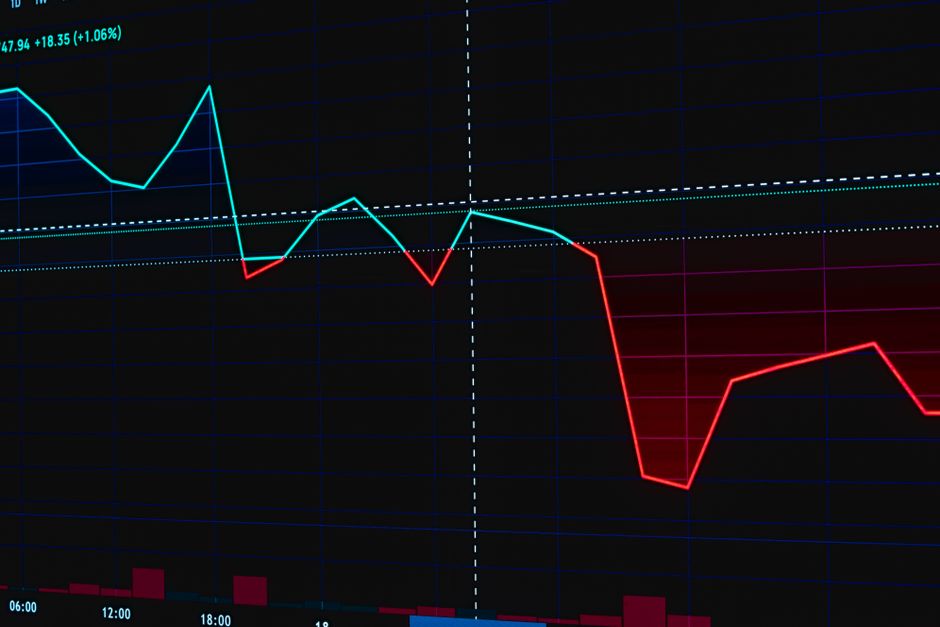
    Oil prices surged dramatically on October 8, 2026, following a series of shipping attacks in the Middle East that raised concerns about supply disruptions. Brent crude oil jumped over $5, reaching $105.26 per barrel, as geopolitical tensions escalated in the region. This spike in oil prices has led to a corresponding rise in bond yields and a downturn in stock prices, creating a volatile environment for investors.

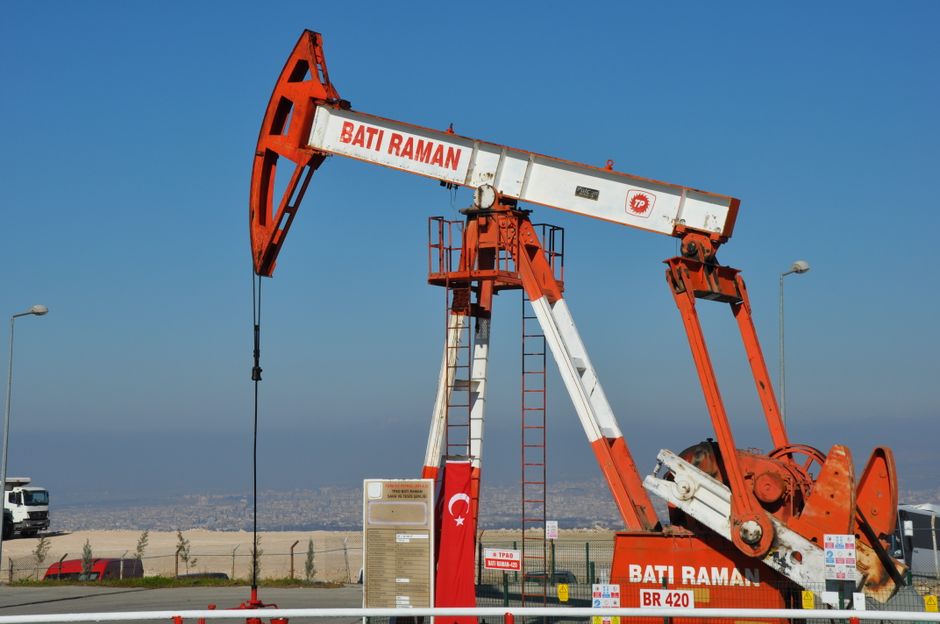
    The attacks targeted vessels in the Strait of Hormuz, a crucial passage for global oil shipments, sending shockwaves through the energy markets. Approximately 20% of the world’s oil passes through this narrow waterway, making it a vital chokepoint for oil transport. The heightened risk of shipping disruptions due to these attacks has caused traders to react swiftly, driving prices up as they anticipate potential supply shortages.

    Market analysts suggest that this spike in oil prices is not merely a short-term reaction but could signal a more extended period of volatility in the energy markets. Investors are wary of how long these tensions will persist and how they will affect global oil supply. Historically, periods of heightened geopolitical tension have led to sustained increases in oil prices, as seen during previous conflicts in the region. The recent attacks have also raised concerns about the potential for military escalations, which could further destabilize the region and exacerbate supply issues.

    In light of these developments, energy market analysts are reassessing their forecasts for oil prices. With Brent crude now trading above $105, many predict that prices could remain elevated, particularly if further attacks occur or if military responses escalate. This uncertainty complicates investment strategies for oil and gas investors, who must navigate a landscape marked by both opportunity and risk. The volatility in oil prices is expected to have ripple effects across various sectors, influencing everything from transportation costs to consumer prices.

    The correlation between rising oil prices and increased bond yields is also noteworthy. As oil prices rise, inflation concerns grow, prompting central banks to consider tightening monetary policy. This can lead to higher bond yields, further impacting the investment landscape. The surge in oil prices has led to a significant increase in bond yields, with UK gilt yields hitting decade highs. The benchmark 10-year yield rose above 5.5%, marking the highest level since July 2007. This rise in yields is primarily driven by inflationary pressures linked to higher oil prices, which increase the cost of living and business operations.

    What Changed Quickly

    For bond traders, the implications of rising yields are profound. Higher yields typically signal a shift in investor sentiment away from equities toward fixed-income securities, as government bonds become more attractive relative to riskier assets. This shift can lead to a sell-off in the stock market, as seen in the immediate aftermath of the oil price spike. Recent bond market volatility could create challenges for companies that rely on borrowing to finance operations. As borrowing costs increase due to higher yields, companies may face tighter profit margins, which can ultimately affect their stock prices. This creates a feedback loop where rising oil prices lead to higher bond yields, which in turn pressure stock prices downward.

    Investors are now tasked with reassessing their portfolios in light of these changes. Energy sector stocks may see increased volatility as traders react to fluctuating oil prices, while other sectors may also be affected by rising borrowing costs. The current market dynamics underscore the need for investors to remain agile and informed about geopolitical developments that could impact their investments. The interconnectedness of oil prices, bond yields, and stock market performance highlights the complexity of the current economic environment.

    Oil and Gas Prices Surge Amid Middle East Shipping Attacks

    In the face of rising oil prices and increasing bond yields, oil and gas investors must adapt their strategies to navigate this volatile environment. One approach is to focus on companies with strong fundamentals and the ability to withstand price fluctuations. Companies that have demonstrated resilience in past crises may be better positioned to weather the current storm. Additionally, investors may want to consider diversifying their portfolios to mitigate risk. This could involve allocating funds to sectors that traditionally perform well during periods of high inflation, such as utilities or consumer staples. By spreading investments across various sectors, investors can protect themselves against potential downturns in the energy market.

    As the situation in the Middle East evolves, investors should monitor news related to the region closely, as further escalations could lead to additional price spikes and market instability. The interplay between oil prices, bond yields, and stock market performance will be crucial for investors in the coming months. The ongoing situation underscores the need for a comprehensive understanding of the geopolitical landscape and its potential impact on global markets.

    Frequently Asked Questions

    What are the implications of rising oil prices for energy market analysts?

    Rising oil prices significantly impact energy market forecasts, leading analysts to adjust their predictions for supply and demand dynamics. Analysts must also consider the potential for increased inflation and its effects on consumer behavior.

    How should bond traders adjust their strategies in response to increased yields?

    With bond yields rising, traders may need to shift their focus towards shorter-duration bonds to reduce interest rate risk. Additionally, they should closely monitor inflation trends and adjust their portfolios accordingly to maximize returns.

    What investment strategies should oil and gas investors consider during geopolitical tensions?

    Investors should focus on companies with strong fundamentals and consider diversifying their portfolios to mitigate risk. Staying informed about geopolitical developments is crucial for making timely investment decisions.

  • What NCERT Class 9 Students Will Learn About Money Management

    What NCERT Class 9 Students Will Learn About Money Management

    India’s National Council of Educational Research and Training (NCERT) has made significant changes to the Class 9 curriculum, emphasizing the importance of financial literacy. The updated curriculum includes lessons on tax slabs, budgeting, and investment strategies, aiming to equip students with essential money management skills from an early age. This initiative reflects a growing recognition of the need for financial education in shaping responsible citizens.

    The new textbook, titled Understanding Society: India and Beyond – Part 2, highlights that financial management begins in childhood. It encourages students to make informed choices about spending, saving, and investing. The announcement of these changes on October 2, 2026, underscores the urgency of integrating financial education into the school system.

    Understanding Tax Slabs: A Civic Responsibility

    The inclusion of tax slabs in the curriculum marks a pivotal moment for financial education in India. This new approach allows students to learn about the calculation of income tax under the current tax system, fostering a sense of civic duty regarding tax payments. The curriculum emphasizes that paying taxes is not only a legal obligation but also a vital contribution to national development.

    According to Calcwise.finance, understanding tax slabs can significantly influence financial decision-making, particularly concerning investments and savings. The textbook provides detailed explanations of different income tax slabs and the calculations involved, equipping students with practical knowledge for their future financial decisions.

    Moreover, the chapter on tax slabs conveys a civic message about the importance of paying taxes honestly and on time. This educational approach not only informs students about taxation but also instills a sense of responsibility. By understanding how tax revenues support public services, students can appreciate their future roles as taxpayers.

    Budgeting: The Cornerstone of Financial Stability

    Another crucial aspect of the NCERT’s updated curriculum is the focus on budgeting skills. The textbook teaches students how to plan their expenses and manage their finances effectively. Mastering budgeting is essential for achieving financial stability and making informed choices about spending and saving.

    Budgeting involves understanding income sources, distinguishing between fixed and variable expenses, and recognizing the importance of saving for future needs. The NCERT curriculum encourages students to create personal budgets, helping them visualize their financial situations and make better spending choices. By learning to budget, students can develop self-discipline and a proactive approach to their finances.

    Research from Aditya Birla Capital indicates that effective budgeting is linked to long-term financial health. Students who master budgeting techniques are more likely to avoid debt and achieve their financial goals. The NCERT’s emphasis on budgeting supports this notion, providing students with the tools necessary to manage their finances responsibly.

    NCERT Class 9 Curriculum Introduces Tax Slabs and Financial Literacy

    Furthermore, budgeting prepares students for real-world financial challenges. As they grow older, they will encounter various financial responsibilities, such as managing student loans and household expenses. Learning budgeting skills early on equips students to handle these challenges with confidence.

    Investment Knowledge: Laying the Groundwork for Wealth

    The NCERT curriculum also introduces students to the fundamentals of investing, which are crucial for building wealth. The textbook covers various investment options, including fixed deposits, stocks, bonds, and mutual funds. This exposure helps students understand how different investments work and the associated risks and returns.

    Understanding investments is vital as students prepare to enter the workforce and manage their finances. The curriculum stresses the importance of starting to invest early, highlighting how compounding interest can significantly enhance wealth over time. Research from Taxguru.in supports the benefits of early investments and the impact of compounding on financial growth.

    Additionally, the textbook discusses risk management and the necessity of diversifying investments. Learning these principles empowers students to manage their financial portfolios effectively, leading to greater financial security. As students grasp the basics of investing, they are more likely to cultivate positive financial habits.

    Risks, Trade-Offs, and What Comes Next

    The NCERT’s introduction of financial literacy topics in the Class 9 curriculum represents a significant advancement in education. By learning about tax slabs, budgeting, and investments, students are better prepared for their financial futures. As these educational reforms take root, it will be crucial to observe their impact on the financial behaviors of young people in India.

    Frequently Asked Questions

    What financial topics are included in the NCERT Class 9 syllabus?

    The NCERT Class 9 syllabus covers financial topics such as personal income tax slabs, budgeting, saving, investing, and risk management, providing a solid introduction to financial literacy.

    NCERT Class 9 Curriculum Introduces Tax Slabs and Financial Literacy

    How can educators effectively teach budgeting to students?

    Educators can teach budgeting effectively by incorporating practical exercises, such as having students create personal budgets and discuss relatable real-life financial situations.

    What resources are available for teaching investments to Class 9 students?

    Resources for teaching investments include educational websites, financial literacy programs, and interactive tools that help students understand various investment options and their implications.

  • Textile Stocks Plunge as Tariff Fears Resurface

    Textile Stocks Plunge as Tariff Fears Resurface

    Gokaldas Exports and other textile stocks fell nearly 5% on September 21, 2026. This drop followed U.S. President Donald Trump signing a sanctions bill. The new law allows tariffs of up to 100% on countries buying Russian oil and gas. Investors are worried about the impact on Indian textile exports.

    The Lindsey O. Graham Sanctioning Russia and Iran Act of 2026 has major implications for India’s textile sector. The U.S. is the largest market for Indian textiles, making it a significant risk if tariffs rise. Gokaldas Exports’ shares fell below Rs 630 each. Other companies, like Indo Count Industries and Vardhman Textiles, also saw declines of over 3%.

    Investor Concerns Over Tariffs and Stock Performance

    The market’s immediate reaction to the sanctions bill shows how fragile investor confidence is in Indian textile stocks. Career Ahead’s analysis reveals that Gokaldas Exports’ stock performance closely follows geopolitical events, especially U.S. trade policies. The risk of higher tariffs can affect stock prices and overall investor sentiment.

    The Confederation of Indian Textile Industry (CITI) warns that the new tariffs could severely hurt India’s already stressed textile sector. CITI Chairman Ashwin Chandran expressed concerns that additional tariffs would challenge micro, small, and medium enterprises (MSMEs) in the industry. This reflects a broader anxiety among textile manufacturers about their competitiveness in the U.S. market. CITI has cautioned that tariffs could significantly reduce export volumes, further straining an industry already facing a 9.10% drop in apparel exports from April to August 2026.

    Historical patterns show that geopolitical tensions often lead to volatility in textile stocks. Past sanctions and tariff increases have caused similar downturns, as seen during U.S.-China trade disputes. Investors must stay alert, as such events can lead to rapid changes in stock performance. The current situation highlights the links between global trade policies and local market reactions, forcing investors to navigate a landscape full of uncertainty.

    The effects of these sanctions go beyond immediate stock prices. Investors in Gokaldas Exports and similar companies must consider the long-term viability of their investments due to potential tariff changes. The uncertainty around U.S. trade policies requires careful evaluation of market strategies. As the market adapts to this new reality, companies may need to rethink their operational strategies to stay profitable and maintain investor confidence.

    Shifts in Tariff Policies and Market Reactions

    The signing of the sanctions bill marks a significant shift in U.S. trade policy. This is especially true for countries like India, which are major buyers of Russian energy. The law was passed with bipartisan support, showing a growing consensus in the U.S. government to apply economic pressure on Russia. This shift could lead to a reevaluation of trade relationships, particularly in export-heavy sectors. The Economic Times reported that the sanctions are part of a broader strategy to isolate Russia economically, which may inadvertently affect allied nations like India that trade with Russia.

    India’s textile sector has seen a 6.94% increase in exports in dollar terms from April to August 2026. However, the recent 9.10% drop in apparel exports shows that the sector is under strain. New tariffs could worsen these challenges, leading to further declines in export volumes. The Economic Times also noted that the sanctions bill’s immediate fallout could prompt a reassessment of investments in the textile sector, as companies consider the risks of operating in a more hostile trade environment.

    Career Ahead research indicates that current market conditions resemble past instances where geopolitical factors heavily impacted textile exports. For example, during the U.S.-China trade war, similar fears led to sharp declines in stock prices for companies like Gokaldas Exports. This situation raises questions about how textile manufacturers can adapt to changing trade landscapes. As the U.S. government prepares to implement these sanctions, the textile industry must brace for potential shifts in demand and pricing. Quick adaptation will be crucial for maintaining competitiveness in a volatile market.

    Textile Stocks Plunge as Tariff Fears Resurface

    Investor reactions to these developments will be vital in shaping the future of textile stocks. The market’s response to the sanctions bill will likely influence trading behaviors, as investors weigh the risks of increased tariffs and possible economic fallout. The ongoing volatility in the textile sector serves as a reminder of the broader implications of international trade policies and their direct effects on local economies.

    The broader implications of Trump’s sanctions on the textile sector are significant. The U.S. is the largest market for Indian textiles, making any changes in trade policy very important. With potential tariffs reaching 100%, the stakes for Indian exporters are higher than ever. As Gokaldas Exports and other textile companies navigate this challenging landscape, strategic planning is essential. Companies may need to work with policymakers to advocate for balanced trade agreements that protect their interests while staying competitive in the U.S. market.

    Furthermore, the textile sector’s reliance on the U.S. market shows the need for diversifying export destinations. Companies that can establish a presence in alternative markets may better withstand the impact of U.S. trade policies. This diversification strategy could be crucial for long-term sustainability. In conclusion, the signing of the sanctions bill represents a critical moment for Gokaldas Exports and the broader textile industry. As geopolitical tensions continue to shape trade policies, stakeholders must remain agile and responsive to the evolving landscape.

    It remains to be seen how these developments will unfold in the coming months and whether the Indian textile sector can adapt to the challenges posed by new tariffs.

    Frequently Asked Questions

    What are the implications of Trump’s sanctions on textile investments?

    Career Ahead analysis indicates that Trump’s sanctions could lead to increased tariffs on Indian textile exports. This will significantly impact investor confidence and stock performance in companies like Gokaldas Exports.

    How should textile manufacturers adjust to potential tariff changes?

    Textile manufacturers may need to explore alternative markets and adjust pricing strategies to lessen the impact of potential tariffs imposed by the U.S. government.

    Textile Stocks Plunge as Tariff Fears Resurface

    What strategies can textile investors employ in response to market fluctuations caused by geopolitical events?

    Investors should closely monitor geopolitical developments and assess the long-term viability of their investments. This is especially important in light of potential tariff changes that could affect stock performance.