Tag: international education

  • Australia Enforces Stricter Student Visa Rules for Indians

    Australia Enforces Stricter Student Visa Rules for Indians

    Australia has tightened its student visa rules, affecting Indian international students significantly. These new regulations will start in October 2026. They impose restrictions on onshore visa applications, change rules for transferring between educational providers, and limit eligibility for dependent family visas.

    Julian Hill MP, the Assistant Minister for International Education, announced these changes at the National Migration Conference. He stressed the need for stricter pathways to ensure that migration benefits Australia’s economy and workforce. Hill’s comments reflect a broader government strategy to address concerns about potential misuse of the student visa program.

    New Restrictions on Onshore Visa Applications

    The Australian government has set strict limits on onshore visa applications for international students. Under the new rules, temporary visa holders, including those on working holiday or training visas, cannot apply for a student visa while in Australia. Existing student visa holders who want to apply for another student visa onshore must meet specific requirements, with limited exemptions.

    This change is especially important for Indian students, who make up a large part of the international student population in Australia. Career Ahead’s analysis suggests that these restrictions may lead to fewer Indian students enrolling in Australian institutions. Many may prefer to apply from India instead of dealing with the complex onshore application process. The Economic Times notes that this shift could deter students who once viewed Australia as a top choice for higher education.

    Additionally, students wanting to change their educational provider must now stay with their principal provider for at least 12 months before transferring. This is an increase from the previous six-month requirement, which allowed more flexibility. Starting July 1, 2027, students will need to apply through a new visa transfer stream to change providers. This process will only allow transfers to institutions offering the same or higher qualifications under the Australian Qualifications Framework (AQF). These measures could complicate the education experience for Indian students, locking them into their initial course choices longer and limiting their opportunities.

    The impact of these restrictions goes beyond individual students. They could also affect the diversity and vibrancy of Australia’s educational landscape. Indian students have historically enriched the cultural and academic life of Australian universities. A decline in their numbers could lead to a less diverse student body, affecting the global perspective that many institutions aim to maintain.

    Changes to Dependent Family Visa Eligibility

    Another major aspect of the new visa regulations is the change in eligibility for dependent family visas. Previously, many international students could bring family members with them to Australia. However, the new rules limit this option to specific cases, such as PhD students, those receiving government scholarships, or students from ASEAN or Pacific Island nations.

    This restriction could have serious implications for Indian students who want to bring their families during their studies. Many may reconsider their plans if they cannot have family support. Career Ahead’s research shows that family support is crucial for many international students when choosing a study destination. The inability to bring family members may lead students to look for alternatives in countries with friendlier immigration policies, like Canada or the UK.

    Moreover, students must now apply for eligible secondary dependents at the same time as their primary application. This means they cannot add family members after their initial student visa is granted. The Economic Times notes that these changes could significantly alter the decision-making process for prospective students, as many may prioritize countries that allow for family support during their studies.

    Australia Enforces Stricter Student Visa Rules for Indians

    The Australian government claims these reforms aim to strengthen the integrity of the student visa system while allowing genuine international students to pursue their studies. However, it remains to be seen how these changes will affect Australia’s appeal as a study destination for Indian students. The long-term effects of these restrictions could reshape international education in Australia, possibly leading to a decline in enrollment from one of its largest international student groups.

    The tightening of visa rules is likely to impact the Indian student demographic in Australia. With restrictions on onshore visa applications and new requirements for transferring educational providers, Indian students may face more uncertainty about their educational choices. This could lead to fewer students from India, which has been one of the largest sources of international students in Australia.

    As the situation evolves, it will be important to monitor how these changes unfold and their long-term effects on the international student landscape in Australia. Will these new rules deter Indian students from pursuing education in Australia, or will they adapt? The answers to these questions will shape the future of international education in Australia.

    Frequently Asked Questions

    What are the implications of the new visa rules for Indian international students?

    The new visa rules impose stricter conditions on onshore applications and change eligibility for dependent family visas. Indian students may face more challenges in transferring between educational providers and bringing family members.

    How can onshore student visa holders navigate the new restrictions?

    Onshore student visa holders must stay with their principal educational provider for at least 12 months before transferring. They will need to apply through a new visa transfer stream starting July 1, 2027, which could complicate their educational plans.

    Australia Enforces Stricter Student Visa Rules for Indians

    What should Indian international students do if they want to change their educational provider?

    If Indian students want to change their educational provider, they must stay with their current institution for 12 months. Then, they can apply for a new visa through the designated transfer stream. This process requires careful planning and consideration of their educational goals.


  • Bristol University Launches Mumbai Campus, Enrolls Students

    Bristol University Launches Mumbai Campus, Enrolls Students

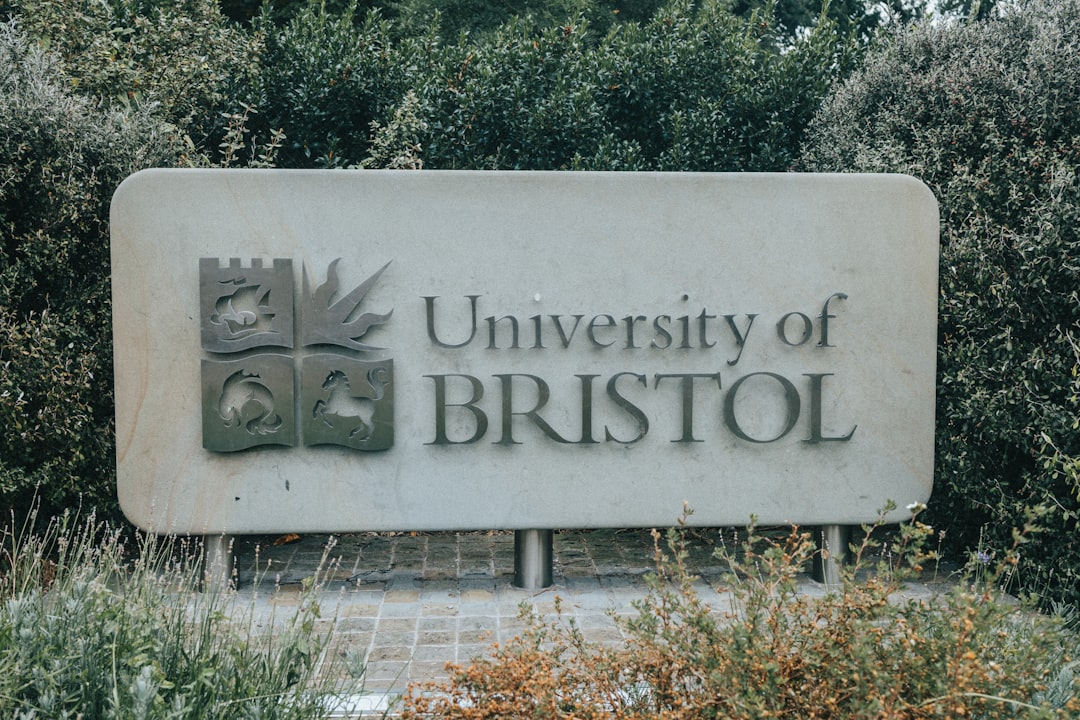
    Mumbai, India — The University of Bristol has opened its Mumbai Enterprise Campus. The first group of students started on September 11, 2026. This is the university’s first international campus, located at Cignus Powai, near the Indian Institute of Technology (IIT) Bombay. The campus aims to improve educational access for Indian students who want UK qualifications. It also seeks to encourage collaboration with local institutions.

    The Mumbai campus is part of the University of Bristol’s strategy to establish a presence in India. This plan aligns with India’s National Education Policy, which promotes global partnerships and innovative teaching. The campus will offer programs in fields like data science, finance, economics, business management, immersive arts, and entrepreneurship. This diverse curriculum will meet local job market needs and give students a global perspective.

    Expanding Access to UK Education

    The University of Bristol’s Mumbai Campus Offers New Programs

    The Mumbai campus allows students to earn UK degrees without leaving India. Programs include a Master’s in Finance and Investment. This has attracted students like Neha Kushe, a scholarship recipient who switched from Physics to finance. Neha is excited about her new academic path and the confidence it has given her. The curriculum focuses on practical skills that are useful in the Indian market, ensuring graduates are job-ready.

    Besides finance, the campus will offer courses in data science and business management. These programs respond to the growing demand for skilled professionals in these areas. The University of Bristol has also included experiential learning in its programs. Students will engage in real-world projects and internships. This hands-on approach is vital in fields like data science, where practical experience is as important as theory.

    Additionally, the University of Bristol has created a Global Mobility program for selected undergraduate students. This allows them to study part of their degree at the main campus in the UK. This initiative enriches the educational experience by exposing students to different cultures and academic environments. A recent report from Career Ahead shows that such international exposure is increasingly valued by employers, making graduates more competitive in the job market.

    Career Ahead’s analysis indicates that this initiative reflects a trend of international universities opening campuses in India. This is driven by the rising demand for global education. The partnership with IIT Bombay is significant as it supports translational research and innovative teaching. This collaboration will bridge the gap between local and international educational standards. It is expected to foster a rich exchange of ideas and resources, benefiting both institutions and their students.

    Collaboration and Opportunities for Local Educators

    Impact on Local Educational Institutions and Research

    The University of Bristol’s Mumbai campus will create new collaboration opportunities for local educators and researchers. The partnership with IIT Bombay will facilitate joint research initiatives. This will enhance the quality of education and research output at both institutions. This collaboration aligns with India’s push for innovation in education, as outlined in the National Education Policy. The policy encourages partnerships between local institutions and international universities to improve educational quality and research capabilities. The University of Bristol’s presence in Mumbai supports these goals.

    Moreover, the campus is set to boost the local economy by attracting international students and researchers. This influx can create jobs in various sectors, including education, hospitality, and services. Local businesses may see increased demand for housing, transportation, and other services for a diverse student population. The expected growth in students will invigorate the local economy and create a vibrant community around the campus.

    Career Ahead research shows that the Mumbai campus will also give local educators access to international best practices and teaching methods. This exposure can improve the overall educational landscape in India, fostering innovation and excellence in teaching. By integrating global standards into local education, the University of Bristol aims to enhance the quality of higher education in the region, making it more competitive globally.

    Bristol University Launches Mumbai Campus, Enrolls Students

    The opening of the University of Bristol’s Mumbai campus brings significant career opportunities for graduates. With programs tailored to the Indian job market, students will be better prepared for jobs in high-demand sectors like data science, finance, and entrepreneurship. This alignment with industry needs is crucial for ensuring that graduates are not only academically qualified but also possess the skills that employers seek.

    As the demand for skilled professionals in emerging fields grows, graduates from the University of Bristol’s Mumbai campus will likely find many job opportunities. This development highlights the increasing importance of global education in shaping the future workforce. The launch of the Mumbai campus is about expanding educational offerings and creating a new ecosystem for learning and collaboration that benefits students, local institutions, and the broader economy.

    As higher education evolves, the success of the University of Bristol’s Mumbai campus may inspire other international institutions to expand into India. This could reshape the future of education in the region.

    Frequently Asked Questions

    What programs can international students pursue at the University of Bristol’s Mumbai campus?

    International students can pursue programs in data science, finance, economics, business management, immersive arts, and entrepreneurship. This range of programs meets the demands of the Indian job market.

    How will the Mumbai campus affect local higher education institutions?

    The Mumbai campus is expected to foster collaboration with local institutions like IIT Bombay. This will enhance research and teaching quality and align with India’s National Education Policy, promoting innovation and educational excellence.

    Bristol University Launches Mumbai Campus, Enrolls Students

    What career opportunities will be available for graduates from the Mumbai campus?

    Graduates will benefit from strong job placement prospects in sectors like data science and finance. A UK degree combined with local industry knowledge will give them a competitive edge in the job market.