
Tag: innovation

  • How Interdisciplinary Skills Shape Sustainable Development Careers

    How Interdisciplinary Skills Shape Sustainable Development Careers

    Countries around the world are recognizing the urgent need for graduates equipped to handle complex global challenges. A recent report highlights that degrees in global sustainable development are vital for preparing students to tackle pressing issues such as climate change, social equity, and economic sustainability. These programs focus on developing interdisciplinary skills essential in our interconnected world.

    Dr. Stephanie Butcher and Dr. Ankit Kumar, educators at the University of Sheffield, emphasize the importance of understanding the links between society, economy, and environment. They argue that as sustainability challenges grow more complex, the demand for individuals who can think critically and collaborate across disciplines increases. This shift is significantly changing educational curricula and career paths.

    Interdisciplinary Skills: A Cornerstone of Sustainability Education

    Career Ahead’s analysis indicates that interdisciplinary skills are crucial for graduates in sustainable development. Traditional educational models often compartmentalize knowledge, limiting students’ ability to address complex issues effectively. Programs that integrate fields such as environmental science, social justice, and economics prepare students to think holistically about sustainability.

    For instance, addressing climate change necessitates scientific knowledge alongside insights into social policies and economic impacts. Graduates from interdisciplinary programs can analyze problems from various perspectives, enabling them to devise innovative solutions that conventional methods might overlook. Employers across diverse sectors increasingly seek this comprehensive skill set.

    Moreover, these programs emphasize critical thinking and ethical reflection, encouraging students to engage with the historical and cultural contexts of sustainability challenges. Understanding the impacts of colonialism and capitalism is vital for recognizing modern inequalities, which is crucial for developing effective and equitable solutions to global issues. According to a report from the Economic Times, graduates with these interdisciplinary skills are better prepared to contribute to a sustainable future, adept at navigating the complex web of social, economic, and environmental factors influencing global challenges.

    Experiential learning opportunities, such as fieldwork, internships, and community projects, allow students to apply their knowledge in real-world settings. These experiences not only enhance their technical skills but also develop the soft skills necessary for effective collaboration and communication. Employers value these competencies, as they are essential for driving impactful change in sustainability. Integrating hands-on experiences into curricula, as highlighted by Aii, is crucial for preparing students to face real-world sustainability challenges and devise practical solutions.

    Innovation: Driving Solutions for Sustainability

    Innovation plays a pivotal role in sustainability education, acting as a catalyst for developing new solutions to pressing global challenges. Career Ahead’s research shows that innovative thinking is essential for graduates aiming to make a meaningful impact in their fields. As sustainability issues become more intricate, traditional problem-solving methods may fall short.

    Emerging technologies, such as artificial intelligence and data analytics, offer new avenues for addressing environmental challenges. Graduates proficient in these tools can formulate more effective strategies for resource management, climate adaptation, and social equity. By integrating technology into sustainability education, students acquire the skills to leverage these innovations effectively. The ability to apply data-driven approaches is increasingly important, as organizations seek professionals capable of analyzing trends and making informed decisions based on evidence.

    Furthermore, the capacity to innovate is closely tied to collaboration. Sustainability challenges often require input from various sectors, including government, non-profits, and private enterprises. Graduates trained to work across these boundaries are better positioned to develop and implement effective, long-term solutions. As organizations prioritize sustainability, the demand for professionals who can drive innovation is critical, evident in industries such as finance, consulting, healthcare, and technology. Graduates with a solid foundation in sustainability and innovation will be in high demand.

    Preparing Graduates for Global Challenges in Sustainability

    In this context, educational institutions must cultivate a culture of innovation within their sustainability programs. Encouraging students to think creatively and challenge conventional ideas is essential for preparing them to tackle future challenges. A report from Stanford University notes that learning diverse approaches to sustainability is vital for developing a comprehensive understanding of the strategies needed to address global issues.

    Preparing for a Future in Sustainability

    As the landscape of sustainability evolves, those who can adapt and innovate will lead the way in creating solutions for a more equitable and sustainable world. Graduates in sustainable development are positioned to play a critical role in shaping the future. Their ability to navigate complex challenges will determine their success and impact in a workforce that values interdisciplinary skills and innovative thinking.

    Frequently Asked Questions

    What skills should graduates in sustainable development focus on?

    Graduates should focus on interdisciplinary skills that combine environmental science, social equity, and economic principles. Critical thinking and ethical problem-solving are also essential for addressing complex sustainability challenges.

    Preparing Graduates for Global Challenges in Sustainability

    How can educators adapt curricula to include sustainability and innovation?

    Educators can integrate experiential learning opportunities and interdisciplinary approaches into their curricula. Collaborating with industry and community organizations can provide students with practical experiences that enhance their understanding of sustainability issues.

    What are the emerging trends in sustainability education for graduates?

    Emerging trends include a greater emphasis on technology integration, interdisciplinary collaboration, and experiential learning. Programs are increasingly designed to prepare students for roles that require innovative thinking and a holistic understanding of sustainability challenges.
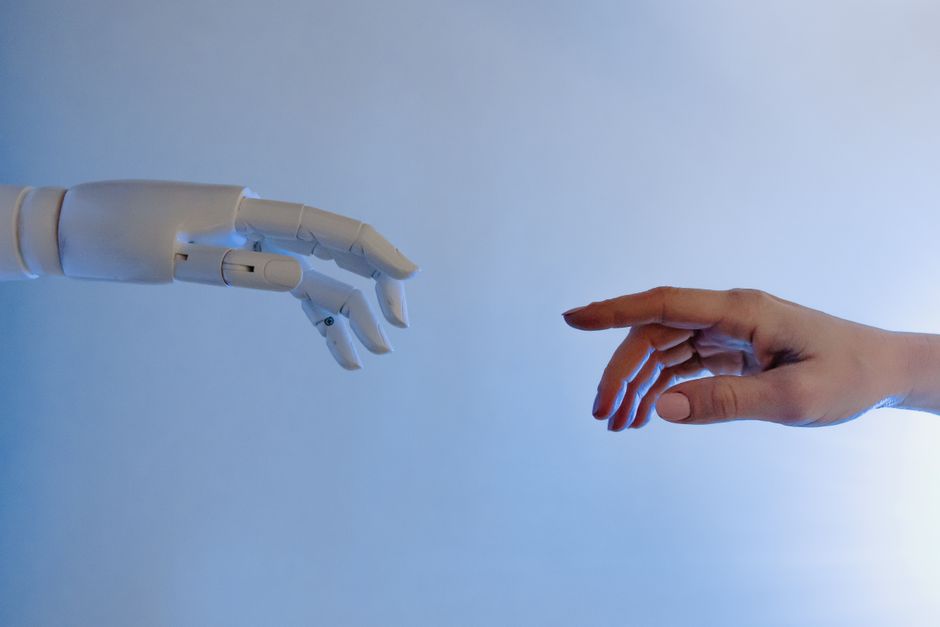

  • Microsoft Reaches Pact With Teachers Union to Keep AI in the Classroom

    Microsoft Reaches Pact With Teachers Union to Keep AI in the Classroom

    Microsoft has made a formal agreement with a teachers union. This agreement aims to improve the use of artificial intelligence (AI) tools in classrooms across the United States. Announced on September 10, 2026, the initiative will help educators integrate AI technologies into their teaching methods.

    This agreement comes at a crucial time. Educational institutions are looking for new ways to engage students and improve learning outcomes. As AI tools become more popular, the education system must adapt. The partnership between Microsoft and the teachers union shows the potential benefits of AI in education. It also sets a standard for future collaborations between tech companies and schools.

    Transforming Teaching Methodologies with AI

    Integrating AI tools in K-12 education is expected to change teaching methods significantly. Microsoft’s partnership with the teachers union highlights the need to equip educators with skills to use these technologies effectively. Career Ahead’s analysis shows that this shift will require major changes in teacher training programs, focusing on AI literacy and digital skills.

    As AI tools become more common, teachers will need training that goes beyond traditional methods. For example, tools like Microsoft Teams and Office 365 for Education help facilitate collaboration and improve learning experiences. According to Microsoft Education data, these platforms give educators resources to create interactive lessons that engage students better. Studies show that interactive learning environments can greatly enhance student retention and understanding of complex subjects.

    Another important aspect of this agreement is AI’s potential to personalize learning experiences. By using AI-driven analytics, teachers can adapt their instruction to meet each student’s needs. This personalized approach can boost student engagement and academic performance. Educators can more easily identify and address learning gaps. Microsoft’s Elevate for Educators program supports this by offering specialized training on using AI tools effectively in classrooms.

    The collaboration also aims to create a culture of innovation in schools. By working with tech companies, schools can keep up with the latest AI advancements and integrate them into their curricula. This proactive approach benefits teachers and prepares students for a future where digital literacy and AI skills are essential. As AI evolves, the education sector must remain flexible. The partnership between Microsoft and the teachers union serves as a model for using technology to enhance teaching and learning. Schools that embrace this change will likely see positive effects on teaching practices and student outcomes.

    The Role of Curriculum Development in AI Integration

    Curriculum development is crucial for successfully integrating AI into education. The partnership between Microsoft and the teachers union highlights the need for updated curricula that reflect modern AI tools’ capabilities. Career Ahead research finds that as AI technologies evolve, educational content must adapt to remain relevant and effective. Educators must be trained not only in AI tools but also in developing and implementing curricula that incorporate these technologies seamlessly.

    Educational institutions should work with technology providers to create curricula that include AI principles and applications. This collaboration can lead to courses that teach students about AI and encourage them to experiment with these technologies in practical settings. For instance, Microsoft’s Elevate for Educators program emphasizes equipping teachers with knowledge to integrate AI into lessons, fostering a more dynamic learning environment. The partnership may also lead to specialized training programs for educators. These programs can focus on teaching AI concepts and applications across various subjects, from math to science. By providing teachers with the necessary tools and knowledge, schools can ensure students receive a comprehensive education that prepares them for a technology-driven world.

    Moreover, integrating AI into curricula can enhance students’ critical thinking and problem-solving skills. Engaging with AI tools allows students to analyze data, make informed decisions, and develop innovative solutions to real-world problems. This hands-on experience is invaluable for preparing them for future careers in a digital economy. The collaboration between Microsoft and the teachers union emphasizes the importance of AI in education and the need for a comprehensive approach to curriculum development. As schools work to integrate AI tools, they must ensure their curricula reflect the changing technology and education landscape.

    Microsoft Reaches Pact With Teachers Union to Keep AI in the Classroom

    The implications of this agreement go beyond immediate classroom practices. Educators will need to adapt to new teaching strategies that incorporate AI tools effectively. This shift requires ongoing professional development and support from educational leaders. Career Ahead’s analysis suggests that schools investing in teacher training will likely see better student engagement and achievement. Additionally, the partnership sets a precedent for future collaborations between tech companies and educational institutions. As more tech firms recognize AI’s potential in education, we can expect similar agreements to emerge. This trend could lead to a more standardized approach to AI implementation in classrooms, giving educators a consistent framework for integrating technology into their teaching.

    As AI continues to develop, educators must stay informed about the latest advancements. The education sector should prioritize continuous learning and adaptation to ensure teachers can leverage AI tools effectively. This ongoing commitment to professional development will be vital in maximizing AI’s benefits in education. Looking ahead, integrating AI in classrooms may lead to significant changes in educational practices. As schools increasingly adopt these technologies, we may see shifts in the traditional roles of teachers and students. The future will likely feature more collaborative and interactive learning environments, fostering innovation and creativity among students.

    Frequently Asked Questions

    What AI tools can educators use in the classroom?

    Educators can use various AI tools, including Microsoft Teams and Office 365, to enhance collaboration and streamline lesson planning. These tools provide resources for creating interactive and engaging learning experiences.

    How does this agreement impact education policy?

    This agreement encourages educational institutions to adopt AI technologies. It prompts policymakers to consider the implications of AI integration in curricula and teacher training programs.

    Microsoft Reaches Pact With Teachers Union to Keep AI in the Classroom

    What should educators do to prepare for AI integration in their teaching?

    Educators should seek professional development opportunities focused on AI literacy and digital skills. Engaging with training programs, such as those offered by Microsoft, can help teachers implement AI tools effectively in their classrooms.

  • India Photonics Association Launches Amid AI Surge

    India Photonics Association Launches Amid AI Surge

    India’s photonics industry has made a significant leap with the formation of the India Photonics Association (IPA) on September 10, 2026. This new organization aims to boost collaboration among companies in the photonics sector, which is crucial for India’s growing AI landscape. The founders believe the domestic photonics market could reach between $6.8 billion and $7.93 billion by 2031, largely driven by AI data centers and telecom networks.

    The IPA’s creation comes at a pivotal moment as the Indian government works to strengthen local manufacturing through initiatives like the India Semiconductor Mission. This mission underscores the need for domestically produced photonics products, such as optical transceivers, essential for high-speed data transmission in AI applications. Tarun Sibal, founder of CloudPhotonix, emphasized that the photonics industry is vital for building the infrastructure necessary for AI technologies. The association also plans to address current challenges, including the shortage of skilled professionals and the integration of advanced technologies.

    Fostering Collaboration Between AI and Photonics

    The formation of the IPA opens new avenues for collaboration between AI researchers and photonics experts. This partnership is crucial as AI systems require robust, high-speed communication networks. The association aims to create a platform for researchers to share insights, develop joint projects, and tackle common challenges. The IPA’s focus on interdisciplinary collaboration is timely, given the rapid advancements in AI and the increasing reliance on photonics technologies.

    Ashwini Aggarwal, the IPA’s first director general, stated that the association will provide a unified voice for the industry, advocating for policies that support innovation and growth. This is essential as AI and photonics become more interconnected. By fostering collaboration, the IPA can help bridge the gap between these fields, enabling researchers to leverage photonics technology in their AI projects. The IPA plans to host regular workshops and seminars to discuss the latest trends and challenges in both sectors.

    Career Ahead’s analysis suggests that the IPA’s formation may lead to more interdisciplinary projects combining photonics and AI. This trend will not only enhance AI systems but also create new job opportunities for skilled professionals. As the demand for high-speed data processing grows, experts who understand the intersection of AI and photonics will be increasingly sought after. The IPA’s initiatives are expected to attract talent from various fields, enriching the ecosystem.

    Advancements in Photonics Technologies

    The IPA will play a crucial role in developing new photonics technologies essential for AI applications. As AI data centers expand, the demand for advanced photonics solutions will rise. For instance, optical transceivers are vital for fast and reliable data transmission. A report by the India Photonics Association indicates that the photonics value chain in India remains thin, particularly in advanced detectors and laser sources. This presents an opportunity for the IPA to advocate for investment in research and development, helping local companies innovate and compete globally.

    Moreover, the IPA’s efforts to enhance local manufacturing will reduce dependence on imports, a significant concern for many companies in the industry. Rohin Y., an IPA board member, stressed the importance of building a strong local supply chain to create a competitive ecosystem similar to China’s. This shift will benefit domestic companies and create jobs, driving economic growth. The association’s focus on local manufacturing aligns with the government’s goals of promoting self-reliance and reducing the trade deficit.

    Engaging the Community and Future Prospects

    As the IPA continues to grow, professionals in photonics and AI must stay informed about the latest advancements and opportunities. The association’s initiatives are likely to lead to significant innovations that can transform the industry and enhance AI systems. Additionally, the IPA plans to release regular reports on the progress and challenges in the photonics sector, keeping stakeholders engaged and informed.

    India photonics industry forms association amid AI boom

    With the IPA’s emphasis on collaboration and innovation, the future of the photonics industry in India appears promising. The association’s efforts to build a connected ecosystem will benefit existing companies and attract new players. As the demand for AI technologies rises, the photonics industry must adapt and evolve. This presents a unique opportunity for professionals to engage with the IPA and help shape this dynamic sector.

    As the IPA promotes collaboration and innovation, the intersection of AI and photonics is poised for significant growth. This development will enhance AI systems and create new opportunities for professionals in both fields. The establishment of the IPA reflects the growing recognition of photonics’ importance in the AI landscape, and its success will depend on the active participation of industry stakeholders.

    Frequently Asked Questions

    What are the benefits of joining the new photonics association?

    Joining the India Photonics Association provides professionals with access to networking opportunities, collaborative projects, and a unified voice for industry needs, enhancing career prospects and contributing to the growth of the photonics sector.

    How can AI researchers collaborate with the photonics industry?

    AI researchers can engage with the photonics industry through interdisciplinary projects facilitated by the India Photonics Association, helping to integrate photonics technologies into AI applications and driving innovation.

    India photonics industry forms association amid AI boom

    What skills are needed to work at the intersection of photonics and AI?

    Professionals aiming to work at the intersection of photonics and AI should develop skills in optical engineering, data science, and machine learning, as a solid understanding of both fields is crucial for success in this evolving landscape.