Tag: innovation in education

  • India and Bangladesh Strengthen Ties

    India and Bangladesh Strengthen Ties

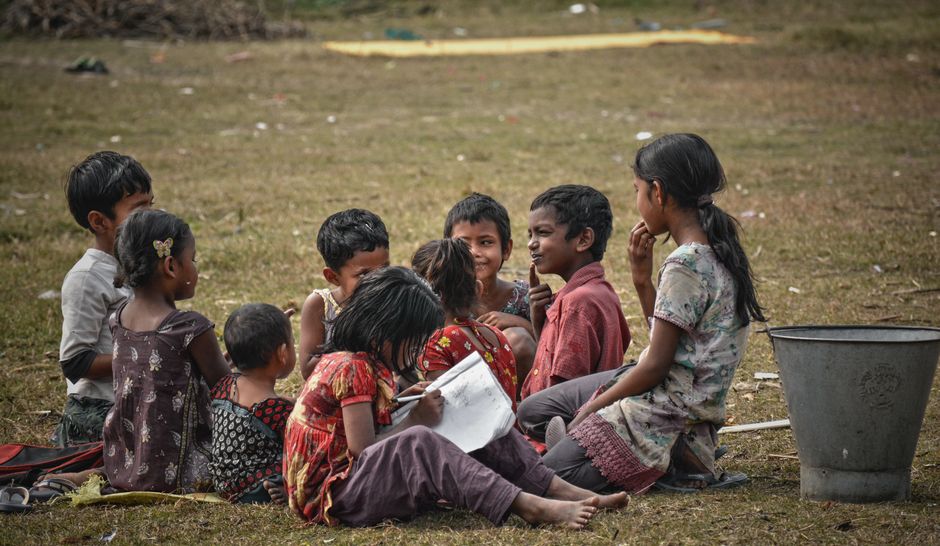
    India and Bangladesh discussed ways to strengthen their cooperation in education and technology on September 18, 2026. The meeting included Indian High Commissioner Dinesh Trivedi and Mahdi Amin, an advisor to the Prime Minister of Bangladesh. They aimed to improve bilateral relations for mutual benefit, especially in education and innovation.

    This meeting is important as both nations work to enhance their ties and partnerships across various sectors. The focus on education and technology shows a shared goal to boost innovation and tackle skill gaps in both countries.

    Funding Opportunities for Educational Programs

    A key topic was the potential increase in funding for educational programs. Career Ahead’s analysis suggests that collaboration could unlock significant financial resources for joint educational initiatives. This may include scholarships, research grants, and infrastructure development to improve educational facilities.

    Researchreinforcement.com indicates that the relationship between India and Bangladesh has grown since the Liberation War of 1971. Both nations have benefited from shared cultural and historical ties. More funding for education could strengthen this partnership and lead to new educational institutions that meet the needs of both countries.

    Additionally, focusing on educational funding aligns with the United Nations Sustainable Development Goals (SDGs). By investing in education, India and Bangladesh can work towards quality education and lifelong learning opportunities for everyone.

    As they explore funding opportunities, education policymakers in India must consider the unique needs of Bangladesh. Tailoring programs to address local challenges will be crucial for success.

    Joint funding initiatives could also encourage private sector involvement. This would lead to innovative educational solutions that use technology and local expertise.

    Joint Research Initiatives and Knowledge Exchange

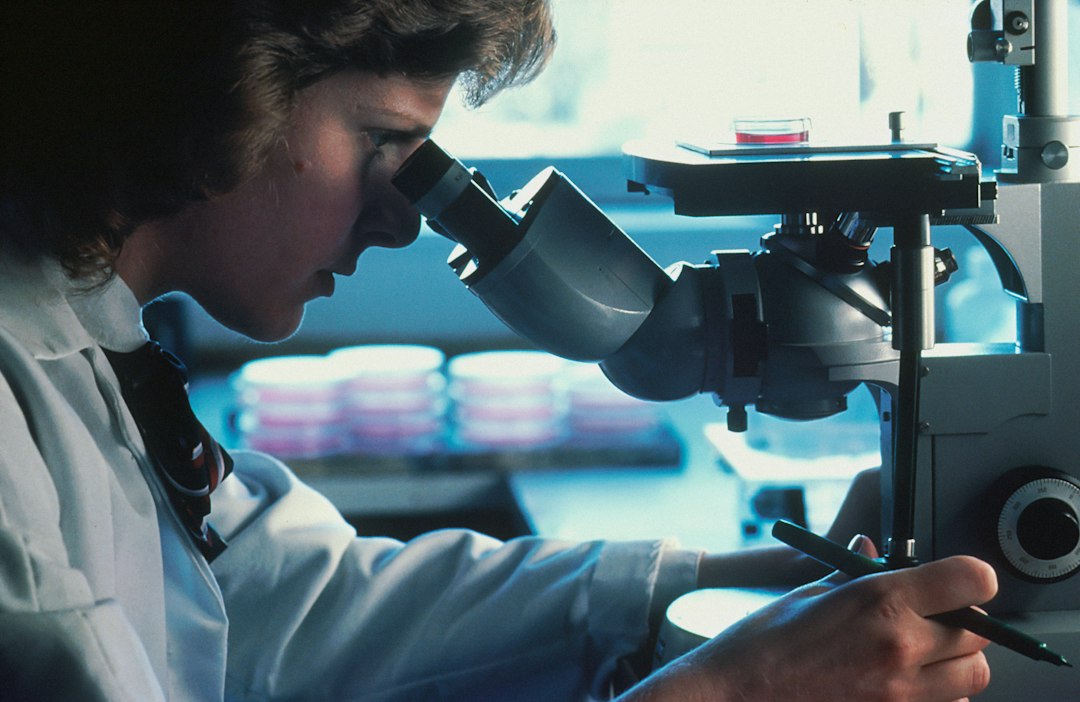
    Another important outcome of the talks is the potential for joint research initiatives between Indian and Bangladeshi universities. Career Ahead research shows that collaborative research can lead to innovations that address regional challenges, especially in education and technology.

    Establishing joint research programs can promote knowledge exchange and strengthen academic partnerships. This collaboration can improve the quality of education and research output, giving students and educators access to more resources and expertise.

    Furthermore, en.wikipedia.org highlights that India and Bangladesh have cooperated significantly in various fields, including education. By leveraging each other’s strengths, both countries can create advanced educational programs that use technology and innovative teaching methods.
    India and Bangladesh Strengthen Ties in Education and Technology

    Joint research initiatives can also enable cross-border internships and exchange programs. This allows students from both nations to gain practical experience and exposure to different educational environments. Such experience is invaluable for preparing students for the global job market.

    As these initiatives develop, both governments must support policies that promote collaboration and remove barriers to academic exchange. This will ensure that both nations benefit from joint research.

    Technology Transfer Agreements and Innovation Hubs

    The discussions also highlighted the importance of technology transfer agreements between India and Bangladesh. These agreements can greatly enhance the technological capabilities of both countries, allowing them to share resources and expertise effectively.

    Career Ahead’s analysis indicates that creating innovation hubs in both countries could drive technological advancements. These hubs can unite startups, researchers, and educators to work on projects that address local challenges and foster innovation.

    Moreover, technology transfer agreements can provide access to cutting-edge technologies for educational programs. This could lead to new curricula focusing on emerging technologies, preparing students for careers in high-demand fields.

    As both nations pursue these agreements, it is essential to ensure they are mutually beneficial. This includes addressing intellectual property rights and ensuring equal access to the benefits of shared technologies.

    In conclusion, collaboration between India and Bangladesh in education and technology offers a significant opportunity for both nations. By working together, they can enhance educational resources and foster innovation to tackle shared challenges. The future of this partnership relies on both governments’ commitment to implementing these initiatives effectively.

    Frequently Asked Questions

    What new educational programs are being developed between India and Bangladesh?

    India and Bangladesh are exploring new educational programs that enhance collaboration through funding and joint research initiatives. These programs aim to close skill gaps and improve educational outcomes in both countries.

    How can technology innovators in Bangladesh leverage Indian resources?

    Technology innovators in Bangladesh can use Indian resources through technology transfer agreements and collaborative innovation hubs. This access will enhance their projects with cutting-edge technologies and expertise.

    India and Bangladesh Strengthen Ties in Education and Technology

    What should education policymakers in India consider when collaborating with Bangladesh?

    Education policymakers in India should consider Bangladesh’s unique educational needs and contexts. Tailoring programs to address local challenges is crucial for successful collaboration and mutual benefit.
  • Interdisciplinary Skills Driving Sustainable Development Careers

    Interdisciplinary Skills Driving Sustainable Development Careers

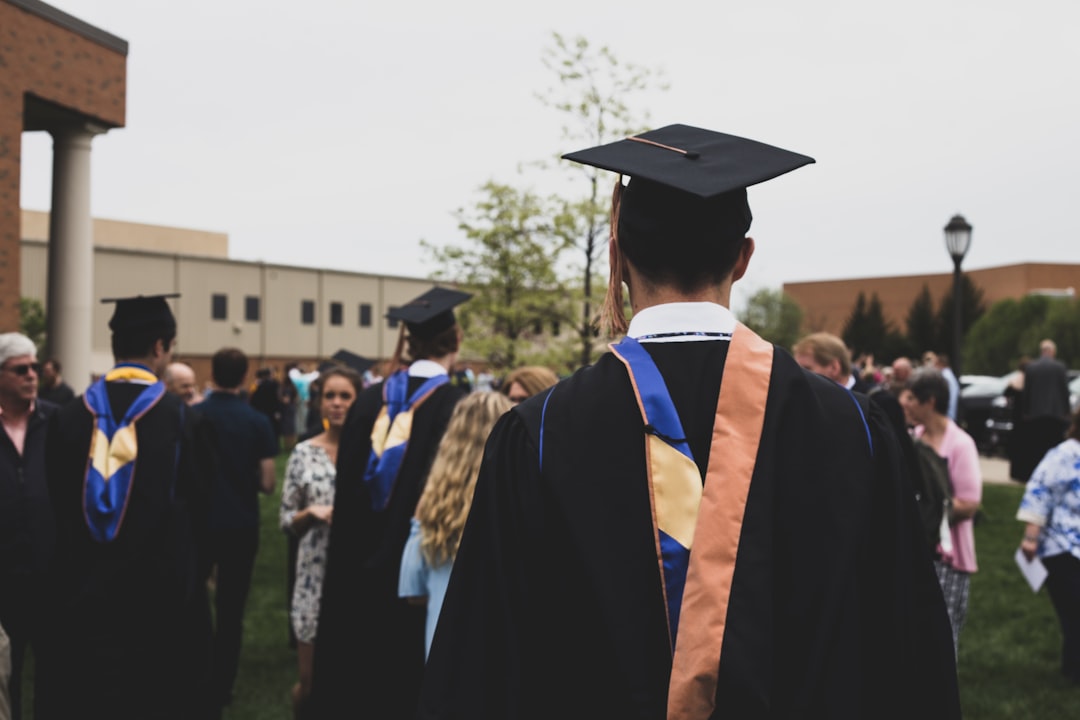
    Graduates in sustainable development face a rapidly changing world. As global challenges intensify, their education must evolve to equip them with essential skills. This transformation is critical for addressing complex issues such as climate change, social inequality, and resource management.

    The emphasis on interdisciplinary skills in sustainability education is gaining momentum. Programs are increasingly integrating various fields, enabling students to tackle multifaceted problems. This approach reflects the interconnected nature of sustainability challenges, which require collaboration across disciplines.

    Interdisciplinary Skills: A Necessity for Future Graduates

    Degrees in global sustainable development are designed to prepare students for a diverse range of careers. According to research from sustainability-directory.com, these programs emphasize critical thinking and practical problem-solving. Students learn to analyze complex issues, engage with different viewpoints, and develop innovative solutions.

    Career Ahead’s analysis finds that graduates equipped with interdisciplinary skills are more attractive to employers. Organizations across sectors are seeking individuals who can navigate the complexities of sustainability challenges. This demand is evident in roles such as sustainability consulting, environmental policy, and corporate social responsibility.

    Moreover, graduates are expected to collaborate with diverse stakeholders. This includes working alongside scientists, policymakers, and community organizations. The ability to communicate effectively and understand various perspectives is essential in driving sustainable initiatives.

    Programs focusing on global sustainable development also encourage students to reflect on ethical considerations. Understanding the historical and cultural contexts of sustainability issues is crucial. Graduates gain insights into the legacies of colonialism and capitalism, which shape modern inequalities.

    As a result, students emerge not only with technical knowledge but also with a deep understanding of the ethical implications of their work. This holistic approach prepares them to make informed decisions in their future careers.

    Innovation and Its Role in Addressing Global Challenges

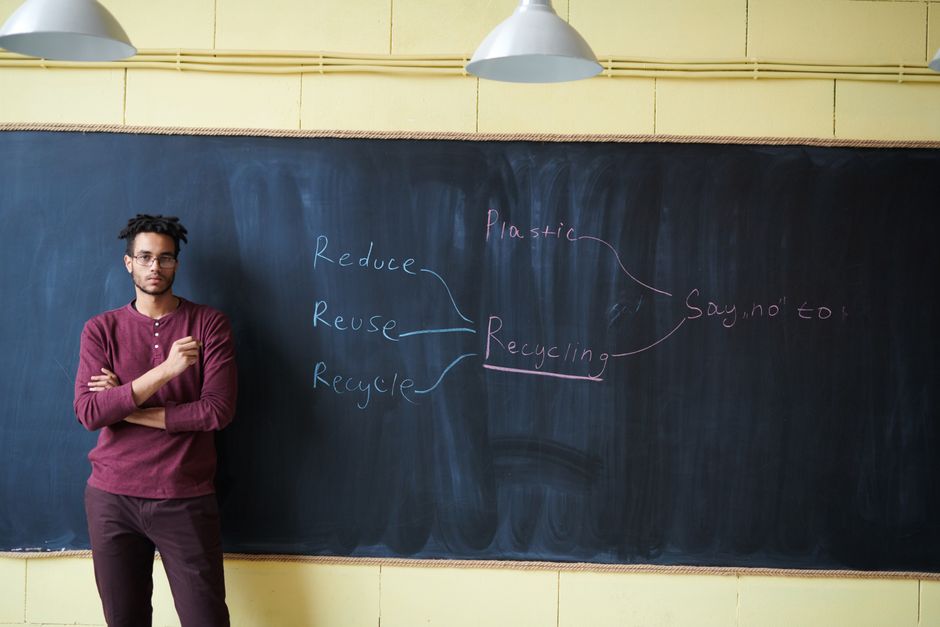
    Innovation is at the heart of sustainable development education. As the world faces pressing challenges, the need for creative solutions is paramount. Programs are increasingly incorporating emerging technologies and methodologies to prepare students for this dynamic landscape.

    According to www.bing.com, innovative teaching methods, such as problem-based learning and experiential education, are becoming more common. These approaches allow students to engage with real-world issues and develop practical skills. By working on projects that address sustainability challenges, students gain hands-on experience that enhances their employability.

    Furthermore, the integration of technology in education is reshaping how sustainability is taught. Online platforms, simulations, and collaborative tools are enabling students to connect globally. This not only broadens their perspectives but also fosters a sense of community among future leaders in sustainability.

    Graduates Gain Skills for Sustainable Innovation

    Career Ahead research identifies that as sustainability challenges become more complex, the role of innovation in education will continue to grow. Graduates who can leverage technology and think creatively will be better equipped to address the intricacies of global issues.

    As they enter the workforce, these graduates will play a crucial role in shaping sustainable practices across industries. Their ability to innovate and adapt will be essential in driving change and fostering a more sustainable future.

    In summary, the demand for graduates with interdisciplinary skills in sustainability is on the rise. As organizations increasingly recognize the importance of addressing global challenges, the need for innovative thinkers will only intensify. Graduates who can navigate the complexities of sustainability and contribute to meaningful solutions will be well-positioned for success.

    The Future of Sustainability Education

    The landscape of sustainability education is evolving rapidly. As the world grapples with climate change, resource depletion, and social injustice, educational institutions must adapt their curricula to meet these challenges. This evolution is not just about content but also about the methods of delivery and engagement.

    Institutions are beginning to recognize the importance of integrating sustainability across all disciplines. This holistic approach ensures that all graduates, regardless of their major, understand the principles of sustainability. According to lifestyle.sustainability-directory.com, such integration prepares students to think critically about their roles in society and the environment.

    Graduates Gain Skills for Sustainable Innovation

    Moreover, the collaboration between academia and industry is becoming increasingly vital. Partnerships with organizations focused on sustainability can provide students with real-world experiences and insights. These collaborations can lead to internships, research opportunities, and job placements, further enhancing graduates’ employability.

    As sustainability education continues to evolve, it is crucial for educators to stay informed about emerging trends and best practices. This includes keeping abreast of new technologies, methodologies, and ethical considerations that shape the field.

    Ultimately, the future of sustainability education lies in its ability to adapt and respond to the changing world. As challenges become more complex, the integration of interdisciplinary skills and innovative approaches will be essential for preparing graduates to lead in a sustainable future.

    Frequently Asked Questions

    What skills should graduates in sustainable development focus on?

    Graduates should focus on developing interdisciplinary skills that encompass critical thinking, problem-solving, and ethical considerations. These skills are essential for addressing the complex challenges in sustainability.

    How can educators adapt curricula to include sustainability and innovation?

    Educators can integrate sustainability topics across various disciplines, encourage experiential learning, and foster partnerships with industry to provide practical experiences for students.

    What are the emerging trends in sustainability education for graduates?

    Emerging trends include the incorporation of technology in teaching, problem-based learning, and a focus on ethical implications in sustainability practices. These trends aim to prepare graduates for the complexities of the global sustainability landscape.