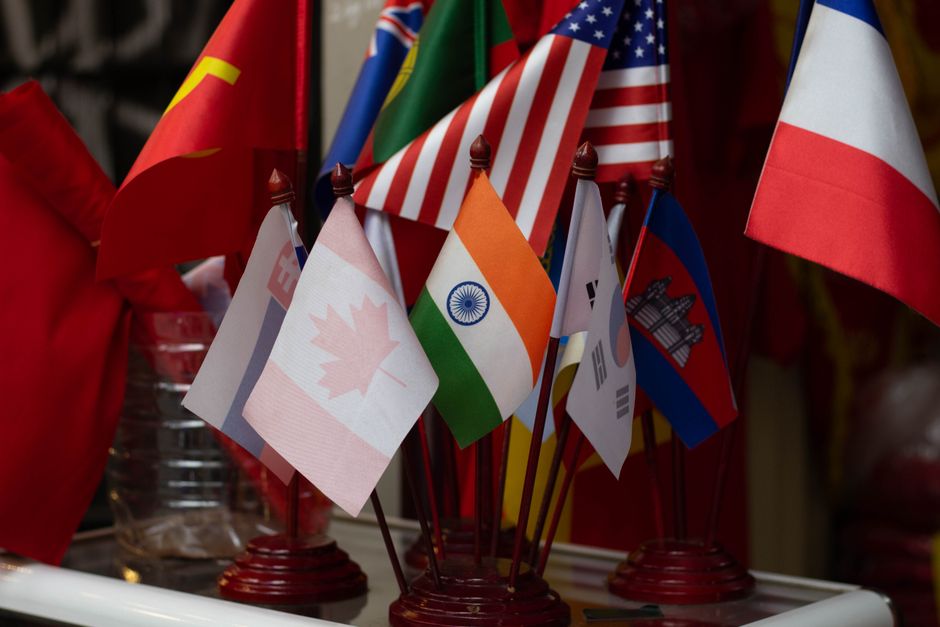
India’s trade talks with the United States have stalled, prompting concerns about potential negative effects on the Indian economy. Sanjay Malhotra, the Governor of the Reserve Bank of India, warned that the delay in finalizing the trade deal raises fears of new tariffs on Indian goods. However, he noted that recent free trade agreements (FTAs) and diversifying export markets could help lessen the impact of any tariff hikes.
The discussions between India and the US are at a critical juncture. Both countries aim to boost bilateral trade, but disagreements over concessions have stalled negotiations. Finance Minister Nirmala Sitharaman recently indicated that offering more concessions to the US would be challenging, suggesting that talks may not advance soon, creating obstacles for trade analysts and import-export managers in India.
New FTAs as a Buffer Against Tariffs
India’s recent FTAs with various countries can significantly reduce the impact of new tariffs from the US. For instance, trade agreements with Australia and the UAE aim to enhance market access and lower tariff barriers. These agreements enable Indian exporters to diversify their markets, decreasing reliance on any single country, including the US.
A report from the Indian Institute of Management Ahmedabad (IIMA) emphasizes the importance of diversifying India’s export markets for long-term economic stability. The IIMA’s research indicates that FTAs can significantly lower tariffs, making Indian goods more competitive globally, which is crucial as Indian exporters face the threat of higher tariffs from the US.
Additionally, the Economic Times highlights that the current geopolitical situation necessitates a strategic adjustment in India’s trade approach. As the US considers imposing tariffs, India must leverage its FTAs to maintain the competitiveness of its goods. This strategy can help India navigate the complexities of global trade and protect its economic interests.
Rethinking Supply Chain Strategies
The uncertainty surrounding the US trade deal is prompting Indian businesses to reassess their supply chain strategies. The Reserve Bank of India has cautioned that sectors heavily reliant on US exports may struggle if tariffs are imposed. Consequently, companies are exploring alternative supply chain routes and partnerships to mitigate risks from potential tariff hikes.
Recent trade patterns indicate that businesses are increasingly diversifying their suppliers and markets. This trend is particularly evident in sectors like textiles and electronics, where companies are forging strong ties with nations that have favorable trade agreements with India.
For example, Indian textile manufacturers are targeting markets in Southeast Asia and Africa, which show promising growth potential. By diversifying their supply chains, these companies aim to reduce their dependence on the US market and shield themselves from the adverse effects of any tariff increases.
Moreover, the RBI underscores the necessity for adaptability in supply chain management. Import-export managers must remain agile and responsive to changing trade dynamics. Those who can swiftly pivot and identify new opportunities in emerging markets will be better positioned to tackle the challenges arising from stalled US trade negotiations.
Challenges for Trade Policy Analysts
The current deadlock in US-India trade talks presents a unique challenge for trade policy analysts. Understanding the nuances of FTAs and their potential to mitigate tariff impacts is essential for informed decision-making. Analysts must closely monitor the evolving geopolitical landscape and evaluate how changes in trade policies could affect India’s economic outlook.
Research indicates that the ability to analyze and adapt to new trade agreements will be crucial for policy analysts in the coming months. As India pursues FTAs with various nations, analysts will need to assess the effectiveness of these agreements in promoting trade and economic growth.
Furthermore, the RBI’s emphasis on diversification highlights the need for a comprehensive trade strategy. Trade policy analysts should identify sectors that could benefit from new FTAs and those that might be vulnerable to tariff increases. This proactive approach will enable analysts to provide valuable insights to businesses and policymakers.
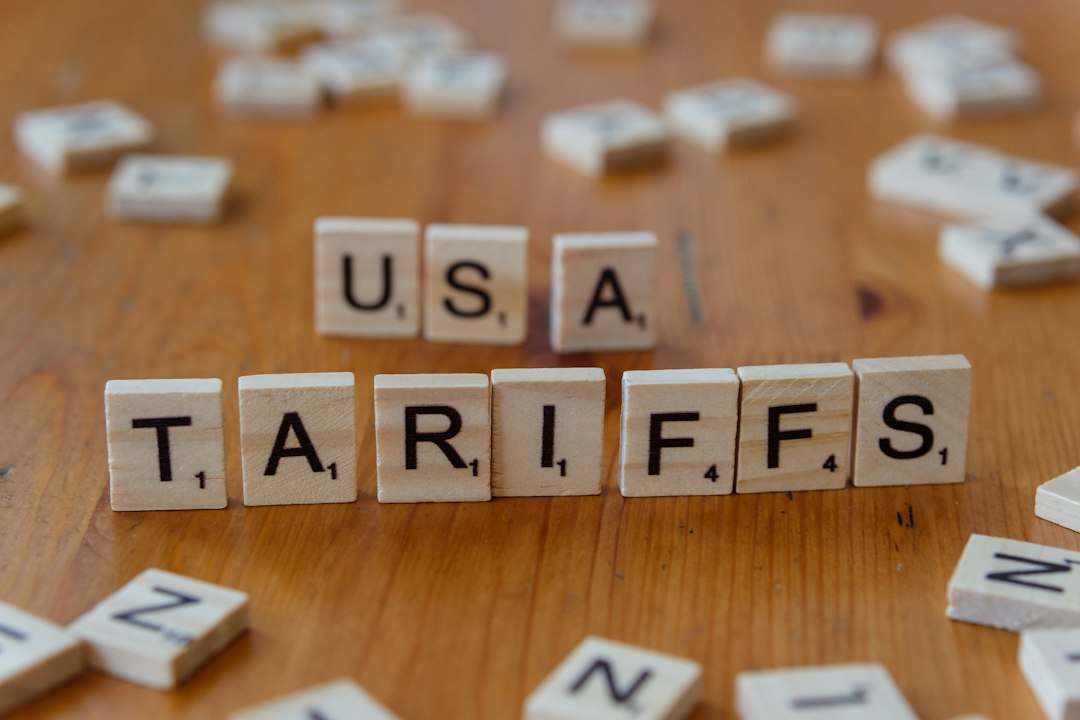
Future Considerations for Import-Export Managers
As import-export managers navigate this complex landscape, their ability to adapt and seize emerging opportunities will be vital for success. They should focus on diversifying their supply chains and exploring new markets to mitigate reliance on the US. By leveraging new FTAs, they can effectively manage potential tariff increases and maintain competitiveness in the global market.
In summary, while the stalled US trade deal poses significant challenges for India’s economy, the potential for new FTAs offers a pathway forward. The coming months will be critical as both nations reassess their positions and explore new collaboration opportunities.
Frequently Asked Questions
What are the implications of new FTAs for import-export managers?
New FTAs can significantly lower tariffs, allowing import-export managers to explore new markets and enhance competitiveness. By diversifying trade partnerships, managers can reduce risks associated with reliance on a single market.
How can trade policy analysts prepare for changes in US-India trade relations?
Trade policy analysts should closely monitor the evolving geopolitical landscape and assess the potential impacts of stalled trade negotiations. Understanding the implications of new FTAs will be vital for providing informed insights to businesses and policymakers.
What should import-export managers do about potential tariff increases?
Import-export managers should prioritize diversifying their supply chains and exploring new markets to reduce dependence on the US. By leveraging new FTAs, they can navigate potential tariff increases and maintain competitiveness in the global market.
Sources: IIMA, Economic Times, Reuters.