Tag: global trade

  • The Impact of Geopolitical Tensions on Trade Routes

    The Impact of Geopolitical Tensions on Trade Routes

    Global trade is facing major challenges due to rising geopolitical tensions. These tensions are affecting trade routes and supply chains around the world. Ed Conway’s recent discussions highlight these vulnerabilities. He emphasizes the urgent need for trade analysts and supply chain managers to adapt. As trade flows get disrupted, understanding these dynamics is crucial for effective decision-making.

    Conway’s analysis shows how geopolitical events, like conflicts and trade disputes, are changing global commerce. The fragility of trade routes is now clear. This situation forces businesses to rethink their logistics and supply chain strategies. As companies face these challenges, the effects on global trade dynamics are significant.

    Geopolitical Tensions and Trade Route Vulnerabilities

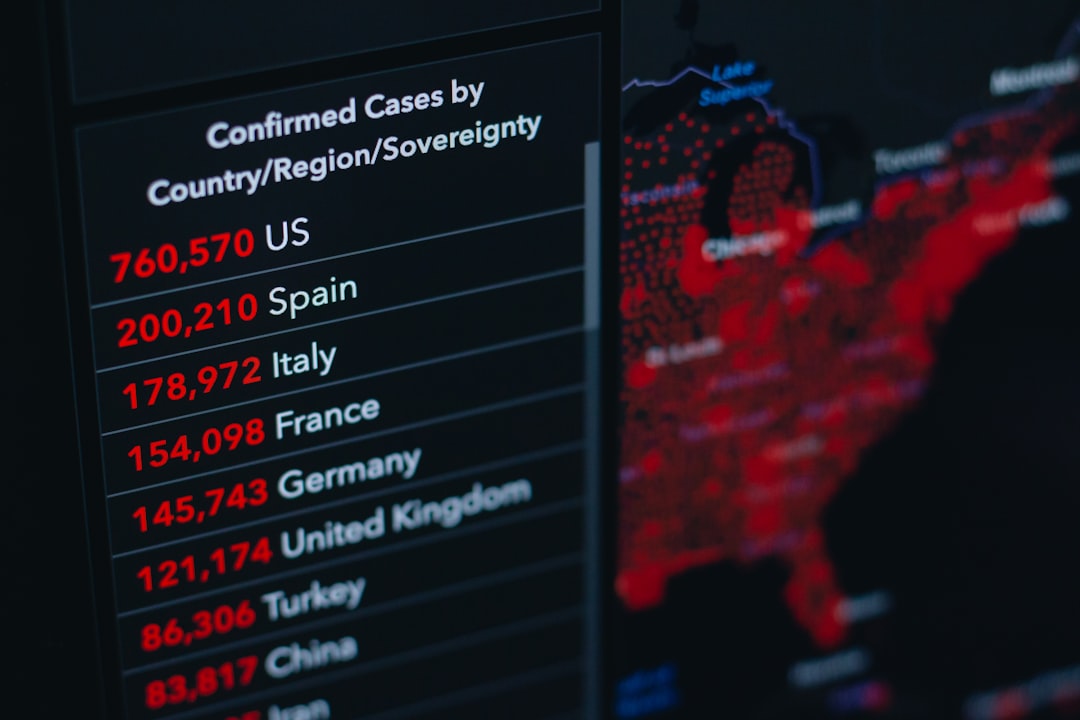
    Geopolitical tensions are changing global trade routes, making them more vulnerable to disruptions. Recent data reveals a 35% increase in supply chain disruptions over the past year. This rise is mainly due to conflicts in key areas like Eastern Europe and the South China Sea. These regions are vital for maritime trade, and instability can cause delays and higher costs.

    A report from www.bing.com states that the global outlook is fragile. Rising disorder risks affect trade flows. Companies are now looking for alternative routes and suppliers, which often raises operational costs. Trade analysts need to monitor geopolitical developments closely. This helps them anticipate disruptions and adjust their strategies.

    New trade policies are also complicating logistics. Countries are adopting protectionist measures that strain supply chains. Tariffs and export restrictions can create bottlenecks, forcing companies to rethink sourcing strategies. This changing environment requires supply chain managers to stay agile and informed.

    Career Ahead’s analysis shows that the fragility of trade routes is not just a short-term issue. The long-term effects could reshape global trade patterns, leading to a more fragmented market. As companies adapt, they may diversify their supply chains, impacting trade relationships for years to come.

    Emerging Technologies in Supply Chain Management

    Emerging technologies are crucial in addressing challenges from geopolitical tensions. Innovations like blockchain, artificial intelligence, and the Internet of Things (IoT) are enhancing supply chain management. These technologies improve transparency and efficiency. They allow real-time tracking of goods and predictive analytics, helping companies respond quickly to disruptions.

    For example, blockchain technology creates secure and transparent supply chains. This reduces the risk of fraud and delays. Companies using these technologies can manage inventory and logistics better, improving resilience against geopolitical shocks. As noted by fragile.global, integrating these technologies is vital for businesses to stay competitive in a volatile environment.

    AI-driven analytics can help companies forecast demand and optimize supply chains. By analyzing large data sets, businesses can spot risks and opportunities. This ability to adapt quickly is essential in a world where geopolitical tensions can rise unexpectedly.
    Ed Conway on the Fragile World of Global Trade

    As global trade evolves, adopting these technologies will be key for successful companies. Supply chain managers who embrace these innovations will navigate international trade complexities better and reduce risks from geopolitical tensions.

    Shifts in Trade Policies Affecting Logistics

    Shifts in trade policies further complicate the global trade landscape. Governments are enacting policies that reflect their economic priorities, often due to geopolitical pressures. These changes can significantly impact logistics and supply chains, as companies must adapt to new regulations and tariffs.

    Recent trade agreements have introduced new tariffs that affect import and export costs. Companies must navigate these complexities while trying to remain profitable. Career Ahead’s analysis shows that businesses engaging proactively with policymakers will better adapt their strategies.

    As countries focus on local production for self-sufficiency, global supply chains may face more strains. This trend could change trade relationships as companies seek localized supply chains. While this may improve resilience, it also poses challenges for global trade. Companies must balance cost efficiency with the need for adaptability.

    The implications of these policy shifts are vast. Trade analysts must monitor changes closely to ensure their organizations can respond effectively. Understanding these policies will be critical for navigating the evolving global trade landscape.

    As global trade continues to deal with geopolitical tensions, the future remains uncertain. Companies must stay agile and informed to navigate this complex environment. Adapting to new realities will be essential for success in the coming years.

    Frequently Asked Questions

    What are the latest trends in global trade disruptions?

    Career Ahead analysis shows that global trade disruptions have risen by 35% in the past year due to geopolitical tensions and conflicts in key regions. Companies are now seeking alternative routes and suppliers to reduce these risks.

    How can supply chain managers mitigate risks from geopolitical tensions?

    Supply chain managers can reduce risks by adopting emerging technologies like blockchain and AI. These tools improve transparency and efficiency, allowing companies to respond quickly to disruptions and optimize logistics.

    Ed Conway on the Fragile World of Global Trade

    What should global trade analysts focus on in the current market climate?

    Global trade analysts should monitor geopolitical developments and shifts in trade policies closely. Understanding these factors will help them anticipate disruptions and adapt their strategies effectively.


  • Replicating Singapore’s Economic Success

    Replicating Singapore’s Economic Success

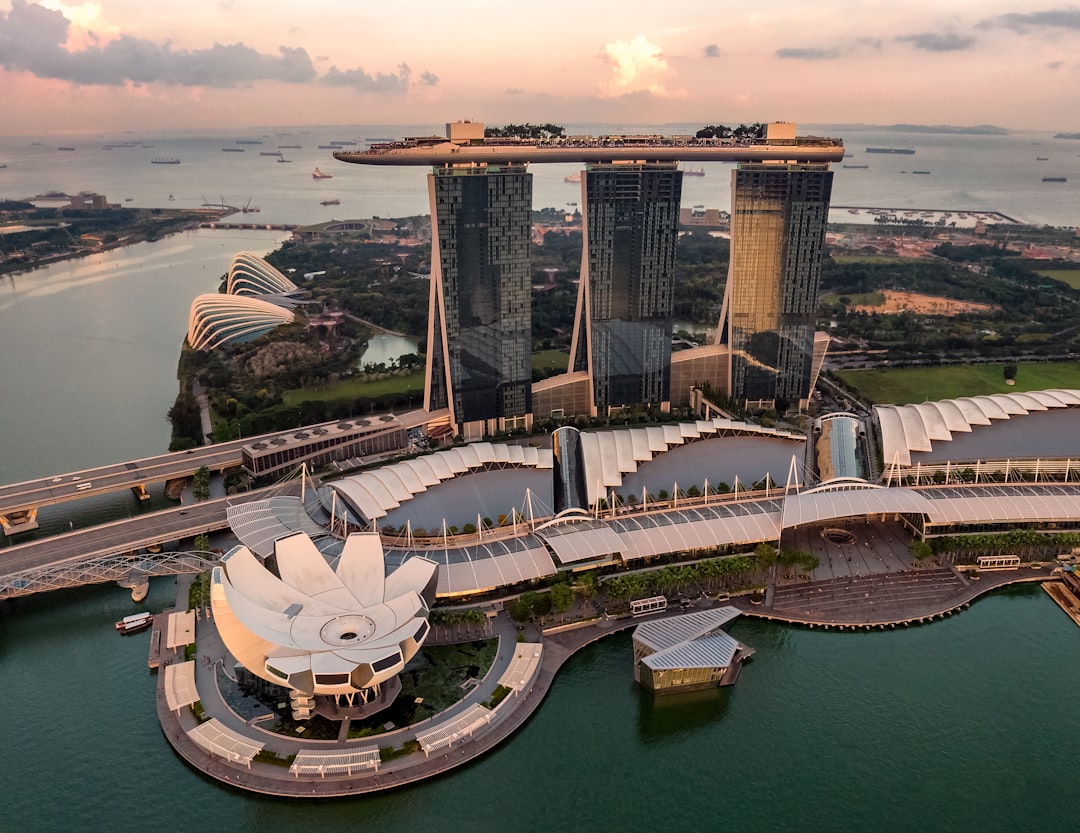
    Singapore’s economic model is facing scrutiny. Geopolitical tensions and advances in artificial intelligence are changing global trade. Recent discussions question whether other nations can replicate Singapore’s success in this new environment. As the world shifts to AI-driven economies, the effects on emerging markets and international trade are significant.

    Career Ahead’s analysis shows that integrating AI into economic strategies could change how countries pursue growth. AI impacts labor markets, productivity, and innovation. This raises questions about the sustainability of current economic models.

    AI’s Transformative Role in Economic Strategies

    Artificial intelligence is transforming economic strategies worldwide. In Singapore, AI is a key driver of productivity and innovation. The government invests heavily in AI research and development to lead in the digital economy. This aligns with findings from academia.sg, which highlights the role of technological innovation in economic competitiveness.

    However, the rise of AI also brings challenges. Automating jobs held by lower-skilled workers raises concerns about job loss and economic inequality. According to rikvin.com, Singapore’s model, which relies on a strong labor force, must adapt to ensure workers have the skills needed for an AI-driven future.

    Emerging markets aiming to replicate Singapore’s success must integrate AI into their economic frameworks. This means investing in technology and education programs that prepare workers for a digital economy. Career Ahead research shows that nations addressing these challenges will better harness AI’s benefits while reducing its risks.

    The potential for AI to enhance economic strategies is vast, but it requires careful planning. Policymakers must balance automation benefits with the need for inclusive growth. This is crucial in regions with significant economic disparities.

    Geopolitical Influences on Trade Relations

    The current U.S. political climate greatly affects international trade relations, including those with Singapore. As the U.S. adopts protectionist policies, countries relying on open trade may face new challenges. This shift could affect Singapore’s role as a key trade hub in Southeast Asia.

    Career Ahead’s analysis indicates that Singapore’s economic model, which thrives on free trade and foreign investment, must adapt to these geopolitical changes. The Monetary Authority of Singapore recently raised its 2026 economic growth forecast to 5%. This reflects a resilient economy amid global uncertainties. However, as thestar.com.my reports, maintaining this growth will require strategic adjustments to changing trade dynamics.

    Emerging markets that seek to replicate Singapore’s success must navigate these geopolitical waters carefully. Building strong trade partnerships and adapting to political changes will be essential. Countries that remain flexible and responsive to global trends are more likely to succeed.

    Replicating Singapore's Economic Success

    As nations deal with these complexities, the importance of diplomatic relations and multilateral agreements is clear. Countries prioritizing collaboration may find themselves better positioned to thrive in an uncertain global economy.

    Lessons for Emerging Markets

    Emerging markets looking to learn from Singapore’s economy need a multifaceted approach. This includes embracing technology and fostering innovation and entrepreneurship. Career Ahead’s findings suggest that countries must focus on education reform to develop a workforce ready for the digital age.

    Additionally, the focus should extend beyond technology to infrastructure development and regulatory frameworks that support business growth. Countries creating a favorable environment for startups and small businesses will be better equipped to compete globally.

    Another lesson from Singapore is the value of strategic government intervention. While markets are vital for economic development, proactive government policies can guide economies toward sustainable growth. This includes targeted investments in key sectors and support for research and development.

    As Singapore faces its own challenges in adapting to a new economic landscape, emerging markets must stay alert and responsive. Learning from Singapore’s experiences while tailoring strategies to local contexts will be crucial for success.

    As the global economy evolves, the question remains: Can Singapore’s economic model withstand the pressures of AI and geopolitical shifts? The answers may shape the future of international trade and economic strategies for years.

    Frequently Asked Questions

    How can economists assess the impact of AI on Singapore’s economic model?

    Economists can analyze labor market trends and productivity metrics to understand AI’s effects on Singapore’s economy. Career Ahead research shows that sectors relying on manual labor face the most significant challenges as AI technologies advance.

    What strategies should business leaders consider in light of U.S. trade policies?

    Business leaders must stay adaptable and explore new markets to reduce risks from U.S. protectionist policies. Career Ahead analysis suggests diversifying trade partnerships can help sustain growth in uncertain political climates.

    Replicating Singapore's Economic Success

    How can emerging markets adapt lessons from Singapore’s economy?

    Emerging markets can focus on technology integration, education reform, and infrastructure development to emulate Singapore’s success. Career Ahead’s findings indicate that fostering an entrepreneurial culture is vital for driving economic growth.