Tag: global supply chains

  • Why India’s Plantation Sector Must Embrace Global Markets

    Why India’s Plantation Sector Must Embrace Global Markets

    India’s plantation sector is at a critical juncture, with calls for it to enhance its role as a global supplier. During a conference held on September 23, 2026, in Coonoor, Amit Kumar, Joint Secretary of the Ministry of Commerce and Industry, emphasized the necessity for improved technology and the development of value-added products. This shift is essential for plantation managers and agricultural export specialists aiming to navigate the complexities of international markets.

    The focus on global supply chains comes as the sector faces increased competition and a rising demand for quality agricultural products. Kumar highlighted that the future of the plantation sector hinges on partnerships among stakeholders. Every kilogram of produce must be recognized globally for its quality and value. This transition is not merely about increasing exports; it is also about improving the livelihoods of growers by enhancing productivity and income.

    Quality Control: Meeting Global Standards

    The global market increasingly demands higher quality standards for agricultural products. According to an analysis by Career Ahead, countries importing Indian plantation products seek consistency in quality and sustainability in production methods. This shift necessitates that Indian plantation managers adopt stringent quality control measures to meet international standards.

    Quality control is not just a regulatory requirement; it serves as a competitive advantage. As the Indian plantation sector aims to penetrate global markets, ensuring that products meet consumer expectations is vital. This includes adopting better processing techniques and sustainable farming practices. The emphasis on quality aligns with global trends toward environmental sustainability and ethical sourcing, which significantly influence consumer choices.

    Moreover, technology plays a crucial role in enhancing quality control. Advanced data analytics and monitoring systems can assist plantation managers in tracking product quality throughout the supply chain. By investing in technology, they can ensure compliance with international standards and improve operational efficiency.

    Research from Career Ahead indicates that integrating quality control processes can lead to significant improvements in export performance. Plantations that implement these practices report higher market acceptance and better pricing for their products, ultimately increasing profitability.

    As the demand for quality intensifies, plantation managers must engage in continuous training and development. This includes understanding international trade regulations and quality benchmarks governing exports. By fostering a culture of quality, the sector can better position itself as a reliable supplier in the global market.

    Essential Training in Trade Regulations

    Training in international trade regulations is vital for Indian plantation managers who aspire to expand into global markets. The complexities of international trade can be daunting, with various regulations and standards differing by country. Career Ahead’s analysis reveals that a lack of knowledge in this area can create significant barriers for many growers.

    Many Indian exporters struggle to navigate these regulations, leading to delays and increased costs. Therefore, targeted training programs for plantation managers are critical. These programs should cover key areas such as export documentation, compliance with phytosanitary standards, and understanding tariff classifications.

    Collaboration with trade associations and government bodies can enhance these training initiatives. By leveraging existing resources, plantation managers can gain valuable insights and support for smoother entry into international markets. This cooperation can also help build a network of contacts beneficial for future trade opportunities.
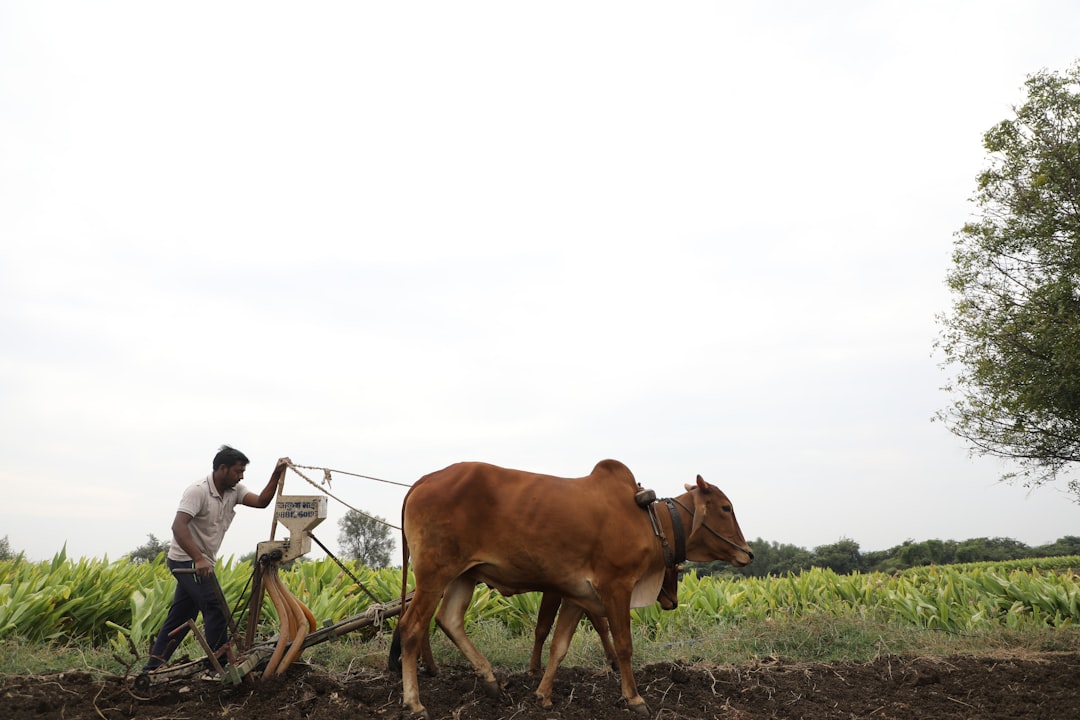
    Indian Plantation Sector Urged to Become Global Suppliers

    Career Ahead has found that regions with robust training programs in trade regulations experience a higher success rate in exports. This indicates that investing in education and training is essential for the growth of the plantation sector.

    Building Partnerships with Global Distributors

    Establishing partnerships with global distributors presents a significant opportunity for the Indian plantation sector. These collaborations can provide access to new markets, enhance brand visibility, and facilitate knowledge transfer. Career Ahead’s analysis highlights that successful partnerships often lead to increased market penetration and improved sales performance.

    Global distributors possess established networks and market insights that are invaluable for Indian exporters. By aligning with these partners, plantation managers can leverage their expertise to navigate complex market dynamics and consumer preferences. For instance, partnerships can help identify which value-added products are likely to resonate with target audiences, guiding production strategies.

    Additionally, working with global distributors can enhance the credibility of Indian plantation products. Many distributors prioritize sustainability and quality, aligning well with the growing consumer demand for ethically sourced products. This alignment can further boost the reputation of Indian products in international markets.

    Indian Plantation Sector Urged to Become Global Suppliers

    Research from Career Ahead indicates that successful partnerships are built on mutual trust and shared goals. Plantation managers should focus on developing strong relationships with distributors, ensuring that both parties benefit from the collaboration.

    Future Prospects for the Indian Plantation Sector

    The Indian plantation sector stands at a pivotal moment. As it seeks to establish itself as a global supplier, the emphasis on quality, training, and partnerships will shape its future. The question remains: will the sector rise to the challenge and seize the opportunities ahead?

    Frequently Asked Questions

    What are the best practices for exporting agricultural products?

    Best practices include maintaining high quality standards, understanding international trade regulations, and forming strategic partnerships with distributors. These elements are crucial for successful market entry and sustainability.

    Indian Plantation Sector Urged to Become Global Suppliers

    How can plantation managers ensure compliance with international trade regulations?

    Compliance can be ensured by engaging in targeted training programs covering export documentation and phytosanitary standards. Collaborating with trade associations can also provide valuable resources and insights.

    What skills do agricultural export specialists need to succeed in global markets?

    Agricultural export specialists need skills in market analysis, understanding trade regulations, and forming partnerships with global distributors. These skills are essential for navigating the complexities of international trade.

  • US-China Rivalry Shapes Tech Investments and Strategies

    US-China Rivalry Shapes Tech Investments and Strategies

    The ongoing rivalry between the US and China is changing technology investments. Recent events show how these tensions affect business decisions and investment opportunities worldwide. As both nations adopt new economic policies, it is crucial for economists, business strategists, and investors to understand their effects.

    In 2026, the US government announced stricter rules on technology exports to China. This aims to limit advanced technologies that could boost China’s military. This decision has shocked the global tech industry. Companies are now reassessing their supply chains and investment strategies. According to a PwC report, these export controls may lead to a 30% drop in US technology exports to China over the next five years. Companies will need to shift focus to other markets.

    Shifts in Global Supply Chains

    The US-China rivalry is causing major changes in global supply chains, especially in technology. Companies are rethinking their reliance on Chinese manufacturing. They are looking to diversify their supply chains to reduce risks. Many firms are moving production to countries like India and Vietnam, where labor costs are lower and tensions are less intense. This trend is a response to immediate pressures and a long-term strategy for more resilient supply chains. The World Bank reports a 15% increase in investments in Southeast Asian manufacturing facilities over the past two years as firms seek to protect against disruptions.

    Additionally, there is a growing trend of reshoring, where companies bring manufacturing back to their home countries. This is especially true in the US, where firms are focusing on domestic production to lessen reliance on foreign suppliers. This shift is expected to create many new jobs in manufacturing and related sectors, reshaping the labor market. A recent NASSCOM analysis predicts that reshoring could generate over 1 million new manufacturing jobs in the US by 2028, significantly impacting the economy.

    However, transitioning to new supply chain models comes with challenges. Companies face complex regulations and possible trade barriers. The ongoing rivalry between the US and China adds to the complications. Firms must stay agile and adaptable to rapidly changing policies and market conditions. The uncertainty around tariffs and trade agreements makes it essential for businesses to develop strong risk management strategies.

    As businesses deal with these challenges, the effects on technology investments are significant. Investors need to assess the risks and opportunities that arise from these shifts, especially in sectors like semiconductor manufacturing. The semiconductor industry is changing as companies localize production to avoid disruptions. This has led to more investments in domestic semiconductor fabs, with a projected 25% growth in the sector over the next five years.

    Emerging Market Trends Influenced by Geopolitical Tensions

    The geopolitical tensions between the US and China are creating new market trends that investors and business strategists must watch closely. One key trend is the growing focus on cybersecurity and data privacy. As tensions rise, concerns about data security and intellectual property protection are driving companies to invest heavily in cybersecurity. Career Ahead research shows that the global cybersecurity market is expected to grow by 20% annually over the next five years. Companies are prioritizing investments in cybersecurity solutions to protect sensitive data and maintain customer trust. This trend is especially important for tech firms in finance, healthcare, and e-commerce.

    In addition to cybersecurity, the rivalry is speeding up the adoption of emerging technologies like artificial intelligence (AI) and blockchain. Companies are using these technologies to improve efficiency and gain a competitive edge. For example, AI helps optimize supply chain management, while blockchain is used for secure transactions and data integrity. Integrating these technologies meets current market demands and prepares firms for future regulatory changes and competitive pressures.

    Investors are aware of these emerging trends and are adjusting their portfolios. Funds focused on technology and cybersecurity are seeing significant inflows, showing investor confidence in these sectors’ growth potential. Venture capital firms are actively seeking startups that align with these trends, promoting innovation and competition. The rise of AI-driven startups is reshaping the investment landscape, with funding in this area expected to exceed $100 billion in the coming years.

    US-China Rivalry Shapes Tech Investments and Strategies

    However, the fast pace of technological advancement also brings risks. Companies must stay alert about regulatory compliance and the ethical implications of new technologies. Navigating these complexities is crucial for maintaining a competitive edge. As businesses continue to innovate, strong governance frameworks will be increasingly important to ensure responsible technology use.

    Ultimately, the US-China rivalry is reshaping the technology investment landscape, creating challenges and opportunities for investors and business strategists. Understanding these dynamics is essential for making informed decisions in this fast-changing environment. The evolving economic relationship between the US and China will continue to impact technology investments and business strategies. As geopolitical tensions rise, companies must adapt to new realities and anticipate future developments that could reshape the market. What new strategies will emerge as firms navigate these challenges, and how will investors respond to the shifting tides of global economic relations?

    Frequently Asked Questions

    What are the implications of US-China economic policies for technology investors?

    Career Ahead analysis shows that technology investors must navigate increased regulatory scrutiny and potential trade barriers as the US and China implement stricter economic policies. This environment creates both risks and opportunities, necessitating a careful assessment of investment strategies.

    How should business strategists adapt to the US-China rivalry?

    Business strategists should focus on diversifying supply chains and investing in cybersecurity measures to mitigate risks associated with geopolitical tensions. Staying informed about regulatory changes and emerging market trends will be crucial for maintaining a competitive edge.

    US-China Rivalry Shapes Tech Investments and Strategies

    What trends should economists watch in the US-China economic landscape?

    Economists should monitor shifts in global supply chains, the growing emphasis on cybersecurity, and the adoption of emerging technologies like AI and blockchain. These trends will significantly influence economic policies and market dynamics in the coming years.