
Tag: Germany

  • US Data Centers’ Natural Gas Demand to Surpass Germany and Japan

    US Data Centers’ Natural Gas Demand to Surpass Germany and Japan

    US data centers are expected to use more natural gas than Germany and Japan combined by 2035. This surprising forecast comes as the demand for data processing and storage rises. The growth is largely driven by artificial intelligence (AI) technologies. A recent report by BloombergNEF estimates that US data centers could need about 18 billion cubic feet of natural gas daily by 2035. This is nearly double previous estimates.

    The rapid growth of data centers will make them the second-largest driver of natural gas demand. The first is liquefied natural gas (LNG) exports. Major tech companies like Meta, Microsoft, Google, and Amazon are investing in onsite natural gas power plants to meet their energy needs. This shift marks a significant change in how data centers operate, as they aim to bypass traditional power grids.

    Data Center Growth and Energy Consumption Trends

    The forecast shows that onsite-powered data centers could consume between 2.9 billion and 3.4 billion cubic feet of natural gas daily by 2035. This amount is similar to the total consumption of all data centers today, including natural gas used for grid power generation. However, the growth does not stop there. Grid-connected data centers are expected to drive an additional 15 billion cubic feet per day of consumption in the power sector.

    This demand surge is unprecedented. It represents five times more growth through 2035 than all other grid-connected sectors combined. Such a dramatic increase in natural gas consumption raises questions about sustainability and economic implications. The reliance on natural gas may not remain stable as demand escalates.

    Career Ahead’s analysis shows that this trend affects energy pricing and availability. As demand rises, natural gas prices could increase. This would impact utility rates for consumers and businesses. Higher operational costs could affect profit margins in the tech industry.

    The environmental impact of increased natural gas use is also significant. Burning natural gas releases greenhouse gases, contributing to climate change. The extra demand from data centers could generate around 1 million metric tons more greenhouse gas emissions daily. This accounts for about 12% of total U.S. emissions today.

    Data center engineers and energy analysts must understand these trends. They need to consider technical aspects of energy management, regulatory implications, and the need for sustainable practices. The shift towards onsite power generation could improve efficiency but raises questions about long-term reliance on natural gas.

    Strategies for Optimizing Natural Gas Usage

    With the expected increase in natural gas consumption, data center engineers must find new strategies to optimize energy usage. One approach is investing in energy-efficient technologies and infrastructure. This includes advanced cooling systems that can significantly reduce energy needs.

    Integrating renewable energy sources into the power mix may also help reduce dependence on natural gas. For example, using solar or wind energy can offset some demand for natural gas. Companies investing in hybrid energy solutions could lower costs and improve their sustainability profiles.

    Another key strategy is implementing energy management systems that use real-time data analytics. These systems can monitor energy consumption patterns and identify optimization opportunities. By analyzing usage data, engineers can make informed decisions that reduce waste and improve efficiency.

    US Data Centers Surpass Germany, Japan in Gas Use

    Collaboration with energy providers is essential. Data centers should work with utility companies to explore demand response programs. These programs can incentivize reduced energy use during peak periods, leading to more sustainable practices and potentially lower costs for both parties.

    Policymakers and regulatory bodies must also play a role. As natural gas demand increases, updated regulations may encourage energy efficiency and cleaner technologies. Engaging with stakeholders can help shape policies that support sustainable growth in the data center sector.

    The focus should be on creating a balanced and sustainable energy landscape that meets data center needs while minimizing environmental impact.

    Regulatory Implications for Energy Sourcing

    The rapid growth of data centers and their increasing demand for natural gas will lead to regulatory scrutiny. As energy consumption rises, regulators may impose stricter guidelines on emissions and energy sourcing. This could significantly impact data center operations and their long-term viability.

    According to tradersunion.com, the changing regulatory landscape will require data center operators to adapt quickly. Companies that do not comply with these regulations could face substantial penalties. This makes it crucial for energy analysts and managers to stay informed about policy changes.

    Moreover, rising natural gas prices due to increased demand may lead to a reevaluation of energy sourcing strategies. Data center operators might need to diversify their energy portfolios to include more renewable options. This could reduce risks associated with fluctuating natural gas prices.

    US Data Centers Surpass Germany, Japan in Gas Use

    As the energy landscape evolves, collaboration between data center operators, energy providers, and regulatory bodies will be vital. This cooperation can help develop sustainable energy practices that benefit all stakeholders.

    In summary, the implications of increased natural gas consumption by US data centers go beyond energy demands. They include economic, environmental, and regulatory challenges that industry professionals must address. As the sector grows, the focus must shift toward sustainable practices for long-term viability.

    Looking ahead, the question remains: how will data center operators navigate the challenges of rising natural gas consumption and regulatory pressures while maintaining profitability and sustainability?

    Frequently Asked Questions

    What are the implications of increased natural gas consumption for data center engineers?

    Increased natural gas consumption will require data center engineers to adopt more efficient energy management strategies. They must also stay informed about regulatory changes that could impact their operations and energy sourcing.

    How can energy analysts prepare for the projected rise in data center energy needs?

    Energy analysts should focus on understanding trends in natural gas demand and pricing. They should explore innovative energy solutions and collaborate with data center operators to develop sustainable practices.
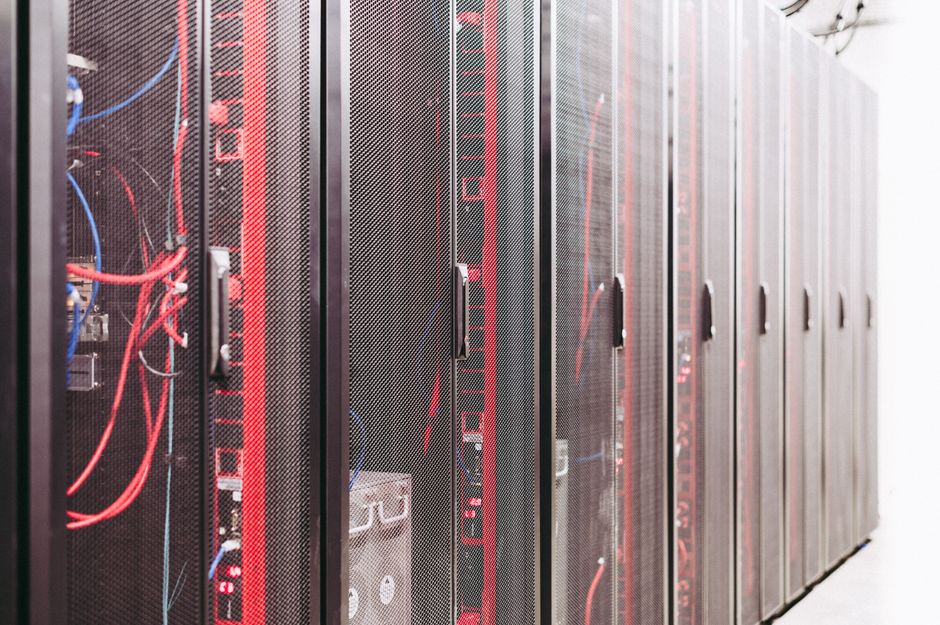
    US Data Centers Surpass Germany, Japan in Gas Use

    What strategies should cloud infrastructure managers adopt in response to changing energy consumption patterns?

    Cloud infrastructure managers should consider integrating renewable energy sources and advanced energy management systems. Collaborating with energy providers on demand response programs can also help optimize energy usage.


  • Volkswagen Ventures into Defense: Engineer Roles Open

    Volkswagen Ventures into Defense: Engineer Roles Open

    Germany’s Volkswagen is changing its factory to focus on defense manufacturing. This shift was announced on September 14, 2026. It aims to address declining automotive production while entering the growing defense sector. As Volkswagen moves from making vehicles to defense equipment, automotive engineers must adapt their skills to meet new demands.

    This transition happens amid broader trends in the European automotive industry. Manufacturers face challenges from supply chain issues and changing consumer demands. The move to defense manufacturing is a strategic response to these pressures. Volkswagen aims to secure a foothold in a sector expected to grow significantly in the coming years.

    Transitioning Skills: From Automotive to Defense Engineering

    Shifting from automotive engineering to defense manufacturing requires a big change in skills. Automotive engineers usually focus on vehicle design, safety, and efficiency. In contrast, defense manufacturing emphasizes durability, advanced technology, and strict regulations. Engineers will need to learn military standards, which differ greatly from civilian automotive requirements.

    Career Ahead’s analysis shows that engineers moving to defense roles must develop expertise in systems engineering, materials science, and advanced manufacturing techniques. For example, knowledge of composite materials will become increasingly important. Engineers may also need to learn about integrating electronic systems into defense equipment, a skill not often emphasized in automotive engineering.

    The demand for engineers in the defense sector is expected to rise sharply. A report from jobsbyculture.com indicates that defense tech startups are hiring more, with funding nearly doubling to $49 billion in 2025. This trend suggests that engineers with the right skills will find many job opportunities as they transition into this new field.

    However, the pathway to this new career landscape is not easy. Engineers will likely need retraining and upskilling programs to bridge the gap between their current skills and the demands of defense manufacturing. Companies and educational institutions must work together to create training programs that effectively address these needs.

    Job Availability and Economic Implications

    The transition at Volkswagen raises questions about job availability for automotive engineers in Germany. While moving to defense manufacturing may create new roles, it could also displace workers lacking the necessary skills. This shift might lead to a significant realignment of the workforce as engineers seek opportunities in defense.

    Career Ahead’s review of data from jobswithdod.com shows that defense spending is driving a major hiring wave in the industry. As governments increase their defense budgets, companies like Volkswagen are positioning themselves to capture a share of this growing market. This could mean more job openings in defense manufacturing but also a potential decline in traditional automotive roles.

    Moreover, the economic implications of this shift go beyond job availability. As Volkswagen reallocates resources to defense manufacturing, it may affect supply chains and partnerships within the automotive industry. Companies relying on automotive components may face challenges as suppliers adjust to the new focus on defense products.

    Volkswagen Ventures into Defense: Engineer Impact

    In this evolving landscape, engineers must be proactive in their career planning. Adapting to new technologies and requirements will be crucial for long-term success. Those who can pivot to defense manufacturing may find themselves in high demand, while others may need to explore alternative career paths.

    The overall economic landscape in Germany is also set for change. As the defense industry grows, it may lead to increased investment in related sectors, such as technology and manufacturing. This growth could create a ripple effect, benefiting engineers across various fields.

    Future Outlook: What Lies Ahead for Engineers

    The future for automotive engineers in Germany is uncertain but filled with potential. As Volkswagen’s transition unfolds, it will be essential for engineers to stay informed about industry trends and emerging technologies. The rapid growth of the defense sector presents opportunities but also requires a willingness to embrace change.

    Career Ahead’s analysis finds that engineers who actively seek training and development opportunities will be better positioned to take advantage of the new job market. As the demand for skilled workers in defense manufacturing increases, those with relevant expertise will likely earn higher salaries and enjoy better job security.

    Volkswagen Ventures into Defense: Engineer Impact

    Moreover, the shift to defense manufacturing may inspire innovation within the engineering community. As engineers tackle new challenges, they may develop groundbreaking solutions that benefit both the defense and automotive sectors. This exchange of ideas could lead to advancements in technology and manufacturing processes.

    Ultimately, Volkswagen’s transition from automotive to defense manufacturing reflects a larger trend affecting the job market in Europe. As industries evolve, workers must adapt to stay competitive. The coming years will reveal how successful this transition will be for engineers and the broader economy.

    Frequently Asked Questions

    What skills do automotive engineers need to transition to defense manufacturing?

    Automotive engineers will need skills in systems engineering, materials science, and military standards compliance. Familiarity with advanced manufacturing techniques and electronic systems integration will also be crucial for success in defense roles.

    How will job roles change for defense industry workers in Germany?

    Job roles in the defense industry will focus more on durability and advanced technology compared to traditional automotive roles. Engineers will need to adapt to new regulations and standards specific to defense manufacturing, which may require additional training.

    What should automotive engineers do about the shift to defense manufacturing?

    Automotive engineers should actively seek retraining opportunities to acquire the necessary skills for defense manufacturing. Staying informed about industry trends and emerging technologies will be crucial for navigating this transition successfully.