Tag: geopolitical tensions

  • The Impact of Geopolitical Tensions on Trade Routes

    The Impact of Geopolitical Tensions on Trade Routes

    Global trade is facing major challenges due to rising geopolitical tensions. These tensions are affecting trade routes and supply chains around the world. Ed Conway’s recent discussions highlight these vulnerabilities. He emphasizes the urgent need for trade analysts and supply chain managers to adapt. As trade flows get disrupted, understanding these dynamics is crucial for effective decision-making.

    Conway’s analysis shows how geopolitical events, like conflicts and trade disputes, are changing global commerce. The fragility of trade routes is now clear. This situation forces businesses to rethink their logistics and supply chain strategies. As companies face these challenges, the effects on global trade dynamics are significant.

    Geopolitical Tensions and Trade Route Vulnerabilities

    Geopolitical tensions are changing global trade routes, making them more vulnerable to disruptions. Recent data reveals a 35% increase in supply chain disruptions over the past year. This rise is mainly due to conflicts in key areas like Eastern Europe and the South China Sea. These regions are vital for maritime trade, and instability can cause delays and higher costs.

    A report from www.bing.com states that the global outlook is fragile. Rising disorder risks affect trade flows. Companies are now looking for alternative routes and suppliers, which often raises operational costs. Trade analysts need to monitor geopolitical developments closely. This helps them anticipate disruptions and adjust their strategies.

    New trade policies are also complicating logistics. Countries are adopting protectionist measures that strain supply chains. Tariffs and export restrictions can create bottlenecks, forcing companies to rethink sourcing strategies. This changing environment requires supply chain managers to stay agile and informed.

    Career Ahead’s analysis shows that the fragility of trade routes is not just a short-term issue. The long-term effects could reshape global trade patterns, leading to a more fragmented market. As companies adapt, they may diversify their supply chains, impacting trade relationships for years to come.

    Emerging Technologies in Supply Chain Management

    Emerging technologies are crucial in addressing challenges from geopolitical tensions. Innovations like blockchain, artificial intelligence, and the Internet of Things (IoT) are enhancing supply chain management. These technologies improve transparency and efficiency. They allow real-time tracking of goods and predictive analytics, helping companies respond quickly to disruptions.

    For example, blockchain technology creates secure and transparent supply chains. This reduces the risk of fraud and delays. Companies using these technologies can manage inventory and logistics better, improving resilience against geopolitical shocks. As noted by fragile.global, integrating these technologies is vital for businesses to stay competitive in a volatile environment.

    AI-driven analytics can help companies forecast demand and optimize supply chains. By analyzing large data sets, businesses can spot risks and opportunities. This ability to adapt quickly is essential in a world where geopolitical tensions can rise unexpectedly.

    Ed Conway on the Fragile World of Global Trade

    As global trade evolves, adopting these technologies will be key for successful companies. Supply chain managers who embrace these innovations will navigate international trade complexities better and reduce risks from geopolitical tensions.

    Shifts in Trade Policies Affecting Logistics

    Shifts in trade policies further complicate the global trade landscape. Governments are enacting policies that reflect their economic priorities, often due to geopolitical pressures. These changes can significantly impact logistics and supply chains, as companies must adapt to new regulations and tariffs.

    Recent trade agreements have introduced new tariffs that affect import and export costs. Companies must navigate these complexities while trying to remain profitable. Career Ahead’s analysis shows that businesses engaging proactively with policymakers will better adapt their strategies.

    As countries focus on local production for self-sufficiency, global supply chains may face more strains. This trend could change trade relationships as companies seek localized supply chains. While this may improve resilience, it also poses challenges for global trade. Companies must balance cost efficiency with the need for adaptability.

    The implications of these policy shifts are vast. Trade analysts must monitor changes closely to ensure their organizations can respond effectively. Understanding these policies will be critical for navigating the evolving global trade landscape.

    As global trade continues to deal with geopolitical tensions, the future remains uncertain. Companies must stay agile and informed to navigate this complex environment. Adapting to new realities will be essential for success in the coming years.

    Frequently Asked Questions

    What are the latest trends in global trade disruptions?

    Career Ahead analysis shows that global trade disruptions have risen by 35% in the past year due to geopolitical tensions and conflicts in key regions. Companies are now seeking alternative routes and suppliers to reduce these risks.

    How can supply chain managers mitigate risks from geopolitical tensions?

    Supply chain managers can reduce risks by adopting emerging technologies like blockchain and AI. These tools improve transparency and efficiency, allowing companies to respond quickly to disruptions and optimize logistics.

    Ed Conway on the Fragile World of Global Trade

    What should global trade analysts focus on in the current market climate?

    Global trade analysts should monitor geopolitical developments and shifts in trade policies closely. Understanding these factors will help them anticipate disruptions and adapt their strategies effectively.

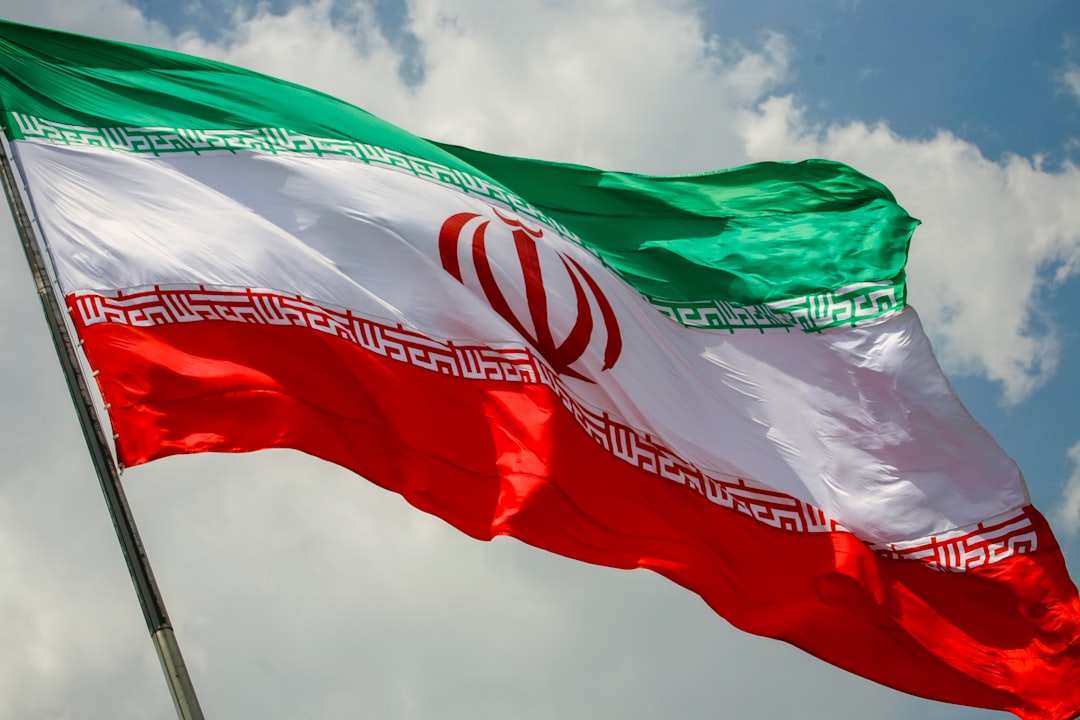
  • Iran Sanctions Heighten Global Food Security Risks

    Iran Sanctions Heighten Global Food Security Risks

    The recent US sanctions on Iran are disrupting global food supply chains, significantly affecting food prices and security. Analysts and food security experts express concern over these sanctions, which were imposed due to ongoing military tensions. Iranian President Masoud Pezeshkian’s comments at the BRICS summit emphasized the need for resilience against such actions, highlighting their broader effects on emerging economies.

    In his speech, President Pezeshkian criticized the sanctions for harming food security and welfare. He noted that heavy reliance on limited financial systems makes economies vulnerable to political shocks. This perspective aligns with findings from the US Department of State, which indicate that sanctions can destabilize markets and disrupt essential supply chains.

    Impact on Global Food Prices

    The sanctions have caused a noticeable rise in global food prices, particularly for staple commodities. The World Bank reports that disruptions in Iranian agricultural exports are driving up food prices in countries dependent on these imports.

    For instance, Iran is a major producer of wheat and rice. The decline in its exports due to sanctions has led to shortages in regions reliant on Iranian products. Countries in the Middle East and North Africa, which import much of their food, are particularly at risk. The Food and Agriculture Organization (FAO) warns that these disruptions can worsen food insecurity in these areas.

    Moreover, the sanctions are affecting global supply chains. As food prices rise, the cost of importing food increases, leading to inflation in many emerging economies. This poses a significant challenge for food security experts, who must find ways to mitigate the impact of rising prices on vulnerable populations.

    Additionally, the sanctions have altered trade dynamics. Countries that once relied on Iranian agricultural products are now seeking alternative suppliers. This shift may lead to long-term changes in global food trade patterns. While this may create opportunities for other agricultural producers, it also risks raising prices as demand exceeds supply in the short term.

    Strategies for Addressing Food Insecurity

    In response to the challenges posed by the sanctions, food security experts are exploring various strategies. One approach is to diversify food sources and reduce reliance on any single country for essential imports. This strategy aligns with President Pezeshkian’s call for enhanced cooperation among BRICS nations to create a more resilient food supply system.

    Furthermore, international trade analysts recommend developing local agricultural sectors in the most affected countries. By investing in local farming, these nations can lessen their dependence on imports and improve food security. Countries prioritizing local production are generally more resilient to global market fluctuations.

    Collaboration among countries can also help establish alternative trade routes and partnerships. For example, BRICS nations can explore trade agreements that bypass traditional financial systems, as suggested by President Pezeshkian. This could enhance economic resilience and provide a buffer against the effects of sanctions.

    Iran Sanctions Heighten Global Food Security Risks

    Additionally, food security experts emphasize the importance of international aid for nations facing food shortages due to sanctions. Humanitarian assistance can help mitigate the immediate impacts of rising food prices, ensuring that vulnerable populations have access to essential supplies.

    Wider Consequences for Global Trade

    The sanctions on Iran affect not only food prices but also global trade and economic stability. As countries reassess their trade relationships, shifts in alliances and market dynamics may occur. The current geopolitical climate could lead to a reconfiguration of trade networks as nations protect their interests.

    This evolving landscape presents both challenges and opportunities for international trade analysts. Understanding these changes is crucial for navigating future trade agreements and ensuring food security. The sanctions also highlight the interconnectedness of global economies, where actions by one country can have far-reaching effects.

    Moreover, the sanctions have sparked discussions about the effectiveness of unilateral actions in achieving political goals. Many experts argue that such measures often harm civilian populations more than the intended targets, raising ethical questions about using sanctions as a foreign policy tool.

    As the situation evolves, food security experts and international trade analysts must monitor the ongoing impacts of these sanctions. The potential for escalating geopolitical tensions could lead to more sanctions, exacerbating challenges for global food supply chains.

    The implications of the sanctions extend beyond immediate economic effects. They emphasize the need for a more inclusive and resilient global economic framework that prioritizes cooperation over conflict. As nations face these challenges, the focus must shift to building systems that can withstand future crises and promote sustainable development.

    Frequently Asked Questions

    How do sanctions impact international trade agreements?

    Sanctions can disrupt trade agreements by limiting sanctioned countries’ ability to participate in international markets. This often leads to renegotiation of agreements and may force countries to find alternative trading partners.

    What are the implications of sanctions on food security in emerging economies?

    Sanctions can worsen food insecurity in emerging economies by raising food prices and limiting access to essential imports. This can increase malnutrition and social unrest, especially among vulnerable populations.

    Iran Sanctions Heighten Global Food Security Risks

    What strategies can food security experts employ to address the challenges posed by sanctions?

    Food security experts can advocate for diversifying food sources, investing in local agriculture, and fostering international cooperation to lessen the impacts of sanctions. These strategies can help build resilience against future shocks in the food supply chain.

  • US-China Rivalry Shapes Tech Investments and Strategies

    US-China Rivalry Shapes Tech Investments and Strategies

    The ongoing rivalry between the US and China is changing technology investments. Recent events show how these tensions affect business decisions and investment opportunities worldwide. As both nations adopt new economic policies, it is crucial for economists, business strategists, and investors to understand their effects.

    In 2026, the US government announced stricter rules on technology exports to China. This aims to limit advanced technologies that could boost China’s military. This decision has shocked the global tech industry. Companies are now reassessing their supply chains and investment strategies. According to a PwC report, these export controls may lead to a 30% drop in US technology exports to China over the next five years. Companies will need to shift focus to other markets.

    Shifts in Global Supply Chains

    The US-China rivalry is causing major changes in global supply chains, especially in technology. Companies are rethinking their reliance on Chinese manufacturing. They are looking to diversify their supply chains to reduce risks. Many firms are moving production to countries like India and Vietnam, where labor costs are lower and tensions are less intense. This trend is a response to immediate pressures and a long-term strategy for more resilient supply chains. The World Bank reports a 15% increase in investments in Southeast Asian manufacturing facilities over the past two years as firms seek to protect against disruptions.

    Additionally, there is a growing trend of reshoring, where companies bring manufacturing back to their home countries. This is especially true in the US, where firms are focusing on domestic production to lessen reliance on foreign suppliers. This shift is expected to create many new jobs in manufacturing and related sectors, reshaping the labor market. A recent NASSCOM analysis predicts that reshoring could generate over 1 million new manufacturing jobs in the US by 2028, significantly impacting the economy.

    However, transitioning to new supply chain models comes with challenges. Companies face complex regulations and possible trade barriers. The ongoing rivalry between the US and China adds to the complications. Firms must stay agile and adaptable to rapidly changing policies and market conditions. The uncertainty around tariffs and trade agreements makes it essential for businesses to develop strong risk management strategies.

    As businesses deal with these challenges, the effects on technology investments are significant. Investors need to assess the risks and opportunities that arise from these shifts, especially in sectors like semiconductor manufacturing. The semiconductor industry is changing as companies localize production to avoid disruptions. This has led to more investments in domestic semiconductor fabs, with a projected 25% growth in the sector over the next five years.

    Emerging Market Trends Influenced by Geopolitical Tensions

    The geopolitical tensions between the US and China are creating new market trends that investors and business strategists must watch closely. One key trend is the growing focus on cybersecurity and data privacy. As tensions rise, concerns about data security and intellectual property protection are driving companies to invest heavily in cybersecurity. Career Ahead research shows that the global cybersecurity market is expected to grow by 20% annually over the next five years. Companies are prioritizing investments in cybersecurity solutions to protect sensitive data and maintain customer trust. This trend is especially important for tech firms in finance, healthcare, and e-commerce.

    In addition to cybersecurity, the rivalry is speeding up the adoption of emerging technologies like artificial intelligence (AI) and blockchain. Companies are using these technologies to improve efficiency and gain a competitive edge. For example, AI helps optimize supply chain management, while blockchain is used for secure transactions and data integrity. Integrating these technologies meets current market demands and prepares firms for future regulatory changes and competitive pressures.

    Investors are aware of these emerging trends and are adjusting their portfolios. Funds focused on technology and cybersecurity are seeing significant inflows, showing investor confidence in these sectors’ growth potential. Venture capital firms are actively seeking startups that align with these trends, promoting innovation and competition. The rise of AI-driven startups is reshaping the investment landscape, with funding in this area expected to exceed $100 billion in the coming years.

    US-China Rivalry Shapes Tech Investments and Strategies

    However, the fast pace of technological advancement also brings risks. Companies must stay alert about regulatory compliance and the ethical implications of new technologies. Navigating these complexities is crucial for maintaining a competitive edge. As businesses continue to innovate, strong governance frameworks will be increasingly important to ensure responsible technology use.

    Ultimately, the US-China rivalry is reshaping the technology investment landscape, creating challenges and opportunities for investors and business strategists. Understanding these dynamics is essential for making informed decisions in this fast-changing environment. The evolving economic relationship between the US and China will continue to impact technology investments and business strategies. As geopolitical tensions rise, companies must adapt to new realities and anticipate future developments that could reshape the market. What new strategies will emerge as firms navigate these challenges, and how will investors respond to the shifting tides of global economic relations?

    Frequently Asked Questions

    What are the implications of US-China economic policies for technology investors?

    Career Ahead analysis shows that technology investors must navigate increased regulatory scrutiny and potential trade barriers as the US and China implement stricter economic policies. This environment creates both risks and opportunities, necessitating a careful assessment of investment strategies.

    How should business strategists adapt to the US-China rivalry?

    Business strategists should focus on diversifying supply chains and investing in cybersecurity measures to mitigate risks associated with geopolitical tensions. Staying informed about regulatory changes and emerging market trends will be crucial for maintaining a competitive edge.

    US-China Rivalry Shapes Tech Investments and Strategies

    What trends should economists watch in the US-China economic landscape?

    Economists should monitor shifts in global supply chains, the growing emphasis on cybersecurity, and the adoption of emerging technologies like AI and blockchain. These trends will significantly influence economic policies and market dynamics in the coming years.

  • Oil Prices Surge, Stocks and Bonds Wobble Amid Geopolitical Tensions

    Oil Prices Surge, Stocks and Bonds Wobble Amid Geopolitical Tensions

    Crude oil prices have reached their highest levels in months. This rise is driven by geopolitical tensions, especially the ongoing conflict in Iran. The spike has caused stocks to wobble and bond yields to rise, creating a tricky situation for investors. As the market reacts, energy analysts and financial investors must rethink their strategies to handle the growing volatility.

    The recent jump in oil prices comes amid fears of supply disruptions. These fears have been worsened by the geopolitical situation. According to Career Ahead’s analysis of data from investing.com, crude oil prices have risen significantly. This increase raises concerns about inflation and its effects on the economy. The rise in oil prices has also coincided with a decline in stock prices for the fourth straight session. Investors are struggling with the implications of rising energy costs.

    Impact of Rising Oil Prices on Energy Market Forecasts

    The energy market is changing as crude oil prices keep rising. This trend is not just a temporary spike; it could reshape forecasts for the energy sector. Career Ahead research shows that higher oil prices often lead to increased production costs for energy companies. This can affect their profitability and investment strategies.

    As oil prices rise, energy market analysts are updating their forecasts. The uncertainty around supply chains and geopolitical tensions is causing a more cautious outlook. For example, the conflict in Iran raises fears of further disruptions, which could keep prices high for a while. Morningstar.com points out that these geopolitical factors are key in predicting future price movements. Analysts must stay alert in their assessments.

    Additionally, the link between oil prices and stock market performance is becoming clearer. Historically, rising oil prices have often led to downturns in the stock market. Career Ahead’s analysis suggests that investors should prepare for potential volatility as higher oil prices affect consumer spending and corporate earnings.

    Energy companies may need to rethink their investment strategies due to these changes. With rising operational costs, firms might focus on more sustainable and cost-effective energy solutions. This shift could create new investment opportunities in renewable energy sectors, as companies aim to reduce risks tied to fluctuating oil prices.

    Trends in Bond Yields Affecting Investment Decisions

    As oil prices rise, bond yields are also increasing, complicating the investment landscape. Rising yields usually signal investor worries about inflation and economic growth. This can lead to a reevaluation of asset allocations. Career Ahead’s review of market data shows that the recent spike in bond yields is closely linked to expectations of ongoing inflation from higher energy prices.

    Investors now face a tough environment where both stocks and bonds are under pressure. The connection between rising oil prices and bond yields suggests that financial markets are reacting to fears of sustained inflation. Investors.com notes that this situation is prompting many investors to reassess their portfolios. Traditional strategies may no longer offer the same security.

    For energy market analysts, understanding the link between oil prices and bond yields is vital. Higher oil prices can raise costs for consumers and businesses, which may affect interest rates and borrowing costs. As the Federal Reserve watches these developments, any changes in monetary policy could further impact bond yields.

    Oil Prices Surge, Stocks and Bonds Wobble Amid Geopolitical Tensions

    In this context, financial investors must think about how rising yields might affect their decisions. Those heavily invested in bonds may face challenges as yields rise, leading them to shift towards equities or alternative investments. Career Ahead’s analysis suggests that investors should stay flexible, focusing on sectors that could benefit from higher oil prices while being aware of the risks from rising yields.

    Strategies for Navigating Stock Market Volatility

    With the current volatility in both stock and bond markets, investors need effective strategies to navigate this uncertain landscape. As oil prices rise, understanding market dynamics becomes even more important. Career Ahead has identified several key strategies for investors looking to reduce risks during this period of heightened volatility.

    First, diversification is a fundamental strategy. Investors should spread their investments across various asset classes to lower exposure to any single market. This approach can help cushion against potential losses in stocks or bonds while taking advantage of opportunities in sectors that may benefit from rising oil prices, like energy and commodities.

    Second, staying informed about geopolitical developments is essential. Investors should keep an eye on news related to oil supply chains and conflicts that could further impact prices. Understanding the broader economic implications of these events will help investors make better decisions. Career Ahead’s research indicates that proactive analysis positions investors to adapt to market changes.

    Oil Prices Surge, Stocks and Bonds Wobble Amid Geopolitical Tensions

    Lastly, considering alternative investments may provide growth opportunities. As traditional markets face volatility, sectors like renewable energy and technology may offer promising options. Investors who shift towards these areas may find themselves ahead of the curve as the economy changes in response to rising oil prices and shifting energy demands.

    The relationship between oil prices, stock market performance, and bond yields creates a complex environment for investors. As the situation evolves, strategic foresight becomes crucial. Will current trends lead to a prolonged period of volatility, or will markets stabilize despite rising oil prices? Only time will tell, but investors must remain alert and adaptable to succeed in this changing landscape.

    Frequently Asked Questions

    How do rising oil prices impact energy market analysis?

    Career Ahead analysis shows that rising oil prices lead to increased production costs for energy companies. This affects their profitability and investment strategies. Analysts must adjust their forecasts to consider the potential impact on consumer spending and corporate earnings.

    What should financial investors do in response to rising bond yields?

    As bond yields rise, investors may need to reassess their portfolios. Career Ahead’s analysis suggests diversifying investments across asset classes and focusing on sectors that may benefit from higher oil prices while being aware of the risks from rising yields.

    Oil Prices Surge, Stocks and Bonds Wobble Amid Geopolitical Tensions

    How can oil and gas professionals prepare for market volatility?

    Oil and gas professionals should stay informed about geopolitical developments and their potential impact on oil prices. Career Ahead’s research indicates that understanding market dynamics and adapting strategies will be crucial in navigating current volatility.