
Tag: future of finance

  • SEC’s New Stance on Tokenization Unveiled

    SEC’s New Stance on Tokenization Unveiled

    The U.S. Securities and Exchange Commission (SEC) is taking a strong stance on tokenization. SEC official Selway believes it can transform financial markets. This announcement, made on September 22, 2026, shows the SEC’s commitment to innovation while ensuring regulatory compliance in fintech. This stance is significant for compliance officers, blockchain developers, and investment banking analysts.

    Selway’s remarks highlight the SEC’s view of tokenization as vital in modern finance. By clarifying the rules for tokenized securities, the SEC aims to help fintech firms operate legally. This move comes at a time when demand for transparency and efficiency in financial transactions is rising.

    Regulatory Clarity and Compliance Challenges

    With the SEC’s new focus on tokenization, compliance officers in fintech must get ready for changing requirements. The SEC’s statement indicates that tokenized assets will still be considered securities under federal laws. Companies dealing in these assets will need to follow existing securities regulations, including registration, disclosures, and ongoing reporting.

    Career Ahead’s analysis shows that firms may need to improve their compliance frameworks to meet these new rules. Compliance officers should expect more scrutiny from regulators as the SEC tightens oversight of tokenized transactions. This could lead to higher operational costs and a need for better compliance technology.

    Additionally, the SEC’s approach may bring new compliance requirements. Firms might need to implement advanced anti-money laundering (AML) protocols and know-your-customer (KYC) procedures for tokenized assets. Compliance teams must stay updated on regulatory changes and adapt their strategies accordingly.

    As the SEC prepares for a more regulated environment, compliance officers should also think about potential legal challenges. New regulations may lead to disputes over compliance interpretations, creating uncertainty for firms in this evolving landscape.

    Opportunities for Blockchain Developers

    The SEC’s support for tokenization brings both compliance challenges and chances for innovation in blockchain development. As the rules become clearer, developers can explore new ways to create solutions that meet regulatory demands. For example, they can design platforms for tokenized transactions that comply with SEC regulations.

    Career Ahead research shows that blockchain developers who integrate compliance features into their applications will gain a competitive edge. This includes building systems that automatically verify compliance with KYC and AML requirements, easing the burden on firms and boosting user trust.

    Moreover, the SEC’s backing for tokenization could lead to more investment in blockchain technology. Firms may invest in tools and platforms that streamline compliance processes as they adapt to the new regulatory landscape. This trend offers developers a chance to innovate and create solutions that comply with regulations while improving financial transaction efficiency.
    SEC Pushes for Tokenization Progress

    As more firms see the benefits of blockchain technology, the demand for tokenization solutions is likely to grow. Developers who create user-friendly interfaces and secure platforms for tokenized assets will be well-positioned to succeed in this expanding market.

    As the SEC’s stance on tokenization evolves, investment banking analysts must stay informed about its implications for financial markets. The introduction of tokenized securities could lead to new investment strategies and asset classes. Analysts will need to evaluate the risks and rewards of these innovations as regulatory frameworks develop.

    Additionally, analysts should consider how tokenization might change market dynamics. The ability to tokenize assets may democratize investment access, allowing more investors to enter previously exclusive markets. This shift could reshape traditional investment models and create new growth opportunities.

    Given the SEC’s focus on tokenization, analysts should also prepare for potential volatility in tokenized asset markets. As firms adjust to new regulations and the market responds, asset values may fluctuate. Analysts will play a key role in guiding investors through this evolving landscape.

    The SEC’s commitment to tokenization marks a transformative shift in finance. As compliance requirements change and new opportunities arise, industry stakeholders must remain agile and responsive. The future of tokenization in finance holds both challenges and prospects for innovation, making it an important area to watch in the coming months.

    Frequently Asked Questions

    What new regulations should regulatory compliance officers expect from the SEC?

    Career Ahead’s analysis suggests that compliance officers should prepare for increased scrutiny and new requirements for tokenized securities. This includes enhanced KYC and AML protocols tailored for these assets.

    How can blockchain developers prepare for upcoming changes in tokenization laws?

    Blockchain developers can prepare by focusing on solutions that integrate compliance features. This includes developing platforms for tokenized transactions that adhere to SEC regulations.

    SEC Pushes for Tokenization Progress

    What should investment banking analysts know about the SEC’s approach to tokenization?

    Investment banking analysts should recognize that the SEC’s focus on tokenization may lead to new investment strategies and asset classes. They must assess the risks and rewards of tokenized securities as regulatory frameworks evolve.

  • Anthropic’s Claude Tool Revolutionizes Financial Advisory Services

    Anthropic’s Claude Tool Revolutionizes Financial Advisory Services

    Anthropic has launched its Claude tool to improve analytics for financial advisors. This tool helps streamline decision-making by providing deeper insights into investment strategies. The launch took place on September 14, 2026, marking a big change in how advisors use technology to better serve clients.

    The introduction of Claude comes as the financial industry seeks to integrate artificial intelligence into its operations. By connecting advisors with advanced analytics, Claude offers a better understanding of market trends and client needs. This shift is vital as the demand for personalized financial advice continues to grow.

    AI Integration: A Game Changer for Financial Advisors

    The Claude tool is a major step forward in AI integration for financial advisory services. Using machine learning algorithms, Claude analyzes large amounts of data to provide actionable insights. This helps advisors create tailored investment strategies that match their clients’ unique financial goals.

    A report from Unite.ai states that Claude enhances the efficiency of financial advisors by automating routine data analysis tasks. This automation allows advisors to focus on building client relationships instead of getting stuck in data management. As a result, advisors can give more timely and relevant advice, which is crucial in today’s fast-paced financial world.

    Additionally, Claude’s ability to integrate with existing financial platforms boosts its usability. Advisors can easily add Claude to their current workflows, minimizing disruptions and maximizing productivity. This ease of integration is essential for advisors who may be hesitant to adopt new technologies.

    Career Ahead’s analysis highlights Claude’s potential to improve client engagement. By offering insights that are both data-driven and tailored to individual needs, advisors can build stronger relationships. This personalized approach is increasingly important as clients seek more than just generic advice; they want solutions that fit their specific situations.

    Enhancing Investment Strategies Through Data Analytics

    Investment strategies are changing, and the Claude tool is leading this transformation. By using advanced data analytics, financial advisors can make better decisions about asset allocation and risk management. The tool’s predictive capabilities help advisors anticipate market movements, giving them a competitive edge.

    According to Cryptobriefing.com, Claude’s predictive analytics can analyze historical data alongside real-time market trends. This dual analysis helps advisors spot emerging opportunities and threats. As a result, they can adjust their strategies proactively, improving investment outcomes.

    Moreover, Claude’s integration with major financial institutions, like Charles Schwab, enhances its credibility and functionality. This partnership provides a richer data set, giving advisors access to insights that were hard to obtain before. Such collaborations are vital for creating a strong ecosystem where financial advisors can thrive.

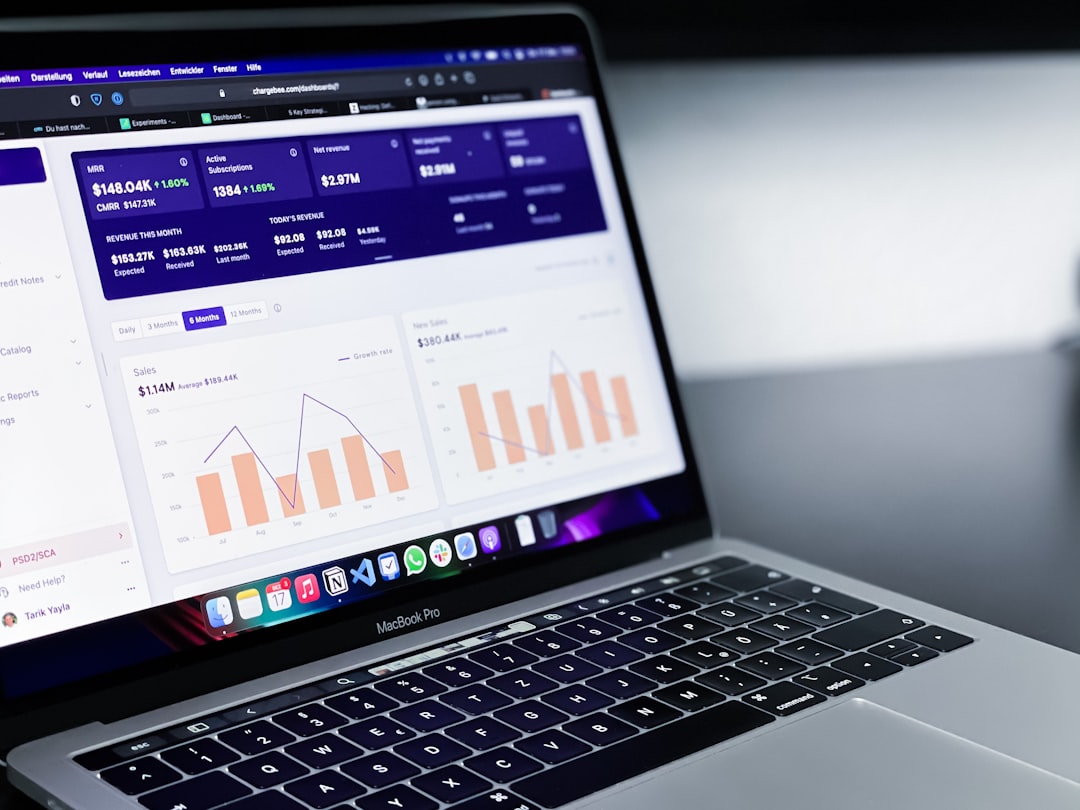
    Anthropic's Claude Tool Revolutionizes Financial Advisory Services

    The impact of this advanced analytics capability goes beyond individual advisors. As more firms adopt AI tools like Claude, the overall landscape of financial advisory services will likely change. Firms that use these tools effectively may outperform competitors who rely solely on traditional methods, setting a new standard in the industry.

    Client Engagement in the Age of AI

    Improved client engagement is one of the biggest benefits of using the Claude tool. Financial advisors who use Claude can offer personalized insights that meet their clients’ specific financial situations. This level of customization is increasingly expected by clients, who are becoming more knowledgeable about their financial choices.

    AI-driven insights enable more meaningful conversations between advisors and clients. Instead of generic updates, advisors can provide tailored reports that highlight relevant market changes and investment opportunities. This proactive approach enhances client satisfaction and builds trust and loyalty.

    Additionally, the ability to deliver real-time insights allows advisors to respond quickly to client inquiries. This responsiveness is crucial for maintaining client relationships, especially during volatile market conditions when timely advice can make a big difference.

    Career Ahead research shows that as AI tools like Claude become more integrated into financial advisory practices, client expectations will also change. Advisors will need to adapt to these changes to provide the level of service that clients now demand.

    As the financial advisory landscape evolves with technology, the question remains: how will firms balance AI integration with the human touch that is essential for client relationships?

    Frequently Asked Questions

    How can financial advisors benefit from AI tools like Claude?

    Financial advisors can use AI tools like Claude to improve their analytics capabilities. This provides deeper insights into investment strategies and enhances client engagement. Automating routine tasks allows advisors to focus on personalized client interactions.

    What skills do data analysts need to work with AI in finance?

    Data analysts in finance should have strong analytical skills and know programming languages like Python. A solid understanding of financial markets is also important. Familiarity with AI tools and machine learning concepts is essential for effective analysis.

    Anthropic's Claude Tool Revolutionizes Financial Advisory Services

    What should financial advisors do to adapt to new AI technologies in their practice?

    Financial advisors should learn about AI tools like Claude and consider integrating them into their workflows. Continuous learning and adapting to technological advancements will be crucial for staying competitive in the changing financial landscape.