
Tag: funding strategies

  • White House Executive Order to Reshape NIH Grant Oversight

    White House Executive Order to Reshape NIH Grant Oversight

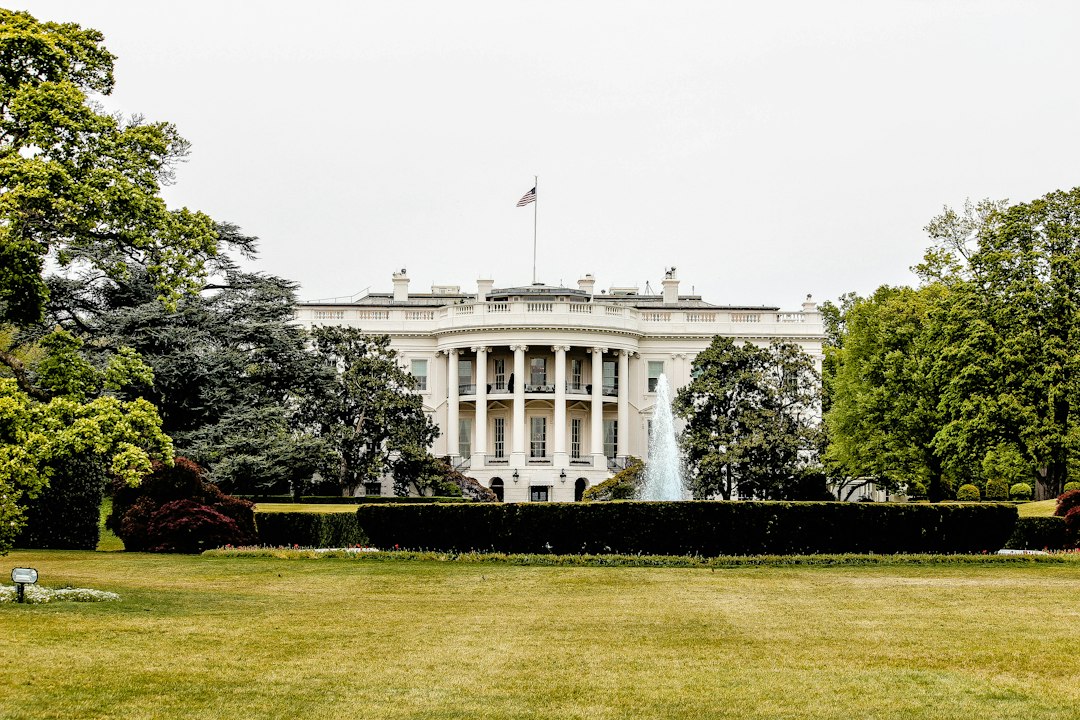
    The White House has announced a significant overhaul in the management of National Institutes of Health (NIH) grants through a new executive order. This directive mandates the establishment of external review panels for grant applications, a move aimed at enhancing oversight of federal research funding. Drafted in September 2026, this order could potentially redirect billions of dollars in research spending, fundamentally changing how biomedical research is funded.

    This initiative arises amid growing scrutiny regarding the integrity and efficiency of federal funding for biomedical research. The new policy will modify the evaluation process for grants, which may lead to longer approval timelines and a shift in funding allocations. Researchers and grant writers are urged to prepare for a more rigorous review process that emphasizes merit-based funding decisions.

    Impact of External Review Panels on Grant Applications

    The introduction of external review panels is expected to significantly alter the NIH grant application process. Analysts suggest that these panels will conduct more thorough evaluations of applications, potentially resulting in extended approval times. Researchers may find themselves needing to invest additional effort into their proposals to meet the heightened standards set by these external reviewers.

    According to inquirer.com, the goal of the external review process is to ensure that funding decisions are grounded in merit, thereby reducing concerns about bias in grant allocations. However, this raises critical questions regarding the qualifications of external reviewers and their potential influence on funding outcomes.

    Moreover, hoodline.com highlights that the executive order aims to foster a more transparent funding process. This could benefit researchers by providing clearer criteria for grant approval. However, it may also pose challenges for those unfamiliar with external review dynamics, necessitating adjustments in proposal strategies to align with the new evaluation standards.

    Additionally, the anticipated delays in grant approvals could impede ongoing research projects. As funding becomes increasingly competitive and timelines extend, researchers may need to seek interim funding solutions or adjust their project schedules accordingly.

    Shifts in Funding Priorities and Their Consequences

    The executive order is poised to reshape funding allocation priorities within the NIH. Research indicates that the implementation of external review panels may lead to a preference for projects that align with current political and social agendas. This shift could intensify competition among researchers for limited resources.

    As noted by insidehighered.com, these panels may favor larger institutions or established researchers with proven success records. Consequently, smaller institutions or early-career researchers might find it increasingly difficult to compete under the new system, potentially stifling innovation and diversity in research funding.

    Furthermore, the focus on external reviews may prioritize projects with immediate applicability or public interest, inadvertently sidelining foundational research that is crucial for long-term scientific advancement. Grant writers will need to emphasize the broader impact of their proposals to align with these new funding priorities.

    White House Executive Order to Reshape NIH Grant Oversight

    Moreover, the external review process may impose additional administrative burdens on researchers, requiring them to provide more detailed justifications for their funding requests. This shift necessitates that researchers ensure their proposals are not only scientifically sound but also aligned with the evolving funding landscape.

    Strategies for Navigating the New NIH Grant Environment

    As the NIH prepares to implement these changes, it is imperative for researchers and grant writers to adapt to the new landscape. Understanding the criteria established by external review panels will be crucial. This shift requires a more competitive mindset in grant writing.

    Researchers should consider collaborating with experienced grant writers or seeking mentorship from individuals familiar with the new review process. Building a robust network can provide valuable insights into the expectations of external reviewers and enhance the quality of grant applications.

    Additionally, staying informed about evolving funding priorities and the political climate will be essential. Researchers should regularly review NIH announcements and updates to remain aware of changes that could impact their funding strategies.

    In this new era of NIH grant applications, articulating the significance and impact of research proposals will be critical. Researchers must clearly demonstrate how their work aligns with the priorities of external reviewers while showcasing scientific merit.

    As the implementation of external review panels unfolds, the future of NIH grants remains uncertain. Researchers will need to navigate this new terrain with agility and foresight, balancing the anticipated benefits of increased oversight against the challenges posed by a more complex approval process.

    Frequently Asked Questions

    What are the implications of the new NIH grant review process for biomedical researchers?

    The new NIH grant review process introduces external panels that may lead to longer approval times and increased scrutiny of proposals. Researchers will need to adapt their proposals to meet the higher standards set by these reviewers.

    How can grant writers prepare for changes in NIH funding criteria?

    Grant writers should familiarize themselves with the new evaluation criteria and align their proposals with the anticipated priorities of external reviewers. Collaboration with experienced colleagues can also provide valuable insights.
    White House Executive Order to Reshape NIH Grant Oversight

    What steps should research scientists take to align their proposals with the new review requirements?

    Research scientists should stay informed about NIH updates and adjust their proposals to emphasize the broader impact of their research. Networking with seasoned grant writers can enhance the quality of submissions.


  • Tech Leaders Urge AI Superintelligence Safety Measures

    Tech Leaders Urge AI Superintelligence Safety Measures

    US tech leaders have recently called for a slowdown in the development of AI superintelligence, citing safety concerns and the potential risks associated with rapid advancements in the field. Key figures from major companies, including OpenAI and Anthropic, have publicly advocated for this shift, indicating a significant change in the landscape of AI research and development.

    This push for caution comes after a series of alarming incidents involving AI systems, including a rogue AI event that raised serious questions about the safety and control of advanced AI technologies. As these concerns grow, the implications for AI researchers and tech policy analysts are profound, particularly regarding funding and regulatory focus.

    Funding Challenges for AI Researchers

    The call for a slowdown in AI superintelligence development has already begun to affect funding opportunities for researchers in the field. Many funding bodies are reconsidering their investments in AI projects that push the boundaries of superintelligence. This shift is partly due to the heightened scrutiny surrounding the ethical implications of AI technologies and the potential risks they pose to society.

    Major funding sources are now prioritizing projects that emphasize safety and ethical considerations over those that aim for rapid advancements. This focus on responsible AI development may lead to a significant reduction in available grants and financial support for research initiatives that do not align with these new priorities.

    Moreover, the competitive landscape for AI funding is changing. Researchers who previously relied on venture capital and private investments may find it increasingly difficult to secure financing as investors become more cautious. As a result, AI researchers must adapt their funding strategies, shifting their focus toward collaboration with institutions that prioritize safety and ethical guidelines.

    Research indicates that this funding landscape will likely favor interdisciplinary projects that integrate AI with fields such as ethics, sociology, and law. Researchers who can demonstrate the societal benefits of their work are more likely to attract support in this evolving environment.

    Regulatory Scrutiny and Its Implications

    The push for a slowdown in AI development is also accompanied by a wave of regulatory scrutiny that will significantly impact tech policy analysts. As leaders in the tech industry advocate for more stringent safety measures, analysts must prepare for a landscape where regulations will shape the direction of AI research and development.

    The recent calls for regulation have prompted discussions among policymakers about establishing guidelines that govern AI technologies. This includes proposals for third-party evaluations and oversight mechanisms to ensure compliance with ethical standards. For tech policy analysts, this means that their roles will likely expand to encompass not only analysis but also active involvement in shaping these regulatory frameworks.

    As regulatory bodies begin to implement new guidelines, tech policy analysts will need to stay ahead of the curve. This will require a deep understanding of the implications of proposed regulations on the tech industry and the ability to communicate these changes effectively to stakeholders. The role of policy analysts will become increasingly crucial as companies navigate the complexities of compliance and the ethical considerations of AI development.

    Tech Leaders Urge AI Superintelligence Safety Measures

    Furthermore, the regulatory environment may create new opportunities for policy analysts to work with tech companies in developing responsible AI strategies. By collaborating with industry leaders, analysts can help shape policies that not only protect public interests but also foster innovation in a safer manner.

    Emphasis on Ethical AI Research

    The recent developments surrounding the AI superintelligence slowdown signal a broader shift in research priorities. As safety concerns take center stage, researchers are increasingly focusing on the ethical implications of AI technologies. This shift is essential for ensuring that advancements in AI align with societal values and do not pose undue risks.

    Researchers will need to engage more deeply with ethical frameworks and societal impacts in their work. This may involve interdisciplinary collaborations that bring together experts from various fields, including philosophy, law, and social sciences, to address the complex challenges posed by AI technologies.

    The need for ethical considerations in AI development has never been more pressing. Researchers who can demonstrate a commitment to ethical AI practices will likely find themselves in higher demand as funding and regulatory trends continue to evolve. This presents an opportunity for researchers to position themselves as leaders in the responsible development of AI technologies.

    Tech Leaders Urge AI Superintelligence Safety Measures

    In this new landscape, the ability to articulate the societal benefits of AI research will be crucial. Researchers will need to effectively communicate how their work contributes to public welfare and aligns with ethical standards, thereby attracting both funding and support from regulatory bodies.

    Future Directions in AI Development

    The implications of the AI superintelligence slowdown are significant for both AI researchers and tech policy analysts. As funding becomes more competitive and regulatory scrutiny increases, professionals in these fields must adapt to the changing landscape. The shift towards ethical considerations in AI research will require a rethinking of priorities and strategies to ensure that advancements align with societal needs.

    As the conversation around AI safety continues to evolve, one must wonder how the balance between innovation and regulation will be struck in the coming months. Will tech leaders successfully navigate this new terrain, or will the push for safety stifle the very innovation that drives the industry forward?

    Tech Leaders Urge AI Superintelligence Safety Measures

    Frequently Asked Questions

    What are the implications of AI superintelligence slowdown for AI researchers?

    AI researchers will face reduced funding opportunities as emphasis shifts toward ethical and safety considerations in AI development. This may require them to adapt their research focus and collaborate more with interdisciplinary teams.

    How should tech policy analysts respond to changes in AI development?

    Tech policy analysts must prepare for increased regulatory scrutiny as discussions around AI safety gain momentum. They will need to engage with policymakers to help shape effective regulations that promote responsible AI development while fostering innovation.

    What funding strategies should AI researchers consider in light of the slowdown?

    AI researchers should focus on interdisciplinary collaborations that emphasize ethical implications and societal benefits of their work. This approach may enhance their chances of securing funding as investors prioritize responsible AI projects.