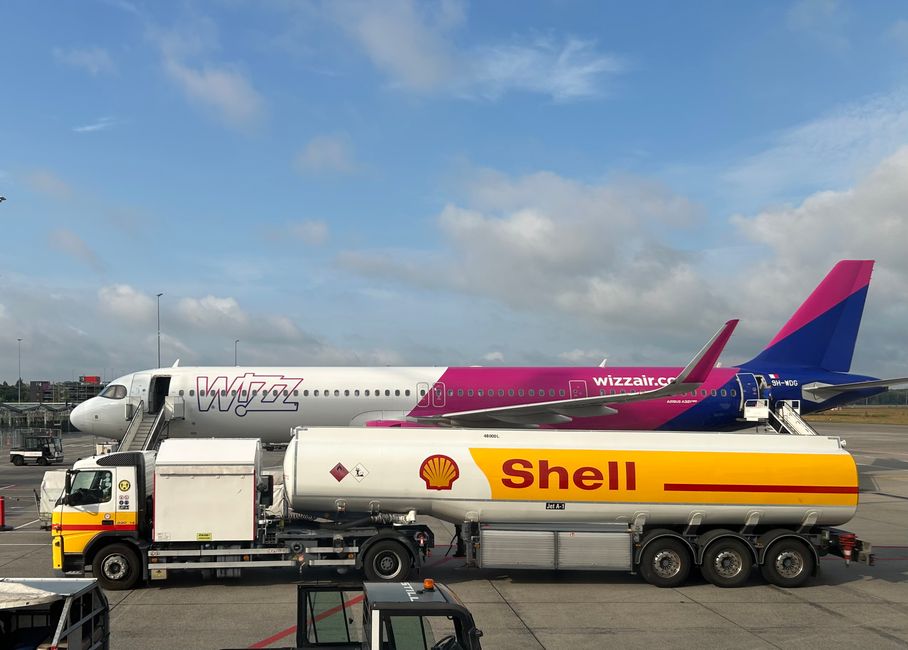
Airlines are facing a staggering $100 billion increase in jet fuel costs this year, prompting industry executives to declare that airfare hikes are inevitable. This situation arises as the aviation sector grapples with escalating fuel prices, projected to be about 70% higher than last year. The International Air Transport Association (IATA) has indicated that collective industry profits are expected to halve, dropping to $23 billion as carriers struggle to manage this financial burden.
The ongoing geopolitical tensions, particularly the conflict in Iran, have severely disrupted oil supplies. This disruption has led to a spike in fuel prices, making it more challenging for airlines to maintain profitability. As a result, many carriers are forced to pass these costs onto consumers, leading to higher ticket prices across the board.
Financial Implications for Airlines
The financial strain caused by rising fuel prices is profound. Airlines are already operating on thin margins, and the additional burden of increased fuel costs threatens their viability. According to data from bgodinspired.com, some airlines may struggle to survive this fuel price shock, particularly those already facing financial difficulties. The IATA has warned that the industry could see significant market consolidation as weaker carriers are unable to cope with the financial pressures.
Career Ahead’s analysis finds that the anticipated fare increases will not only affect consumer travel budgets but also have broader implications for the airline industry. Executives must now consider how to balance pricing strategies with the need to remain competitive in a tightening market. The potential for fare hikes could deter some consumers from flying, leading to reduced demand and further complicating the financial landscape for airlines.
In light of these challenges, airlines are exploring various strategies to mitigate the impact of rising fuel costs. Some are investing in more fuel-efficient aircraft or optimizing flight routes to reduce fuel consumption. Others may consider hedging fuel prices to protect against future increases. However, these measures require significant upfront investment and may not be feasible for all carriers.
The situation is further complicated by the fact that fuel prices are notoriously volatile. Airlines must remain agile in their pricing strategies to respond to fluctuations in fuel costs. This volatility adds an additional layer of uncertainty to financial forecasting and strategic planning within the industry.
As airlines adjust to these new realities, the competitive landscape is likely to change. Larger carriers may seize the opportunity to acquire struggling airlines, leading to a more consolidated market. This shift could reshape the industry, impacting everything from pricing strategies to service offerings.
Market Dynamics and Consumer Impact
The impending fare increases will have significant implications for consumers. With airlines passing on the costs associated with higher fuel prices, travelers may find themselves paying more for flights. This increase could lead to a decline in travel demand, particularly among price-sensitive consumers. According to upstract.com, the projected rise in airfare could deter families and leisure travelers, who may opt for alternative modes of transportation or postpone their travel plans altogether.
Furthermore, the rise in airfare could impact the overall travel industry, including hotels, rental cars, and vacation packages. As airfare becomes more expensive, consumers may adjust their spending in other areas, leading to a ripple effect throughout the tourism sector. This could result in lower occupancy rates for hotels and reduced revenue for travel-related businesses.
Airlines will also need to navigate the potential for negative consumer sentiment. Increased fares may lead to public backlash, especially if consumers perceive the price hikes as excessive or unjustified. Airlines must communicate transparently about the reasons behind fare increases to maintain customer trust and loyalty.
In this challenging environment, the ability to adapt quickly will be crucial for airlines. Executives must closely monitor market trends and consumer behavior to make informed decisions about pricing and capacity. The next few months will be critical as airlines respond to these challenges and seek to stabilize their operations.
Despite the challenges posed by rising fuel prices, there may be opportunities for innovation within the industry. Airlines that can effectively leverage technology to enhance operational efficiency may gain a competitive edge. For instance, advancements in data analytics and artificial intelligence could help airlines optimize flight schedules and reduce operational costs.
As the industry evolves, it will be essential for airline executives to remain vigilant and proactive in their strategies. The potential for market consolidation may lead to a reshaping of the competitive landscape, with implications for pricing, service quality, and overall consumer experience.
The aviation industry is at a crossroads, with rising fuel costs creating both challenges and opportunities. As airlines navigate this complex landscape, the decisions made in the coming months will have lasting implications for the future of air travel.
Frequently Asked Questions
What strategies can airline executives implement to mitigate rising fuel costs?
Airline executives can explore various strategies, such as investing in fuel-efficient aircraft, optimizing flight routes, and hedging fuel prices. These measures can help reduce operational costs and improve financial stability in the face of rising fuel expenses.
How do fuel prices impact the financial forecasts for airlines?
Rising fuel prices significantly affect financial forecasts for airlines by increasing operational costs and reducing profit margins. As fuel expenses rise, airlines may need to adjust their pricing strategies to maintain profitability, impacting overall financial performance.

What should aviation investors consider in light of rising operational costs?
Aviation investors should closely monitor the financial health of airlines, particularly those with higher exposure to fuel price volatility. Understanding how airlines are managing rising costs and their competitive positioning in the market will be crucial for making informed investment decisions.