Tag: financial stability

  • Oriental Insurance hopes to turn corner in FY27 assisted

    Oriental Insurance hopes to turn corner in FY27 assisted

    Oriental Insurance Company has announced its intention to launch an initial public offering (IPO) aimed at facilitating a profitable turnaround by fiscal year 2026-27. The company plans to offer approximately 49.57 lakh shares through the National Stock Exchange (NSE), with subscriptions set to commence on September 17. This strategic move is expected to enhance the insurer’s financial stability and liquidity, marking a pivotal moment for the company and the broader insurance market.

    This IPO is particularly significant given the current financial landscape in India, where insurance companies are increasingly seeking ways to bolster their capital reserves and improve operational efficiency. The planned stake dilution is a response to the competitive pressures within the insurance sector, where firms must adapt rapidly to changing market conditions and customer expectations. As noted by the Economic Times, this strategic maneuver is expected to allow Oriental Insurance to turn a corner in its financial performance.

    Implications of IPO on Insurance Market Dynamics

    The introduction of Oriental Insurance’s IPO could lead to a transformation in the insurance market dynamics. By increasing liquidity, the IPO may attract more investors, thereby enhancing the overall competitiveness of the sector. Career Ahead’s analysis indicates that increased liquidity will allow insurance companies to invest more in technology and innovation, ultimately improving service delivery and customer satisfaction. This is particularly relevant as the industry faces the dual challenge of rising claims and the need to modernize operations to meet consumer expectations.

    Moreover, with the influx of capital from the IPO, Oriental Insurance can strengthen its underwriting capabilities and risk management practices. This is crucial as the insurance industry faces rising claims and increasing competition from both traditional insurers and new entrants leveraging technology. The ability to manage risks effectively will be a determining factor for survival and growth in this evolving landscape. As highlighted by BBC News, the insurance sector is at a crossroads, and the ability of companies like Oriental Insurance to adapt will be key to their success.

    Furthermore, the IPO may signal a broader trend within the insurance industry, where companies seek to become publicly traded to access capital markets more effectively. This shift could lead to a wave of IPOs in the sector, as firms look to enhance their financial positions and compete more aggressively. As a result, financial analysts in the insurance space will need to closely monitor these developments to assess their impact on market stability and investor confidence. The anticipated IPO of Oriental Insurance could serve as a benchmark for other companies contemplating similar moves, potentially reshaping the competitive landscape of the insurance market.

    However, the potential for stake dilution raises concerns about shareholder value. Existing shareholders may experience a reduction in their ownership percentage, which could lead to apprehensions about the long-term value of their investments. Career Ahead research finds that while dilution is a common aspect of IPOs, the strategic use of raised funds can ultimately benefit shareholders if managed effectively. The key will be how Oriental Insurance communicates its strategy and the expected outcomes of the IPO to its investors.

    Financial Stability Improvements for Oriental Insurance

    Oriental Insurance’s IPO is expected to significantly improve its financial stability. The funds raised will enhance its solvency margins, allowing the company to meet regulatory requirements more comfortably. This is particularly important in the insurance sector, where maintaining adequate solvency is crucial for protecting policyholders and sustaining operations. The ability to maintain a strong solvency position is not just a regulatory requirement but also a critical factor in building consumer trust and confidence in the brand.

    Additionally, the increased capital will enable Oriental Insurance to expand its product offerings and enter new markets. With a stronger financial foundation, the company can invest in innovative insurance products that cater to the evolving needs of consumers. This adaptability is vital in a market where customer preferences are shifting rapidly, influenced by technological advancements and changing economic conditions. The IPO could also provide the necessary resources for Oriental Insurance to enhance its digital capabilities, which are becoming increasingly important in today’s insurance landscape.

    Moreover, the IPO will likely enhance Oriental Insurance’s brand visibility and credibility in the market. As a publicly traded entity, the company will be subject to greater scrutiny and transparency, which can bolster consumer trust. This is essential in an industry where reputation plays a critical role in attracting and retaining customers. The increased visibility could also attract a new demographic of investors who are keen on supporting companies that demonstrate a commitment to growth and innovation.

    Oriental Insurance hopes to turn corner in FY27 assisted

    In the long run, these improvements in financial stability are expected to translate into better service delivery and enhanced customer experiences. Insurance professionals should note that companies with robust financial health are better positioned to invest in customer service initiatives, ultimately leading to higher satisfaction rates among policyholders. As the insurance market evolves, the ability to provide exceptional customer service will be a key differentiator for companies looking to thrive.

    In conclusion, the implications of Oriental Insurance’s IPO extend beyond the company itself, potentially reshaping the insurance market landscape. As the company prepares for this significant milestone, industry professionals and analysts must remain vigilant to the evolving dynamics and their implications for the future of insurance in India. The upcoming IPO not only represents a critical juncture for Oriental Insurance but also serves as a potential catalyst for broader changes within the industry.

    As the IPO date approaches, the insurance sector will be watching closely to see how Oriental Insurance navigates this critical transition. Will it set a precedent for other insurers, or will it face challenges that could hinder its growth? The answers to these questions will shape the future of the industry.

    Frequently Asked Questions

    What are the implications of Oriental Insurance’s IPO for industry professionals?

    Career Ahead’s analysis shows that Oriental Insurance’s IPO could lead to increased competition in the insurance sector, prompting professionals to adapt to new market realities. This shift may require a reevaluation of strategies and a focus on innovation to remain relevant.

    How does stake dilution impact financial analysts in insurance?

    Stake dilution can complicate the valuation of insurance companies for financial analysts. Career Ahead research indicates that understanding the long-term benefits of capital raised through IPOs is essential for accurate assessments of a company’s future performance.

    Oriental Insurance hopes to turn corner in FY27 assisted

    What should insurance professionals consider regarding upcoming IPOs?

    Insurance professionals should closely monitor the strategies employed by companies like Oriental Insurance in their IPO processes. Career Ahead identifies that understanding the implications of capital raised can inform better decision-making and strategic planning in the industry.

  • Why a 780 Credit Score Doesn’t Guarantee Home Loan Approval

    Why a 780 Credit Score Doesn’t Guarantee Home Loan Approval

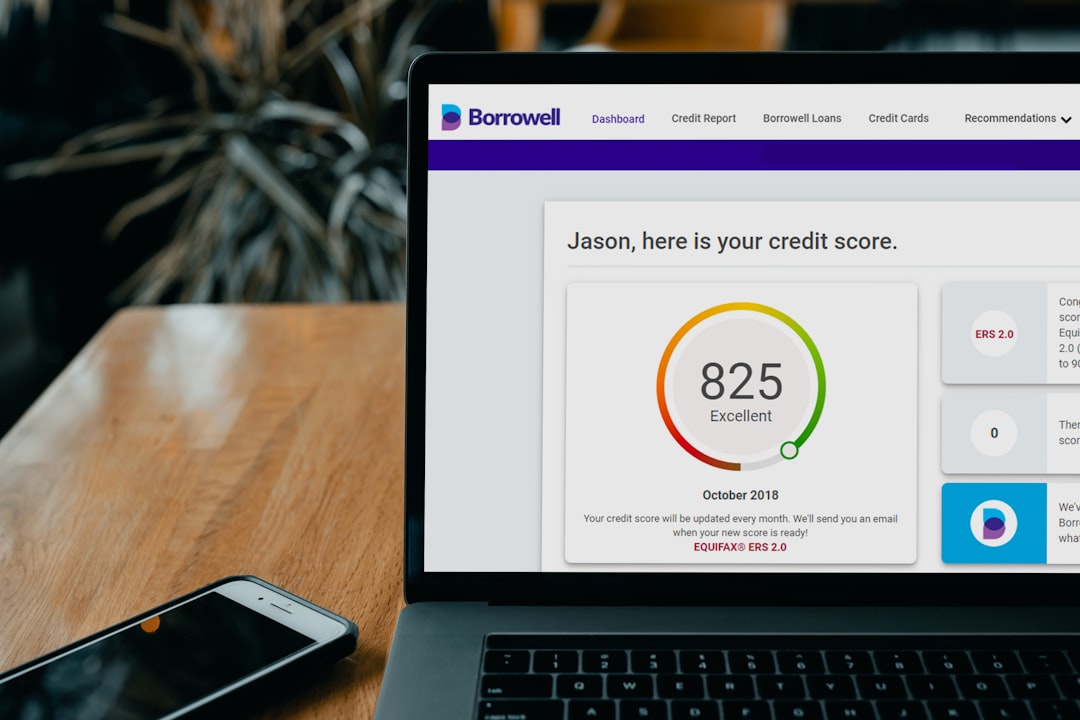
    India — A high credit score, such as 780, can significantly enhance a home loan application. However, it does not guarantee approval. Lenders consider a multitude of factors beyond credit scores when making lending decisions. Recent insights shed light on why even those with excellent credit can face rejection.

    Homebuyers often express surprise when their mortgage applications are denied, despite boasting a strong credit score. This situation underscores the complexities of lending, where lenders assess various criteria to evaluate a borrower’s financial health. Understanding these factors is crucial for high-credit-score homebuyers and the mortgage brokers who assist them.

    Understanding Lender Assessments

    A credit score of 780 indicates a solid repayment history, but it is merely one component of a lender’s assessment. According to a recent analysis by Mint, lenders also evaluate income stability, existing financial commitments, and the overall debt-to-income ratio. This comprehensive evaluation helps lenders determine if a borrower can manage the loan amount requested.

    For instance, if a borrower has high existing EMIs (Equated Monthly Installments) relative to their income, lenders may perceive them as a higher risk. The debt-to-income ratio is a critical metric that lenders analyze to assess repayment capacity. A high ratio may suggest that the borrower is over-leveraged, potentially leading to difficulties in meeting future financial obligations. Mint notes that lenders are increasingly cautious about borrowers who appear financially stretched, regardless of their credit score.

    The Role of Employment History

    Employment history plays a vital role in the approval process. Lenders prefer applicants with stable and consistent jobs, as this indicates reliable income. Frequent job changes or gaps in employment can raise concerns for lenders, prompting them to reconsider the application, even with a good credit score. According to Faster Capital, a solid employment history can enhance a borrower’s profile, while instability can create doubts about their ability to make consistent payments.

    Career Ahead analysis reveals that lenders focus more on the borrower’s overall financial profile, including job stability and income consistency. For high-credit-score applicants, even minor discrepancies in income or employment can lead to rejection. Therefore, it is essential for borrowers to present a well-rounded financial picture when applying for a home loan. Lenders often require additional documentation to verify claims, complicating the approval process.

    Importance of Documentation and Property Value

    In addition to financial metrics, the quality and completeness of documentation can significantly impact approval chances. Lenders require thorough documentation to verify income, employment, and the property being financed. Incomplete or inaccurate documentation can result in delays or denials, even for applicants with high credit scores. Mint highlights that many applicants underestimate the importance of providing complete documentation, which may include tax returns, pay stubs, and proof of other income sources.

    Why a 780 Credit Score Doesn’t Guarantee Home Loan Approval

    Moreover, the nature and value of the property are critical in the approval process. Lenders will assess whether the property meets their lending criteria and if its value justifies the loan amount. If the property has issues, such as being in a less desirable location or needing significant repairs, lenders may hesitate to approve the loan, regardless of the borrower’s credit score. The BBC notes that lenders are particularly cautious in fluctuating real estate markets, where property values can change rapidly. It is essential for borrowers to ensure their chosen property is a sound investment.

    Preparing for Loan Applications

    Given the multifaceted nature of loan assessments, homebuyers must recognize that a strong credit score is just the starting point. They should also focus on managing debt levels and maintaining stable employment to improve their loan eligibility. Mortgage brokers play a crucial role in educating clients about the factors affecting loan approval. By helping clients understand the importance of their overall financial profile, brokers can better prepare them for the lending process.

    This preparation may include advising clients on improving their debt-to-income ratios or ensuring they have all necessary documentation ready before applying. As the lending landscape evolves, homebuyers with high credit scores should remain vigilant. The key takeaway is that while a high credit score is advantageous, it does not guarantee loan approval. Instead, it is one of many factors that lenders consider, highlighting the need for a comprehensive approach to financial health.

    Why a 780 Credit Score Doesn’t Guarantee Home Loan Approval

    Frequently Asked Questions

    What factors can lead to mortgage rejection despite a high credit score?

    High existing debt levels, inconsistent employment history, and incomplete documentation can lead to mortgage rejection, even with a high credit score. Lenders evaluate the overall financial profile, not just the credit score.

    How can mortgage brokers better prepare clients for loan applications?

    Mortgage brokers can prepare clients by educating them on the importance of a complete financial profile, including debt-to-income ratios and employment stability. Ensuring clients have all necessary documentation ready can also improve their chances of approval.

    What should homebuyers do if their loan application is rejected?

    If a loan application is rejected, homebuyers should review their financial profile and address any weaknesses, such as high debt levels or incomplete documentation. Consulting with a mortgage broker can provide valuable insights into improving future applications.