Tag: Federal Reserve

  • Fed Raises Rates in First Major Step | Career Outlook

    Fed Raises Rates in First Major Step | Career Outlook

    The Federal Reserve raised interest rates for the first time since July 2023 on September 16, 2026. This decision aims to curb inflation. Governor Warsh led this move just weeks before the midterm elections. It is expected to have significant effects on various sectors of the economy.

    This rate hike is crucial for financial analysts, real estate investors, and small business owners. As borrowing costs rise, understanding these changes is essential for making informed investment and financing decisions.

    Impact on Real Estate Investments

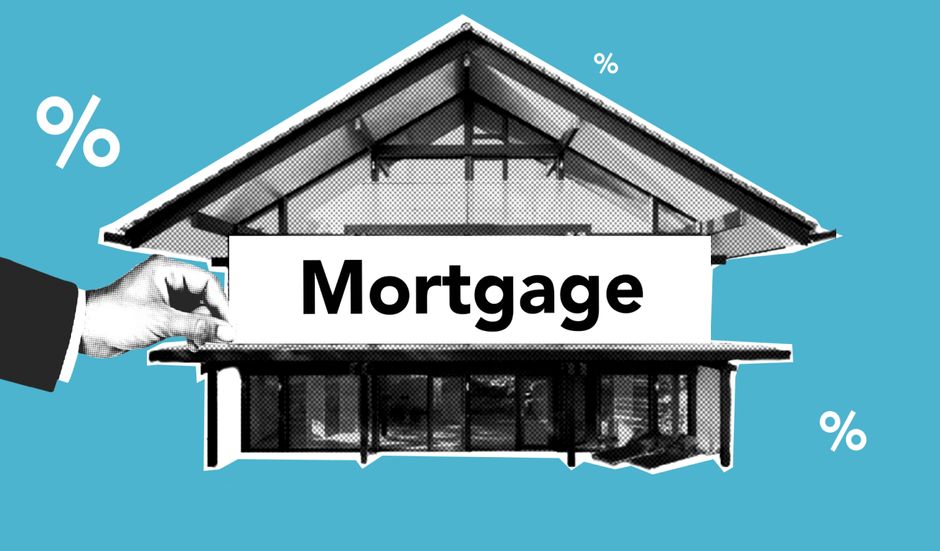
    The recent interest rate increase will directly affect mortgage rates. Lenders will likely adjust to the new benchmark, causing mortgage rates to rise. Higher rates can decrease housing demand, as potential buyers may struggle with monthly payments. Career Ahead’s analysis shows that a 1% increase in mortgage rates can reduce home affordability by about 10%. This makes it harder for first-time buyers to enter the market.

    Real estate investors should also consider the impact on property values. As borrowing costs rise, overall demand for properties may decline. This could slow price growth or even decrease property values. Investors who are heavily leveraged may face refinancing challenges. If their rental income does not cover increased debt service, they could be in a tough spot. According to USA Today, the Fed’s decision to raise rates could cool the housing market. Many analysts predict a slowdown in home sales as buyers retreat due to higher costs.

    The commercial real estate sector may also see changes. Businesses may reassess their expansion plans because of increased financing costs. Investors in commercial properties should prepare for a potential slowdown in leasing activity. Career Ahead research indicates that sectors reliant on borrowing, like retail and hospitality, may be particularly vulnerable. The Guardian highlights that businesses facing higher costs may delay or scale back their expansion plans, further impacting demand for commercial properties.

    In summary, real estate investors need to be proactive as the landscape shifts. Those considering new investments should conduct thorough market analyses. They should also be ready for a longer timeline for returns as the market adjusts to higher interest rates. The overall market sentiment may shift towards a more cautious approach, requiring investors to weigh financing risks in a high-rate environment.

    Changes in Consumer Spending Behavior

    Higher borrowing costs will likely change consumer spending patterns, affecting various sectors. As interest rates climb, consumers may focus on paying down existing debt instead of making new purchases or loans. This shift can lead to reduced sales for retailers and service providers, especially those relying on credit.

    Career Ahead’s analysis finds that discretionary spending is sensitive to interest rate changes. As consumers face higher costs for mortgages and loans, they may cut back on non-essential items. This will affect industries like travel, luxury goods, and dining out. Retailers and service providers should prepare for a potential decline in consumer spending and adjust their strategies. AP News reports that sectors like travel and hospitality may see a downturn as consumers become more cautious, opting for savings over discretionary purchases.

    Additionally, the interest rate increase may lead consumers to be more cautious about large purchases, such as vehicles and appliances. This could slow growth in sectors that depend on consumer financing, further impacting overall economic growth. Businesses that adapt to changing consumer preferences and offer flexible payment options may find opportunities even in a tightening market. Analysts from The Guardian suggest that the economic environment may shift towards one where consumers prioritize savings and debt repayment, significantly impacting retail sales and service industries.

    Fed Raises Rates in First Major Step | Career Outlook

    Financial analysts must monitor these changes closely. Shifts in consumer behavior can significantly affect corporate earnings and stock prices. Understanding how different sectors respond to these economic changes will be crucial for informed investment decisions. The interplay between rising rates and consumer confidence will be a key area for analysts. Any significant downturn in spending could have broader implications for economic recovery.

    In light of these developments, financial analysts and investors must remain vigilant and adaptable. Navigating the implications of the Fed’s interest rate hike is crucial. The economic landscape is shifting, and those who can anticipate these changes will be better positioned to succeed.

    Frequently Asked Questions

    How will rising interest rates impact my mortgage rates?

    Career Ahead’s analysis shows that rising interest rates will lead to higher mortgage rates. This makes home financing more expensive. A 1% increase in rates can reduce home affordability by about 10%, impacting potential buyers’ purchasing power.

    What should real estate investors consider with the Fed’s rate hike?

    Real estate investors need to assess how higher borrowing costs will affect property values and demand. With increased mortgage rates, investors should prepare for a slower market and reconsider their investment strategies.

    Fed Raises Rates in First Major Step | Career Outlook

    How can small business owners prepare for increased borrowing costs?

    Small business owners should evaluate their financing options and consider alternative sources of capital, like equity financing. Additionally, managing cash flow effectively will be crucial to navigate the challenges posed by rising interest rates.

  • US Federal Reserve raises interest rates for the first time since 2023

    US Federal Reserve raises interest rates for the first time since 2023

    The US Federal Reserve has raised interest rates for the first time since 2023. The benchmark rate increased by a quarter-percentage point to a range of 3.75% to 4%. This decision, made on September 16, 2026, reflects the Fed’s ongoing battle against persistent inflation. Inflation has been a concern for both policymakers and consumers. According to The Guardian, this marks a shift in the Fed’s approach to stabilize the economy after a long period of low rates aimed at stimulating growth.

    This rate hike is significant. It is the first increase since the Fed began lowering rates in 2024. This followed a series of hikes aimed at curbing inflation, which peaked at 9.1% in June 2022. Fed Chair Kevin Warsh stated that inflation is still too high. He indicated that further adjustments may be necessary soon. This decision will affect various sectors, particularly borrowing costs and investment strategies. Analysts from U.S. Bank noted that this could tighten financial conditions, impacting both consumers and businesses.

    Impact on Mortgage Rates for Real Estate Agents

    The increase in interest rates will directly affect mortgage rates. This will make home loans more expensive for potential buyers. As rates rise, real estate agents will need to navigate a market where affordability becomes a concern for clients. According to Career Ahead’s analysis, higher mortgage rates typically slow down home sales. Buyers are often deterred by increased monthly payments. The Guardian also highlights that this shift could change the housing market dynamics, as buyers reassess their financial capabilities.

    Current data from U.S. Bank indicates that mortgage rates could rise significantly. This will impact homebuyers’ purchasing power. With the average 30-year fixed mortgage rate expected to climb, agents must adjust their strategies. This may involve advising clients on alternative financing options or focusing on properties that remain within budget. Additionally, the rise in rates may push some buyers to the sidelines. This could increase inventory levels, creating opportunities for savvy investors.

    As potential buyers face higher borrowing costs, demand for rental properties may rise. Real estate agents could see a shift in their clientele. More individuals may opt to rent rather than buy. This trend could lead to increased competition in the rental market. Agents will need to adapt their marketing approaches to attract both buyers and renters. Career Ahead’s research finds that agents who effectively communicate these changes will retain business. Providing insights on market trends will help maintain client trust and loyalty.

    Investment Strategies for Financial Analysts in Banking

    For financial analysts, the interest rate hike presents challenges and opportunities. Higher rates usually lead to increased yields on fixed-income investments. This can attract investors seeking safer options amid rising inflation. Analysts will need to reassess their investment strategies for the changing economic landscape. According to finance.yahoo.com, analysts should consider reallocating portfolios to include more bonds and fixed-income securities as rates rise. This shift could provide better returns compared to equities, which may face downward pressure.

    Moreover, the Fed’s commitment to controlling inflation suggests that further rate hikes could occur. Financial analysts should prepare for a potentially volatile market. They must adjust their forecasts and recommendations accordingly. Career Ahead’s analysis highlights the importance of staying informed about macroeconomic indicators and central bank policies. Analysts must remain vigilant about sectors sensitive to interest rate changes, such as real estate and utilities, which may experience volatility.

    As analysts navigate this new landscape, they will need to communicate effectively with clients. They should explain the implications of rising rates on investment portfolios. Providing clear, data-driven insights will be essential for maintaining client confidence. The Guardian emphasizes that understanding the broader economic context is crucial for analysts as they guide clients through these turbulent times.

    US Federal Reserve raises interest rates for the first time since 2023

    In summary, the recent interest rate hike by the Federal Reserve signals a significant shift in the economic landscape. Various sectors must reevaluate their strategies. As financial analysts, real estate agents, and small business owners adapt, the question remains: how will these adjustments shape the broader economy? The interplay between interest rates and consumer behavior will be a critical focus area as stakeholders navigate the complexities of a post-rate hike environment.

    Frequently Asked Questions

    How will the interest rate increase affect my mortgage rates?

    Career Ahead’s analysis shows that the recent interest rate hike will likely lead to higher mortgage rates. This will make home loans more expensive for buyers. The increase can reduce purchasing power and may slow down home sales as consumers reassess their budgets.

    What investment strategies should financial analysts consider after the rate hike?

    Financial analysts should consider reallocating portfolios to include more fixed-income securities as rates rise. This shift can provide better returns compared to equities, which may face pressure from increased borrowing costs.

    US Federal Reserve raises interest rates for the first time since 2023

    How can small business owners adapt to rising interest rates?

    Small business owners can adapt by exploring alternative financing options. They should adjust pricing strategies to maintain profitability. Understanding consumer sentiment and spending patterns will be crucial in navigating the challenges posed by higher interest rates.

  • Fed Chairman Warsh Faces Pressure After Hot CPI Report

    Fed Chairman Warsh Faces Pressure After Hot CPI Report

    U.S. Federal Reserve Chairman Kevin Warsh is facing mounting pressure following the release of a hot Consumer Price Index (CPI) report on September 11, 2026. The report indicates a significant year-over-year inflation increase of 4.5%, well above the Fed’s target of 2%. This surge in inflation has heightened expectations for a shift in monetary policy, compelling analysts and investors to closely monitor Warsh’s next moves.

    The CPI data has raised concerns about rising costs and the potential for an aggressive monetary policy response. Warsh’s previous comments at the Jackson Hole Economic Symposium suggested a cautious approach to inflation, but the latest figures may force him to reconsider his stance. The key question remains: will Warsh take decisive action to curb inflation, or will he maintain a noncommittal position?

    Increased Scrutiny on the Federal Reserve

    The recent CPI report has intensified scrutiny on Warsh and the Federal Reserve. Inflation continues to exceed expectations, prompting many market participants to seek clarity on the Fed’s future strategy. According to CNN, Warsh has labeled inflation a “concerning” issue but has refrained from committing to specific policy changes, leading to frustration among investors.

    Market analysts interpret the CPI data as a signal that the Fed may need to adjust interest rates soon. Speculation is growing that the Fed could raise rates in the coming months, which would significantly impact financial markets, particularly sectors sensitive to interest rate fluctuations.

    Career Ahead’s analysis highlights that the pressure on Warsh reflects broader concerns about the Fed’s credibility. If the Fed fails to respond adequately to rising inflation, it risks losing both investor and public confidence, potentially leading to increased market volatility. Therefore, it is crucial for Warsh to navigate this situation with care.

    The potential for a shift in monetary policy has already begun to influence market sentiment. Financial analysts are closely watching Warsh’s statements for indications of policy changes. A decisive response from the Fed could stabilize markets, while inaction might exacerbate uncertainty and volatility.

    Market Reactions to Inflation Data

    The financial markets have reacted to the CPI report with a mix of concern and caution. Stock prices have exhibited volatility, reflecting investor uncertainty regarding the Fed’s next steps. As Warsh faces pressure to act, analysts predict that any policy changes could lead to significant shifts in market dynamics.

    According to Moneycontrol, the immediate aftermath of the CPI report saw a spike in bond yields as investors began pricing in the possibility of interest rate hikes. This shift indicates that markets are preparing for a more aggressive stance from the Fed, which could affect borrowing costs and overall economic growth.

    Investment bankers are particularly alert as they assess the potential impacts of changing interest rates. Rising rates could influence everything from corporate borrowing to consumer spending, prompting financial institutions to reevaluate their strategies to manage risks associated with potential rate hikes.

    Fed Chairman Warsh Faces Pressure After Hot CPI Report

    Research from Career Ahead suggests that the current environment presents both challenges and opportunities for financial analysts and investment bankers. Those who can adeptly navigate the shifting landscape may capitalize on emerging trends, while those who fail to adapt may face significant hurdles as the Fed’s decisions unfold.

    Implications for Financial Professionals

    The developments surrounding the CPI report and potential Fed policy changes are significant for financial analysts and investment bankers. Understanding the nuances of inflation data and its implications for monetary policy is essential for professionals in these fields. As the Fed navigates this challenging landscape, staying informed about economic indicators will be crucial for making sound decisions.

    Moreover, the changing economic environment may necessitate a reevaluation of investment strategies. Financial analysts must consider how rising interest rates could affect asset valuations and market dynamics. Investment bankers may need to adjust their approaches to deal structuring and capital raising in light of potential changes in borrowing costs.

    As the situation develops, finance professionals must remain agile and responsive to changes in the economic landscape. Those who can anticipate the Fed’s moves and adapt their strategies will be better positioned to thrive in a volatile market.

    Fed Chairman Warsh Faces Pressure After Hot CPI Report

    Risks, Trade-Offs, and What Comes Next

    The pressure on Warsh to respond to the CPI report is not merely about policy; it represents a pivotal moment that could shape the future of financial markets. The Fed’s decisions in the coming weeks will resonate throughout the economy, influencing everything from consumer confidence to corporate investment.

    The next few months will be critical as the Fed grapples with inflation challenges. How Warsh navigates this situation will have lasting implications for the financial landscape. Analysts and bankers must stay vigilant and prepared for any outcome, as the Fed’s actions will play a crucial role in determining market stability.

    Fed Chairman Warsh Faces Pressure After Hot CPI Report

    Frequently Asked Questions

    What does a hot CPI report mean for interest rates?

    A hot CPI report indicates rising inflation, which may prompt the Federal Reserve to increase interest rates to stabilize prices. If inflation continues to exceed expectations, rate hikes could occur sooner than anticipated.

    How should financial analysts react to Fed Chairman Warsh’s statements?

    Financial analysts should closely monitor Warsh’s comments for signs of policy changes. Understanding the implications of his statements on interest rates and inflation is crucial for making informed investment decisions.

    What strategies should investment bankers consider in light of potential Fed policy changes?

    Investment bankers may need to reevaluate their approaches to deal structuring and capital raising as interest rates fluctuate. Staying informed about the Fed’s policy direction will help them navigate potential impacts on borrowing costs and market conditions.

  • Dollar Wavers as Inflation Aids Fed Hike Bets While Oil Falls

    Dollar Wavers as Inflation Aids Fed Hike Bets While Oil Falls

    The US dollar has recently been very volatile. Inflation trends are influencing expectations about Federal Reserve interest rate decisions. This change comes as oil prices have notably declined. Financial analysts and investors are questioning how this will affect their strategies in the coming months.

    This situation is critical. The Federal Reserve’s approach to interest rates directly impacts currency valuation. With inflation rates still high, the Fed feels pressure to adjust rates. Recent data shows that inflation has led to market speculation about possible rate hikes. These hikes can cause fluctuations in the dollar’s value. According to Bloomberg, the dollar has wavered as inflation data boosts expectations for Federal Reserve rate increases. At the same time, oil prices continue to fall.

    Inflation’s Role in Shaping Federal Reserve Decisions

    Inflation in the United States has consistently exceeded expectations. This has led the Federal Reserve to reevaluate its monetary policy. Career Ahead’s analysis of recent inflation reports shows that the Consumer Price Index (CPI) has risen significantly. This rise has analysts anticipating a series of interest rate hikes soon. Such adjustments are crucial for maintaining economic stability and reducing inflationary pressures.

    As the Federal Reserve considers its next steps, financial analysts are watching these inflationary trends closely. Higher interest rates usually strengthen the dollar. Investors seek higher returns on dollar-denominated assets. However, uncertainty about inflation complicates this outlook. According to Trading Economics, the dollar index (DXY) has fluctuated based on these inflation figures, reflecting market sentiment.

    Moreover, understanding the link between inflation and currency valuation is essential. A stronger dollar can lead to lower oil prices since oil is priced in dollars globally. Therefore, as the Fed raises rates to combat inflation, the dollar’s strength may also affect oil market dynamics. This connection is vital for investors who must consider both currency and commodity price movements. The recent decline in oil prices is due to rising production levels and changing demand, creating a market surplus. This further complicates the relationship between inflation and the dollar.

    With analysts predicting ongoing inflationary pressures, the Federal Reserve’s actions will remain a key focus for market participants. Understanding the timing and size of interest rate changes is crucial for navigating the Forex market and oil investments. As noted by TorFX News, the dollar’s fluctuations are expected to continue as inflation data shapes market perceptions.

    Oil Market Trends and Currency Fluctuations

    The recent decline in oil prices adds complexity to the financial landscape. As oil prices drop, the implications for the dollar and overall market stability become more significant. Career Ahead research shows that rising production levels and changing demand dynamics have led to a surplus in the oil market.

    According to ActionForex, the current oil price slump is worsened by concerns over global economic growth. This directly impacts demand for oil. As investors react to these signals, the relationship between oil prices and the dollar’s value becomes clearer. A weaker oil market often results in a stronger dollar, as the dollar’s purchasing power increases relative to oil costs. This dynamic is crucial for the U.S. economy, where lower oil prices can reduce production costs and boost consumer spending.

    For financial analysts, understanding the link between oil prices and currency fluctuations is vital for informed investment decisions. As oil becomes cheaper, the dollar’s strength may increase purchasing power for U.S. consumers, stimulating economic activity. However, sustained low oil prices could pose risks for energy sector investments and related currencies. The energy sector’s vulnerability to price changes means investors must stay alert to potential volatility in oil markets, which can affect the broader economy.

    Dollar Wavers as Inflation Aids Fed Hike Bets While Oil Falls

    Investors in the oil market should consider these trends when developing their strategies. The relationship between a declining oil market and currency valuation can create opportunities for hedging against risks. By using options or futures contracts, investors can protect their portfolios from negative movements in both oil and currency markets. As the market evolves, staying informed about geopolitical events and macroeconomic indicators will be crucial for navigating the complexities of oil and currency markets.

    In conclusion, the interplay between inflation, the US dollar, and oil prices has significant implications for financial analysts and investors. As inflation continues to shape Federal Reserve policies, understanding these dynamics is essential for navigating potential market volatility. Investors should remain vigilant and adaptable as the financial landscape changes in response to these developments.

    Frequently Asked Questions

    How can financial analysts prepare for potential dollar fluctuations?

    Financial analysts can prepare for dollar fluctuations by diversifying currency exposure and using hedging strategies like options and futures contracts. Staying informed about macroeconomic indicators and Federal Reserve announcements is also crucial for anticipating market shifts.

    What are the implications of falling oil prices for investors?

    Falling oil prices can lead to a stronger dollar, affecting overall market dynamics. Investors may benefit from increased purchasing power, but sustained low oil prices could pose risks for energy sector investments.

    Dollar Wavers as Inflation Aids Fed Hike Bets While Oil Falls

    What should oil market investors consider in light of inflation trends?

    Oil market investors should consider the link between oil prices and currency fluctuations. Effective hedging strategies and staying informed about macroeconomic trends can help mitigate risks from potential market volatility.