Tag: export opportunities

  • MERCOSUR Trade Expansion Opens Doors for Export Managers

    MERCOSUR Trade Expansion Opens Doors for Export Managers

    India and MERCOSUR are set to expand their preferential trade agreement (PTA) signed in 2009. This agreement aims to strengthen economic relations and create more opportunities for both regions. Commerce Minister Piyush Goyal and Uruguay’s Foreign Affairs Minister Mario Lubetkin announced negotiations on September 14, 2026. This marks a key step in boosting trade ties between India and the MERCOSUR bloc, which includes Argentina, Brazil, Paraguay, and Uruguay.

    The current PTA covers about 450 tariff lines from India and 452 from MERCOSUR. Tariff concessions range from 10% to 100%. However, the agreement has faced criticism for its limited scope, especially since it excludes services, which are crucial for modern economies. Expanding this agreement could unlock more trade potential, helping India diversify its export markets and reduce its trade deficit with MERCOSUR countries.

    New Markets and Export Opportunities

    The trade agreement’s expansion is expected to open new markets for Indian goods in MERCOSUR countries. India’s exports to MERCOSUR reached $8.12 billion in the 2024-25 period. With the expanded agreement, this figure could rise significantly. Research from Career Ahead suggests that sectors like pharmaceuticals, textiles, and agricultural products could gain better access to these markets.

    Additionally, the agreement aims to streamline trade by using electronic certificates of origin. This will modernize customs procedures and cut the time and cost of exporting goods. This shift towards digital documentation aligns with global trade trends, making it easier for Indian exporters to handle international trade complexities.

    Insights from insightsonindia.com indicate that the expansion could improve trade balances for India. Historically, India has faced challenges in MERCOSUR due to high tariffs and logistical issues. By tackling these barriers, Indian exporters can boost their competitiveness and potentially increase their market share.

    Moreover, increased engagement with MERCOSUR can help Indian businesses diversify their export strategies. This diversification is essential for export managers as they adapt to the changing dynamics of global trade.

    Changes in Tariff Structures and Trade Dynamics

    As the agreement expands, we expect significant changes in tariff structures. The current concessions vary widely, but the new framework aims to offer better terms for Indian goods. Financialexpress.com notes that these changes could lower the cost of Indian products in MERCOSUR markets, making them more appealing to consumers and businesses.

    Furthermore, moving towards a comprehensive free trade agreement (FTA) covering goods, services, and investments could enhance market access. This transition would lower trade barriers and encourage foreign investment in India, crucial for sustained economic growth. Reduced tariffs on Indian exports can lead to a more balanced trade relationship, benefiting both sides.

    However, export managers must prepare for the implications of these tariff changes. Lower tariffs may increase competition, especially from other countries exporting to MERCOSUR. Export managers need to understand the competitive landscape and adjust their pricing strategies accordingly.
    MERCOSUR Trade Expansion Opens Doors for Export Managers

    Career Ahead analysis finds that expanding the PTA could significantly increase trade volumes. However, it also presents challenges in compliance and regulatory requirements. Export managers must stay informed about evolving regulations to ensure smooth operations and avoid pitfalls in the export process.

    Impact on Supply Chain Management and Logistics

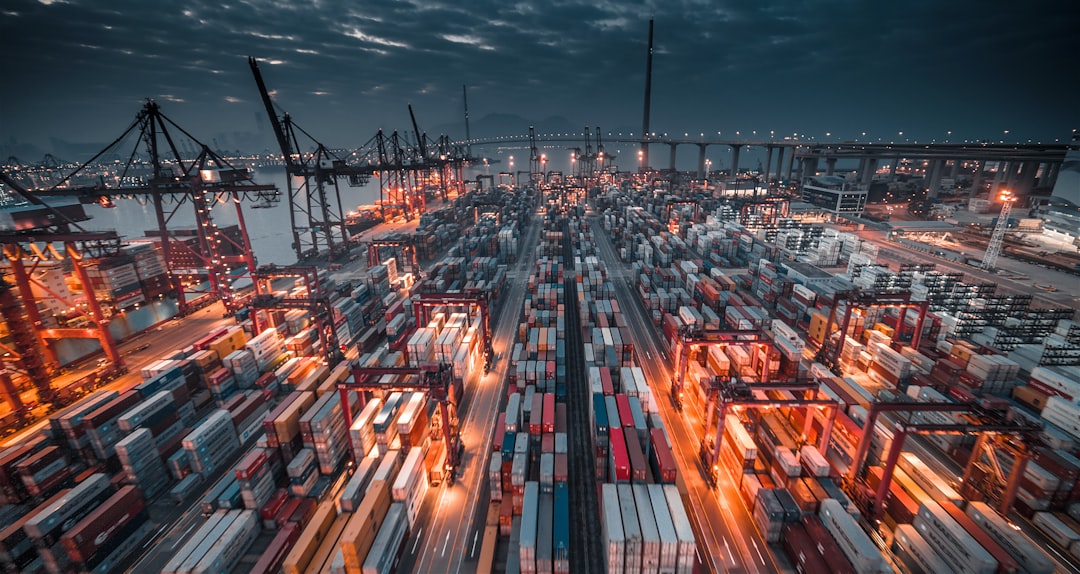
    The trade agreement’s expansion will greatly impact supply chain management and logistics for Indian exporters. Current logistical challenges, such as high shipping costs and customs delays, could improve with streamlined processes. The shift to electronic documentation is a positive step, as it can reduce processing times significantly.

    As trade volumes rise, export managers will need to reassess their supply chain strategies. This includes evaluating partnerships with logistics providers and exploring alternative shipping routes to optimize costs and delivery times. Efficient supply chains will be crucial for maintaining competitiveness in MERCOSUR markets.

    Additionally, modernizing customs procedures through the new protocol will likely lead to a smoother flow of goods. This improvement is vital for effective inventory management and meeting customer demands promptly. Export managers must adapt their logistics strategies to align with these changes, ensuring swift responses to market dynamics.

    Ultimately, expanding the PTA with MERCOSUR is a pivotal moment for Indian exporters. It opens new markets and requires reevaluating existing strategies to seize the opportunities this agreement presents.

    The future of trade relations between India and MERCOSUR looks promising. However, it will require careful navigation of the new landscape. Export managers must remain vigilant and adaptable to the changes that will unfold as the agreement is fully implemented.

    Frequently Asked Questions

    What new markets will open for Indian exports due to the MERCOSUR agreement?

    The expansion of the MERCOSUR agreement is expected to open new markets for Indian goods, especially in pharmaceuticals, textiles, and agriculture. This will give Indian exporters better access to MERCOSUR countries, increasing their market opportunities.

    How will tariff changes impact trade between India and MERCOSUR?

    Tariff changes are expected to lower the cost of Indian products in MERCOSUR markets, making them more competitive. This could lead to increased trade volumes and a more balanced trade relationship between India and MERCOSUR.
    MERCOSUR Trade Expansion Opens Doors for Export Managers

    What should export managers do to prepare for the expanded trade agreement?

    Export managers need to stay informed about regulatory changes and adapt their strategies accordingly. This includes reassessing supply chain logistics and understanding the competitive landscape in MERCOSUR markets.


  • India, MERCOSUR to expand preferential trade agreement signed in 2009

    India, MERCOSUR to expand preferential trade agreement signed in 2009

    India and MERCOSUR plan to expand their preferential trade agreement (PTA) from 2009. This announcement came from India’s Union Commerce Minister Piyush Goyal and Uruguay’s Foreign Affairs Minister Mario Lubetkin on September 14, 2026. The goal is to improve economic relations and create more opportunities for private sectors in both regions.

    The current PTA covers about 450 tariff lines from India and 452 from MERCOSUR. Tariff concessions range from 10% to 100%. However, experts say the agreement’s scope is limited because it excludes services. The discussions for expansion will redefine the terms of reference (ToR) to broaden the agreement’s coverage. A report from the Financial Express states that the expanded agreement could boost bilateral trade, which reached $17.48 billion in fiscal year 2024-25. India exported $8.12 billion worth of goods to MERCOSUR countries during this period.

    New Markets for Indian Exports

    The expanded agreement is expected to open new markets for Indian goods in MERCOSUR countries like Argentina, Brazil, Paraguay, and Uruguay. Career Ahead’s analysis shows this could greatly increase India’s export volumes to these nations. Export managers can expect higher demand for Indian products that fit MERCOSUR’s market needs. The agreement aims to make trade processes smoother and reduce barriers that have hindered growth. Indian exporters could find new opportunities in sectors like pharmaceuticals, textiles, and agricultural products.

    Additionally, signing a new protocol for electronic certificates of origin is a significant step. This move will modernize trade practices by streamlining customs procedures and reducing paperwork. It will help exporters navigate regulations more easily. The Drishti IAS report highlights that this modernization is crucial for improving trade efficiency, especially in a region with many bureaucratic hurdles.

    While the expansion brings opportunities, export managers must also prepare for challenges in new markets. Cultural differences, regulatory complexities, and logistical inefficiencies remain significant hurdles. Export managers will need tailored strategies to overcome these challenges and maximize market penetration. Understanding local consumer preferences and market dynamics will be essential for Indian exporters to successfully position their products in MERCOSUR markets.

    Changes in Tariff Structures and Trade Dynamics

    As India and MERCOSUR negotiate the expanded agreement, changes in tariff structures will be crucial. Current tariffs on Indian exports to MERCOSUR vary widely, and the expansion may lead to further reductions. Career Ahead research indicates that lower tariffs will enhance the competitiveness of Indian goods in MERCOSUR markets. The Financial Express notes that reduced tariffs could allow Indian exporters to offer more competitive prices, increasing their market share.

    Export managers must understand the new tariff structures for pricing strategies and cost management. Lower tariffs mean Indian exporters can offer more attractive prices, boosting their market share in MERCOSUR countries. This could help balance trade, as India has historically faced a trade deficit with MERCOSUR. As the agreement moves toward a comprehensive free trade agreement (FTA), Indian services in MERCOSUR markets may also expand. This could open doors for Indian companies in sectors like IT and consulting, diversifying export opportunities.

    India, MERCOSUR to Expand Trade Agreement Signed in 2009

    The shift in tariff structures means export managers need to stay informed about changing trade regulations. Keeping up with these changes will help them navigate international trade complexities. This knowledge is vital for making informed decisions on production and logistics planning. Export managers should also consider how tariff changes affect their supply chain strategies, as adjustments may be necessary to optimize costs and enhance competitiveness.

    Moreover, the trade agreement’s expansion will impact supply chain management and logistics for Indian exporters. Current logistical challenges, such as high transportation costs and inefficient customs procedures, have been significant barriers to trade. The new agreement aims to address these issues by streamlining processes and enhancing cooperation between customs authorities. Career Ahead’s analysis shows that improved logistics will be vital for export managers as they adapt to new market dynamics. Efficient supply chain management will allow exporters to respond quickly to market demands and reduce lead times, especially in sectors where timeliness is critical, like perishable goods.

    In summary, while the expanded trade agreement offers significant opportunities for Indian exporters, it also requires careful planning in supply chain management. Export managers must proactively address logistical challenges and optimize operations to succeed in the new landscape. The expansion of the India-MERCOSUR trade agreement marks a pivotal moment for export managers as they navigate new opportunities and challenges. As negotiations progress, the implications for trade dynamics, tariff structures, and logistics will become clearer, shaping the future of India’s exports to the MERCOSUR region.

  • Indian Foundries Seize Global Supply Opportunities

    Indian Foundries Seize Global Supply Opportunities

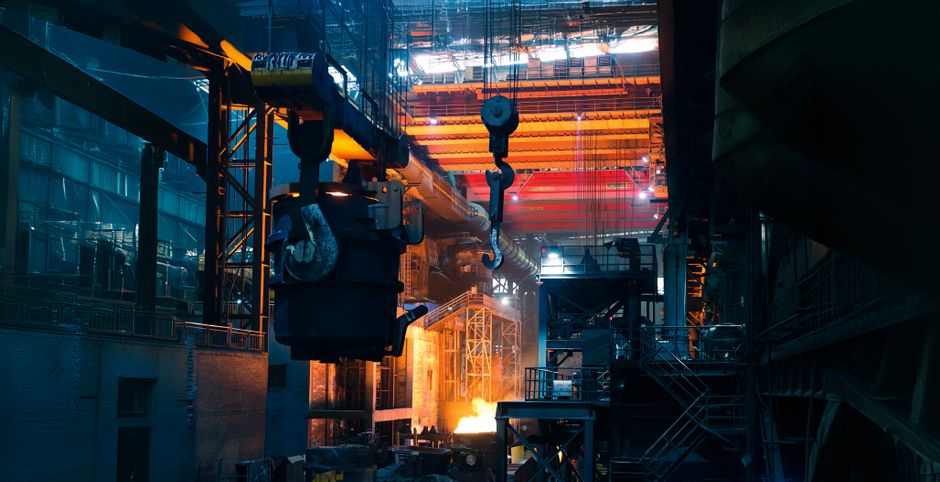
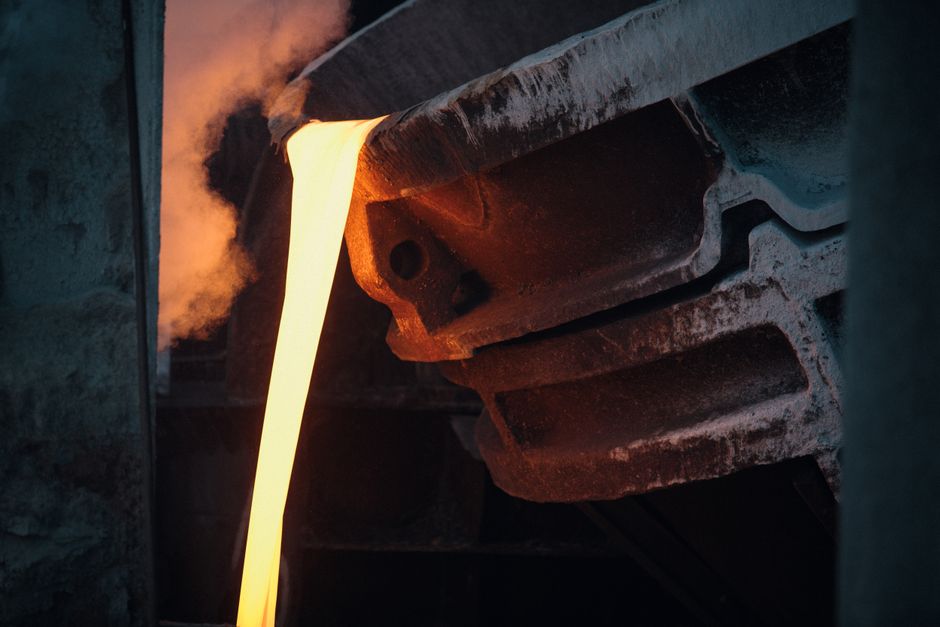
    India’s foundry sector is gaining interest from global manufacturers. At the recent Inter Foundry and Inter DieCast exhibition, experts noted that Indian foundries could become key suppliers for multinational companies. The Indian industry has shown resilience during global disruptions, making it a strong option for sourcing castings and components.

    Parag Sharma, vice-president of Global Purchasing and Supply Chain at Stellantis, highlighted the growing demand for castings from Indian foundries. He mentioned that the sector has expanded significantly over the past two decades. Indian foundries are now well-equipped to meet international standards, creating a unique opportunity for growth in the global market.

    Rising Demand from Global Automotive Manufacturers

    The automotive sector drives demand for foundry products. As global automotive manufacturers look to diversify their supply chains, India is becoming a preferred sourcing destination. Career Ahead’s analysis predicts substantial growth for the Indian foundry industry, especially in producing castings for electric vehicles (EVs) and traditional automotive applications.

    Data from lohaa.co.in shows that the Indian foundry sector is well-positioned to expand its export capabilities. This growth focuses on both ferrous and non-ferrous foundries. The increasing demand for lightweight materials and high-performance components fuels this expansion, essential for the evolving automotive landscape.

    Indian foundries have demonstrated resilience during global crises, such as the recent West Asia conflict. Sreenivas Naidu, executive director of ZF Wind Power, noted that Indian foundries maintained their supply chains despite challenges. This reliability enhances their appeal to international clients.

    As the automotive industry shifts towards sustainability, Indian foundries that invest in advanced manufacturing technologies will likely gain an edge. Career Ahead research suggests that foundries adopting smart manufacturing practices can improve production capabilities and meet global quality demands.

    Given these developments, partnerships between Indian foundries and international firms may become more common. A recent memorandum of understanding between the Foundries Development Foundation and Germany-based VDMA shows the potential for collaborative growth in this sector.

    Strategic Partnerships and Technological Investments

    To capitalize on global demand, Indian foundries must build strategic partnerships. Collaborating with international firms can provide access to advanced technologies and best practices. This is crucial as the industry shifts towards automation and digitalization.

    According to blog.foundrychannel.com, the Indian foundry industry will benefit from technological advancements, especially in 3D printing and smart manufacturing. These technologies improve efficiency and reduce waste, aligning with global sustainability goals.

    Investing in technology is vital for foundries aiming to compete internationally. For example, adopting Industry 4.0 principles can streamline operations and enhance product quality. Career Ahead’s analysis shows that foundries embracing these technologies will attract more personnel and resources, boosting their competitive position.

    Indian Foundries Seize Global Supply Opportunities

    The global push for electric vehicles presents a significant opportunity for Indian foundries. Manufacturers need lightweight and high-strength materials for EV components. Foundries that innovate in material science and production techniques will be in high demand. Findings from indianfoundries.com highlight the growing need for specialized castings in the automotive sector.

    Ultimately, Indian foundries’ success in the global market will depend on their ability to adapt and innovate. By leveraging partnerships and investing in cutting-edge technologies, they can become leaders in the foundry space.

    The implications of these developments extend beyond the foundries themselves. They also affect supply chain specialists and foundry managers. These professionals must stay informed about the latest trends and technologies to navigate the evolving landscape effectively.

    As the global market for foundry products expands, the demand for skilled professionals will grow. Foundry managers in India must prepare for international partnerships by enhancing their understanding of global standards and practices.

    Implications for Supply Chain Specialists and Foundry Managers

    For supply chain specialists, the rising opportunities in Indian foundries indicate a shift in sourcing strategies. As more global manufacturers look to India for reliable suppliers, specialists must adapt their approaches. Understanding the nuances of the Indian market, including regulatory requirements and quality standards, will be crucial for success.

    Collaboration between Indian foundries and international firms can lead to improved supply chain efficiencies. By working together, these entities can streamline logistics and reduce lead times, benefiting end consumers. This collaborative approach aligns with trends highlighted in Career Ahead’s research, emphasizing the importance of integrated supply chains in today’s global economy.

    Foundry managers must enhance their operational capabilities to meet international expectations. This includes investing in workforce training and development to ensure employees have the necessary skills to operate advanced machinery and implement new technologies.

    Indian Foundries Seize Global Supply Opportunities

    As the industry evolves, foundry managers need to engage in continuous learning and adaptation. This proactive approach will help them remain competitive and respond to changing market demands effectively.

    In conclusion, the future of Indian foundries looks promising as they capitalize on global supply opportunities. Rising demand, strategic partnerships, and technological investments position them well for success. As the industry continues to evolve, stakeholders must remain vigilant and adaptable to thrive in this dynamic environment.

    Frequently Asked Questions

    What are the key trends in global foundry supply chains?

    Career Ahead’s analysis shows that key trends include a shift towards sustainability, increased demand for lightweight materials, and the adoption of advanced manufacturing technologies. These trends reshape how foundries operate and compete globally.

    How can supply chain specialists leverage opportunities in Indian foundries?

    Supply chain specialists can leverage opportunities by understanding the Indian market’s unique dynamics and building relationships with local foundries. This will help optimize sourcing strategies and enhance supply chain efficiencies.

    Indian Foundries Seize Global Supply Opportunities

    What should foundry managers do to prepare for international partnerships?

    Foundry managers should enhance their operational capabilities and invest in workforce training. Staying informed about global standards and practices is also essential for successful international collaborations.