Tag: environmental policy

  • Trump EPA to Rescind Carbon Standards for Coal, Gas Power Plants

    Trump EPA to Rescind Carbon Standards for Coal, Gas Power Plants

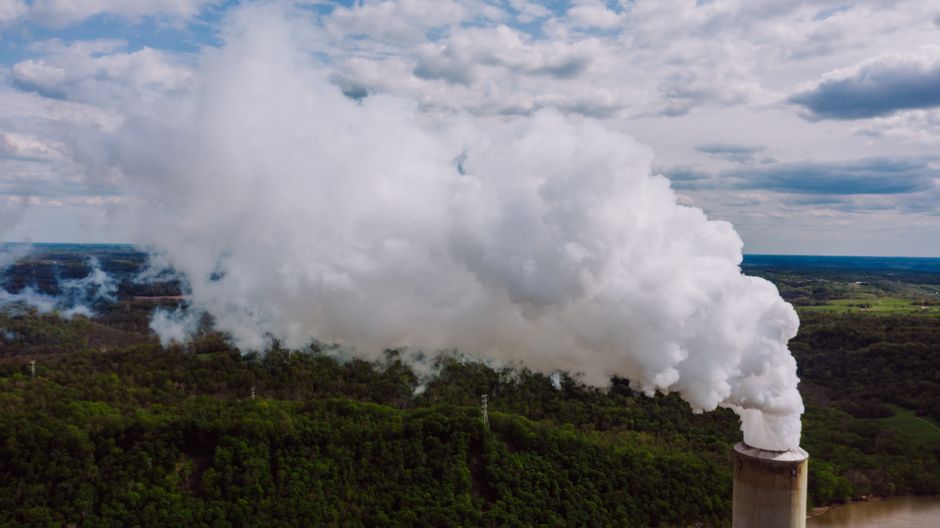
    Washington, US — The Trump administration’s Environmental Protection Agency (EPA) has officially rescinded carbon standards for coal and gas power plants. This decision, announced on September 13, 2026, will change compliance for these facilities across the nation.

    The repeal allows for increased carbon emissions from power plants. This could lead to higher greenhouse gas levels in the atmosphere. Environmental advocates criticize this move, arguing it undermines efforts to combat climate change. The EPA’s decision will shift compliance strategies for power plant operators and engineers, creating new challenges for regulatory oversight.

    Revised Compliance Strategies for Power Plants

    The rescinding of carbon standards means coal and gas power plants will no longer face strict emissions limits. Previously, these plants had to use technologies to reduce carbon emissions significantly. Now, operators may find it easier to comply without costly upgrades or technologies.

    Career Ahead’s analysis of EPA data shows that the compliance burden for coal power plants will decrease. Operators can focus on maximizing output without strict emission limits. This may lead to a temporary boost in coal production, as facilities ramp up operations to take advantage of relaxed regulations. According to a Bloomberg report, this shift could reverse some progress made in reducing emissions over the past decade, as power plants may prioritize production over environmental concerns.

    However, this shift may also lead to increased scrutiny from state environmental regulators. Many states have their own emissions standards that may still apply. While federal standards have relaxed, local regulations may still enforce stricter guidelines. This dual regulatory environment could confuse power plant managers. States like California and New York have historically maintained aggressive emissions reduction targets. They may continue to impose stringent regulations despite the federal rollback.

    Furthermore, the implications of this change extend beyond immediate operational adjustments. As the energy sector evolves, power plant engineers will need to adapt their compliance strategies to navigate both federal and state regulations. This may require reevaluating their operational practices and investment strategies. The Harvard Law School Environmental Law Program notes that the rollback could create a fragmented regulatory landscape, making compliance more complex as states try to fill the void left by the federal government.

    Impact on Engineering Practices in Coal and Gas Sectors

    The rollback of carbon standards will influence engineering practices within the coal and gas sectors. Engineers may now prioritize short-term operational efficiency over long-term sustainability goals. This could lead to renewed investments in coal plants, as the economic incentive to operate without strict emissions controls becomes more appealing.

    Career Ahead research finds that this regulatory shift may lead to a reallocation of resources within engineering teams. With fewer compliance requirements, engineers might focus more on optimizing existing processes rather than developing new technologies to reduce emissions. Consequently, innovation in cleaner energy technologies could stagnate as companies shift back to traditional fossil fuel operations. A Reuters report highlights concerns that this trend could hinder advancements in renewable energy technologies, as investments are diverted back to fossil fuels.

    Additionally, the reduced emphasis on carbon emissions may affect workforce dynamics. Engineers who specialize in emissions reduction technologies may find fewer job opportunities. Meanwhile, those skilled in maximizing output from existing coal and gas facilities may see increased demand. This shift could change the educational and training landscape for upcoming engineers. As the industry pivots back to fossil fuels, educational institutions may need to adjust their curricula to reflect the changing job market. This could lead to a workforce less prepared for future renewable energy challenges.

    Trump EPA to Rescind Carbon Standards for Coal, Gas Power Plants

    Moreover, this regulatory change may impact the hiring practices of power plants. Companies may prioritize hiring engineers with experience in traditional energy production methods over those with expertise in renewable energy technologies. This could slow the transition toward cleaner energy sources that many stakeholders advocate for. The Harvard Law School Environmental Law Program notes that the long-term implications of this shift could harm the overall goal of reducing greenhouse gas emissions and combating climate change.

    As the energy sector continues to evolve, the long-term impact of these regulatory changes will unfold. Stakeholders must remain vigilant as they navigate the shifting landscape of environmental regulation and its implications for the future of energy production.

    Frequently Asked Questions

    What are the new compliance requirements for coal power plant engineers?

    The rescinding of carbon standards means coal power plant engineers will face fewer federal compliance requirements. However, they must still follow state regulations, which may impose stricter limits on emissions.

    How will changes in carbon standards affect natural gas power plant operations?

    The rollback of carbon standards may lead to increased operational flexibility for natural gas power plants. Operators might prioritize maximizing output without stringent emissions controls, potentially leading to higher emissions levels.

    Trump EPA to Rescind Carbon Standards for Coal, Gas Power Plants

    What should environmental regulators do in response to the rescinded carbon standards?

    Environmental regulators may need to adapt by implementing stricter state-level regulations to fill the gap left by the federal rollback. This could involve developing new monitoring and reporting strategies to ensure compliance with environmental standards.

  • Interdisciplinary Skills Driving Sustainable Development Careers

    Interdisciplinary Skills Driving Sustainable Development Careers

    Graduates in sustainable development face a rapidly changing world. As global challenges intensify, their education must evolve to equip them with essential skills. This transformation is critical for addressing complex issues such as climate change, social inequality, and resource management.

    The emphasis on interdisciplinary skills in sustainability education is gaining momentum. Programs are increasingly integrating various fields, enabling students to tackle multifaceted problems. This approach reflects the interconnected nature of sustainability challenges, which require collaboration across disciplines.

    Interdisciplinary Skills: A Necessity for Future Graduates

    Degrees in global sustainable development are designed to prepare students for a diverse range of careers. According to research from sustainability-directory.com, these programs emphasize critical thinking and practical problem-solving. Students learn to analyze complex issues, engage with different viewpoints, and develop innovative solutions.

    Career Ahead’s analysis finds that graduates equipped with interdisciplinary skills are more attractive to employers. Organizations across sectors are seeking individuals who can navigate the complexities of sustainability challenges. This demand is evident in roles such as sustainability consulting, environmental policy, and corporate social responsibility.

    Moreover, graduates are expected to collaborate with diverse stakeholders. This includes working alongside scientists, policymakers, and community organizations. The ability to communicate effectively and understand various perspectives is essential in driving sustainable initiatives.

    Programs focusing on global sustainable development also encourage students to reflect on ethical considerations. Understanding the historical and cultural contexts of sustainability issues is crucial. Graduates gain insights into the legacies of colonialism and capitalism, which shape modern inequalities.

    As a result, students emerge not only with technical knowledge but also with a deep understanding of the ethical implications of their work. This holistic approach prepares them to make informed decisions in their future careers.

    Innovation and Its Role in Addressing Global Challenges

    Innovation is at the heart of sustainable development education. As the world faces pressing challenges, the need for creative solutions is paramount. Programs are increasingly incorporating emerging technologies and methodologies to prepare students for this dynamic landscape.

    According to www.bing.com, innovative teaching methods, such as problem-based learning and experiential education, are becoming more common. These approaches allow students to engage with real-world issues and develop practical skills. By working on projects that address sustainability challenges, students gain hands-on experience that enhances their employability.

    Furthermore, the integration of technology in education is reshaping how sustainability is taught. Online platforms, simulations, and collaborative tools are enabling students to connect globally. This not only broadens their perspectives but also fosters a sense of community among future leaders in sustainability.

    Graduates Gain Skills for Sustainable Innovation

    Career Ahead research identifies that as sustainability challenges become more complex, the role of innovation in education will continue to grow. Graduates who can leverage technology and think creatively will be better equipped to address the intricacies of global issues.

    As they enter the workforce, these graduates will play a crucial role in shaping sustainable practices across industries. Their ability to innovate and adapt will be essential in driving change and fostering a more sustainable future.

    In summary, the demand for graduates with interdisciplinary skills in sustainability is on the rise. As organizations increasingly recognize the importance of addressing global challenges, the need for innovative thinkers will only intensify. Graduates who can navigate the complexities of sustainability and contribute to meaningful solutions will be well-positioned for success.

    The Future of Sustainability Education

    The landscape of sustainability education is evolving rapidly. As the world grapples with climate change, resource depletion, and social injustice, educational institutions must adapt their curricula to meet these challenges. This evolution is not just about content but also about the methods of delivery and engagement.

    Institutions are beginning to recognize the importance of integrating sustainability across all disciplines. This holistic approach ensures that all graduates, regardless of their major, understand the principles of sustainability. According to lifestyle.sustainability-directory.com, such integration prepares students to think critically about their roles in society and the environment.

    Graduates Gain Skills for Sustainable Innovation

    Moreover, the collaboration between academia and industry is becoming increasingly vital. Partnerships with organizations focused on sustainability can provide students with real-world experiences and insights. These collaborations can lead to internships, research opportunities, and job placements, further enhancing graduates’ employability.

    As sustainability education continues to evolve, it is crucial for educators to stay informed about emerging trends and best practices. This includes keeping abreast of new technologies, methodologies, and ethical considerations that shape the field.

    Ultimately, the future of sustainability education lies in its ability to adapt and respond to the changing world. As challenges become more complex, the integration of interdisciplinary skills and innovative approaches will be essential for preparing graduates to lead in a sustainable future.

    Frequently Asked Questions

    What skills should graduates in sustainable development focus on?

    Graduates should focus on developing interdisciplinary skills that encompass critical thinking, problem-solving, and ethical considerations. These skills are essential for addressing the complex challenges in sustainability.

    How can educators adapt curricula to include sustainability and innovation?

    Educators can integrate sustainability topics across various disciplines, encourage experiential learning, and foster partnerships with industry to provide practical experiences for students.

    What are the emerging trends in sustainability education for graduates?

    Emerging trends include the incorporation of technology in teaching, problem-based learning, and a focus on ethical implications in sustainability practices. These trends aim to prepare graduates for the complexities of the global sustainability landscape.